




The likelihood of a brain tumour recurring depends significantly on the tumour grade, the specific cell type, and how much of the original mass was successfully removed during treatment. In the United Kingdom, healthcare teams use these factors to establish long-term monitoring plans tailored to each patient’s unique risk profile. While some slow-growing tumours have a low probability of returning, more aggressive variants are known for their ability to regrow over time. The NHS and NICE provide structured follow-up protocols to ensure that any signs of recurrence are detected and managed promptly. This article explores the clinical factors that influence the chances of a tumour returning and the integrated surveillance systems used within the UK healthcare framework. Understanding the biological nature of the tumour is essential for navigating the post-treatment journey and maintaining neurological health.
What We’ll Discuss in This Article
- The biological reasons why brain tumours can reappear after treatment.
- How the World Health Organisation grading system predicts recurrence risk.
- The influence of surgical extent and residual cells on future growth.
- Identifying the role of molecular markers in determining tumour stability.
- How the NHS implements long-term MRI surveillance and monitoring.
- Management pathways used in the UK for suspected tumour recurrence.
Biological Drivers of Tumour Recurrence
A brain tumour may recur because microscopic cells can remain in the healthy tissue surrounding the original site, even if the surgeon removed all visible parts of the mass. These individual cells are often too small to be seen on a standard scan and can eventually begin to divide and form a new growth. The NHS states that high-grade brain tumours are more likely to come back after treatment than low-grade tumours.
The infiltrative nature of certain tumours, such as gliomas, means they do not have distinct borders, making total eradication a significant clinical challenge. In the United Kingdom, specialists acknowledge that for many malignant tumours, the goal of treatment is long-term control rather than absolute removal of every cell. This biological reality necessitates a cautious approach to follow-up care, where regular neuroimaging is used to monitor the surgical cavity. By understanding these growth patterns, the multidisciplinary team can provide a realistic assessment of the risk of return and ensure the patient remains under professional oversight.
Impact of WHO Grading on Recurrence Risk
The World Health Organisation (WHO) grade assigned to a tumour is one of the most reliable indicators of how likely it is to return, with higher grades carrying a significantly greater risk. Grade 1 and 2 tumours are generally slow-growing and have a lower probability of recurrence, whereas Grade 3 and 4 tumours are biologically aggressive and more prone to regrowth. NICE clinical guidelines for brain tumours indicate that the grade of the tumour should be used to determine the frequency of follow-up MRI scans for all patients in the UK.
| WHO Grade | Classification | Typical Recurrence Outlook |
| Grade 1 | Benign; slow-growing. | Low risk; often potentially curable if fully removed. |
| Grade 2 | Low-grade; slow-growing. | Moderate risk; can recur over many years. |
| Grade 3 | High-grade; malignant. | Higher risk; often requires ongoing management. |
| Grade 4 | Aggressive; malignant. | Highest risk; regrowth is frequently expected. |
In the United Kingdom, pathologists provide a detailed grade after surgery to help the clinical team plan the surveillance schedule. For those with a Grade 4 glioblastoma, the risk of recurrence is a primary focus of the management strategy. For those with a Grade 1 meningioma, the risk is much lower, but a long-term follow-up remains standard practice. This grading framework ensures that NHS resources are focused on those with the highest clinical need while maintaining vigilance for all patients.
Role of Surgical Extent and Residual Disease
The likelihood of a tumour returning is also influenced by whether a “gross total resection” was achieved, meaning the surgeon removed all visible parts of the tumour as confirmed on a post-operative scan. When a tumour is located in an “eloquent” area responsible for speech or movement, the surgeon may intentionally leave a small amount of tissue behind to protect vital functions. The GOV.UK health pages provide clinical profiles indicating that the amount of residual tumour left after surgery is an important factor in predicting the time to recurrence in the UK.
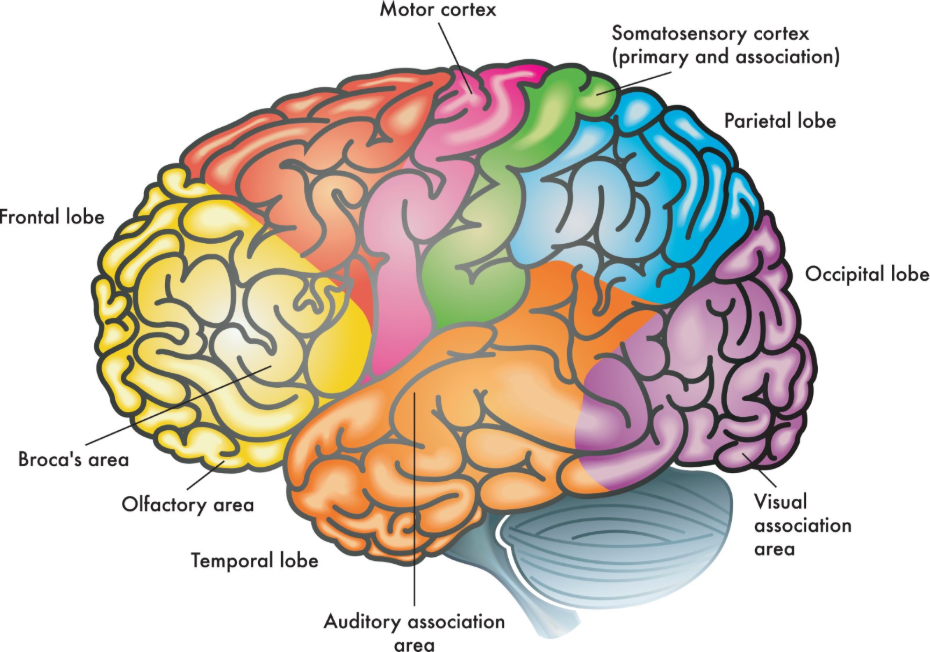
While removing more of the tumour generally reduces the risk of regrowth, the multidisciplinary team always balances this against the preservation of the patient’s quality of life. If residual disease is left behind, UK clinicians often use adjuvant therapies like radiotherapy or chemotherapy to manage the remaining cells. This integrated approach aims to delay any recurrence for as long as possible. The presence of residual tumour tissue means that follow-up scans are performed more frequently to monitor for any changes in the stable area.
Molecular Markers and Recurrence Probability
In the United Kingdom, modern assessments of recurrence risk incorporate molecular markers, which provide genetic details about how a tumour is likely to behave. These markers are identified through specialist testing of the tumour tissue and can tell clinicians if the cells are likely to be slow-growing or if they have mutations that suggest a higher risk of return.
Important molecular factors considered in the UK include:
- IDH Mutation Status: Often associated with a more stable tumour and a lower risk of rapid return.
- 1p/19q Codeletion: Indicates a specific tumour type that may grow more slowly and respond better to treatment.
- MGMT Promoter Methylation: Can predict if a tumour is more likely to be controlled effectively by chemotherapy.
- CDKN2A Deletion: A marker that can signal a higher risk of more aggressive recurrence.
By integrating these genetic “signatures” into the clinical picture, the NHS provides a more personalised understanding of the risk of return. This information allows for a refined surveillance plan; if a tumour has markers for low aggression, the interval between scans might be lengthened over time. Conversely, tumours with higher-risk markers are monitored with greater frequency to ensure that any change is identified immediately.
Monitoring and the Role of Regular MRI Scans
The primary method for identifying a recurrence in the United Kingdom is a structured programme of regular Magnetic Resonance Imaging (MRI) scans. These scans allow neuroradiologists to compare current images with previous ones to detect even subtle changes in the brain tissue or the surgical cavity.
The UK monitoring pathway involves:
- Scheduled Scans: Initially every 3 to 6 months for high-grade tumours, moving to annually for stable low-grade cases.
- Contrast Enhancement: Using a dye to highlight areas of active cell growth.
- Neurological Reviews: Assessing physical and cognitive health alongside imaging.
- Specialist Nurse Support: Providing a consistent point of contact for any new symptoms.
This system ensures that if a tumour does show signs of returning, it is identified as early as possible. Patients are advised to report any new or worsening symptoms between scheduled appointments, such as a change in headaches, new seizures, or physical weakness. This “safety netting” is a vital part of UK clinical practice, ensuring that the patient remains within the protective framework of the NHS throughout their long-term health journey.
Management of Recurrent Brain Tumours
If a recurrence is confirmed in the United Kingdom, the multidisciplinary team reviews all previous treatments and the patient’s current health to decide on the best next steps. Management depends on the location of the regrowth and how much time has passed since the original treatment was completed.
Options for recurrent tumours in the UK include:
- Second Surgery: Removing the new growth if it is safe to do so.
- Further Radiotherapy: Using targeted beams or stereotactic radiosurgery.
- Second-line Chemotherapy: Using different medications to address the regrowing cells.
- Clinical Trials: Accessing new or experimental treatments currently being studied.
- Supportive Care: Focusing on symptom management and quality of life.
The decision-making process is collaborative, involving the patient and their family to ensure the goals of care are clear. In the UK, the focus of managing a recurrence is often on prolonging functional independence and managing symptoms such as swelling or seizures. The integrated framework of the NHS ensures that patients have access to specialist expertise and coordinated support if a tumour is found to have returned.
Conclusion
The likelihood of a brain tumour recurring is influenced by its biological grade, the extent of the initial surgery, and its molecular profile. In the UK, the NHS uses regular MRI scans and clinical reviews to monitor for any signs of regrowth, with high-grade tumours requiring more frequent surveillance. While some tumours have a high probability of return, advanced surgical techniques and adjuvant therapies are used to control the disease for as long as possible. The multidisciplinary team provides an integrated pathway of care to detect and manage recurrences promptly. Following a structured follow-up plan is essential for maintaining neurological health and managing the risk over time. If you experience severe, sudden, or worsening symptoms, call 999 immediately.
Why did my tumour come back if the surgeon said it was all gone?
Microscopic cells can remain in the healthy tissue surrounding the site, which are invisible on a scan but can eventually start growing again.
Does a recurrence mean I didn’t have enough treatment?
Not necessarily; some tumours are biologically programmed to return even with the most intensive evidence-based care available.
Can a low-grade tumour return as a high-grade one?
Yes; this is known as malignant transformation, and it is something UK doctors monitor for during long-term follow-up.
Is the risk of return higher if I have a family history?
Most brain tumours are not inherited, and a family history does not typically increase the likelihood of a recurrence for the individual.
How long will I need to have follow-up scans?
In the UK, monitoring often continues for many years, although the frequency of scans usually decreases if the area remains stable.
Can lifestyle changes reduce the risk of my tumour returning?
Maintaining your general health can help you tolerate treatments, but the risk of return is primarily driven by the tumour’s own biology.
What should I do if I notice new symptoms before my next scan?
You should contact your specialist nurse or GP immediately, as new symptoms can sometimes indicate a change that needs earlier investigation.
Authority Snapshot (E-E-A-T)
This article provides medically factual health education regarding brain tumour recurrence, strictly aligned with NHS and NICE clinical guidelines. The content is developed by a professional medical writing team and reviewed by Dr. Rebecca Fernandez, a UK-trained physician with extensive experience in general surgery, cardiology, emergency medicine, and psychiatry. All information follows current UK public health protocols to ensure clinical accuracy and patient safety.



