




The relationship between specific professions and an increased risk of brain tumours is a subject of ongoing clinical research in the United Kingdom, but currently, no single occupation is proven to cause these conditions. While some historical studies have investigated potential links between certain industries and neurological health, most primary brain tumours occur sporadically without an identifiable occupational trigger. The NHS and NICE prioritise evidence-based findings to ensure that any workplace safety concerns are addressed through formal health and safety regulations rather than speculation. The NHS states that the exact cause of most brain tumours is unknown, and they are not thought to be caused by things you do or your lifestyle. Understanding the distinction between occupational exposure and general risk factors helps the public focus on recognised medical facts regarding intracranial health. This article examines the industries that have been studied, the role of ionising radiation, and the integrated support framework provided within the UK healthcare system to monitor and manage neurological wellbeing for all individuals regardless of their professional background.
What We’ll Discuss in This Article
- Historical and current research into occupational brain tumour risks.
- The impact of high-dose ionising radiation in specific professional settings.
- Industries subjected to long-term health surveillance and monitoring.
- The role of the Health and Safety Executive in protecting UK workers.
- Clarifying myths regarding office-based technology and neurological health.
- How the NHS manages neurological health for people in all professions.
Occupational Exposure and Ionising Radiation
Professional exposure to high-dose ionising radiation is the only well-established environmental risk factor for brain tumours, though such exposure is strictly regulated within the United Kingdom to protect workers in relevant industries. Occupations that may involve contact with ionising radiation include certain roles in nuclear power, medical radiology, and some specialist industrial manufacturing sectors. NICE clinical guidelines for brain tumours indicate that previous exposure to high-dose radiation is a primary factor used during the diagnostic assessment of risk.
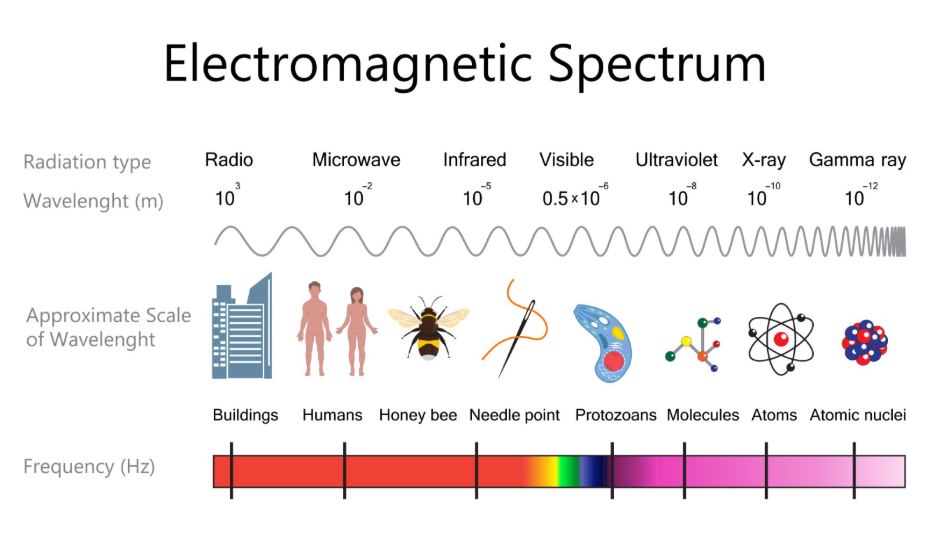
In the UK, the Health and Safety Executive (HSE) enforces rigorous standards to ensure that exposure levels for these workers remain well below the thresholds that would typically lead to DNA mutations in brain cells. Regular health monitoring and the use of personal protective equipment are mandatory for individuals in these high-risk environments. For the vast majority of the British workforce, everyday radiation from devices or background sources does not reach the levels required to influence tumour development. This integrated system of regulation and clinical surveillance ensures that even in professions with potential exposure, the risk is managed proactively to preserve long-term health and safety.
Industries Subjected to Clinical Research
Several industries have been the focus of clinical research to determine if exposure to specific chemicals, electromagnetic fields, or industrial processes correlates with a higher incidence of brain tumours. These include the agricultural, petroleum, and chemical manufacturing sectors, where workers may come into contact with various solvents or pesticides. However, large-scale studies in the United Kingdom and internationally have generally failed to find a consistent or conclusive link between these specific roles and the development of primary intracranial masses.
| Industry | Potential Factors Studied | Current Scientific Standing in UK |
| Agriculture | Pesticides and fertilisers. | No consistent causal link identified. |
| Healthcare | Medical radiation; viruses. | High-dose radiation is a risk; managed via HSE. |
| Petrochemical | Solvents and refined products. | Limited evidence; ongoing surveillance exists. |
| Construction | Mineral dusts and chemicals. | No proven link to brain tumours found. |
In the UK, the occupational health framework ensures that any potential clusters of disease within an industry are investigated by public health authorities. Despite decades of investigation, the consensus remains that the vast majority of brain tumours occur due to spontaneous genetic mutations that are not related to a person’s professional duties. Factual clarity helps reduce anxiety for workers in industrial sectors, ensuring they can focus on standard health and safety protocols rather than unproven medical fears. The UK healthcare system continues to monitor population-wide data to ensure that any new trends in occupational health are identified promptly.
Office Technology and Neurological Health
There are many public concerns regarding the impact of office-based technology, such as mobile phones, Wi-Fi, and computer monitors, on brain tumour risk, but current UK clinical evidence does not support these as causes. Extensive research into non ionising radiation the type emitted by most everyday technology has consistently shown that it does not possess enough energy to damage the DNA within brain cells. The GOV.UK health pages provide clinical profiles indicating that extensive research has not found a link between mobile phone use and an increased risk of brain tumours.
The blood-brain barrier and the skull provide a significant level of protection against many external environmental factors. For the millions of office workers in the United Kingdom who spend their day using digital technology, there is no medical requirement to limit usage specifically to prevent tumours. Standard workplace health advice instead focuses on preventing musculoskeletal issues, such as eye strain or repetitive strain injury. The NHS remains committed to evidence-led guidance, ensuring that public health advice is based on robust scientific data rather than speculative theories. By sticking to these facts, workers can navigate their professional environments with confidence in their long-term neurological health.
The Role of the Health and Safety Executive (HSE)
The Health and Safety Executive (HSE) is the national regulator for workplace health and safety in Great Britain, playing a vital role in protecting employees from any occupational hazards that could potentially impact their long-term wellbeing. This involves setting strict limits on chemical exposures and radiation levels in industrial settings, which is essential for preventing a wide range of health conditions.
The HSE framework includes:
- Risk Assessments: Requiring employers to identify and mitigate any potential health hazards.
- Exposure Limits: Setting legal boundaries for the use of industrial chemicals and radiation.
- Safety Training: Ensuring workers understand how to handle hazardous materials safely.
- Health Surveillance: Implementing regular check-ups for employees in specific industrial roles.
This regulatory safety net ensures that any theoretical risks in a profession are managed according to the “precautionary principle.” In the UK, if a workplace environment is found to be unsafe, the HSE has the authority to enforce changes and protect the workforce. This proactive management is a cornerstone of the UK’s approach to occupational health, ensuring that the burden of safety rests with the employer and the state rather than the individual worker. By adhering to these standards, the United Kingdom maintains one of the highest levels of workplace safety in the world.
Managing Neurological Health for All Workers
Regardless of their profession, all individuals in the United Kingdom have access to the same high standard of neurological health management through the NHS. The healthcare system prioritises the investigation of new or progressive symptoms such as persistent headaches, vision changes, or new seizures, which are the primary indicators used to detect a brain tumour.
Key aspects of managing neurological health include:
- GP Consultations: Discussing any new or concerning symptoms promptly.
- Specialist Referrals: Accessing neurosurgery and oncology through the 28-day faster diagnosis standard.
- Symptom Awareness: Noting changes in coordination, memory, or physical strength.
- Integrated Support: Using multidisciplinary teams to coordinate care and recovery.
The UK healthcare framework ensures that your occupation does not determine the quality or speed of your care. Early detection remains the most effective strategy for managing brain tumours, and the NHS provides a consistent pathway for diagnostic imaging and specialist review. By focusing on symptom awareness rather than occupational anxiety, workers in all sectors can ensure their neurological health is protected. This integrated approach provides a safety net for the entire population, focusing on medical facts and rapid clinical intervention.
Conclusion
There is no definitive evidence that brain tumours are more common in certain professions, with the vast majority of cases occurring sporadically across the UK population. While high-dose ionising radiation is a recognised risk factor in specific industrial settings, it is strictly regulated by the Health and Safety Executive to ensure worker safety. Extensive research into office technology and various industrial chemicals has failed to find a consistent causal link to tumour development. The NHS focuses on early detection through symptom awareness and provides a structured clinical pathway for all workers regardless of their industry. Maintaining general health and following workplace safety protocols remains the most effective way to support your long-term wellbeing. If you experience severe, sudden, or worsening symptoms, call 999 immediately.
Can my job as an electrician increase my risk due to electromagnetic fields?
Current UK medical evidence does not show a consistent link between professional exposure to low-level electromagnetic fields and brain tumours.
Is there a higher risk for pilots due to cosmic radiation?
Pilots are monitored for radiation exposure, but studies have not proven that they have a significantly higher risk of primary brain tumours compared to the general public.
What should I do if I work with industrial chemicals and am worried?
You should follow all HSE safety protocols provided by your employer and speak to your GP if you have specific neurological concerns.
Are doctors or nurses at higher risk due to hospital radiation?
Medical professionals use shielding and dosimeters to ensure their exposure remains within very safe legal limits, protecting their long-term health.
Can stress in my high-pressure job cause a brain tumour?
No; there is no scientific evidence that professional stress causes the genetic mutations required for a brain tumour to develop.
Should I avoid using Wi-Fi at work to stay safe?
No; Wi-Fi uses non-ionising radiation which does not have enough energy to damage brain cells or cause tumours according to UK health findings.
How does the HSE decide which chemicals are dangerous?
The HSE uses scientific research and international data to set “Workplace Exposure Limits” for substances known to impact human health.
Authority Snapshot (E-E-A-T)
This article provides medically factual health education regarding occupational risks and brain tumours, strictly aligned with NHS and NICE clinical guidelines. The content is developed by a professional medical writing team and reviewed by Dr. Rebecca Fernandez, a UK-trained physician with experience in general surgery, emergency medicine, and psychiatry. All information follows current UK public health protocols and HSE standards to ensure clinical accuracy and patient safety.



