




Pancreatitis is a condition characterised by inflammation of the pancreas, and while it can theoretically affect individuals of any age or gender, the underlying causes and frequency of the condition often follow specific demographic patterns. The pancreas is a vital organ located behind the stomach that produces digestive enzymes and hormones like insulin. When these enzymes become active prematurely within the organ, they cause irritation and swelling. In the United Kingdom, healthcare professionals observe that the primary triggers for this inflammation, such as gallstones or alcohol consumption, often correlate with certain life stages or lifestyle habits. However, less common causes, including viral infections, genetic predispositions, and physical trauma, mean that children and young adults are not entirely immune to the condition. Understanding how risk profiles shift across different populations is essential for early recognition of symptoms and effective clinical management. By adhering to the evidence based frameworks provided by the NHS and the National Institute for Health and Care Excellence, patients can better understand their personal health risks. This article examines the prevalence of pancreatitis across different ages and genders and identifies the various factors that contribute to pancreatic inflammation within the UK medical landscape.
What We’ll Discuss in This Article
- Prevalence and common causes of pancreatitis in adults
- How gender influences the likelihood of specific triggers
- The rare occurrence and causes of pancreatitis in children
- The impact of age on gallbladder related inflammation
- Genetic and autoimmune factors that affect all demographics
- Lifestyle choices that influence risk regardless of age
- UK clinical pathways for assessing diverse patient groups
Pancreatitis can affect anyone at any age, although it is most commonly diagnosed in adults and the primary cause often differs between men and women
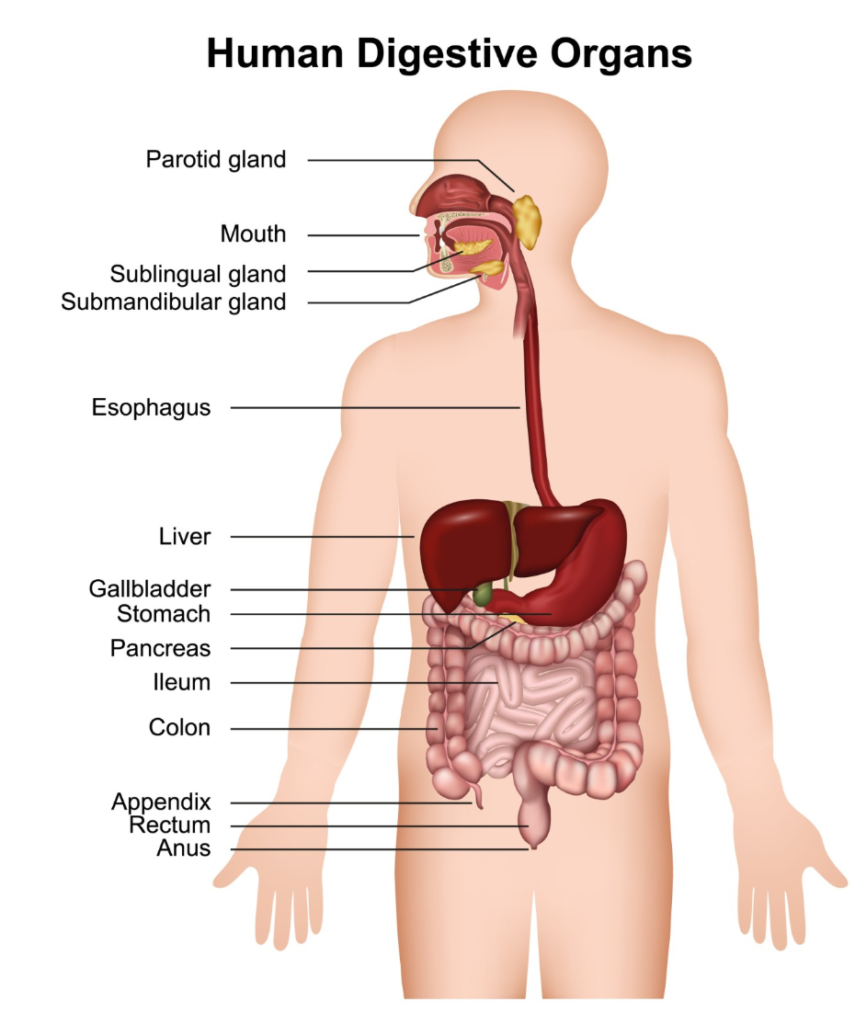
In the United Kingdom, statistics show that the majority of hospital admissions for pancreatic inflammation involve adults, yet the condition remains a clinical possibility for younger populations. Pancreatitis is inflammation of the pancreas, a small organ located behind the stomach that helps with digestion. While the biological process of inflammation is the same across all groups, the “trigger” is often demographic dependent. For example, older adults are more likely to experience inflammation due to gallstones, whereas middle aged adults may be more frequently affected by alcohol related issues. In rare cases, infants and children may develop the condition due to structural abnormalities or infections, demonstrating that the pancreas can become inflamed at any point in the human lifespan.
Gender differences in pancreatitis triggers
Clinical data in the UK suggests that while the overall risk is present for both genders, the specific cause of an acute episode often varies between men and women. Women are statistically more likely to develop acute pancreatitis as a complication of gallstones, particularly during middle age or later life. This is often linked to hormonal factors that increase the risk of stone formation. Conversely, men are more frequently diagnosed with pancreatitis related to long term alcohol consumption. Drinking large amounts of alcohol over many years is a common cause of chronic pancreatitis, and this tends to affect men more often than women in the UK. However, as lifestyle habits evolve, healthcare providers are observing a shift in these traditional gender patterns, emphasising the need for comprehensive screening for all patients presenting with abdominal pain.
Pancreatitis in the paediatric population
Although pancreatitis is significantly less common in children than in adults, it is a recognised paediatric health concern in the UK. In children, the causes are rarely related to alcohol or gallstones; instead, inflammation is often the result of blunt abdominal trauma, such as a fall or a bicycle accident, or viral infections like the mumps. Some children may also be born with structural issues in their bile or pancreatic ducts that prevent proper drainage, leading to pressure buildup and inflammation.
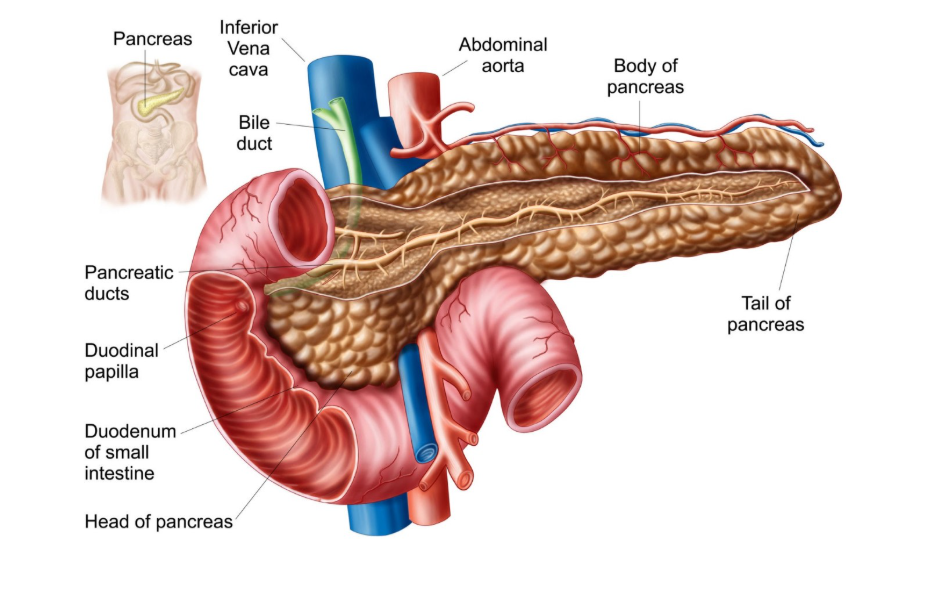
Acute pancreatitis is where the pancreas becomes inflamed over a short period of time, and in children, this is often managed by specialist paediatric gastroenterology teams. Because children may not be able to describe the characteristic radiating pain as clearly as adults, UK clinicians remain vigilant for signs of persistent vomiting and abdominal distress in younger patients.
The role of age and gallbladder health
The risk of developing gallstones increases with age, which directly impacts the incidence of acute pancreatitis in the elderly UK population. As the body ages, bile chemistry can change, and the gallbladder may become less efficient at emptying, leading to the formation of stones. If a small stone migrates and blocks the pancreatic duct, it triggers a sudden inflammatory response. This makes gallstone related pancreatitis a primary concern for patients over the age of sixty. NHS diagnostic pathways for older adults presenting with upper abdominal pain almost always include an ultrasound scan to check for stones, as treating the underlying gallbladder issue is essential for preventing recurring episodes of pancreatic inflammation.
Genetic and autoimmune factors across all ages
There are specific types of pancreatitis that are determined by a person’s genetic makeup or immune system rather than their age or gender. Hereditary pancreatitis is a rare genetic condition where a mutation causes digestive enzymes to become active too easily; this form of the disease often presents in childhood or early adulthood and can lead to chronic damage over time. Similarly, autoimmune pancreatitis, where the body’s immune system attacks the pancreatic tissue, can affect individuals across a wide age range. These cases require specialised management in the UK, often involving steroid treatment or long term monitoring. Because these causes are independent of typical lifestyle factors, they reinforce the fact that pancreatic health must be considered for any patient with suggestive symptoms, regardless of their demographic profile.
Comparison of Common Causes by Demographic
| Demographic Group | Most Common Cause | Typical Clinical Presentation |
| Children | Trauma or viral infection | Sudden abdominal pain, vomiting |
| Adult Women | Gallstones | Sharp pain in upper right abdomen |
| Adult Men | Alcohol consumption | Sudden, severe pain below breastbone |
| Elderly | Gallstones or biliary issues | Pain radiating to the back, jaundice |
| Any Age/Gender | Genetics or Autoimmune | Persistent or recurring inflammation |
Lifestyle factors and universal risk
Regardless of a person’s age or gender, certain lifestyle choices can significantly influence their risk of developing pancreatic inflammation. Smoking is a major risk factor for both chronic pancreatitis and pancreatic cancer across all populations. Furthermore, a diet very high in fats can lead to high triglyceride levels, which is a known trigger for acute episodes. In the United Kingdom, public health advice focuses on the importance of a balanced diet and smoking cessation to protect pancreatic function. While age and gender provide a statistical context for risk, clinicians emphasise that maintaining metabolic health is a universal priority for preventing the sudden and potentially life threatening inflammation of the pancreas.
Conclusion
Pancreatitis can affect anyone regardless of their age or gender, although the most common causes shift from trauma in children to gallstones and alcohol in adults. While women are more prone to gallstone related episodes and men to alcohol related ones, these patterns are not absolute. Genetic and autoimmune factors can cause inflammation in any individual at any stage of life. Following official UK clinical guidance ensures that all patients receive an accurate diagnosis based on their specific symptoms and history. If you experience severe, sudden, or worsening symptoms, call 999 immediately.
Can teenagers get pancreatitis?
Yes, while rare, teenagers can develop pancreatitis due to injury, infections, or underlying genetic conditions.
Is pancreatitis hereditary?
Some forms of the condition are linked to genetic mutations and can run in families, often appearing at a younger age.
Why are men more at risk of chronic pancreatitis?
Statistically, men in the UK have historically had higher rates of heavy, long term alcohol consumption, which is the primary driver of chronic scarring.
Does a healthy lifestyle guarantee I won’t get it?
While it significantly reduces the risk related to alcohol and gallstones, it cannot prevent cases caused by trauma or genetics.
Can babies be born with pancreatitis?
It is extremely rare, but infants can be born with structural defects in their ducts that cause inflammation shortly after birth.
Is age a factor in how severe the condition is?
Older adults may have a higher risk of complications due to other underlying health issues, but severe inflammation can happen at any age.
Does pregnancy increase the risk for women?
Pregnancy can increase the risk of gallstones, which indirectly raises the risk of acute pancreatitis for some women.
Authority Snapshot (E-E-A-T Block)
This article was developed by the Medical Content Team to provide clear education on the demographic risks associated with pancreatic inflammation. The content has been reviewed by Dr. Rebecca Fernandez, a UK-trained physician with experience in general surgery and emergency medicine, to ensure absolute alignment with NHS and NICE clinical guidance. Our purpose is to help the public understand this condition through factual and restrained reporting.



