




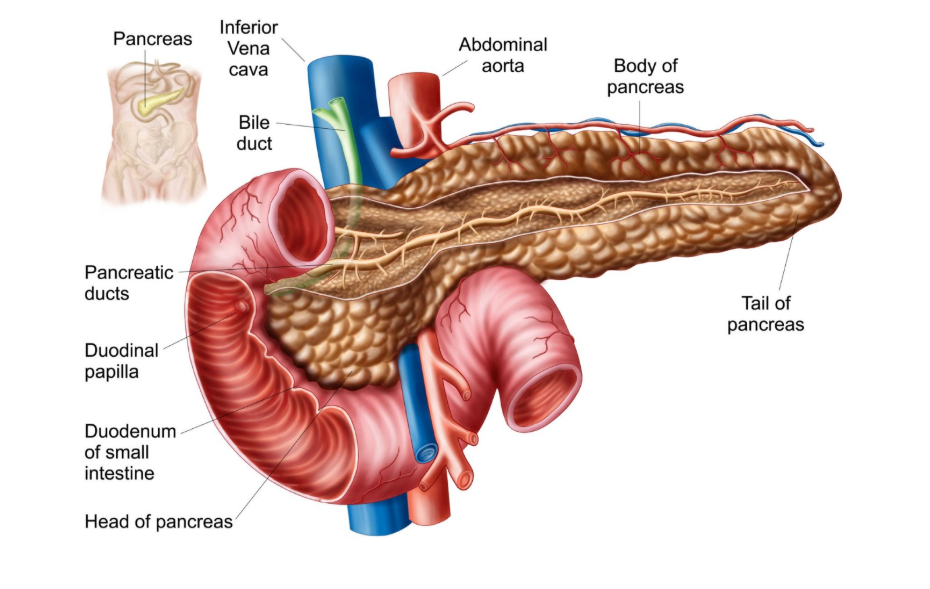
Pancreatitis is a condition characterised by inflammation of the pancreas, and while most cases in the United Kingdom are linked to lifestyle factors or gallstones, a significant minority of cases are influenced by genetics. The pancreas is a vital organ located behind the stomach that produces digestive enzymes and hormones like insulin. When the inflammation is caused by inherited genetic mutations, it is referred to as hereditary pancreatitis. This form of the disease often presents much earlier in life than other types and involves repeated episodes of acute inflammation that can eventually lead to chronic, permanent damage. In the UK, identifying a family history of pancreatic issues is an essential part of the clinical assessment process, as it changes how the condition is monitored and managed over the long term. Families affected by these genetic markers often require specialist care from gastroenterology teams who understand the progression of hereditary conditions. By following established NHS and NICE frameworks, healthcare providers can offer genetic counselling and structured screening to those at risk. Understanding the role of genetics in pancreatic health helps patients navigate their care with a focus on long term prevention and the management of complications such as malabsorption or diabetes.
What We’ll Discuss in This Article
- The biological definition of hereditary pancreatitis
- Common genetic mutations identified in UK patients
- Patterns of inheritance and how the risk is passed through families
- Identifying symptoms of early onset pancreatic inflammation
- The role of genetic testing and clinical screening in the UK
- Long term management and monitoring for complications
- Lifestyle adjustments for individuals with a family predisposition
Pancreatitis can be hereditary and run in families if specific genetic mutations are passed from parents to their children, leading to a condition called hereditary pancreatitis

In the United Kingdom, hereditary pancreatitis is recognised as a rare but important cause of recurring pancreatic inflammation that often begins in childhood or early adulthood. Pancreatitis is inflammation of the pancreas, which can sometimes be caused by an inherited genetic fault. This genetic predisposition means that the digestive enzymes within the pancreas are more likely to become active prematurely, leading to the organ attacking its own tissue. Unlike cases caused by gallstones or alcohol, hereditary forms are characterised by their early onset and the high likelihood that multiple family members will be affected by similar abdominal symptoms over several generations.
Genetic mutations associated with the condition
Several specific genes have been identified that, when mutated, can significantly increase the risk of developing pancreatitis. The most well known of these is the PRSS1 gene, which provides instructions for making a protein called trypsinogen. In healthy individuals, trypsinogen is converted into the active enzyme trypsin only after it reaches the small intestine. However, mutations in this gene can cause trypsin to become active while still inside the pancreas, or prevent it from being deactivated once it has served its purpose. Other genes, such as SPINK1 and CFTR, are also monitored in the UK as they can contribute to a person’s overall susceptibility to inflammation, especially when combined with other environmental or lifestyle factors.
Patterns of inheritance and family risk
The way hereditary pancreatitis is passed through a family depends on the specific gene involved and whether the mutation is dominant or recessive. Autosomal dominant inheritance means that a child only needs to inherit one copy of the mutated gene from one parent to be at risk of the condition. In these families, the condition often appears in every generation. In other instances, a person may carry a “modifier” gene that increases their risk but does not guarantee they will develop the disease unless other triggers are present. According to the National Institute for Health and Care Excellence, a family history of two or more first degree relatives with pancreatitis should prompt a clinical review for hereditary factors.
Clinical presentation in hereditary cases
Individuals with a genetic predisposition to pancreatitis often experience their first acute episode before the age of twenty, which is much younger than the typical age for gallstone or alcohol related cases. These episodes of acute inflammation are often severe and involve intense pain in the upper abdomen that radiates to the back. Over time, these recurring attacks lead to the development of chronic pancreatitis, where the organ becomes permanently scarred. Chronic pancreatitis is where the pancreas has been permanently damaged from inflammation over many years, which is a common progression in hereditary cases. Symptoms such as oily stools, weight loss, and the development of diabetes may occur earlier in life for these patients due to the progressive nature of the genetic damage.
Comparison of Hereditary and Lifestyle-Related Pancreatitis
| Feature | Hereditary Pancreatitis | Lifestyle-Related Pancreatitis |
| Typical Age of Onset | Childhood or young adulthood | Usually over the age of 30 or 40 |
| Primary Cause | Genetic mutations (e.g., PRSS1) | Gallstones or alcohol consumption |
| Family History | Often multiple affected relatives | Usually no specific genetic pattern |
| Progression | High risk of chronic damage | May resolve if trigger is removed |
| Long-Term Risk | Increased risk of pancreatic cancer | Variable risk based on lifestyle |
Genetic testing and screening in the UK
In the United Kingdom, genetic testing for pancreatitis is typically conducted in specialist centres following a referral from a gastroenterologist. Testing is usually considered if a patient has recurring unexplained pancreatitis or a strong family history of the disease. The process involves a simple blood test to look for known mutations. If a mutation is found, other family members may be offered testing and counselling to help them understand their own risk. Regular screening is often part of the long term care plan for these families, focusing on monitoring the function of the pancreas and checking for early signs of complications. This proactive approach allows for early intervention with enzyme replacement therapy and blood sugar management.
Long term management and lifestyle adjustments
While the underlying genetic fault cannot be changed, individuals with hereditary pancreatitis can take steps to manage their symptoms and reduce the severity of attacks. In the UK, clinical advice emphasises the complete avoidance of alcohol and smoking, as these factors significantly accelerate the rate of organ damage in genetically predisposed individuals. A low fat diet and staying well hydrated are also essential for reducing the workload on the pancreas. Because hereditary pancreatitis carries an increased long term risk of pancreatic cancer, patients are often enrolled in surveillance programmes to monitor the organ using regular imaging. This comprehensive management plan ensures that patients receive the support needed to maintain their quality of life despite their genetic risk.
Conclusion
Pancreatitis can be hereditary and run in families due to genetic mutations that cause the premature activation of digestive enzymes. This form of the condition is characterised by an early age of onset and a high risk of progression to chronic organ damage. In the UK, specialist gastroenterology teams provide genetic testing and long term monitoring for affected families. Following a healthy lifestyle and avoiding triggers like smoking and alcohol is vital for those with a genetic predisposition. If you experience severe, sudden, or worsening symptoms, call 999 immediately.
What should I do if my parent has chronic pancreatitis?
You should discuss your family history with your GP, who can determine if your parent’s condition was related to lifestyle or if there is a reason to investigate genetic factors.
Does having the gene mean I will definitely get pancreatitis?
Not necessarily; some genetic mutations have what is called “reduced penetrance,” meaning some people carry the gene but never actually develop the disease.
Can genetic testing be done during pregnancy?
Genetic testing for adult onset conditions is complex; in the UK, this is managed by specialist clinical genetics services who provide detailed counselling.
Is there a cure for hereditary pancreatitis?
There is no cure for the underlying genetic mutation, but the symptoms and complications can be managed effectively with medication and lifestyle changes.
Are children with the gene at risk of diabetes?
If the child experiences frequent inflammation that scars the pancreas, they are at a higher risk of developing diabetes as they get older.
Will my children definitely have the condition if I have it?
If the condition is autosomal dominant, there is a fifty percent chance of passing the gene to each child, but whether they develop symptoms can vary.
Why is smoking so dangerous for people with hereditary pancreatitis?
Smoking is a significant risk factor that speeds up the scarring of the pancreas and further increases the already elevated risk of pancreatic cancer in these patients.
Authority Snapshot (E-E-A-T Block)
This article was developed by the Medical Content Team to provide clear education on the genetic aspects of pancreatic disease. The content has been reviewed by Dr. Rebecca Fernandez, a UK-trained physician with experience in general surgery and emergency medicine, to ensure absolute alignment with NHS and NICE clinical guidance. Our purpose is to help families understand inherited risks through factual and restrained reporting.



