




Maintaining gallbladder health is largely dependent on consistent dietary habits and metabolic management that prevent the chemical imbalances leading to stone formation. The gallbladder serves as a storage organ for bile, a fluid produced by the liver that is essential for the breakdown of dietary fats. When the components of bile, particularly cholesterol and bilirubin, become poorly balanced, solid crystals can form and eventually develop into gallstones. In the United Kingdom, healthcare professionals emphasise that long-term biliary health is not achieved through short-term “cleanses” but rather through a sustained lifestyle that supports efficient liver function and regular gallbladder emptying. By adhering to established nutritional frameworks and maintaining a healthy body weight, individuals can significantly reduce the risk of developing symptomatic gallbladder disease or inflammation. Understanding the biological triggers that cause gallbladder distress allows patients to make proactive choices that support their digestive system throughout their lives. Following official guidance from the NHS and the National Institute for Health and Care Excellence ensures that these preventative measures are safe and aligned with current medical evidence.
What We’ll Discuss in This Article
- The biological relationship between bile chemistry and stone prevention
- Why dietary fibre is a cornerstone of long-term gallbladder health
- The role of healthy weight management in reducing cholesterol saturation
- How regular physical activity supports gallbladder motility
- Identifying and managing dietary triggers to prevent biliary colic
- The impact of hydration and regular meal patterns on bile flow
- Clinical recommendations for maintaining biliary wellness in the UK
A balanced diet and healthy lifestyle are highly effective at maintaining gallbladder health because they support the chemical solubility of bile and encourage regular organ function
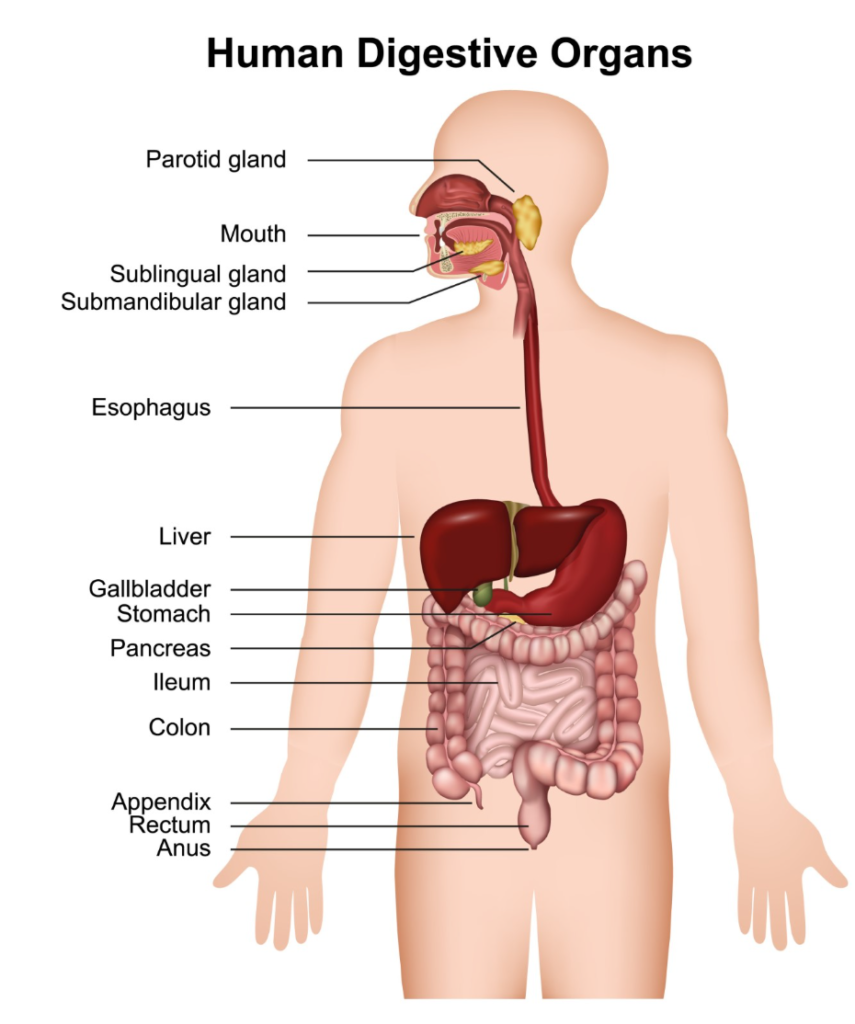
The primary mechanism for keeping the gallbladder healthy involves ensuring that the cholesterol secreted by the liver remains in a liquid state. A healthy, balanced diet and maintaining a healthy weight are recommended to help prevent gallstones and keep the gallbladder functioning correctly. When an individual consumes a diet high in fibre and low in saturated fats, the liver produces bile with a lower concentration of cholesterol. This prevents the supersaturation that leads to the formation of solid crystals. Additionally, a healthy lifestyle ensures that the gallbladder contracts and empties its contents regularly, which prevents the stagnation of bile that often serves as a precursor to stone formation or inflammation.
The importance of high fibre intake for biliary health
Dietary fibre is essential for the long-term health of the gallbladder because it helps to regulate the levels of bile acids and cholesterol in the digestive tract. Fibre binds to bile salts in the intestines, encouraging their excretion and prompting the liver to use up more cholesterol to produce fresh bile. According to the National Institute for Health and Care Excellence, a diet high in fibre and wholegrains is recommended to help maintain a healthy gallbladder. By choosing wholemeal bread, brown rice, oats, and pulses, individuals can maintain a better metabolic balance. This process lowers the overall saturation of the bile stored in the gallbladder, making it much less likely for stones to develop over time.
Managing body weight safely to prevent stones
While maintaining a healthy weight is protective, the method of weight management is a critical factor in gallbladder health. Being overweight increases the amount of cholesterol in the bile, which is a major risk factor for gallstones. However, losing weight too quickly can also cause stones to form because the liver releases extra cholesterol during rapid fat breakdown. Rapid weight loss can increase your risk of developing gallstones, so it is important to lose weight gradually at a rate of about 1 to 2 pounds a week. A sustainable approach to weight management ensures that the gallbladder is not overwhelmed by sudden chemical shifts, allowing it to remain healthy while the body transitions to a lower mass.
The role of regular physical activity in gallbladder motility
Physical activity supports the gallbladder by improving metabolic health and encouraging the mechanical emptying of the organ. Regular exercise helps to lower triglycerides and may improve the sensitivity of the gallbladder to the hormones that trigger its contraction. For adults in the UK, the recommendation is to aim for at least 150 minutes of moderate-intensity activity, such as brisk walking, every week. This consistent movement helps prevent “biliary stasis,” where bile remains in the gallbladder for too long and becomes overly concentrated. An active lifestyle also supports healthy bowel movements, which is closely linked to the efficient recycling and excretion of bile components.
Comparison of Dietary Fats and Their Biliary Impact
| Fat Type | Impact on Gallbladder | Examples |
| Saturated Fats | Increases cholesterol and demand for bile | Butter, lard, fatty meats, cream |
| Trans Fats | Highly inflammatory; increases stone risk | Processed snacks, many takeaway foods |
| Unsaturated Fats | Necessary in moderation for emptying | Olive oil, avocados, oily fish, nuts |
Hydration and the consistency of bile
Staying well-hydrated is a simple but vital part of long-term gallbladder health because water is the primary component of bile fluid. When the body is dehydrated, the bile can become thicker and more viscous, making it harder for the gallbladder to expel it completely. This thickened bile, often called biliary sludge, can cause irritation or lead to the development of larger stones. Following the NHS recommendation of drinking 6 to 8 glasses of fluid a day ensures that the bile remains at a consistency that flows easily through the ducts. Water is the preferred fluid choice as it contains no fats or sugars that could otherwise complicate metabolic health.
The benefit of consistent meal patterns
The timing of meals influences how the gallbladder functions throughout the day. Skipping meals, particularly breakfast, can lead to bile sitting in the gallbladder for long periods without being used. This stagnation allows more time for cholesterol to crystallise. Eating regular, balanced meals ensures that the gallbladder is stimulated to empty frequently, which keeps the biliary system “flushed” and reduces the opportunity for debris to accumulate. In the UK, healthcare professionals suggest that maintaining a steady rhythm of eating supports the body’s natural digestive cycles and prevents the large, heavy meals that often precede a gallbladder attack.
Conclusion
A balanced diet high in fibre and low in saturated fats, combined with a healthy weight and regular exercise, is the best way to maintain gallbladder health in the long term. These lifestyle choices prevent the supersaturation of bile and ensure the organ empties its contents regularly. Avoiding rapid weight loss and staying well-hydrated are also essential preventative strategies. Following official UK health guidelines provides a safe and evidence-based pathway for long-term biliary wellness. If you experience severe, sudden, or worsening symptoms, call 999 immediately.
Can I prevent gallstones if they run in my family?
While genetics are a factor, a healthy diet and lifestyle can significantly lower your individual risk of developing stones or complications.
Is coffee good for the gallbladder?
Some research suggests that moderate coffee consumption may be protective, but it is not currently a primary NHS recommendation for gallbladder health.
Can a low-fat diet actually cause gallstones?
A diet that is extremely low in fat can cause the gallbladder to empty less frequently, which might lead to bile stagnation and stone formation.
How does fibre specifically help my gallbladder?
Fibre helps by binding to bile salts in the gut, which encourages the liver to use more cholesterol to make new bile, lowering the concentration in the gallbladder.
Should I use a gallbladder “flush” to stay healthy?
No, there is no clinical evidence that “flushes” work, and they can be dangerous; the NHS recommends balanced nutrition instead.
Are eggs safe for long-term gallbladder health?
Eggs can be part of a healthy diet, but because they contain fat, people with existing stones should consume them in moderation.
Does alcohol affect gallstone risk?
Some studies suggest very moderate alcohol intake might lower risk, but high consumption can lead to liver issues which negatively impact the gallbladder.
Authority Snapshot (E-E-A-T Block)
This article was developed by the Medical Content Team to provide clear education on the long-term maintenance of gallbladder health. The content has been reviewed by Dr. Rebecca Fernandez, a UK-trained physician with experience in general surgery and internal medicine, to ensure absolute alignment with NHS and NICE clinical guidance. Our purpose is to help the public understand preventative health measures through factual and restrained reporting.



