
Bowel cancer is a general term for cancer that begins in the large bowel, which is made up of the colon and the rectum. It is one of the most common types of cancer diagnosed in the United Kingdom, predominantly affecting older adults, though it can occur at any age. Most bowel cancers develop from small growths on the inner lining of the colon or rectum called polyps, which may become cancerous over several years if not identified and removed. Understanding the nature of this condition and its early warning signs is essential for improving health outcomes through timely medical intervention.
What We’ll Discuss in This Article
- The definition and anatomical locations of bowel cancer.
- Common symptoms and when to seek medical advice.
- Known risk factors and the role of lifestyle choices.
- The importance of the UK national bowel cancer screening programme.
- How the condition is typically investigated and staged.
- An overview of the primary treatment pathways available.
Anatomy and Types of Bowel Cancer
Bowel cancer, also known as colorectal cancer, occurs when abnormal cells in the colon or rectum grow and divide in an uncontrolled way. The large bowel is the final part of the digestive system and is divided into the colon, which is approximately five feet long, and the rectum, which is the final several inches leading to the anus. Cancer can develop in any part of these structures, with the majority of cases occurring in the sigmoid colon or the rectum.
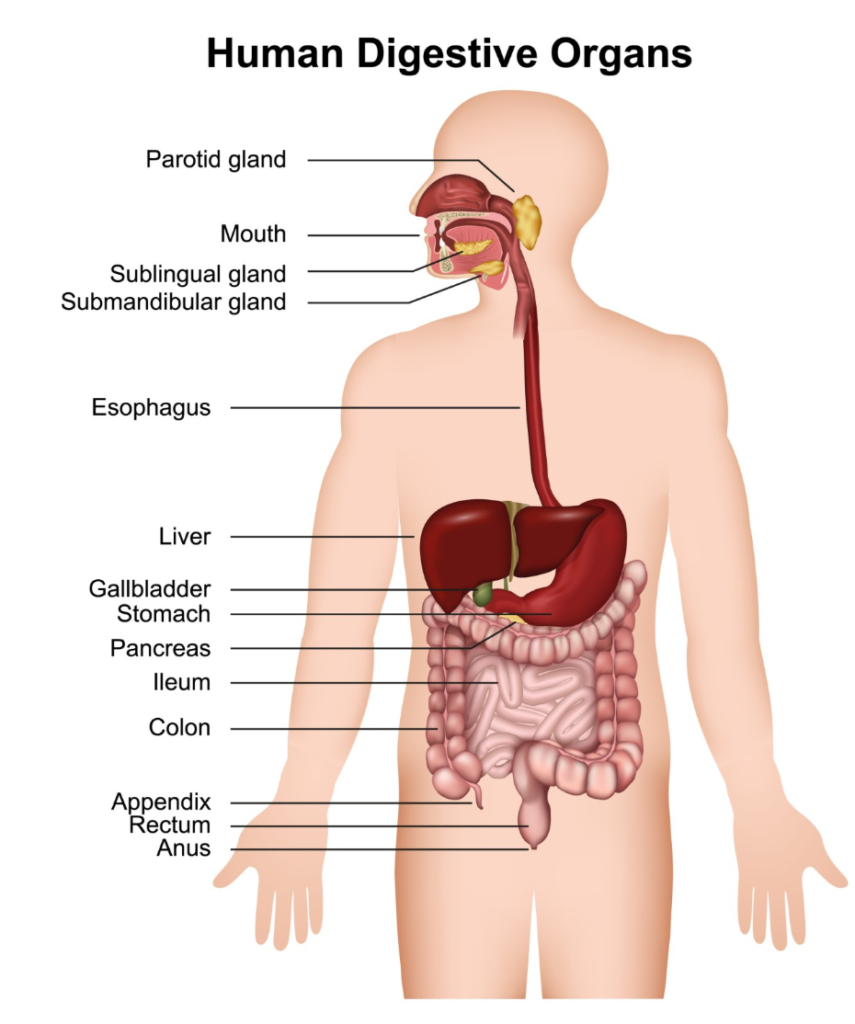
Most bowel cancers are adenocarcinomas, which start in the glandular cells that produce mucus to line the inside of the bowel. Because the bowel is a hollow muscular tube, a growing tumour can eventually cause a partial or complete blockage, affecting how waste passes through the body. Bowel cancer is a major health concern in the UK, and early detection is the most significant factor in successful management and recovery.
Common Symptoms and Clinical Presentation
Bowel cancer often presents with persistent changes in toilet habits or the appearance of blood in the stools. While many of these symptoms can be caused by less serious conditions like haemorrhoids or irritable bowel syndrome, any change that lasts for three weeks or more should be assessed by a healthcare professional. Clinical assessment focuses on the duration and combination of symptoms to determine the necessity of further investigation.
Commonly reported symptoms include blood in the stools without a clear cause, a persistent change in bowel habit such as going more frequently or having looser stools, and unexplained abdominal pain or bloating. Some individuals may also experience extreme tiredness or weight loss, which can be linked to anaemia caused by hidden bleeding from a tumour. It is important to note that early-stage bowel cancer may not cause any noticeable symptoms, which is why screening is so important for those in eligible age groups.
Risk Factors and Prevention
Several factors can increase a person’s likelihood of developing bowel cancer, ranging from genetic predispositions to daily lifestyle habits. Age is a primary factor, with the majority of cases diagnosed in people over the age of 50. Family history also plays a role; individuals with a close relative who has had bowel cancer may have a higher risk, especially if the relative was diagnosed at a young age or if there is a known hereditary condition like Lynch syndrome.
Lifestyle choices are significant modifiable risk factors that impact the health of the large bowel. NICE guidelines highlight that a diet high in red and processed meats and low in fibre can increase the risk of developing bowel cancer over time. Other factors include being overweight or obese, lack of regular physical activity, high alcohol consumption, and smoking. Managing these factors through a balanced diet and regular exercise can help lower the overall risk, though it does not eliminate it entirely.
The Role of National Screening Programmes
The UK offers a national bowel cancer screening programme designed to detect the condition at an early stage when it is easier to treat. In England, people aged 54 to 74 are currently sent a home test kit every two years, with the programme gradually expanding to include everyone aged 50 and over. The test, known as a Faecal Immunochemical Test (FIT), looks for tiny amounts of blood in a stool sample that are not visible to the naked eye.
If blood is detected, further investigations such as a colonoscopy are offered to check the lining of the bowel. Screening is effective because it can identify polyps before they turn into cancer or find cancer at a stage before symptoms even begin. Participation in the screening programme is highly encouraged by health authorities as it is proven to save lives through early detection and the removal of precancerous growths.
Diagnostic Investigations and Staging
When bowel cancer is suspected, clinicians use a variety of tests to confirm the presence of a tumour and determine its size and location. A colonoscopy is the gold standard investigation, involving a thin, flexible tube with a camera that allows doctors to see the entire length of the large bowel. During this procedure, a small sample of tissue, called a biopsy, can be taken for laboratory analysis to check for cancer cells.
Once a diagnosis is confirmed, staging is used to describe how far the cancer has spread. This often involves further scans, such as a CT or MRI, to see if the cancer is confined to the bowel wall or if it has reached nearby lymph nodes or other organs like the liver. Correct staging is essential for the multidisciplinary team to create a personalised treatment plan that is appropriate for the specific stage and location of the cancer.
Overview of Treatment Pathways
The treatment for bowel cancer in the UK is managed by a multidisciplinary team and typically involves surgery, sometimes combined with chemotherapy or radiotherapy. Surgery is the most common treatment and involves removing the section of the bowel containing the cancer and joining the healthy ends back together. In some cases, a stoma may be required, where the end of the bowel is brought out through an opening in the abdomen into a bag, which can be temporary or permanent.
Chemotherapy uses drugs to kill cancer cells and may be given before surgery to shrink a tumour or after surgery to reduce the risk of the cancer returning. Radiotherapy, which uses high-energy rays, is more commonly used for rectal cancer to target cells in a specific area. The choice of treatment depends on the stage of the cancer, its location, and the general health of the patient, with the primary goal always being the complete removal of the cancer where possible.
Conclusion
Bowel cancer is a significant but often treatable condition if identified early through symptom awareness and regular screening. By understanding the common signs, such as persistent changes in bowel habits or blood in the stools, and managing lifestyle risk factors, individuals can take proactive steps toward their health. Continued participation in national screening programmes remains the most effective way to detect the condition at its most manageable stage. If you experience severe, sudden, or worsening symptoms, call 999 immediately.
Is bowel cancer the same as colon cancer?
Bowel cancer is an umbrella term that includes both colon cancer and rectal cancer, depending on where the tumour starts in the large intestine.
Can I have bowel cancer without seeing any blood?
Yes, some tumours bleed only slightly or not at all, which is why a change in bowel habit or unexplained tiredness can also be important signs.
What is a polyp?
A polyp is a small growth on the inner lining of the bowel; while most are harmless, some can slowly turn into cancer over several years.
Does bowel cancer run in families?
Most cases are not inherited, but having a first-degree relative with the condition can increase your risk, and you should discuss this with your healthcare provider.
What is a FIT test?
The Faecal Immunochemical Test is a simple home kit used in the UK screening programme to detect hidden blood in a small stool sample.
Does a change in bowel habit always mean cancer?
No, changes can be caused by many things like diet, stress, or other conditions, but it is important to have any change lasting over three weeks checked by a doctor.
Can diet really prevent bowel cancer?
A high-fibre diet with plenty of fruit and vegetables can lower your risk, but it is one of many factors, including age and genetics.
Authority Snapshot (E-E-A-T)
This article provides educational information on bowel cancer strictly aligned with UK clinical standards. The content is based on the National Health Service (NHS) and the National Institute for Health and Care Excellence (NICE) guidelines for cancer diagnosis and management. It has been reviewed by the Medical Content Team and Dr. Rebecca Fernandez to ensure clinical accuracy and safety for the general public.
