




Maintaining adequate hydration is a cornerstone of digestive health and plays a vital role in the prevention and management of constipation. The relationship between fluid intake and bowel function is direct, as the large intestine requires water to process waste and facilitate its smooth passage out of the body. When an individual is constipated, assessing and adjusting daily fluid consumption is often one of the first lifestyle modifications recommended to help restore regularity and improve stool consistency.
What We’ll Discuss in This Article
- General UK guidelines for daily fluid intake and how they apply to constipation.
- The physiological role of water in the colon and its effect on stool transit.
- How the body signals dehydration and its impact on bowel habits.
- The relationship between increasing dietary fibre and necessary fluid levels.
- Suitable types of fluids to prioritise and those to moderate for gut health.
- When to seek medical advice for persistent symptoms despite improved hydration.
Recommended Daily Fluid Intake
For most adults in the UK, the general recommendation for fluid intake is to consume between six and eight glasses of water or other healthy fluids every day. The NHS Eatwell Guide suggests that water, lower fat milk, and sugar free drinks, including tea and coffee, all count towards your daily fluid target. When you are constipated, ensuring you consistently meet this minimum requirement is essential for softening the stool. While individual needs may vary based on age, sex, activity levels, and the environment, staying within this range provides the baseline hydration necessary for the digestive system to function effectively.
The Role of Water in the Digestive Process
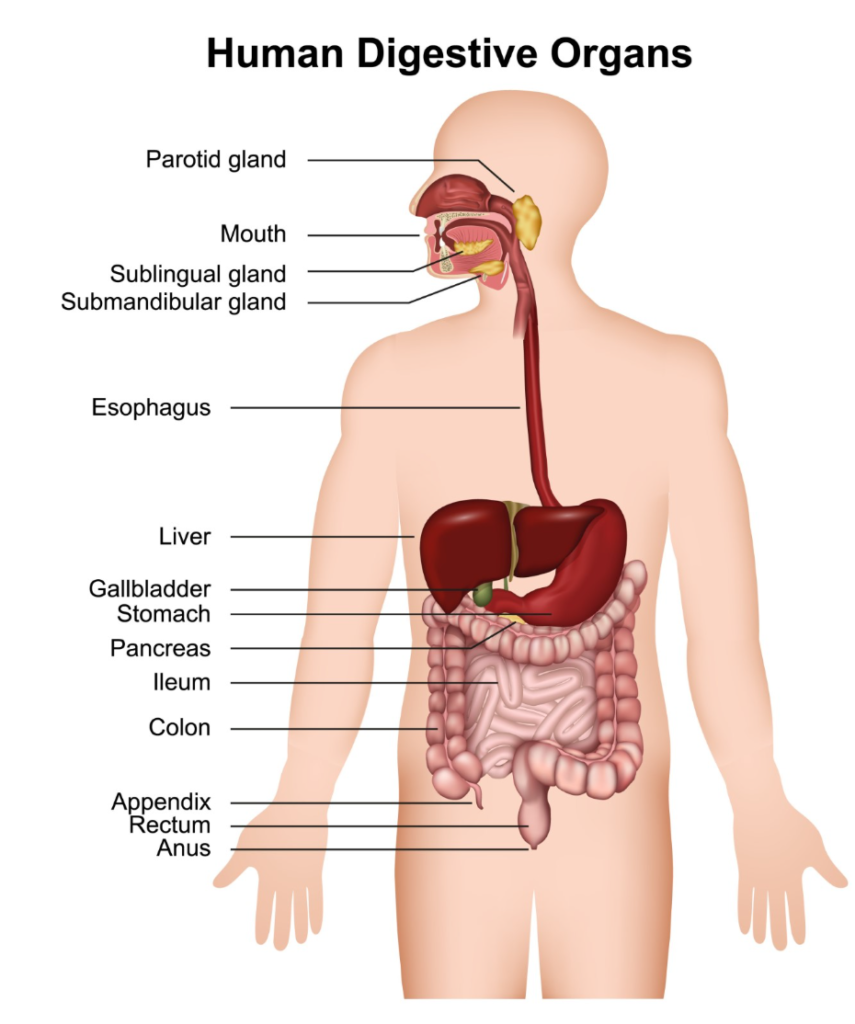
Water is essential for the mechanical movement of waste through the large intestine because it keeps the stool soft, bulky, and easy to pass. As food waste moves through the colon, the body naturally reabsorbs water; if you are dehydrated, the colon absorbs more water than usual to maintain the body’s fluid balance. This process results in the stool becoming hard, dry, and difficult for the intestinal muscles to push toward the rectum. According to the National Institute for Health and Care Excellence, adequate hydration is necessary to prevent the formation of hard stools that characterise constipation. By drinking enough water, you ensure that the waste retains enough moisture to remain pliable.
Fluid Intake and Dietary Fibre
Increasing your dietary fibre without also increasing your water intake can sometimes make constipation worse rather than better. Fibre, particularly the insoluble type found in whole grains and vegetables, acts like a sponge by absorbing water to add weight and bulk to the stool. If there is insufficient water available in the gut, high amounts of fibre can create a dense, dry mass that is even harder for the intestines to move. Therefore, any effort to improve bowel regularity through a high fibre diet must be accompanied by a conscious effort to drink plenty of fluids throughout the day.
Identifying Signs of Dehydration
Monitoring the colour of your urine is a practical and reliable way to determine if you are drinking enough water to support your digestive health. Urine should ideally be a pale straw colour; if it is dark yellow or has a strong odour, it is a clear indication that the body is dehydrated and may be extracting excess water from the colon. Other signs that you may need more fluid include feeling thirsty, having a dry mouth, or experiencing headaches and tiredness. Addressing these signs early can prevent the onset of constipation or help alleviate existing symptoms by ensuring the digestive tract has the moisture it needs.
Choosing the Right Fluids
While water is the best and most effective fluid for managing constipation, other beverages can contribute to your daily total, provided they are chosen carefully. Plain water is calorie free and does not contain additives that might irritate the gut, making it the primary choice for hydration. Herbal teas and diluted fruit juices can also be beneficial, although juices should be limited due to their sugar content. While caffeinated drinks like tea and coffee contribute to fluid intake, they can have a mild diuretic effect in some people, so they should be balanced with plenty of plain water to ensure the colon remains properly hydrated.
Practical Tips for Increasing Water Intake
Establishing a consistent habit of drinking water throughout the day can be more effective for the bowels than drinking large amounts in a single sitting. Carrying a reusable water bottle, setting reminders on a mobile phone, or drinking a glass of water with every meal are simple ways to ensure you reach the six to eight glass target. For those who find plain water unappealing, adding a slice of lemon, lime, or cucumber can provide variety without adding refined sugar. Consistency is key, as the digestive system responds best to a steady supply of moisture rather than sporadic hydration.
When to Consult a Healthcare Professional
If you have significantly increased your fluid and fibre intake for several weeks but continue to experience persistent constipation, it is important to seek professional advice. While dehydration is a common cause, other factors such as medication side effects or underlying health conditions may be influencing your bowel habits. NHS guidelines recommend speaking to a pharmacist or GP if lifestyle changes like drinking more water do not improve your symptoms. A healthcare provider can help determine if you require further investigation or if short term medical treatments, such as laxatives, are appropriate for your situation.
Conclusion
Drinking six to eight glasses of fluid daily is a fundamental requirement for managing and preventing constipation in the UK. Water supports the transit of waste by keeping stools soft and is especially important when increasing dietary fibre. By monitoring your hydration levels and maintaining a consistent intake, you can support your gut health and improve overall regularity. If you experience severe, sudden, or worsening symptoms, call 999 immediately.
Can drinking hot water help more than cold water?
There is limited clinical evidence that water temperature significantly changes bowel function, though some people find that warm drinks in the morning can stimulate the gut’s natural movements.
Is sparkling water as good as still water for constipation?
Sparkling water is just as hydrating as still water, though the carbonation may cause temporary bloating or gas in some individuals.
How soon after drinking more water will I see an improvement?
It can take a few days for increased hydration to affect stool consistency and frequency as the body regulates its fluid balance.
Can I drink too much water?
While rare, drinking excessive amounts of water can be harmful; sticking to the recommended six to eight glasses is generally safe and effective for most adults.
Does alcohol count towards my fluid intake for constipation?
Alcohol can have a dehydrating effect on the body, which can make constipation worse, so it should not be relied upon for hydration.
Should I drink water even if I am not thirsty?
By the time you feel thirsty, your body may already be slightly dehydrated, so drinking regularly throughout the day is a better strategy for gut health.
Can children use the same water targets as adults?
Children require less fluid than adults depending on their age and size, so it is best to consult a pharmacist or health visitor for specific paediatric guidance.
Authority Snapshot (E-E-A-T)
The information in this article is provided for educational purposes and is strictly aligned with the clinical guidelines of the NHS and NICE. Our medical content team ensures that all health claims are factual, neutral, and based on established UK medical protocols. This content has been reviewed by Dr. Stefan Petrov, a UK-trained physician, to verify its accuracy and suitability for the general public.



