




Chronic or long-term constipation is a condition where infrequent or difficult bowel movements persist for several weeks or months. While occasional constipation is usually a temporary inconvenience, persistent symptoms can lead to various physical changes in the lower digestive tract and surrounding tissues. Understanding how the bowel responds to long-term transit issues is essential for maintaining digestive health and ensuring that appropriate lifestyle or medical interventions are implemented to prevent complications.
What We’ll Discuss in This Article
- The definition of chronic constipation and its impact on bowel function.
- Common physical complications such as faecal impaction and haemorrhoids.
- How the muscles and nerves of the colon adapt to long-term constipation.
- The relationship between persistent straining and pelvic floor health.
- Evidence-based strategies for maintaining long-term bowel regularity.
- When to seek professional medical advice for persistent digestive changes.
Physical Impact of Chronic Constipation
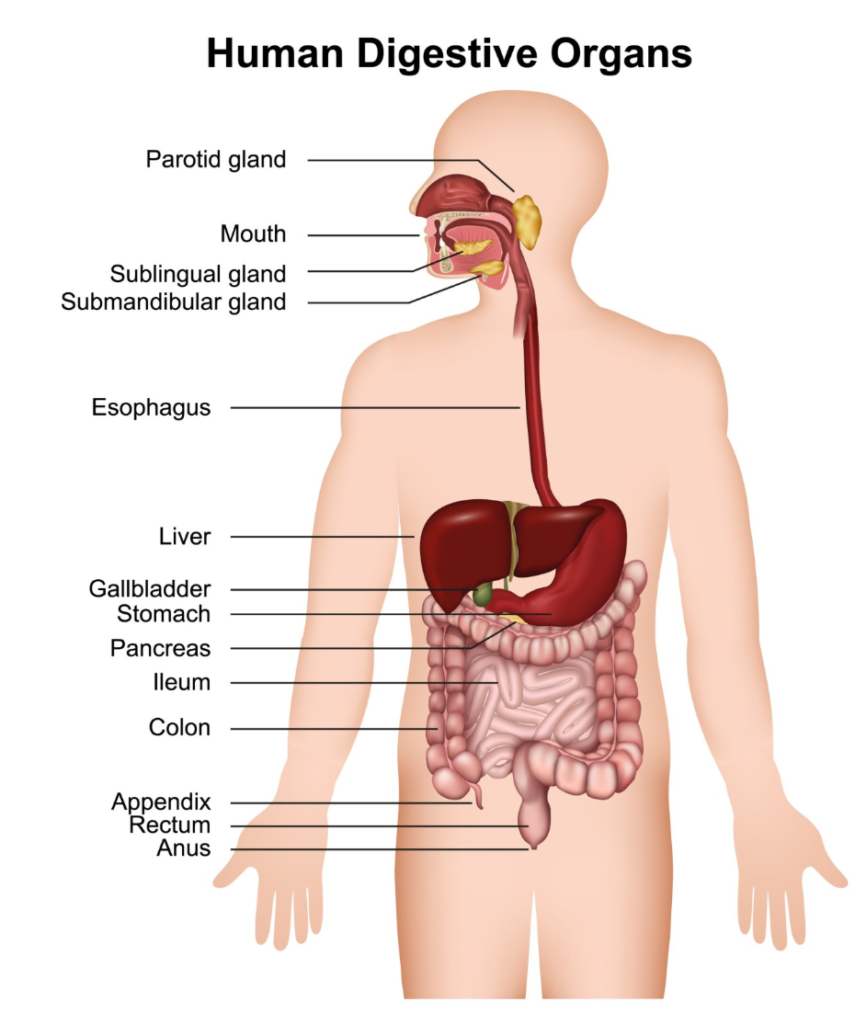
Long-term constipation can lead to structural changes and complications in the rectum and anal canal primarily due to the persistent pressure of hard stools and the effort required to evacuate them. One of the most common issues is the development of haemorrhoids, which are swollen veins in the rectum or anus caused by repeated straining. Furthermore, the mechanical passage of hard stools can cause small tears in the lining of the anus, known as anal fissures. The NHS states that while constipation is common, long-term symptoms should be managed to prevent discomfort and secondary conditions like piles or fissures. In severe, untreated cases, the bowel can become stretched or less sensitive to the presence of waste, making the natural urge to go less frequent.
Understanding Faecal Impaction
A significant concern with untreated long-term constipation is the risk of faecal impaction, where stool becomes so hard and dry that it gets stuck in the rectum. This occurs because the colon continues to absorb water from the waste the longer it remains in the body, eventually creating a solid mass that the intestinal muscles cannot move on their own. According to the National Institute for Health and Care Excellence, faecal impaction is a potential complication of chronic constipation that requires specific medical management to clear the bowel. Symptoms of impaction can include a swollen abdomen, stomach pain, and sometimes “overflow diarrhoea,” where watery stool leaks around the solid mass, which can be mistaken for a regular bowel movement.
Effects on Bowel Muscle and Nerve Function
When constipation persists for a long duration, the natural rhythm of the intestinal muscles and the sensitivity of the nerves in the rectum can be affected. The colon relies on a process called peristalsis, where muscles contract in waves to push waste along; chronic backup can lead to a “sluggish” bowel where these contractions become less effective. Additionally, if the rectum is constantly filled with stool, the nerves that signal the brain that it is time to use the toilet may become desensitised. This can lead to a condition sometimes referred to as “megacolon” in clinical settings, where the large intestine becomes abnormally distended, further complicating the body’s ability to evacuate waste naturally.
Pelvic Floor and Rectal Health
Persistent straining over many years can put excessive pressure on the pelvic floor muscles, which support the bladder and bowel. If these muscles become weakened or uncoordinated due to long-term constipation, it can lead to difficulties in fully emptying the bowels or even contribute to pelvic organ prolapse in some individuals. Rectal prolapse, where a small part of the rectal lining pushes out through the anus, is another potential complication associated with the chronic straining often seen in long-term cases. Maintaining soft stools is the most effective way to protect these delicate muscle groups and prevent the need for excessive physical effort during defecation.
Long-term Management of Bowel Regularity
Managing long-term constipation focuses on restoring a healthy transit time and softening the stool consistency to avoid further bowel irritation. NICE guidelines emphasise that lifestyle modifications, including a high-fibre diet, adequate fluid intake, and regular physical activity, are the foundation for managing chronic constipation. It is also important to establish a consistent toilet routine, often shortly after breakfast when the body’s natural reflexes are strongest. For some, a healthcare professional may recommend the long-term use of specific types of laxatives, such as osmotic or bulk-forming agents, to help keep the stool manageable and prevent the recurrence of impaction or straining.
When to Seek Professional Advice
You should consult a healthcare professional if you have experienced a change in your bowel habits that has lasted for more than a few weeks. While long-term constipation is often a result of lifestyle factors, it is important to rule out other causes or medications that might be contributing to the delay. A GP can provide an assessment to ensure that no structural harm has occurred and can help develop a management plan to restore regularity. Immediate medical attention should be sought if constipation is accompanied by severe abdominal pain, persistent vomiting, or a complete inability to pass wind, as these can be signs of a more serious bowel obstruction.
Conclusion
Long-term constipation can affect the bowel by causing physical irritation, muscle sluggishness, or complications like faecal impaction. However, with consistent management of diet, hydration, and activity, most of these issues can be prevented or improved. Understanding the importance of soft stools and avoiding straining is key to protecting long-term rectal and pelvic health. If you experience severe, sudden, or worsening symptoms, call 999 immediately.
Can chronic constipation cause permanent damage?
Most complications from constipation, such as fissures or haemorrhoids, are treatable and can heal once regular, soft bowel movements are restored.
How does fibre help protect the bowel?
Fibre adds bulk and keeps water in the stool, which prevents the waste from becoming hard and abrasive against the bowel lining.
Is it safe to use laxatives long-term?
Some laxatives are suitable for longer use under medical supervision, but you should always consult a pharmacist or GP before using them for more than two weeks.
Can constipation affect the bladder?
Yes, a full rectum can sometimes press against the bladder, leading to increased urgency or difficulty in emptying the bladder fully.
What is overflow diarrhoea?
This is when liquid stool leaks past a solid mass of stool stuck in the rectum, often occurring in people with long-term impaction.
Does exercise improve bowel muscle tone?
Physical activity stimulates the natural contractions of the gut, which helps maintain the strength and efficiency of the intestinal muscles.
How much water is needed to protect the bowel?
Drinking six to eight glasses of fluid a day ensures the colon does not have to extract too much moisture from the stool, keeping it soft.
Authority Snapshot (E-E-A-T)
This article provides factual information on the effects of long-term constipation, strictly aligned with NHS and NICE clinical guidelines. The content is produced by a professional medical writing team to ensure accuracy and clarity for the general public. All health information has been reviewed by Dr. Stefan Petrov, a UK-trained physician, to confirm its adherence to current UK medical standards and patient safety protocols.



