




Preventing the recurrence of anal fissures and haemorrhoids, commonly known as piles, relies on a long-term commitment to maintaining soft, easy-to-pass stools and reducing the mechanical pressure placed on the anal canal. Both conditions are fundamentally linked to the health of the digestive system and the physical strain exerted during bowel movements. While clinical treatments can resolve acute episodes, the underlying physiological triggers often persist unless specific lifestyle adjustments are made. By understanding the relationship between fibre, hydration, and pelvic pressure, individuals can create a sustainable routine that protects the delicate anal lining and the vascular structures of the rectum from future injury or inflammation.
What We’ll Discuss in This Article
- The role of dietary fibre in maintaining stool consistency
- Why adequate hydration is vital for preventing anal trauma
- Adopting healthy toilet habits to minimise pelvic strain
- The impact of regular physical activity on bowel regularity
- Safe hygiene practices to protect sensitive anal tissues
- Managing body weight to reduce chronic rectal pressure
Dietary Fibre and Stool Consistency
Maintaining a high-fibre diet is the most effective way to ensure that stools remain bulky and soft, which prevents the mechanical trauma required to cause a fissure or engorge haemorrhoids. Fibre acts as a natural bulking agent that retains water in the stool, ensuring it passes through the anal canal without the need for excessive stretching or force. The National Institute for Health and Care Excellence suggests that increasing dietary fibre is a key step in preventing the recurrence of anal fissures and haemorrhoids.
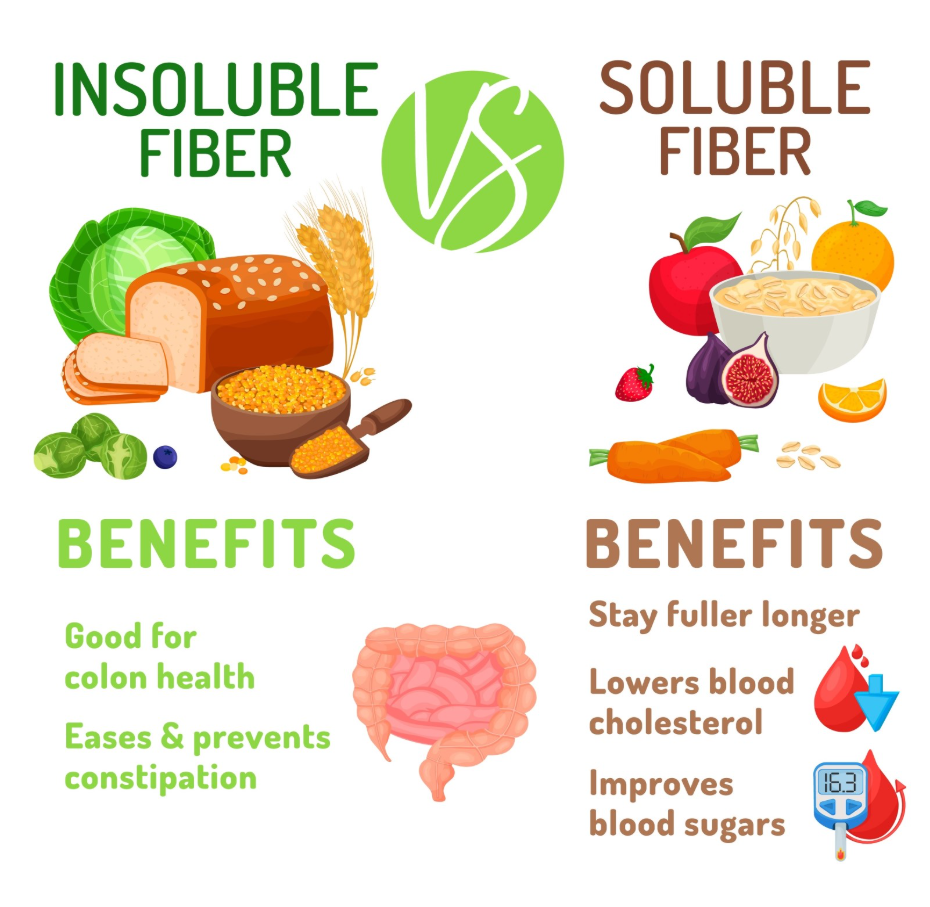
To effectively prevent recurrence, individuals should aim for the UK government recommended target of 30g of fibre per day. This can be achieved by incorporating a variety of plant-based foods into every meal, such as oats, wholemeal bread, pulses like lentils and chickpeas, and a wide array of fruits and vegetables. It is beneficial to increase fibre intake gradually over several weeks to allow the gut microbiome to adjust, which reduces the likelihood of experiencing temporary bloating or gas. Consistency is essential; a sudden return to a low-fibre diet can lead to hard stools that may immediately re-injure a previously healed area.
The Importance of Hydration and Fluid Intake
Adequate hydration is essential for fibre to function correctly and for keeping the lining of the anal canal lubricated and resilient. Without enough water, fibre can become a dry, compact mass in the colon, which can actually worsen constipation rather than preventing it. Water ensures that waste matter moves smoothly through the large intestine and remains pliable until it is expelled.
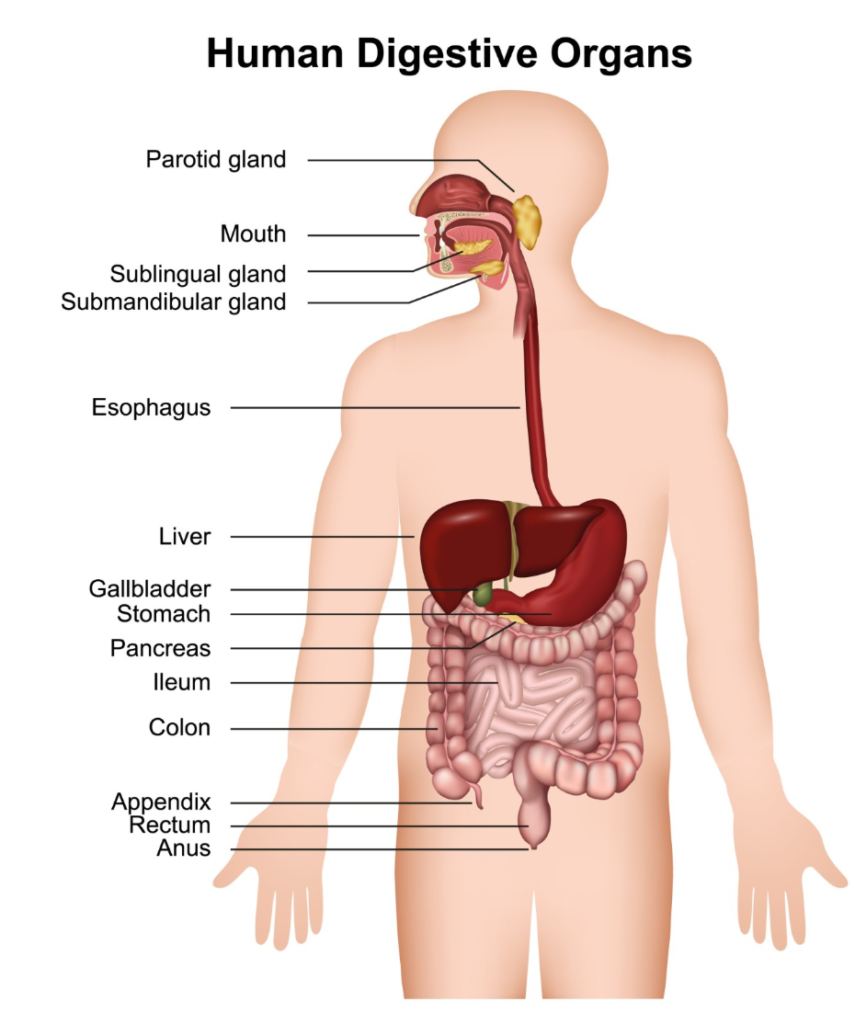
Most adults in the United Kingdom are advised to drink between six and eight glasses of fluid daily, with water being the most beneficial choice for gastrointestinal health. Drinking plenty of fluids like water can help keep your poo soft and easier to pass, which prevents the straining that leads to piles or tears. It is important to be mindful of fluids that can contribute to dehydration, such as excessive amounts of alcohol or highly caffeinated beverages. Maintaining a consistent level of hydration throughout the day provides the necessary moisture for the digestive system to operate without causing friction against the sensitive mucosal lining of the anal canal.
Healthy Toilet Habits and Reducing Straining
Adopting a healthy toilet routine involves responding promptly to natural urges and avoiding any behaviour that increases intra-abdominal pressure. When the urge to pass a stool is suppressed, the waste remains in the rectum where the body continues to reabsorb water, making the stool harder and more difficult to expel later. This often leads to the very straining that triggers haemorrhoidal swelling or causes a fissure to re-open.
Individuals should also be mindful of the time spent on the toilet. Straining on the toilet or sitting for too long can increase the pressure in the veins of the anus and cause haemorrhoids to return. To facilitate an easier bowel movement, some people find it helpful to use a small footstool to elevate their knees above their hips. This squatting position helps to straighten the recto-anal angle, allowing the bowels to empty more effortlessly. The goal is to avoid “bearing down” or using force, as the act of evacuation should be a relaxed process supported by the natural contractions of the colon.
| Prevention Strategy | Daily Action | Long-Term Benefit |
| High Fibre | Consume 30g of plant-based fibre | Maintains soft, bulky stools |
| Hydration | Drink 6-8 glasses of water | Ensures stool remains pliable |
| Prompt Response | Use the toilet as soon as needed | Prevents stools from hardening |
| Correct Posture | Elevate knees using a footstool | Reduces the need for straining |
| Limited Sitting | Avoid reading or browsing on the toilet | Reduces venous pressure in the rectum |
Physical Activity and Pelvic Pressure
Regular physical activity supports the natural movement of the digestive tract and helps to maintain a healthy body weight, both of which are vital for preventing anal conditions. Exercise encourages peristalsis, the rhythmic contractions of the intestines that move waste along the digestive path. A sedentary lifestyle is often associated with slower gut transit times, which can lead to chronic constipation and the subsequent risk of fissures or piles.
However, the type of exercise performed is important for those prone to these conditions. While walking, swimming, and cycling are excellent for gut motility, activities that involve extreme straining, such as very heavy weightlifting with improper breathing techniques, can spike pelvic pressure. It is important to avoid holding the breath during exertion, as this increases the internal pressure against the rectal veins. Maintaining a healthy weight through moderate, consistent exercise also reduces the constant structural load placed on the pelvic floor muscles and the connective tissues that support the anal canal.
Gentle Hygiene and Skin Protection
Protecting the anal canal from mechanical and chemical irritation involves using gentle cleaning methods that do not compromise the integrity of the skin. The anal lining is a thin, delicate mucosal surface that can be easily damaged by aggressive wiping or the use of harsh chemicals. After a bowel movement, it is safer to clean the area with plain water or fragrance-free, alcohol-free wet wipes rather than using dry, rough toilet paper.
Frequent use of scented soaps, bubble baths, or antiseptic creams can strip away the natural protective oils of the perianal skin, leading to dryness and a higher risk of cracking. After washing, the area should be patted dry gently with a soft towel or dried using a hairdryer on a cool setting. Some individuals find that applying a thin layer of a plain barrier ointment, such as petroleum jelly, can provide an extra layer of protection against irritation. These simple hygiene measures ensure the skin remains elastic and less susceptible to the micro-tears that can develop into a full fissure.
Consistency and Monitoring Bowel Health
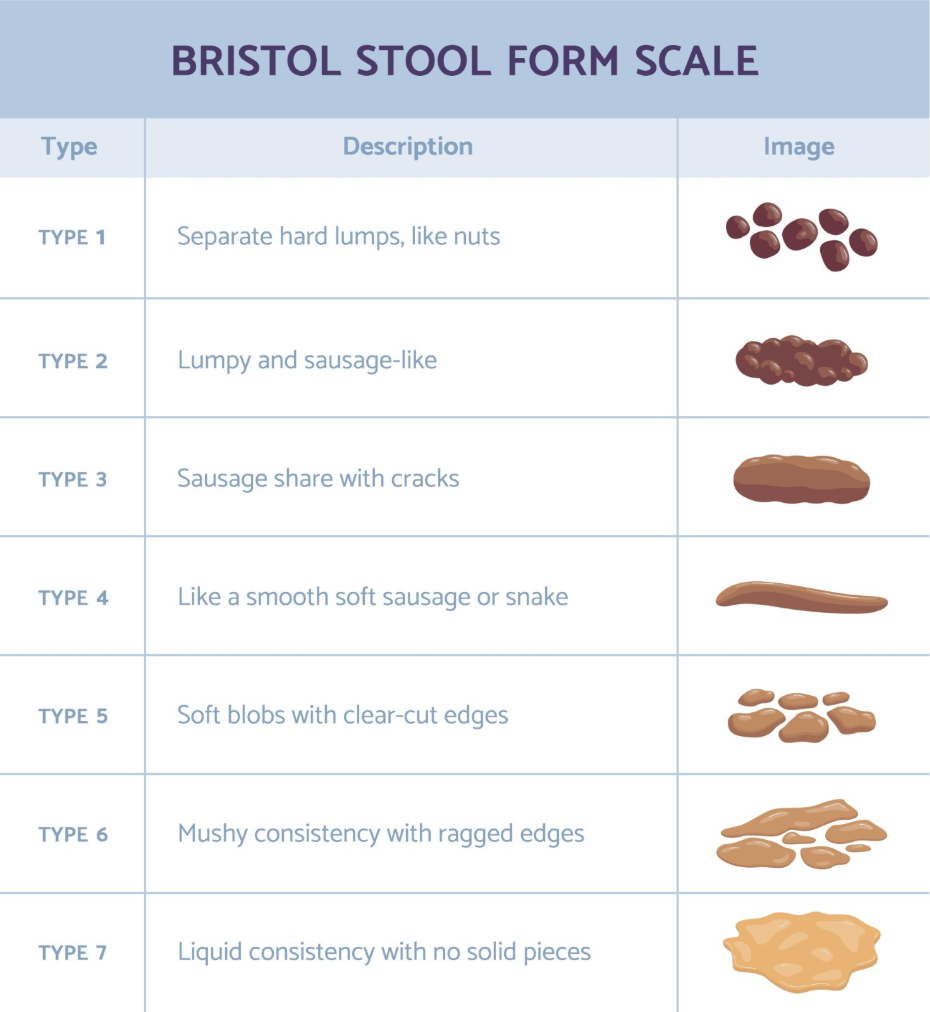
The prevention of fissures and haemorrhoids is a continuous process that requires a consistent application of healthy habits rather than a temporary response to symptoms. Monitoring the appearance of stools using the Bristol Stool Form Scale can help individuals understand if their dietary and hydration goals are being met. Ideally, stools should be soft and well-formed, passing without discomfort or the need for excessive effort.
If symptoms such as bright red bleeding or sharp pain return despite these preventative measures, it is important to seek a clinical review. While lifestyle changes are the foundation of prevention, some underlying issues or chronic muscle spasms may require specifically medicated treatments to allow the body to reset. In the UK, healthcare providers follow structured diagnostic pathways to ensure that any recurrent rectal symptoms are managed safely and in accordance with national clinical guidelines.
Conclusion
Preventing the return of fissures and haemorrhoids involves a combination of high fibre intake, consistent hydration, and the adoption of relaxed toilet habits. By ensuring stools remain soft and minimising the physical pressure on the anal canal, individuals can significantly reduce their risk of recurrence. Regular activity and gentle hygiene further support the long-term health of the rectal tissues. If you experience severe, sudden, or worsening symptoms, call 999 immediately.
Can I stop eating high fibre once my fissure has healed?
No, maintaining a high-fibre diet is a lifelong preventative measure; returning to low-fibre foods can quickly lead to hard stools and recurrence.
Does spicy food cause haemorrhoids to come back?
Spicy food does not cause the condition, but it can irritate the anal lining and cause stinging if you already have a small tear or sensitive piles.
How much water do I need if I exercise a lot?
If you are very active, you may need more than the standard eight glasses to ensure your body remains hydrated and your stools stay soft.
Is it safe to use laxatives long-term to prevent fissures?
You should focus on diet and fibre first; bulk-forming laxatives are safe for many, but long-term use should be discussed with a healthcare professional.
Will my haemorrhoids come back if I get pregnant again?
Pregnancy increases pelvic pressure, so it is vital to be extra vigilant with fibre and hydration during this time to manage the increased risk.
Does sitting on a cold surface cause piles?
There is no clinical evidence that cold surfaces cause piles; however, sitting on any hard surface for too long can increase rectal pressure.
What is the best way to clean the area after a poo?
The gentlest method is using plain warm water and a soft cloth or a bidet, followed by gentle patting to dry the area.
Authority Snapshot (E-E-A-T)
This medical education content provides accurate, evidence-based information regarding the prevention of anal fissures and haemorrhoids for the UK public. The material is developed by a professional medical writing team and reviewed by Dr. Stefan Petrov, a UK-trained physician with experience in general medicine, surgery, and emergency care. All information provided is strictly aligned with the clinical standards and diagnostic pathways provided by the NHS and the National Institute for Health and Care Excellence (NICE).



