




Follow-up care is a fundamental part of the clinical pathway for anyone who has completed treatment for bowel cancer in the UK. This structured period of monitoring, often referred to as surveillance, is designed to check for any signs of the cancer returning and to manage any long-term side effects resulting from surgery, chemotherapy, or radiotherapy. The NHS follows evidence-based protocols to ensure that patients receive the appropriate balance of scans and physical examinations over a multi-year period to safeguard their ongoing health.
What We’ll Discuss in This Article
- The standard duration and purpose of the follow-up period in the UK.
- The role of Carcinoembryonic Antigen blood tests in monitoring.
- Frequency and types of imaging used, such as CT scans.
- Post-treatment colonoscopy schedules to check the bowel lining.
- How the multidisciplinary team manages the transition to long-term care.
- Recognising symptoms that require investigation between scheduled tests.
The Standard Follow-Up Schedule in the UK
Follow-up monitoring typically continues for at least five years after the primary treatment for bowel cancer has been completed. The NHS provides a structured surveillance programme for patients who have undergone curative treatment to ensure any recurrence is identified as early as possible. During this five-year window, patients are seen regularly by a specialist nurse or oncologist, with the frequency of appointments usually decreasing as time progresses and the risk of recurrence diminishes.
The specific schedule is tailored to the individual based on the stage of their original cancer and the treatments they received. Most patients will have check-ups every three to six months for the first two years, moving to six-monthly or annual appointments for the remaining three years. If no signs of cancer are detected by the end of this five-year period, the patient is usually discharged from the specialist clinic and returns to the standard national screening programme.
Carcinoembryonic Antigen (CEA) Blood Tests
The Carcinoembryonic Antigen test is a primary tool used during follow-up to monitor for markers in the blood that can sometimes indicate the return of bowel cancer. This protein is often produced by bowel cancer cells, and a rising trend in its levels may prompt the clinical team to arrange further imaging or investigations. NICE guidelines recommend that CEA blood tests should be performed at least every six months for the first three years of follow-up for most patients.
It is important to note that a slightly elevated CEA level does not always mean the cancer has returned, as other factors such as smoking or inflammation can also influence the results. Clinicians look for a consistent rise over multiple tests rather than a single reading. These blood tests are a non-invasive way to keep a close watch on the body’s internal environment between more intensive scans.
Computerised Tomography (CT) Scans
Follow-up imaging usually involves regular CT scans of the chest, abdomen, and pelvis to check the organs and lymph nodes for any changes. These scans use X-rays and a computer to create detailed cross-sectional images of the inside of the body. The standard UK protocol generally includes at least two CT scans within the first three years following surgery for bowel cancer.
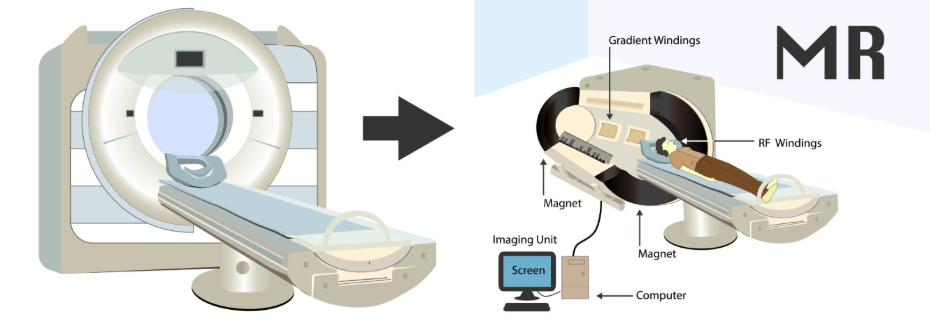
These scans are particularly useful for monitoring the liver and lungs, which are the most common sites for bowel cancer to spread if it recurs. By having these images at regular intervals, radiologists can compare new scans with previous ones to identify even very small changes. If a CT scan shows an area of concern, the multidisciplinary team may request further specific imaging, such as an MRI or a PET scan, to gather more detailed information.
Surveillance Colonoscopies
In addition to blood tests and scans, patients will be scheduled for a follow-up colonoscopy to examine the lining of the bowel. This procedure is used to ensure the area where the cancer was removed has healed correctly and to look for any new polyps. Generally, the first follow-up colonoscopy takes place approximately one year after surgery.
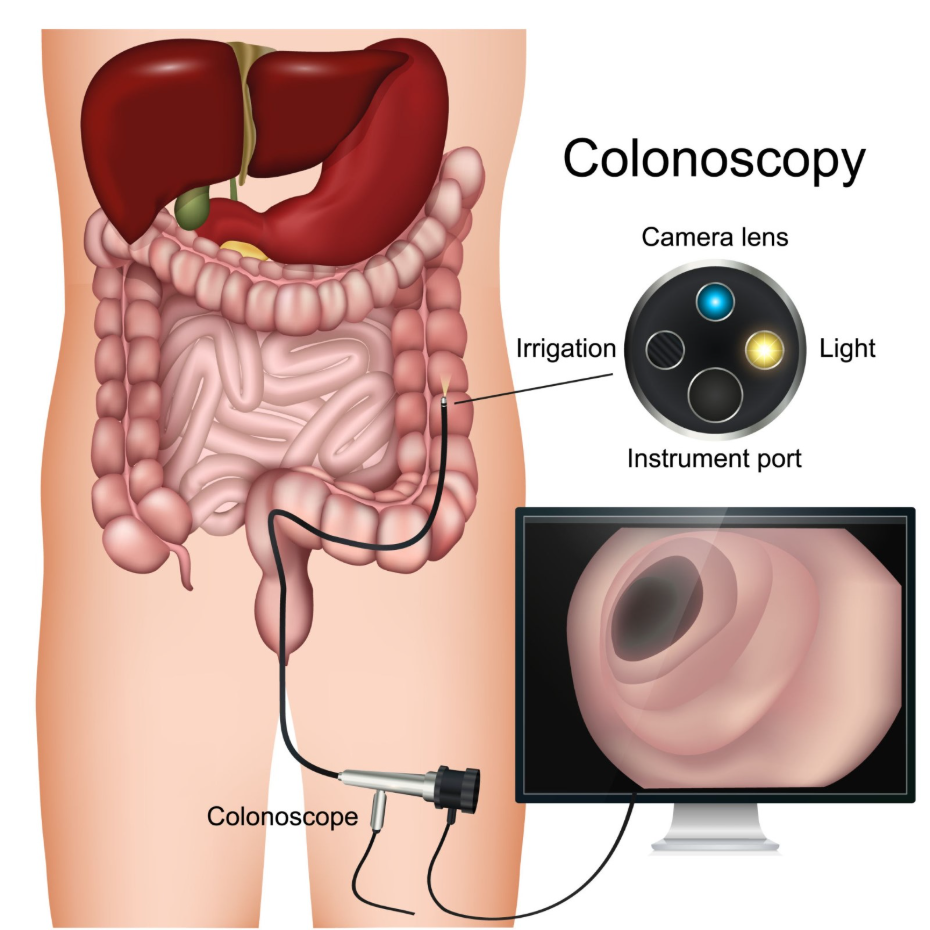
If this first colonoscopy is clear, the next one is typically scheduled for three to five years later. The goal of these examinations is prevention; by finding and removing new polyps (small growths) before they have the chance to become cancerous, the medical team can significantly reduce the risk of a secondary cancer developing. This internal monitoring is a critical supplement to the external views provided by CT scans.
Transition to Personalised Follow-Up Care
Many hospitals in the UK are moving toward “personalised stratified follow-up,” which allows patients to take a more active role in their monitoring. For patients at a lower risk of recurrence, this may involve “remote monitoring” where blood test results and scan reports are reviewed by the clinical team without the need for a face-to-face hospital appointment unless an abnormality is found.
| Test Type | Common Frequency | Primary Goal |
| CEA Blood Test | Every 3 to 6 months | Monitoring for cancer markers |
| CT Scan | At 12 and 24 to 36 months | Visualising internal organs |
| Colonoscopy | At 1 year and then 3 to 5 years | Checking for new polyps |
| Clinical Review | Every 3 to 6 months initially | Assessing symptoms and recovery |
This approach is designed to reduce the number of unnecessary hospital visits while ensuring that all essential tests are completed on time. Patients on this pathway are given clear information on how to contact their specialist team if they have any concerns. This system ensures that hospital resources are focused on the clinical tests that provide the most significant health benefits.
Monitoring Symptoms Between Appointments
While scheduled tests are highly effective, it is vital for patients to remain aware of their own bodies and report any new or persistent symptoms to their clinical team immediately. One should not wait for the next scheduled scan if they experience a persistent change in bowel habit, unexplained weight loss, or new abdominal pain. These symptoms are often related to benign causes such as diet or minor infections, but they always require a professional clinical review during the follow-up period.
Maintaining a good relationship with the specialist colorectal nurse is helpful during these years. They act as a primary point of contact and can provide advice on managing long-term side effects like “low anterior resection syndrome” or stoma issues. Being proactive about reporting changes ensures that the safety net provided by the follow-up programme works as effectively as possible.
Conclusion
Follow-up scans and tests are a necessary and reassuring part of the recovery journey after bowel cancer treatment. By combining regular blood tests, CT imaging, and colonoscopies, the UK healthcare system provides a comprehensive monitoring service for at least five years. This structured approach allows for the early detection of any changes and ensures that patients continue to receive the support they need as they return to their daily lives. If you experience severe, sudden, or worsening symptoms, call 999 immediately.
Why do I only have a CT scan once a year?
Clinical evidence suggests that for most patients, an annual scan is the most effective balance for detecting changes while minimising exposure to radiation.
Can I have my follow-up tests at my local GP surgery?
Blood tests can often be done at a GP surgery, but scans and colonoscopies must be performed at a hospital with specialist equipment.
What happens if my CEA level goes up?
A rising CEA level will prompt your doctor to investigate further, usually by arranging a scan or an examination to find the cause.
Do I still need follow-up if my cancer was very early?
Yes, even early-stage cancers require a period of monitoring, although the schedule may be less intensive than for later-stage cases.
Is the follow-up colonoscopy painful?
It is similar to the ones you had during diagnosis; you will be offered sedation or pain relief to make the procedure as comfortable as possible.
What is a PET scan, and will I need one?
A PET scan is a more detailed type of imaging usually reserved for cases where a CT scan shows an abnormality that needs closer inspection.
Can I stop follow-up if I move to a different part of the UK?
No, you should ensure your records are transferred to your new local hospital so that your surveillance programme can continue without interruption.
Authority Snapshot (E-E-A-T)
This article provides medically factual information regarding UK bowel cancer follow-up protocols, strictly aligned with NHS and NICE standards. The content is developed by a medical writing team and reviewed by Dr. Stefan Petrov, a UK-trained physician with experience in general medicine, surgery, and emergency care. The National Institute for Health and Care Excellence provides the evidence-based framework for colorectal cancer follow-up to ensure clinical accuracy and patient safety.



