




Chronic Hepatitis C leads to cirrhosis through a prolonged process of inflammation and progressive scarring that gradually replaces healthy liver tissue with non functional fibrous material. When the Hepatitis C virus persists in the body for many years, it triggers a continuous immune response that attempts to clear the infection but inadvertently damages the liver cells. This cycle of damage and repair results in the accumulation of scar tissue, which eventually distorts the internal structure of the liver and impairs its ability to perform vital metabolic functions. In the United Kingdom, identifying and treating the virus early is the primary strategy for preventing the transition from a chronic infection to advanced liver scarring.
What We’ll Discuss in This Article
- The biological transition from acute to chronic Hepatitis C.
- The specific mechanism of liver cell inflammation and fibrosis.
- How scar tissue accumulation leads to the stage of cirrhosis.
- Factors that influence the speed of liver disease progression.
- Clinical methods used in the UK to monitor liver stiffness.
- The role of antiviral treatment in halting the scarring process.
The Journey from Chronic Infection to Fibrosis
Chronic Hepatitis C initiates liver damage because the virus uses liver cells to replicate, causing the immune system to attack these infected cells and trigger persistent inflammation. An infection is defined as chronic if the virus remains in the bloodstream for more than six months. The NHS notes that most people with chronic hepatitis C will not have any symptoms for many years, even though the virus is slowly causing damage to the liver.
As liver cells are destroyed by the immune system, the body initiates a healing response that involves the production of collagen and other fibrous proteins. In a healthy liver, these repairs are balanced, but in a chronic infection, the continuous “insult” from the virus leads to an overproduction of these materials. This early stage of scarring is known as fibrosis. Initially, these scars are small and do not significantly interfere with liver function, but as they grow and connect, they begin to disrupt the flow of blood through the organ.
The Progression to Cirrhosis
Cirrhosis occurs when the accumulation of scar tissue becomes so extensive that the liver’s architecture is permanently altered into nodules surrounded by thick bands of fibrous tissue. This is considered the final stage of liver scarring. NICE clinical guidelines indicate that around 20 percent of people with chronic hepatitis C will develop cirrhosis over a period of 20 to 30 years if the infection is not treated.
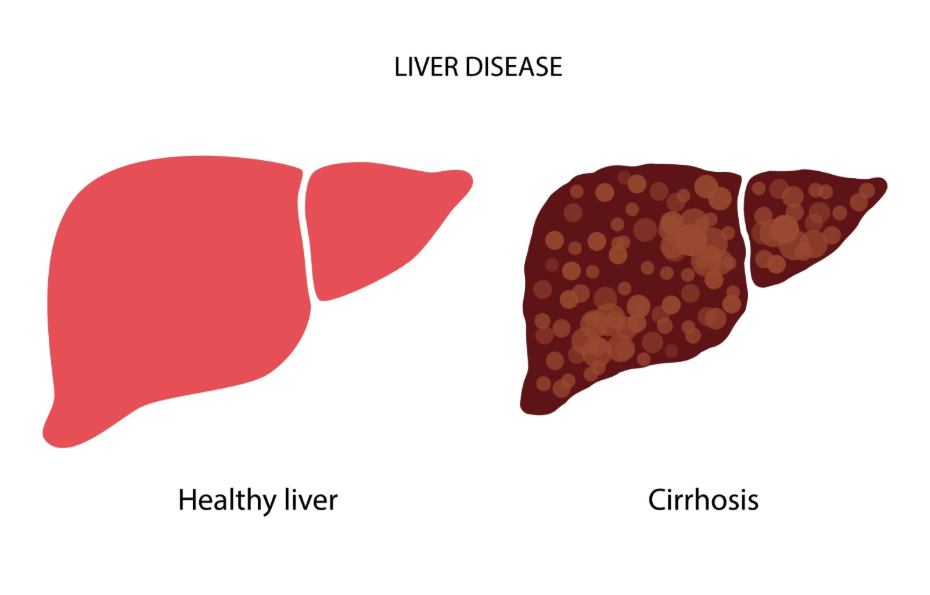
At this stage, the liver becomes hard and shrunken. The extensive scarring restricts the blood supply reaching the liver cells, which further kills off healthy tissue and replaces it with more scars. Because the liver can no longer filter toxins, produce essential proteins, or manage bile flow effectively, the body begins to show signs of liver failure. In the UK, patients with cirrhosis require regular specialist monitoring to manage complications and screen for early signs of liver cancer.
Stages of Liver Damage
The progression from a healthy liver to one with cirrhosis is usually categorised into stages based on the extent of the fibrous tissue. UK clinicians often use non invasive tests to estimate which stage a patient has reached.
| Stage | Clinical Description | Impact on Liver Function |
| Inflammation | Early stage where cells are swollen | Minimal impact; reversible |
| Fibrosis | Initial accumulation of scar tissue | Low to moderate impact |
| Advanced Fibrosis | Scars begin to bridge together | Function starts to decline |
| Cirrhosis | Extensive, permanent scarring | Significant impairment; risk of failure |
Factors That Accelerate Scarring
The speed at which chronic Hepatitis C leads to cirrhosis varies between individuals and is influenced by several lifestyle and biological factors. Consuming alcohol is the most significant factor that accelerates liver damage, as alcohol itself causes inflammation and oxidative stress in liver cells. Individuals with Hepatitis C who drink alcohol regularly are much more likely to develop cirrhosis faster than those who abstain.
Other factors include the age at which the person was infected, with older adults often progressing more quickly. Co infections with other viruses, such as Hepatitis B or HIV, also place a heavier burden on the liver. Additionally, having a high body mass index or type 2 diabetes can lead to fatty liver disease, which works alongside the Hepatitis C virus to speed up the scarring process. Managing these secondary factors is a key part of the holistic care provided by the NHS to protect liver health.
Monitoring and Halting the Process
UK healthcare providers use specialised tools to monitor the progression of liver scarring in patients with chronic Hepatitis C. A common method is the FibroScan, which uses ultrasound technology to measure the stiffness of the liver. A stiffer liver indicates more advanced scarring. Regular blood tests, known as Liver Function Tests, also help track inflammation levels and the liver’s synthetic capacity.
The UK government health services emphasise that the most effective way to stop the progression to cirrhosis is to clear the virus using modern direct acting antiviral treatments. These medications are highly successful and can cure the infection in over 95 percent of cases. Once the virus is gone, the persistent inflammation stops. In many cases, if the damage is caught in the fibrosis stage, the liver has the remarkable ability to repair some of the scar tissue and improve in function over time.
Conclusion
Chronic Hepatitis C leads to cirrhosis by causing persistent inflammation that triggers an overactive healing response, eventually resulting in extensive and permanent scarring. While the process is slow and often silent, the transition from fibrosis to cirrhosis marks a significant decline in liver health. Early diagnosis and the use of modern curative treatments are vital to halting this progression and protecting the liver. If you experience severe, sudden, or worsening symptoms, call 999 immediately.
Can cirrhosis be reversed once the virus is cured?
While advanced cirrhosis is generally permanent, clearing the virus stops further damage and may allow for some improvement in liver function.
How long does it usually take to develop cirrhosis?
In most cases, it takes between 20 and 30 years of chronic infection to reach the stage of cirrhosis.
Is it possible to have cirrhosis and feel perfectly fine?
Yes, many people with “compensated” cirrhosis have no symptoms because the remaining healthy parts of the liver are still managing essential tasks.
Will a standard blood test show if I have cirrhosis?
Basic liver function tests might show abnormalities, but more specific tests like a FibroScan or ultrasound are needed to confirm the level of scarring.
Does everyone with Hepatitis C eventually get cirrhosis?
No, some people clear the virus naturally, and others may have a very slow progression that never reaches the stage of cirrhosis in their lifetime.
What are the first signs that the liver is failing?
Signs of “decompensated” cirrhosis include jaundice, swelling in the abdomen or legs, and mental confusion.
Can I still get treatment if I already have cirrhosis?
Yes, antiviral treatment is still highly recommended to prevent the condition from worsening and to reduce the risk of liver cancer.
Authority Snapshot (E-E-A-T)
This article provides medically safe and factual health information regarding the development of cirrhosis from Hepatitis C, strictly aligned with NHS and NICE clinical guidelines. The content is developed by a professional medical writing team and reviewed by Dr. Rebecca Fernandez, a UK-trained physician with extensive experience in internal medicine, surgery, and emergency care. All information follows current UK public health protocols to ensure patient safety and clinical accuracy.



