




Yes, a balanced diet and specific vitamins are fundamental to managing and potentially improving neuropathy. In the United Kingdom, nutritional therapy is often the first line of defence for several types of nerve damage. Because nerves are high energy tissues that require specific micronutrients to maintain their protective insulation and conduct electrical signals, any gap in your nutrition can lead directly to nerve dysfunction.
As a physician with experience in internal medicine and intensive care, I have seen how profound the impact of nutrition can be on neurological outcomes. Whether it is correcting a specific deficiency or using diet to stabilize blood sugar, what you eat provides the building blocks for nerve repair. This article outlines the essential nutrients for nerve health and the dietary patterns that support a healthy peripheral nervous system.
What We Will Discuss In This Article
- The B Vitamin Powerhouse: B1, B6, and B12
- Vitamin E and Antioxidants: Protecting nerves from oxidative stress
- The Role of Magnesium: Supporting nerve signal transmission
- Diet and Glycaemic Control: Protecting the vasa nervorum
- Omega 3 Fatty Acids: Reducing nerve inflammation
- Emergency guidance for acute nutritional neurological crises
The Essential B Vitamins
The B vitamin family is the most critical group of nutrients for nerve health. They work together to maintain the myelin sheath and support the metabolic processes within the nerve cell.
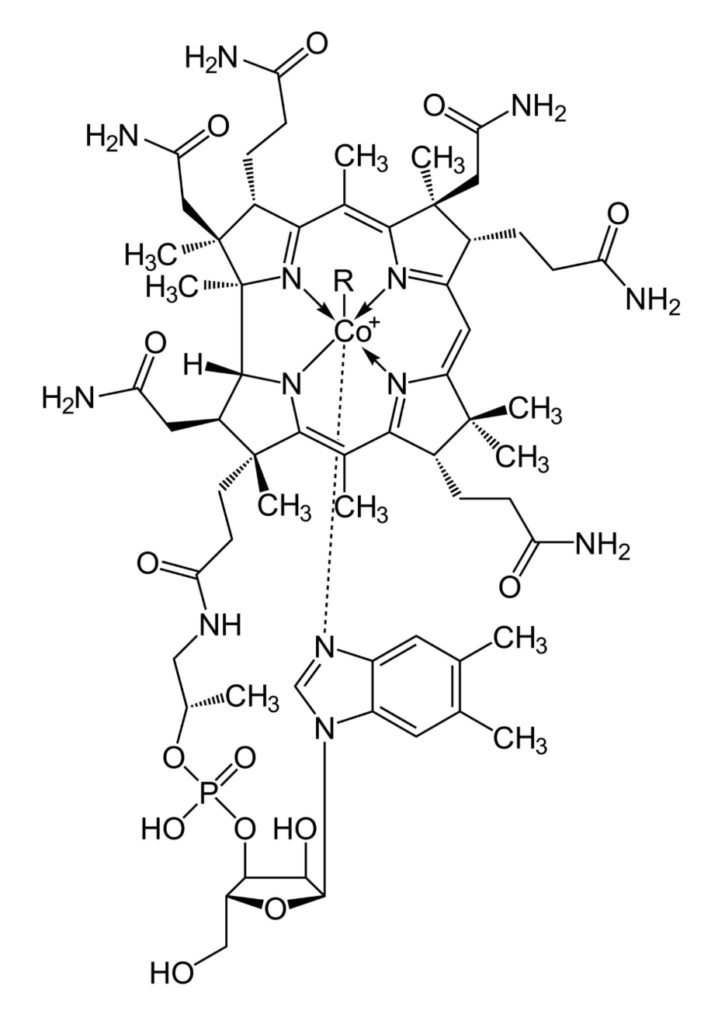
- Vitamin B12 (Cobalamin): Essential for the production of myelin. In the UK, B12 deficiency is a very common cause of reversible neuropathy, particularly in the elderly or those on plant based diets.
- Vitamin B1 (Thiamine): Nerves use a lot of glucose for energy, and Thiamine is the key that unlocks that energy. Without it, nerves can literally starve, leading to a condition called Beriberi.
- Vitamin B6 (Pyridoxine): This is vital for neurotransmitter synthesis. However, it requires balance; while a deficiency can cause neuropathy, taking very high doses of B6 supplements for long periods can actually be toxic to the nerves.
Vitamin E and Antioxidants
Nerves are rich in fats, making them highly susceptible to oxidative stress and damage from free radicals.
Vitamin E acts as a powerful antioxidant that protects the fatty membranes of the nerve cells. While severe Vitamin E deficiency is rare in the UK and usually linked to fat malabsorption issues, ensuring adequate intake through nuts, seeds, and leafy greens is a key strategy for protecting nerves from environmental and metabolic toxins.
Magnesium and Nerve Signalling
Magnesium plays a vital role in the electrical activity of the nervous system. It acts as a gatekeeper for NMDA receptors, which are involved in pain signaling. When magnesium levels are low, these gates stay open, leading to the hyperexcitability of nerves that we often experience as cramping, twitching, or chronic neuropathic pain.
Diet, Blood Sugar, and Vascular Health
For many patients in the UK, the best diet for neuropathy is one that protects the blood vessels.
High blood sugar damages the vasa nervorum, which are the microscopic vessels that feed the nerves. A diet focused on whole grains, lean proteins, and low glycemic index carbohydrates prevents these sugar spikes. By keeping your blood sugar stable, you stop the chemical processes that make the nerves brittle and allow the blood vessels to deliver much needed oxygen to the nerve tissues.
Omega 3 Fatty Acids
Found in oily fish, flaxseeds, and walnuts, Omega 3 fatty acids are known for their potent anti inflammatory properties. Chronic inflammation is a major contributor to nerve pain. By incorporating Omega 3s into your diet, you can help soothe inflamed nerve endings and support the structural repair of the nerve cell membranes.
Emergency Guidance
Certain nutritional issues can lead to rapid and dangerous neurological decline. Seek emergency care immediately if you experience:
- Sudden, profound confusion or a total loss of balance and coordination
- Rapidly spreading weakness that moves from the feet up the legs over a few days
- New and total loss of bladder or bowel control
- Significant vision changes or an inability to move the eyes correctly
- Signs of a silent heart attack such as sudden nausea and profound weakness
In these situations, call 999 or attend your nearest Accident and Emergency department immediately.
To Summarise
A balanced diet and targeted vitamin intake are powerful tools in the management of neuropathy. In the UK, addressing Vitamin B12 and Thiamine levels is a clinical priority for anyone experiencing unexplained nerve pain. By combining these essential micronutrients with a diet that stabilizes blood sugar and reduces inflammation, you can create the ideal environment for nerve maintenance and repair. While nutrition may not cure every form of neuropathy, it provides the essential foundation upon which all other medical treatments are built.
Can I get enough B12 from a vegan diet?
No. Vitamin B12 is found naturally only in animal products. If you follow a vegan diet, it is essential to use fortified foods or take a B12 supplement to prevent permanent nerve damage.
Will taking extra vitamins help if my levels are already normal?
Generally, no. If your levels are normal, your body will simply excrete the excess. The goal is to correct a deficiency rather than load the system with unnecessary supplements.
What is the best way to test for vitamin deficiencies?
A standard blood test from your GP can check B12, Folate, and Vitamin D levels. For a more detailed look at B12 function, some UK labs also check Methylmalonic Acid levels.
Can too much Vitamin B6 really cause more nerve damage?
Yes. High doses of B6, typically over 100mg per day over a long period, can damage the sensory nerves. Always check the dosage in your multivitamin and consult with a professional before taking high dose B6.
Authority Snapshot
This article was reviewed by Dr. Rebecca Fernandez, a UK trained physician with an MBBS and extensive experience in internal medicine, cardiology, and intensive care. Dr. Fernandez has managed critically ill patients with complex metabolic and nutritional needs, providing her with a deep understanding of the physiological requirements for nerve health. Her background in evidence based psychiatry also ensures a holistic view of how nutrition impacts both physical and mental well being.



