




Constipation and abdominal bloating are frequently occurring digestive issues that often appear together. When the movement of waste through the colon slows down, it can create a range of uncomfortable physical sensations, including pressure, tightness, and a visible swelling of the abdomen. Understanding how stool retention directly influences gas production and intestinal pressure is essential for effectively managing digestive comfort and knowing when clinical investigation is appropriate.
What We’ll Discuss in This Article
- The physiological link between constipation and trapped intestinal gas
- How stool retention leads to increased bacterial fermentation
- The role of gut motility in abdominal distension
- Dietary factors including the balance of fibre and fluids
- The impact of functional disorders such as Irritable Bowel Syndrome
- Signs that persistent constipation and bloating require medical review
The Physiological Connection Between Constipation and Bloating
Constipation is a primary cause of bloating because the retention of stool in the colon physically obstructs the normal passage of intestinal gas. Under typical circumstances, gas produced during digestion moves freely through the intestines and is expelled. However, when the rectum or lower colon is filled with hard, impacted stool, gas becomes trapped behind the blockage. This lead to a buildup of pressure that causes the intestinal walls to stretch, resulting in the subjective sensation of bloating.
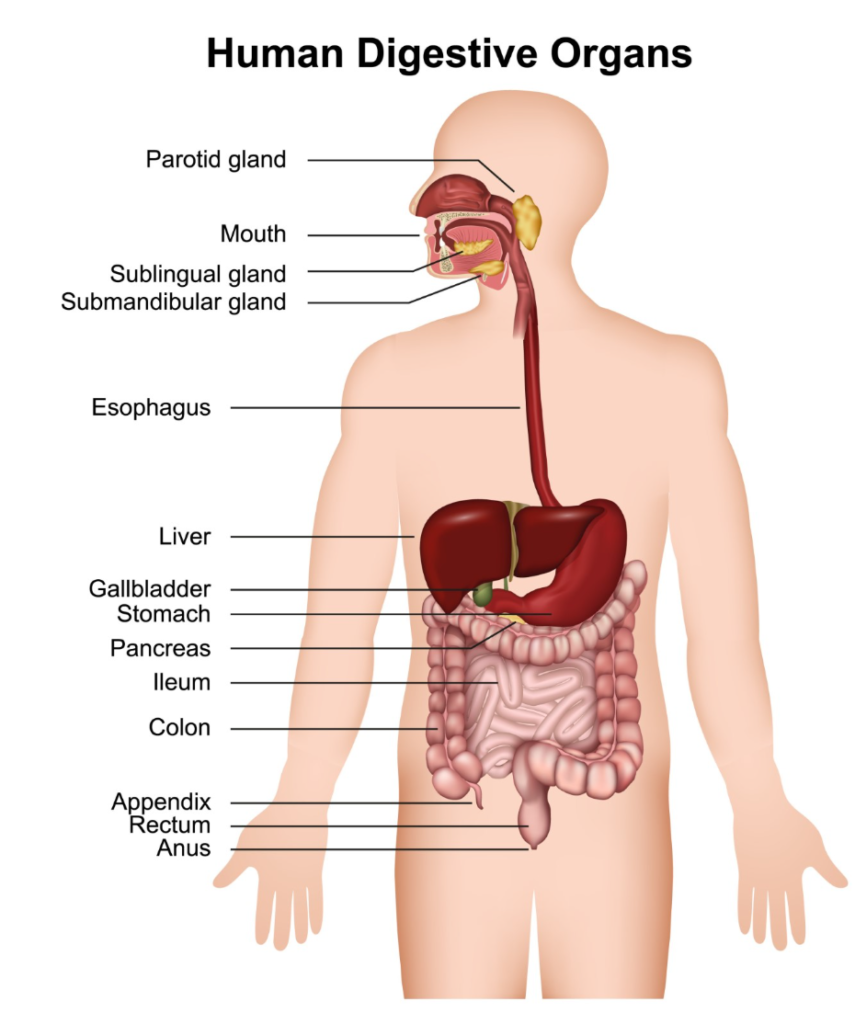
Constipation is a common condition that can often be managed by making simple changes to your diet and lifestyle. When waste material is not moved through the system at a regular pace, the colon continues to absorb water from the stool, making it increasingly hard and difficult to pass. This creates a cycle where the longer the stool remains, the more gas accumulates, further exacerbating the feeling of abdominal fullness and discomfort.
How Stool Retention Leads to Increased Gas Production
When waste material stays in the large intestine for an extended period, it undergoes prolonged fermentation by gut bacteria, which releases excessive gases like methane and carbon dioxide. The colon is home to trillions of bacteria that play a vital role in breaking down undigested food particles, particularly complex carbohydrates and fibres. This fermentation process is a normal part of digestion, but it must be balanced by regular bowel movements.
If the stool is stationary, the bacteria have a longer window of time to act upon the waste material. This results in a higher volume of gas being produced than the body can easily expel. The presence of this excess gas within the confined space of the intestines leads to abdominal distension, where the stomach may physically protrude. This process is often accompanied by flatulence or a gurgling sensation as gas pockets attempt to move around the retained stool.
Understanding Gut Motility and the Sensation of Fullness
Slow intestinal transit time, or reduced motility, allows more time for water to be reabsorbed from the stool, making it harder to pass and causing the abdomen to feel stretched. The muscles of the digestive tract move in a wave-like motion known as peristalsis to push food and waste along. When these contractions are weak or infrequent, the entire digestive process is delayed.
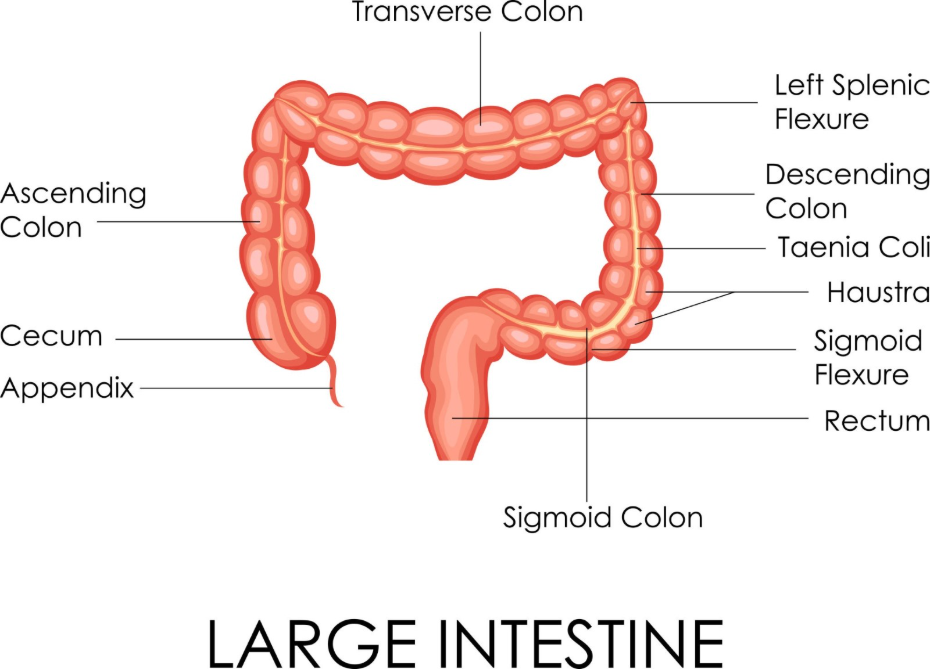
Reduced motility can be caused by various factors, including a lack of physical activity, certain medications, or underlying health conditions. As the stool becomes drier and more compact, it requires more effort from the colon to move it forward. This delay not only leads to constipation but also keeps the upper digestive tract from emptying efficiently, which can result in an early feeling of fullness or satiety after eating even small amounts of food.
The Role of Fibre and Fluid in Digestive Health
Maintaining a balance of soluble and insoluble fibre alongside adequate hydration is essential for preventing the hard stools that lead to both constipation and bloating. Fibre is the part of plant-based foods that the body cannot digest, and it is categorised into two main types that serve different functions in the bowel.
| Fibre Type | Function in the Digestive System | Common Food Sources |
| Soluble Fibre | Dissolves in water to form a gel-like substance: helps soften stool. | Oats, barley, beans, and fruit pulps. |
| Insoluble Fibre | Does not dissolve in water: adds bulk to stool and helps waste move faster. | Whole grains, nuts, and vegetable skins. |
While fibre is necessary for bowel regularity, a sudden increase in fibre intake without sufficient water can actually worsen bloating. Insoluble fibre requires fluid to move effectively through the gut: without enough water, the extra bulk can contribute to further constipation. Bloating is most often caused by a buildup of gas in the digestive system, which can be linked to specific foods or habits like swallowing too much air. Gradual adjustments to fibre levels allow the gut microbiome to adapt without producing excessive amounts of gas.
Constipation and Bloating in Functional Disorders
Conditions such as Irritable Bowel Syndrome frequently present with both constipation and bloating due to a hypersensitive gut and altered muscle contractions. This is often referred to as IBS-C, where constipation is the predominant bowel habit. In these cases, the nerves in the gut wall are overly sensitive to the stretching caused by gas and stool, making the sensation of bloating feel more severe than it might in another individual.
The gut-brain axis plays a significant role in functional disorders, where stress or anxiety can further slow down motility and exacerbate symptoms. Because the gut is structurally normal in functional disorders, clinical management often focuses on symptom relief through diet, lifestyle, and stress management. The National Institute for Health and Care Excellence provides guidelines on the management of constipation in adults to ensure that treatment is based on the best available evidence. These guidelines help healthcare professionals identify the most effective pathways for patients experiencing chronic digestive discomfort.
When to Seek Medical Investigation
While occasional constipation and bloating are common, persistent changes in bowel habits or the presence of red flag symptoms require a clinical assessment. A healthcare professional can help determine if the symptoms are related to lifestyle factors or if they indicate a more complex underlying condition. Systematic testing may be used to rule out inflammatory issues or structural obstructions in the bowel.
Clinical indicators that warrant a professional review include:
- A persistent change in bowel habit lasting more than three weeks.
- Unintentional weight loss or loss of appetite.
- Blood in the stool or a change in stool colour.
- Severe abdominal pain that does not resolve after passing wind or stool.
- A feeling of incomplete evacuation that persists despite regular movements.
- Unexplained fatigue or signs of anaemia.
Monitoring these symptoms is particularly important for individuals over the age of 50 or those with a family history of gastrointestinal conditions. Early assessment allows for more effective management and ensures that any necessary interventions are started promptly.
Conclusion
Constipation is a significant contributor to abdominal bloating because it prevents the normal passage of gas and allows for increased bacterial fermentation in the colon. Managing these symptoms involves a holistic approach focusing on adequate hydration, balanced fibre intake, and maintaining regular physical activity to support gut motility. While lifestyle changes are often effective, persistent or unusual symptoms should be evaluated by a healthcare professional to ensure digestive health is maintained. If you experience severe, sudden, or worsening symptoms, call 999 immediately.
How many days without a bowel movement is considered constipation?
Most medical definitions consider passing fewer than three stools per week as constipation, though “normal” frequency varies between individuals.
Can bloating occur even if I have a daily bowel movement?
Yes, if the movements are incomplete or if the stool is hard (Type 1 or 2 on the Bristol Stool Scale), gas can still become trapped in the colon.
Does caffeine help with constipation-related bloating?
Caffeine is a stimulant that can increase gut motility for some people, but it can also lead to dehydration, which may worsen constipation over time.
Why does my bloating feel worse in the evening?
Gas and stool accumulate in the digestive tract throughout the day as you eat and drink, often leading to increased pressure by the evening.
Can exercise really help with bloating?
Physical activity stimulates the natural contractions of the gut muscles, which helps move both gas and stool through the digestive system more effectively.
Is it safe to use laxatives for bloating?
Laxatives should be used with caution and typically after lifestyle changes have been tried: a pharmacist can provide advice on the most appropriate type for occasional use.
Does stress make constipation worse?
Yes, the gut-brain axis means that stress can slow down the digestive process, leading to harder stools and increased gas buildup.
Authority Snapshot (E-E-A-T)
This medical education content is designed to provide accurate, evidence-based information to the UK public regarding the link between constipation and bloating. The material is developed by a dedicated medical writing team and reviewed by Dr. Rebecca Fernandez, a UK-trained physician with extensive experience across internal medicine, general surgery, and acute care. All information provided is strictly aligned with the clinical standards and quality protocols set by the NHS and the National Institute for Health and Care Excellence (NICE).



