




Gallstones are a common occurrence within the adult population of the United Kingdom, and many individuals live with them for years without ever being aware of their presence. These small deposits, which typically form in the gallbladder, often remain stationary and do not interfere with the natural flow of bile or the function of the digestive system. In medical terms, these are frequently referred to as silent gallstones or asymptomatic gallstones. Because they do not cause pain or inflammation, they are often discovered incidentally during medical examinations or scans intended for unrelated health concerns. In the UK, the clinical approach to managing gallstones that do not produce symptoms is generally conservative, focusing on monitoring rather than immediate intervention. Understanding why some stones remain silent while others cause distress is a key aspect of gallbladder health and helps patients make informed decisions alongside their healthcare providers.
What We’ll Discuss in This Article
- The biological nature of silent or asymptomatic gallstones
- How silent gallstones are typically discovered in clinical practice
- The clinical reasons why some gallstones do not cause pain
- NHS guidance on the management of gallstones without symptoms
- When a silent gallstone might transition into a symptomatic one
- Risk factors that influence the likelihood of developing stones
- Lifestyle adjustments to maintain gallbladder health
Many people have gallstones that do not cause any symptoms, and these are often referred to as silent gallstones
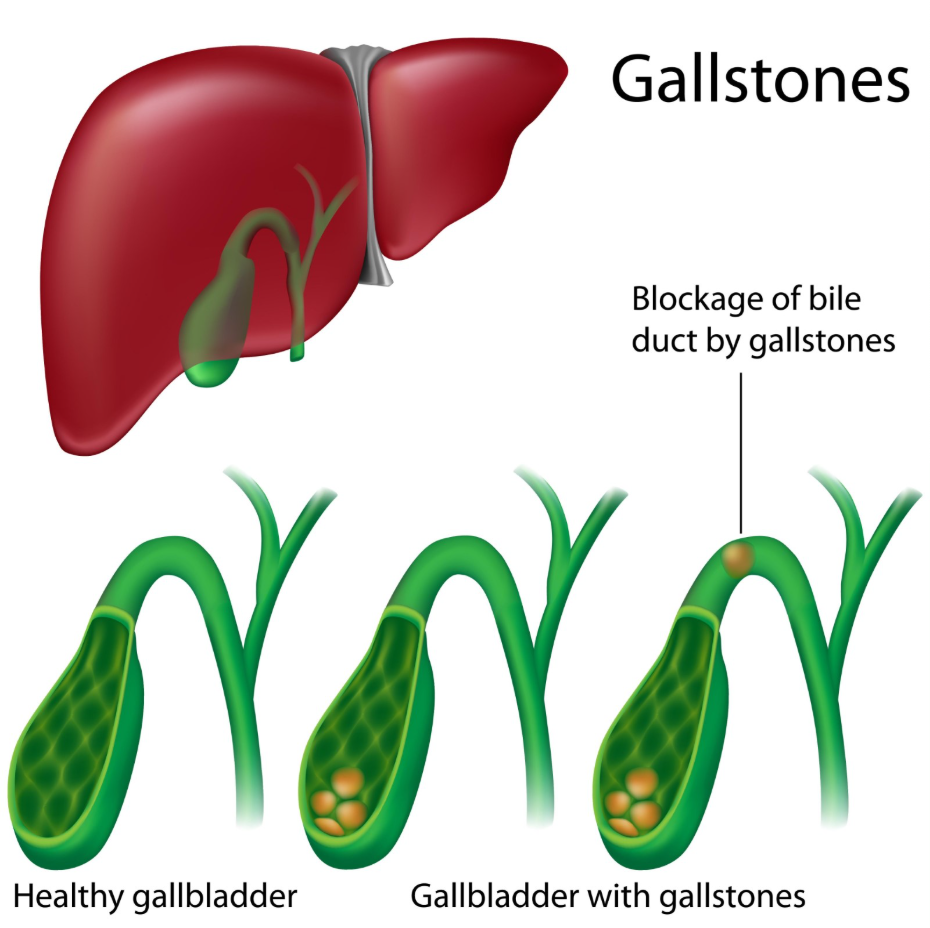
In the majority of cases, gallstones remain inside the gallbladder and do not cause any physical discomfort because they do not block any of the biliary ducts. Gallstones often do not cause any symptoms and you may not even know you have them. These stones only trigger a painful response, known as biliary colic, if they become trapped in the opening of the gallbladder or move into the bile ducts. If the stones remain free floating within the gallbladder and do not lead to inflammation or infection, they typically have no impact on a person’s daily life or digestive function. Consequently, national health guidelines in the UK do not usually recommend active treatment for stones that are not causing symptomatic distress.
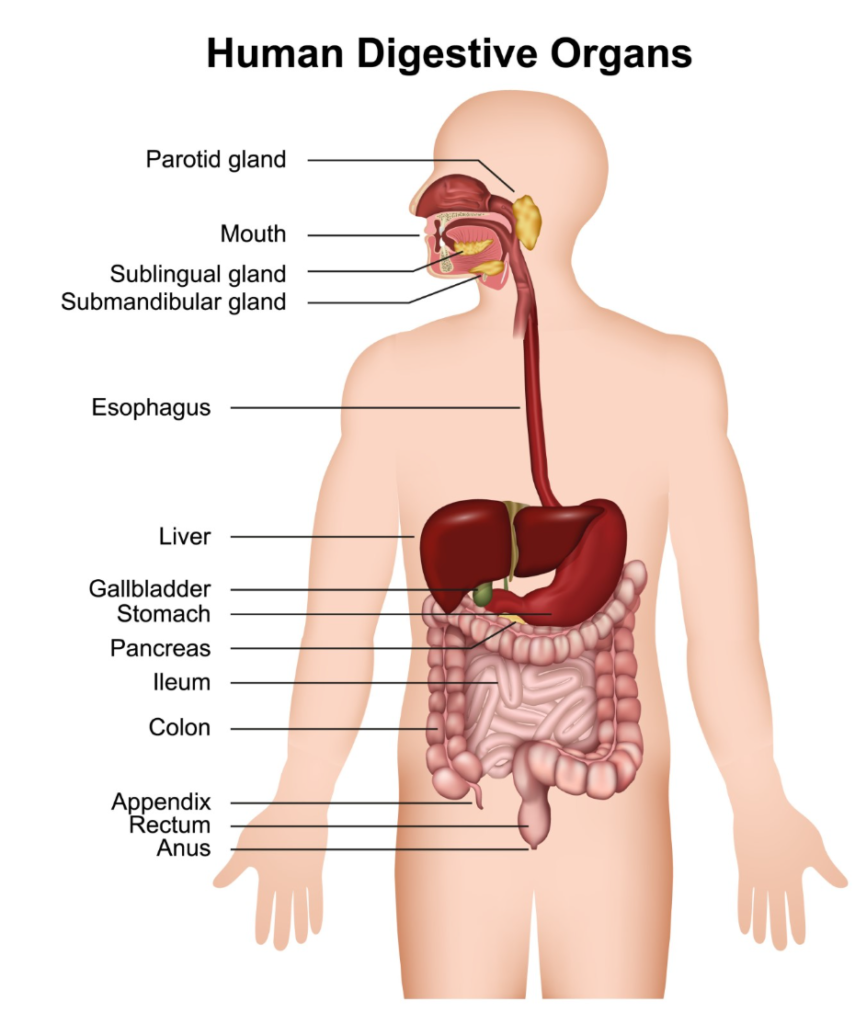
The incidental discovery of asymptomatic gallstones
Since silent gallstones do not produce pain, they are most frequently identified when a patient undergoes diagnostic imaging for an entirely different reason. For example, a person might have an ultrasound scan or a CT scan to investigate a suspected kidney issue or general abdominal discomfort, only for the radiologist to observe stones within the gallbladder.
In the United Kingdom, this incidental finding is quite common. Once identified, the clinician will typically assess whether the patient has ever experienced the characteristic sharp pain associated with gallbladder issues. If the patient has been entirely symptom free, the stones are documented as asymptomatic, and the focus shifts toward patient education regarding potential future signs to monitor.
Clinical management and the wait and see approach
For patients with confirmed gallstones but no symptoms, the standard clinical pathway in the UK is observation rather than surgery. According to the National Institute for Health and Care Excellence, most people with asymptomatic gallstones do not require treatment unless they develop symptoms. This conservative management is preferred because the risks associated with gallbladder surgery, although minor, generally outweigh the benefits for someone who is not experiencing pain or complications. Clinicians will advise patients on the symptoms of biliary colic, such as sudden and severe abdominal pain, so that the patient knows when the condition has changed and requires a medical review.
Transitioning from silent to symptomatic gallstones
While many gallstones remain silent for a lifetime, there is a possibility that a stone may eventually move and cause a blockage. If a stone becomes stuck in the cystic duct, it prevents bile from flowing out, leading to increased pressure and pain. Furthermore, if a gallstone blocks one of the bile ducts, it can lead to complications such as jaundice or inflammation of the gallbladder. The likelihood of a silent stone becoming symptomatic is relatively low each year, but certain lifestyle factors can influence this. For instance, consuming a very high fat meal can cause the gallbladder to contract vigorously, which may inadvertently push a silent stone into a position where it causes an obstruction and subsequent pain.
Maintaining gallbladder health with silent stones
Even when gallstones are not causing symptoms, it is beneficial to adopt dietary and lifestyle habits that support the healthy function of the biliary system. Maintaining a healthy weight and avoiding rapid weight loss are important strategies, as metabolic changes can affect the chemical balance of bile and potentially lead to the formation of more stones. A diet high in fibre and low in saturated fats is generally recommended to keep the gallbladder functioning efficiently. By following these preventative measures, individuals with silent gallstones can reduce the likelihood of developing the inflammation or blockages that necessitate surgical intervention or hospital care.
Conclusion
Gallstones frequently occur without any symptoms and are often discovered by chance during unrelated medical investigations. In the UK, these silent stones usually do not require treatment or surgery as long as they remain asymptomatic. National guidelines favour a conservative approach, focusing on monitoring and patient awareness of potential future symptoms. Maintaining a healthy lifestyle is the best way to support gallbladder function and reduce the risk of stones causing future complications. If you experience severe, sudden, or worsening symptoms, call 999 immediately.
Can silent gallstones disappear on their own?
Gallstones do not typically dissolve or disappear without medical intervention, but they can remain silent and harmless for many years.
Should I have my gallbladder removed if I have silent stones?
UK clinical guidance generally does not recommend surgery for asymptomatic stones unless there is a specific medical reason to do so.
What triggers a silent gallstone to cause pain?
Pain is usually triggered when a stone moves and blocks a duct, often after a meal that is high in fat.
Are silent gallstones more common in certain age groups?
The prevalence of gallstones increases with age, meaning silent stones are more frequently discovered in older adults in the UK.
Can I prevent silent gallstones from becoming symptomatic?
Maintaining a balanced, low-fat diet and a healthy weight can help reduce the chances of a stone causing a blockage.
How often should silent gallstones be monitored?
Your GP will usually only suggest further scans or reviews if you begin to experience new abdominal pain or digestive issues.
Can children have silent gallstones?
It is very rare in children and is usually associated with specific underlying health conditions rather than the common cholesterol stones found in adults.
Authority Snapshot (E-E-A-T Block)
This article was produced by the Medical Content Team to provide clear education on the nature of asymptomatic gallbladder stones. The content has been reviewed by Dr. Stefan Petrov, a UK-trained physician with experience in general medicine and emergency care, to ensure complete alignment with NHS and NICE clinical guidance. Our purpose is to help patients understand conservative management pathways through factual and restrained reporting.



