




Gallstones are small, hard deposits that form within the gallbladder, and while they are predominantly associated with older adults, they can technically develop at any stage of life. The biological process of stone formation is driven by chemical imbalances in the bile, which is the digestive fluid produced by the liver and stored in the gallbladder. In the United Kingdom, healthcare professionals observe that while the prevalence of gallstones increases significantly as individuals age, cases are also identified in younger adults and, on rare occasions, in children. Understanding how age interacts with other lifestyle and physiological factors is essential for recognising the signs of gallbladder distress. National health guidelines in the UK focus on identifying those at higher risk to ensure timely diagnosis and appropriate management, whether through monitoring or surgical intervention. By exploring the age-related aspects of gallbladder disease, patients can better understand their personal risk and the importance of maintaining a healthy digestive environment throughout their lives.
What We’ll Discuss in This Article
- The biological relationship between aging and gallstone formation
- Why the risk of gallbladder issues increases after the age of forty
- Factors that contribute to gallstones in younger adults
- Rare instances of gallbladder stones in children and adolescents
- How hormonal changes at different life stages affect bile chemistry
- Identifying lifestyle risk factors that transcend age groups
- UK clinical pathways for managing gallstones across different ages
While gallstones can occur at any age, they are much more common in people over the age of forty due to changes in bile metabolism
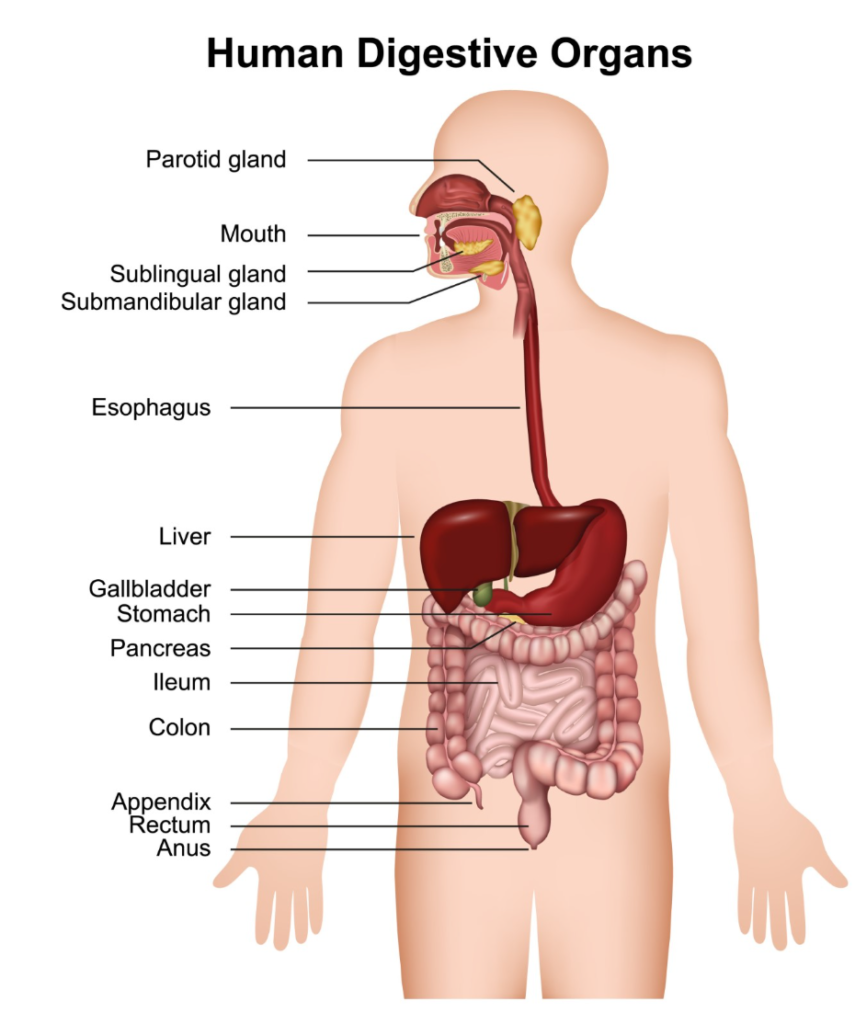
Statistical trends in the United Kingdom indicate a clear correlation between advancing age and the likelihood of developing gallbladder stones. You are more likely to develop gallstones if you are over 40 years old. As the body ages, the liver may secrete more cholesterol into the bile, and the gallbladder may not contract as efficiently as it once did. This combination of factors allows bile to become stagnant and overly concentrated, which provides the ideal conditions for crystals to form and eventually grow into solid stones. For this reason, many patients in the UK do not experience symptoms or receive a diagnosis until they reach middle age or later.
Gallstones in younger adults
Although the risk is lower compared to older populations, younger adults in their twenties and thirties can and do develop gallstones. In these age groups, the formation of stones is often linked to specific metabolic triggers or significant lifestyle changes. You are more likely to develop gallstones if you are overweight or obese, which is an increasingly common factor among younger people in the UK. Rapid weight loss, often following extreme dieting or bariatric surgery, can also cause the liver to release extra cholesterol into the bile, triggering stone formation. Additionally, young women are at a higher risk than young men, primarily due to the effects of oestrogen, which can be elevated during pregnancy or through the use of certain hormonal contraceptives.
Rare cases in children and adolescents
The occurrence of gallstones in children is considered rare in the United Kingdom and usually differs in cause from the cholesterol based stones found in adults. When children develop stones, they are often pigment stones, which are made of bilirubin rather than cholesterol. These are frequently associated with underlying medical conditions, such as blood disorders like sickle cell anaemia, where the rapid breakdown of red blood cells leads to a surplus of bilirubin in the bile. While diet and weight can occasionally play a role in adolescent cases, UK clinicians typically investigate systemic health issues or genetic predispositions when stones are discovered in very young patients.
Hormonal influences throughout the lifespan
Hormonal fluctuations at various stages of life play a significant role in the chemical composition of bile and the mechanical function of the gallbladder. Oestrogen is known to increase the concentration of cholesterol in bile, while progesterone can slow down the emptying of the gallbladder. This explains why women of childbearing age have a higher incidence of stones than men of the same age. According to the National Institute for Health and Care Excellence, hormonal factors including pregnancy and hormone replacement therapy are recognised risk factors for gallbladder disease. These biological influences mean that the risk profile for an individual can shift significantly depending on their life stage and hormonal health.
Clinical management across age groups
The NHS approach to treating gallstones remains consistent regardless of the patient’s age, focusing on whether the stones are causing symptoms or complications. For asymptomatic or “silent” stones, a conservative approach of monitoring is generally preferred across all age groups. However, if the stones cause persistent pain or lead to inflammation, surgical removal of the gallbladder is often recommended. In younger patients, clinicians may be more inclined to recommend surgery to prevent a lifetime of recurring symptoms, whereas in much older patients, the decision involves a careful balance of the benefits of surgery against the risks associated with general anaesthesia.
Conclusion
Gallstones can develop at any age, but the risk increases steadily as people get older, with the majority of cases occurring in those over forty. Younger adults may develop stones due to weight issues, rapid weight loss, or hormonal changes, while cases in children are typically linked to specific medical conditions. Maintaining a healthy weight and a balanced, high-fibre diet is the most effective way to support gallbladder health at any life stage. Understanding that age is just one factor allows for a more comprehensive view of digestive wellness. If you experience severe, sudden, or worsening symptoms, call 999 immediately.
Can teenagers get gallstones from a poor diet?
While a poor diet increases long-term risk, gallstones in teenagers are relatively uncommon and often involve other metabolic or genetic factors.
Why does the risk increase so much after forty?
Ageing affects how the liver processes cholesterol and how well the gallbladder empties, making the chemical imbalance that causes stones more likely.
Is gallbladder surgery safe for older adults?
Yes, cholecystectomy is a common procedure, though doctors in the UK carefully assess the fitness of older patients for surgery.
Can pregnancy at a young age cause gallstones?
Pregnancy increases oestrogen and progesterone levels, which can lead to stone formation even in very young women.
Are the symptoms the same for children and adults?
Children may have more difficulty describing the specific “sharp” pain, but the location in the upper right abdomen is generally consistent.
Does a family history mean I will get stones early?
Genetics can play a role, and if your parents developed stones at a young age, you may have a higher susceptibility.
Can I prevent gallstones as I get older?
Maintaining a healthy weight, staying active, and eating a low-fat, high-fibre diet can significantly lower your risk as you age.
Authority Snapshot (E-E-A-T Block)
This article was developed by the Medical Content Team to provide the general public with clear education on the age related risks of gallbladder disease. The content has been reviewed by Dr. Stefan Petrov, a UK-trained physician with experience in general medicine and emergency care, to ensure complete alignment with NHS and NICE clinical guidance. Our purpose is to help patients understand their health risks through factual and restrained reporting.



