Hepatitis infections are a primary cause of jaundice in adults because the resulting inflammation of the liver tissue disrupts the organ’s ability to process and excrete bilirubin. Jaundice occurs when bilirubin, a yellow pigment produced during the normal breakdown of red blood cells, accumulates in the bloodstream and subsequently deposits in the skin and the whites of the eyes. While the liver usually filters this substance efficiently, an infection causes cellular swelling and damage that prevents this filtration process from occurring correctly. In the United Kingdom, healthcare providers investigate jaundice as a key clinical indicator of various forms of hepatitis, ranging from short-term viral infections to chronic conditions. Understanding the relationship between liver inflammation and the manifestation of yellowing skin is essential for identifying when the liver is under significant metabolic stress. Because the liver is a central hub for detoxification, any infection-led interruption in its function can have systemic effects on the body’s chemistry.
What We’ll Discuss in This Article
- The biological mechanism of bilirubin processing in a healthy liver.
- How different types of viral hepatitis trigger liver inflammation.
- The distinction between acute and chronic hepatitis in relation to jaundice.
- Physical indicators of jaundice including changes in waste colour.
- Clinical pathways in the UK for diagnosing infection-related liver damage.
- The role of the immune system in causing secondary liver injury.
The Link Between Liver Inflammation and Jaundice
Hepatitis infections cause jaundice by inducing inflammation that impairs the hepatocytes’ ability to conjugate and transport bilirubin into the bile ducts. In a healthy state, the liver takes unconjugated bilirubin from the blood, makes it water-soluble, and sends it to the gallbladder and intestines. The NHS states that jaundice is caused by the build-up of bilirubin in the blood, which often happens because the liver is inflamed due to a hepatitis infection.
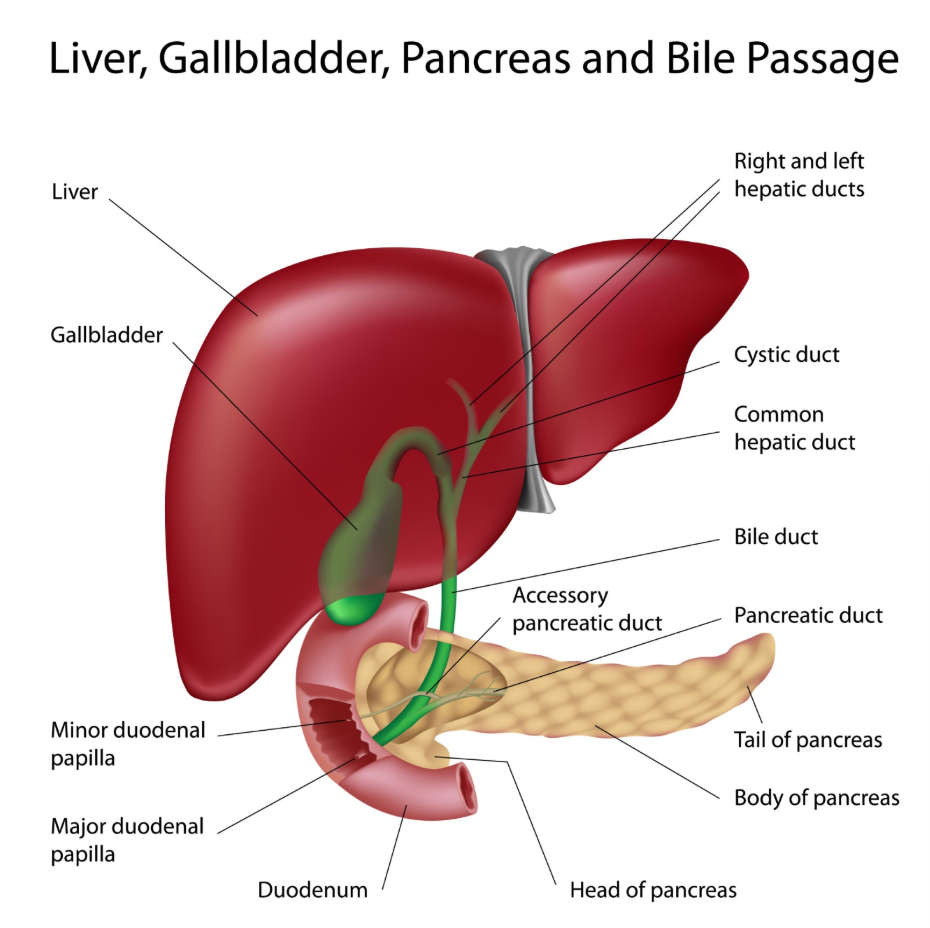
When a virus or other inflammatory agent attacks the liver, the cells become swollen and dysfunctional. This swelling can physically compress the small bile canaliculi within the liver, preventing the processed bile from leaving the organ. Consequently, the bilirubin leaks back into the circulatory system. Once blood levels reach a certain threshold, the pigment binds to elastic tissues in the body, most notably the sclera of the eyes and the skin, resulting in the characteristic yellow discoloration.
Viral Hepatitis Types and Symptom Manifestation
Different strains of viral hepatitis vary in how frequently they cause jaundice, with some acute infections showing clear symptoms while chronic cases may remain “silent” for many years. Hepatitis A and E are typically acute infections often associated with a sudden onset of jaundice, whereas Hepatitis B and C can become chronic and may only cause jaundice during an acute flare or once significant scarring has occurred.
| Hepatitis Type | Common Transmission | Jaundice Frequency |
| Hepatitis A | Contaminated food/water | Very common in acute phase |
| Hepatitis B | Blood/body fluids | Common in acute; rare in stable chronic |
| Hepatitis C | Blood-to-blood contact | Often absent until advanced damage |
| Hepatitis E | Undercooked pork/water | Common in acute infections |
In the United Kingdom, public health strategies focus on vaccination and screening to manage these risks. When an adult presents with jaundice alongside flu-like symptoms, clinicians prioritised blood tests to identify which specific virus might be responsible for the liver inflammation. The severity of the jaundice often correlates with the degree of acute liver cell injury, providing a visible gauge of the infection’s impact.
Acute versus Chronic Hepatitis Jaundice
Jaundice in acute hepatitis is typically a sign of immediate and widespread liver cell stress, while jaundice in chronic hepatitis often indicates that the disease has progressed to advanced scarring. In an acute infection, the immune system’s rapid response to the virus causes temporary but significant inflammation throughout the organ. This usually resolves as the infection clears, and the jaundice fades as the liver recovers its filtration capacity.
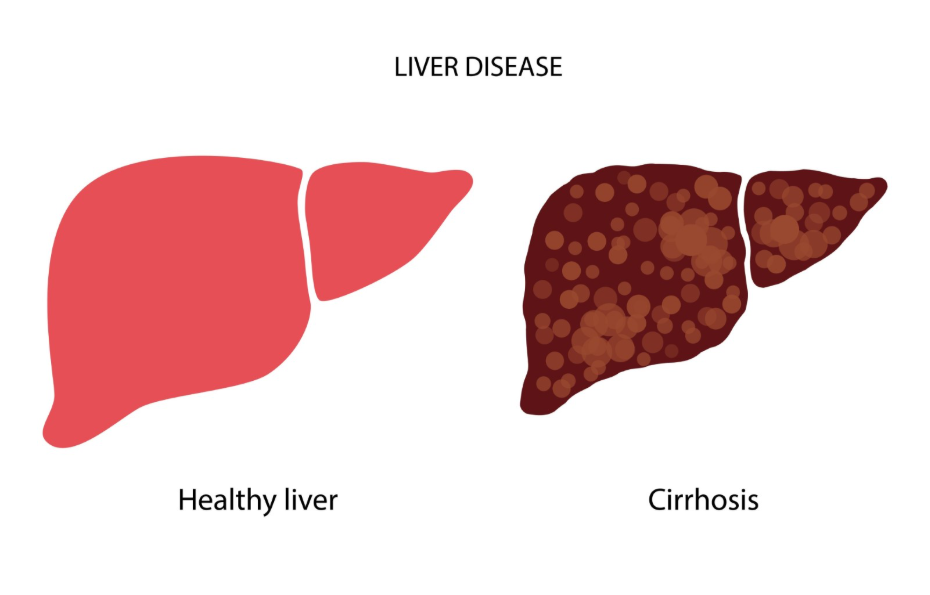
In chronic hepatitis, the liver may function adequately for decades without the patient ever appearing yellow. However, if the chronic inflammation leads to cirrhosis, the healthy tissue is replaced by permanent scar tissue. NICE clinical guidelines for the management of chronic hepatitis highlight that the appearance of jaundice in these patients can be a sign of liver failure or the development of complications that require urgent specialist review. This distinction is vital for long-term management, as it helps determine whether the jaundice is a temporary hurdle or a sign of structural organ decline.
Indicators of Infection-Related Liver Stress
Beyond the yellowing of the skin, hepatitis-related jaundice is often accompanied by specific changes in waste colour and systemic symptoms that reflect impaired bile flow. Because the bilirubin is not reaching the intestines correctly, stools may become pale or clay-coloured. Simultaneously, the kidneys attempt to filter the excess water-soluble bilirubin from the blood, leading to urine that is notably dark, often described as the colour of tea or cola.
Systemic symptoms often include:
- Extreme Fatigue: A profound lack of energy as the liver struggles with metabolic tasks.
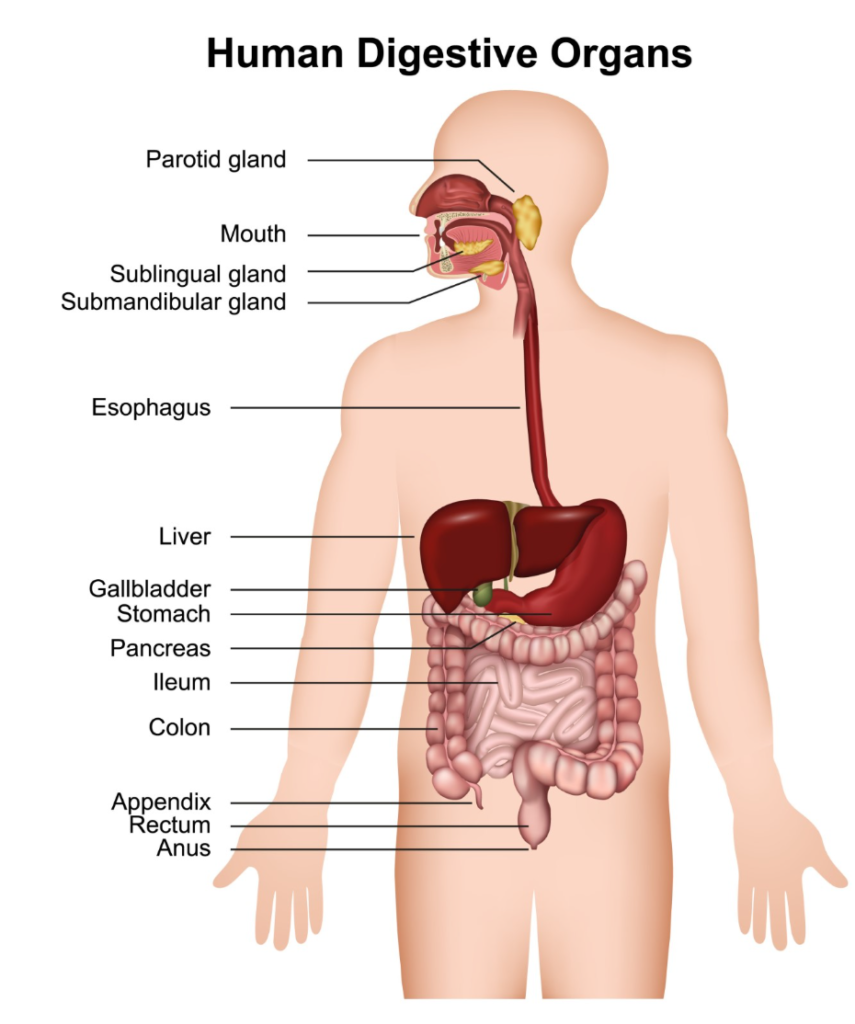
- Abdominal Discomfort: Tenderness in the upper right side where the liver is located.
- Loss of Appetite: Often accompanied by nausea or a general distaste for food.
- Joint and Muscle Pain: Common in the early stages of viral hepatitis.
In the UK, these combined symptoms prompt a specific diagnostic pathway. By looking at the “obstructive” versus “hepatocellular” pattern in blood tests, doctors can confirm if the jaundice is due to the liver cells being unable to work (as in hepatitis) or a physical blockage elsewhere in the biliary system.
Clinical Investigation and Public Health in the UK
The investigation of hepatitis-related jaundice in the UK involves a series of targeted blood tests known as liver function tests and viral serology. These tests measure specific enzymes, such as ALT and AST, which leak into the blood when liver cells are damaged by infection. Viral serology looks for antigens and antibodies to identify exactly which virus is present. According to the GOV.UK health pages, proactive screening and early diagnosis of viral hepatitis are essential for preventing the long-term progression to cirrhosis and liver cancer.
Once a diagnosis is confirmed, management focuses on supporting the liver while the body fights the virus, or in the case of Hepatitis B and C, using specific antiviral medications to suppress or clear the infection. Public health teams also work to identify the source of the infection and prevent further spread. Because jaundice is such a visible and definitive sign of liver distress, it serves as an important trigger for patients to seek medical advice, ensuring that the underlying hepatitis is identified and managed before permanent damage can occur.
Conclusion
Hepatitis infections are a major cause of jaundice in adults, resulting from liver inflammation that disrupts the normal processing of bilirubin. While acute infections often lead to a sudden and visible yellowing of the skin, chronic hepatitis may only cause jaundice once significant liver damage has occurred. Associated signs such as dark urine and pale stools provide further evidence of liver dysfunction. In the UK, structured clinical pathways involving blood tests and viral screening are used to identify the specific cause and initiate appropriate management. If you experience severe, sudden, or worsening symptoms, call 999 immediately.
Does everyone with hepatitis get jaundice?
No, many people with hepatitis, especially chronic Hepatitis C, may have no symptoms at all and never develop jaundice.
How long does jaundice last during a hepatitis infection?
In acute cases, it usually fades over several weeks as the liver inflammation subsides and the body clears the virus.
Is jaundice from hepatitis contagious?
Jaundice itself is a symptom and not contagious, but the viruses that cause hepatitis can be passed to others through various means.
Can alcohol-related hepatitis cause jaundice too?
Yes, heavy alcohol use can cause severe liver inflammation known as alcoholic hepatitis, which frequently results in jaundice.
Why does my urine turn dark when I have hepatitis?
When your liver is inflamed, it cannot move bilirubin into your gut, so your kidneys filter it out into your urine instead.
Will my skin stay yellow forever after hepatitis?
No, as the liver heals and the inflammation goes down, the bilirubin levels in your blood will drop and the yellow colour will fade.
What is the first sign of hepatitis before jaundice appears?
Many people feel like they have the flu, with tiredness, aching muscles, and a loss of appetite before any yellowing is seen.
Authority Snapshot (E-E-A-T)
This article provides medically factual health education regarding hepatitis and jaundice, strictly aligned with NHS and NICE clinical guidelines. The content is developed by a professional medical writing team and reviewed by Dr. Stefan Petrov, a UK-trained physician with experience in general medicine, surgery, and emergency care. All information follows current UK public health protocols to ensure clinical accuracy and patient safety.