




Lifestyle changes can significantly help improve jaundice by reducing the metabolic burden on the liver, thereby allowing the organ to recover its ability to process and excrete bilirubin more effectively. Jaundice occurs when bilirubin, a yellow pigment produced during the natural breakdown of red blood cells, accumulates in the blood because the liver or biliary system is unable to manage its filtration. In the United Kingdom, healthcare professionals often recommend specific adjustments to diet, alcohol consumption, and hydration as part of a comprehensive management plan for liver-related jaundice. While lifestyle modifications cannot physically clear a mechanical obstruction like a gallstone, they are essential for supporting the liver’s regenerative capacity in cases of inflammation, fatty liver disease, or toxic injury. By adopting liver-supportive habits, individuals can help stabilise their bilirubin levels and reduce the systemic impact of metabolic dysfunction. Because the liver is responsible for processing almost everything a person ingests, the relationship between daily habits and liver health is a cornerstone of recovery.
What We’ll Discuss in This Article
- The impact of alcohol reduction on liver inflammation and bilirubin processing.
- Dietary modifications to reduce the metabolic load on liver cells.
- The role of hydration in supporting the kidneys during jaundice.
- Managing weight to prevent and improve non-alcohol related fatty liver disease.
- Avoiding hepatotoxic substances and herbal supplements that stress the liver.
- UK clinical guidance on lifestyle support for chronic liver health.
Reducing Alcohol Consumption to Lower Liver Stress
Stopping or significantly reducing alcohol consumption is the most critical lifestyle change for improving jaundice caused by alcohol-related liver disease or acute inflammation. The liver is responsible for breaking down ethanol, a process that produces toxic byproducts that cause direct injury to hepatocytes and interfere with bilirubin conjugation. The NHS states that jaundice is often a sign of a liver problem and that cutting out alcohol can help the liver recover from damage.
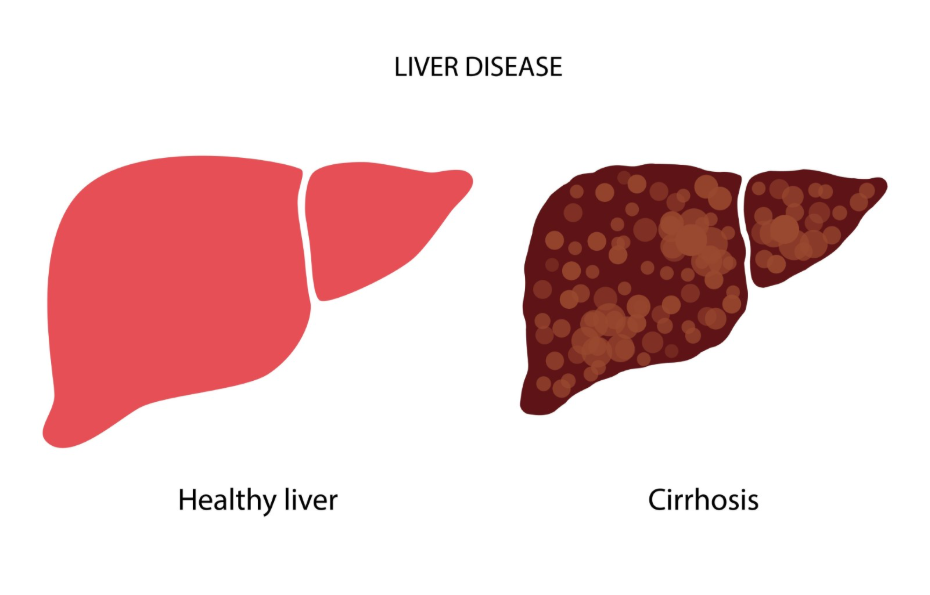
In cases of alcoholic hepatitis, the liver becomes swollen and its filtration pathways are blocked by inflammatory cells. By removing alcohol, the primary source of injury is eliminated, allowing the liver cells to regenerate and regain their function. In the United Kingdom, clinical management for liver-related jaundice always involves a detailed assessment of alcohol intake and provision of support for abstinence. For many individuals in the early stages of liver scarring, total abstinence can lead to a significant drop in bilirubin levels and the eventual disappearance of visible yellowing.
Dietary Adjustments for Liver Recovery
A balanced, nutrient-dense diet helps improve jaundice by providing the liver with the necessary precursors for protein synthesis while avoiding substances that cause further metabolic strain. When the liver is compromised, it may struggle to manage high levels of processed sugars and saturated fats, which can lead to further accumulation of fat within the liver cells.
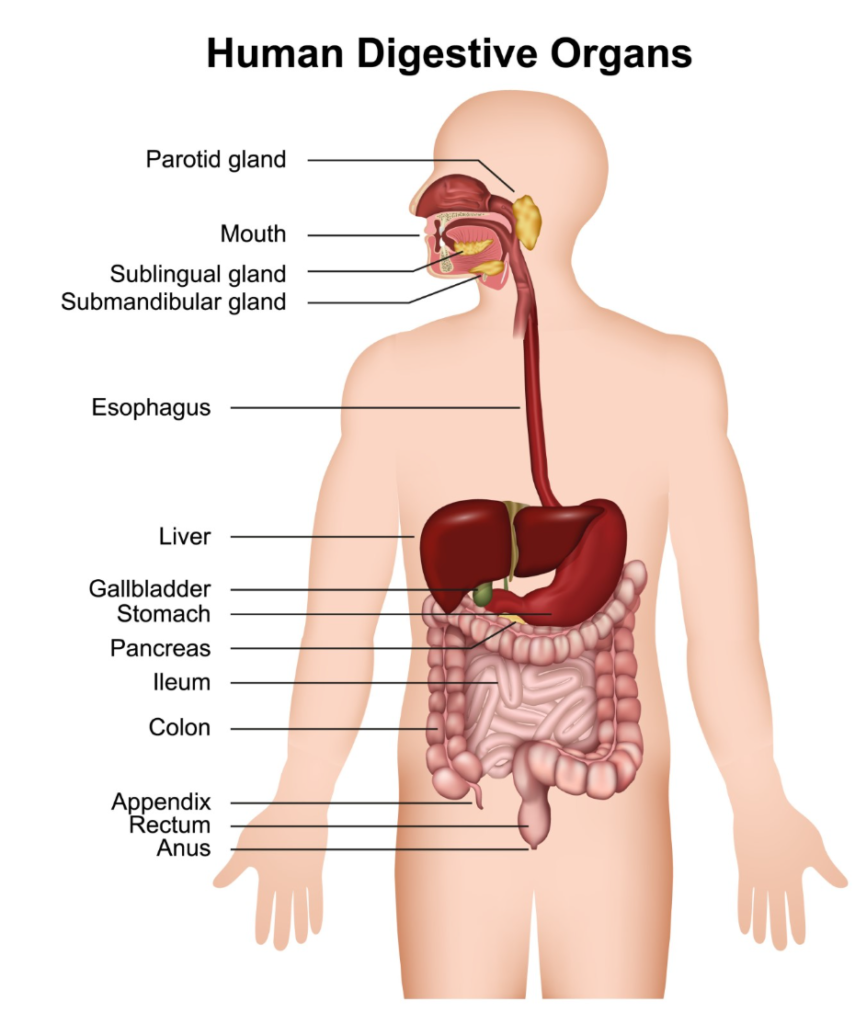
Recommended dietary changes in the UK for supporting liver health include:
- Reducing Saturated Fats: Lowering the intake of fried and highly processed foods to prevent further liver stress.
- Increasing Fibre: Consuming more vegetables, fruits, and whole grains to support digestive health and regular bowel movements.
- Managing Salt Intake: Reducing sodium helps prevent fluid retention, which is a common complication of advanced liver disease.
- Balanced Protein: Ensuring adequate protein intake is essential for liver repair, though this must be managed carefully in advanced cases under medical supervision.
A healthy diet ensures that the liver does not have to work harder than necessary to process waste products. For those with jaundice caused by non-alcohol related fatty liver disease, dietary changes are the primary method used to reduce liver fat and improve the organ’s overall filtration capacity.
The Importance of Hydration in Jaundice
Maintaining optimal hydration is a supportive lifestyle change that helps the body manage elevated bilirubin levels by assisting the kidneys in their secondary filtration role. While the liver is the primary site for bilirubin processing, the kidneys filter out water-soluble bilirubin that has backed up into the bloodstream.
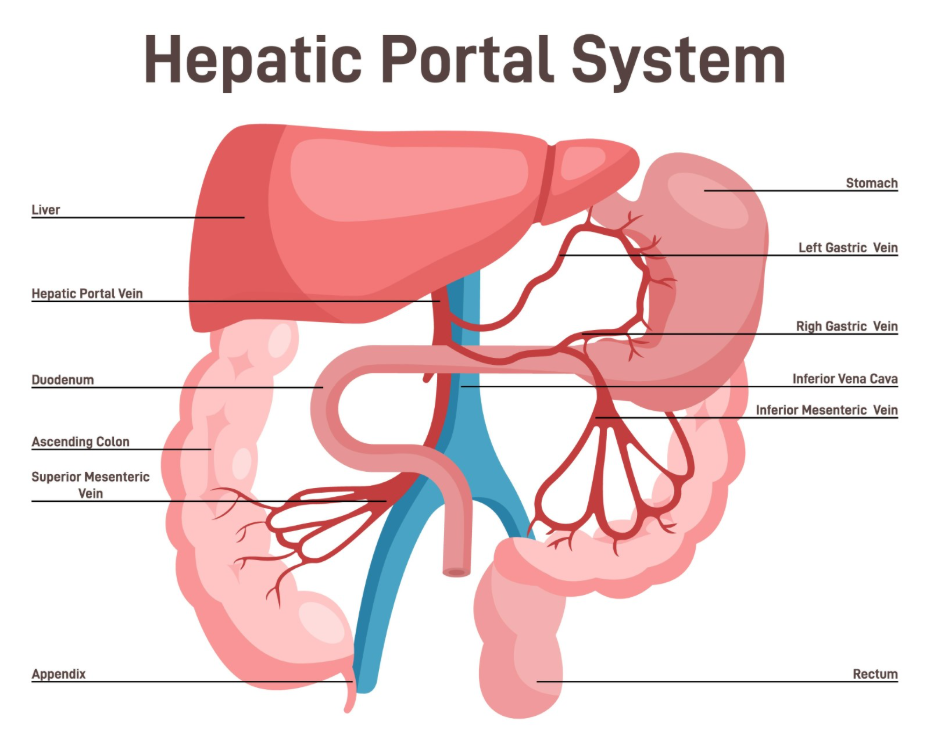
Adequate water intake ensures that the kidneys can function efficiently, which is reflected in the clearance of dark-coloured urine. In the UK, patients with jaundice are encouraged to drink plenty of water unless they have a specific medical reason to restrict fluids, such as advanced fluid retention. Hydration does not treat the cause of the jaundice, but it helps prevent the systemic dehydration that can occur when the body is under metabolic stress, thereby supporting the overall recovery of the biliary system.
Weight Management and Liver Function
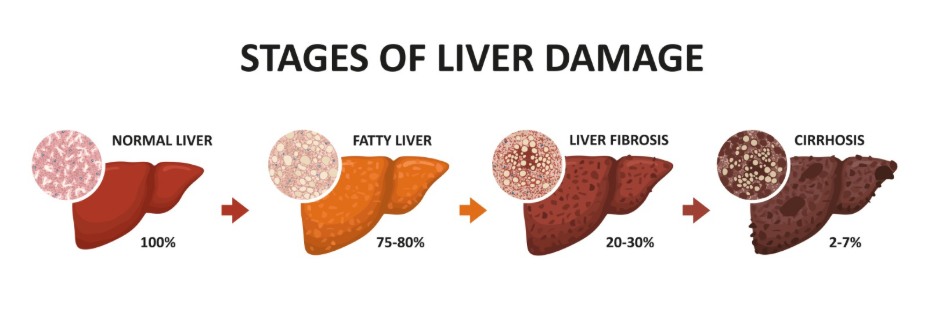
Achieving and maintaining a healthy weight through lifestyle changes is essential for improving jaundice associated with fatty liver disease and metabolic syndrome. Non-alcohol related fatty liver disease occurs when excess fat is stored in liver cells, leading to inflammation and, in some cases, jaundice. NICE clinical guidelines for the management of non-alcohol related fatty liver disease emphasise that weight loss through diet and exercise is the most effective way to reduce liver fat and improve organ function.
| Factor | Impact on Jaundice | Lifestyle Goal |
| High BMI | Increases fat in liver cells; causes inflammation. | Gradual, sustainable weight loss. |
| Physical Activity | Improves insulin sensitivity and reduces liver fat. | Regular moderate exercise. |
| Blood Sugar | High levels can cause further liver damage. | Controlled intake of refined sugars. |
In the United Kingdom, a structured approach to weight management is a key part of the clinical pathway for patients with liver-related symptoms. By reducing the amount of fat in the liver, the organ’s internal architecture is restored, allowing bile to flow more freely and the processing of bilirubin to return to normal.
Avoiding Toxins and Herbal Supplements
Avoiding over-the-counter toxins and unregulated herbal supplements is a vital lifestyle precaution for anyone experiencing jaundice, as these substances can cause further direct injury to a liver that is already under stress. Many substances, including high doses of common painkillers or certain traditional herbal remedies, are processed by the liver and can be harmful to liver cells in high concentrations.
According to the GOV.UK health pages, monitoring the use of medications and herbal products is a critical part of protecting the public from drug-induced liver injury. Patients in the UK are advised to check with a healthcare professional before starting any new supplement or medication if they have visible jaundice. Because the liver’s detoxification pathways are already compromised during jaundice, even a standard dose of a substance can sometimes become toxic, potentially worsening the yellowing and leading to more severe liver injury.
Clinical Monitoring of Lifestyle Impact
In the United Kingdom, the effectiveness of lifestyle changes on jaundice is monitored through regular blood tests and clinical reviews. Liver Function Tests measure the levels of bilirubin and liver enzymes to see if the organ’s health is improving in response to the changes. For example, a drop in specific enzymes often reflects a reduction in alcohol consumption or a clearance of a bile duct issue.
Healthcare teams in the NHS provide integrated support, including dietetic advice and alcohol cessation services, to help patients implement these changes successfully. While lifestyle modifications are powerful tools for liver recovery, they are used alongside diagnostic imaging and, where necessary, medical or surgical treatments. This multidisciplinary approach ensures that all factors contributing to the jaundice are addressed, leading to a more effective and durable recovery of liver function.
Conclusion
Lifestyle changes such as reducing alcohol intake, maintaining a balanced diet, and managing weight can significantly help improve jaundice by supporting the liver’s natural filtration and regenerative processes. These modifications reduce the metabolic load on liver cells, allowing bilirubin levels to stabilise and eventually decrease. In the UK, these habits are considered essential components of a long-term strategy for liver and biliary health. However, lifestyle changes should always be part of a clinically monitored management plan to ensure the underlying cause of the jaundice is correctly addressed. If you experience severe, sudden, or worsening symptoms, call 999 immediately.
Can I still drink small amounts of alcohol if I have jaundice?
If your jaundice is related to liver inflammation, you should avoid alcohol completely to allow your liver cells to heal without further toxic stress.
Is there a liver detox diet that works for jaundice?
There is no scientifically proven detox diet; the best approach is a balanced, low-fat, and low-sugar diet that reduces the liver’s overall workload.
How quickly will my skin clear if I stop drinking?
If the damage is reversible, the jaundice may begin to fade within a few weeks, but it can take longer for the pigment to clear completely from the tissues.
Will exercise help my jaundice go away faster?
Regular exercise helps improve general liver health and reduces liver fat, but it must be balanced with rest, especially if you feel weak or tired.
Can coffee help my liver?
CaSome studies suggest that moderate coffee consumption may have a protective effect on the liver, but it is not a primary treatment for active jaundice.
Why should I avoid herbal supplements when I have jaundice?
Many supplements are not strictly regulated and can contain ingredients that cause direct injury to liver cells, making your jaundice worse.
What is the best thing to drink for my liver?
Water is the best choice, as it supports your kidneys in filtering waste products without adding any chemical or caloric burden to your liver.
Authority Snapshot (E-E-A-T)
This article provides medically factual health education regarding lifestyle changes and jaundice, strictly aligned with NHS and NICE clinical guidelines. The content is developed by a professional medical writing team and reviewed by Dr. Stefan Petrov, a UK-trained physician with experience in general medicine, surgery, and emergency care. All information follows current UK public health protocols to ensure accuracy and patient safety.



