




Polycythaemia vera often leads to an enlarged spleen and other organ issues because the body produces an excessive volume of blood cells that the spleen must filter or produce itself. In the United Kingdom, healthcare professionals monitor organ health as part of a comprehensive management plan to prevent complications such as abdominal discomfort or vascular congestion. By utilised integrated NHS pathways, individuals receive a stable foundation for health maintenance, ensuring their functional independence within a validated medical environment focused on maintaining biological homeostasis and identifying the physical markers of organ involvement through regular specialist clinical reviews and diagnostic imaging.
What We’ll Discuss in This Article
- The biological mechanism behind an enlarged spleen in PV.
- Physical markers and symptoms of splenomegaly.
- How excessive blood cell production affects the liver.
- The impact of high blood viscosity on the kidneys and heart.
- Clinical methods used by the NHS to monitor organ health.
- Accessing integrated UK support pathways for specialist reviews.
The Biological Mechanism of Splenomegaly
The spleen typically becomes enlarged in polycythaemia vera because it is forced to process an abnormally high volume of red blood cells, white cells, and platelets. In the United Kingdom, clinical research highlights that the spleen may also attempt to assist the bone marrow by producing blood cells directly, a process known as extramedullary haematopoiesis. The NHS states that an enlarged spleen is common in polycythaemia vera and can cause discomfort or a feeling of fullness in the abdomen.
This increased workload causes the splenic tissue to expand, which can eventually lead to a significant increase in the organ’s physical size. In the UK, this professional framework provides a stable foundation for the health journey by identifying that organ volume is a primary physiological health factor. By utilised these integrated pathways, the healthcare system ensures that every person’s profile is supported through evidence-based understanding of their splenic function. This coordinated effort prioritises the safety of the individual within a validated medical environment that focuses on maintaining biological stability and preventing the mechanical pressure an enlarged organ can place on the digestive system.
Physical Markers and Symptoms of an Enlarged Spleen
Identifying the markers of an enlarged spleen, or splenomegaly, involve monitoring for a persistent feeling of fullness in the upper left side of the abdomen, even after eating only a small amount of food. In the United Kingdom, specialists recognise that as the spleen grows, it can press against the stomach, leading to early satiety and unintended weight loss. NICE clinical guidelines indicate that the size of the spleen should be assessed during routine physical examinations for patients with myeloproliferative neoplasms to monitor for disease progression.
| Clinical Feature | Healthy Spleen | Splenomegaly in PV |
| Physical Position | Tucked under the left ribcage. | May extend down toward the pelvis. |
| Palpability | Usually, cannot be felt by a doctor. | Can be felt during an abdominal exam. |
| Impact on Appetite | No effect on stomach capacity. | Causes a feeling of being full quickly. |
| Pain Level | None. | May cause dull aches or sharp pain. |
| Blood Filtration | Normal rate of cell removal. | Overworked due to excessive cell mass. |
In the UK, these biological markers are managed through integrated care plans that prioritise a person-centred approach. Identifying these physical markers helps the multidisciplinary team provide a secure environment for health maintenance. This professional oversight is essential for providing a safe and accurate understanding of the individual’s functional capability. By utilised these clinical assessments, the healthcare system provides a secure environment for building long-term health wellbeing through the identification of haematological triggers.
Impact on the Liver and Other Abdominal Organs
The liver can also become enlarged in polycythaemia vera, a condition known as hepatomegaly, due to increased blood volume and the potential for the liver to take over blood cell production. In the United Kingdom, healthcare professionals focus on the fact that thickened blood can also increase the risk of blood clots within the veins that supply the liver and gut. The GOV.UK health pages provide clinical profiles indicating that the monitoring of biological markers for organ health is a priority for ensuring integrated support through national specialist programmes.
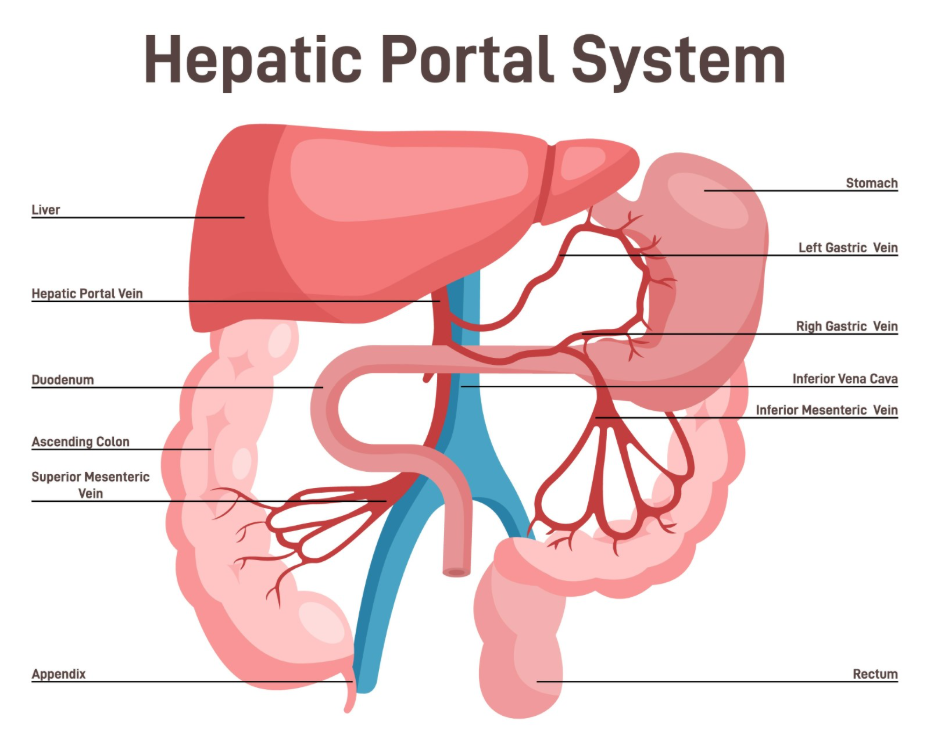
Clots in these specific vessels can lead to further organ stress and abdominal complications. In the UK, the focus is on providing a stable foundation where the individual’s liver function and systemic circulation are reviewed regularly by a specialist team. Identifying these underlying drivers allows for more targeted help that addresses the actual biological cause of organ congestion. By utilised these professional frameworks, the UK system provides a life-long framework of support that adapts to the person’s needs during different stages of adulthood.
High Blood Viscosity and the Kidneys and Heart
High haematocrit levels place significant mechanical stress on the heart and kidneys because the thickened blood requires higher pressure to circulate and can impair the fine filtration processes in the renal system. In the United Kingdom, healthcare professionals monitor for signs of hypertension and reduced kidney function, as these are common secondary risks of long-term hyperviscosity.
Systemic organ risks monitored in the UK include:
- Hypertension: Increased blood volume and thickness can raise blood pressure.
- Kidney Stones: High cell turnover leads to uric acid buildup, increasing stone risk.
- Gout: Uric acid crystals depositing in joints, often caused by rapid cell production.
- Cardiac Stress: The heart must work harder to pump viscous blood through the body.
- Peptic Ulcers: Increased risk of stomach lining irritation due to abnormal blood flow.
- Renal Filtration: Potential for reduced kidney efficiency over time.
- Tinnitus: Ringing in the ears caused by increased blood volume in small vessels.
In the UK, the focus is on providing a stable foundation for the individual to move forward with self-understanding of their systemic health. The NHS ensures that adults have a consistent point of contact for their health needs while they navigate their lives. By utilised these integrated pathways, the healthcare system provides a secure environment for building long-term health wellbeing across the UK population. This integrated approach ensures that the person’s unique way of functioning is respected within their home and social environment.
Clinical Methods to Monitor Organ Health
The diagnostic and monitoring pathway in the United Kingdom involves a sequence of physical examinations, blood assays, and imaging techniques to track the size and function of internal organs. In the United Kingdom, healthcare professionals utilise ultrasound or CT scans to provide a precise measurement of spleen and liver dimensions when physical exams suggest enlargement.
Monitoring steps managed in the UK include:
- Abdominal Palpation: Doctors manually checking for organ enlargement during reviews.
- Ultrasound Scanning: Using sound waves to get clear images of the spleen and liver.
- Liver Function Tests: Blood tests to ensure the liver is processing waste correctly.
- Kidney Function Tests: Monitoring creatinine and urea levels.
- Urate Monitoring: Checking uric acid levels to prevent gout and stones.
- Symptom Scoring: Asking patients about abdominal fullness or early satiety.
- Blood Pressure Checks: Regular monitoring to manage cardiovascular strain.
In the UK, the focus is on providing a stable foundation for the individual to move forward with self-understanding. The NHS ensures that adults and children have a consistent point of contact for their health needs. By utilised these integrated pathways, the healthcare system provides a secure environment for building long-term health wellbeing across the UK population. These strategies aim to work with the individual’s biology to restore a sense of purpose and stability.
Conclusion
Polycythaemia vera can lead to an enlarged spleen and other organ issues due to the biological demands of excessive blood cell production, requiring specialist haematological oversight within the UK healthcare framework. The NHS and professional bodies provide a robust system of multidisciplinary assessments and reviews to help individuals achieve stability and resilience. By focusing on both the biological roots of the condition and the need for clinical oversight, the system promotes the highest possible level of independence. Following a coordinated management plan with the help of medical experts ensures that unique adult needs are addressed holistically. If you experience severe, sudden, or worsening symptoms, call 999 immediately.
Why does my spleen feel heavy?
An enlarged spleen can become physically heavy and may cause a dull ache or a sense of weight in the upper left side of your abdomen.
Will my spleen go back to normal size with treatment?
Treatments like hydroxycarbamide can often help reduce the size of the spleen by lowering the number of blood cells the organ has to process.
Can an enlarged spleen burst?
While rare, an enlarged spleen is more vulnerable to injury, so you may be advised to avoid high-contact sports in the UK.
Does PV affect the kidneys directly?
The high cell turnover can increase uric acid, which affects the kidneys, and the thick blood can make the kidneys work harder.
How often will my spleen be checked?
In the UK, your haematologist will usually feel your abdomen at every clinic appointment to monitor any changes in spleen size.
Is liver enlargement common in PV?
It is less common than spleen enlargement but can happen as the liver tries to manage the increased volume of blood cells.
Who should I talk to first if I have new abdominal pain?
The first point of contact in the United Kingdom is usually your specialist haematology nurse or consultant at the hospital.
Authority Snapshot (E-E-A-T)
This article provides medically factual health education regarding organ issues in PV, strictly aligned with NHS and NICE clinical guidelines. The content is developed by a professional medical writing team and reviewed by Dr. Stefan Petrov, a UK-trained physician with experience in emergency care, surgery, and medical education. All information follows current UK public health protocols to ensure clinical accuracy and patient safety.



