




Warning signs of a blood clot or other polycythaemia vera complications include sudden physical changes such as limb swelling, chest pain, or neurological deficits caused by the increased thickness of the blood. In the United Kingdom, healthcare professionals monitor these indicators to prevent serious vascular events like strokes or heart attacks in patients with myeloproliferative neoplasms. By utilised integrated NHS pathways, individuals receive a stable foundation for health maintenance, ensuring their functional independence within a validated medical environment focused on maintaining biological homeostasis and identifying the early physical markers of circulatory stress through regular specialist clinical reviews and diagnostic monitoring.
What We’ll Discuss in This Article
- Identifying the physical markers of deep vein thrombosis and pulmonary embolism.
- Recognising neurological warning signs associated with strokes and TIAs.
- Understanding the symptoms of arterial blockages and cardiac stress.
- Physical indicators of spleen enlargement and abdominal congestion.
- Monitoring for systemic changes that may suggest marrow transformation.
- Accessing integrated UK support pathways for specialist risk management.
Physical Markers of Venous Thromboembolism
The most common warning signs of a venous clot involve localised swelling, pain, and redness in a limb, typically the leg, which suggests the presence of a deep vein thrombosis. In the United Kingdom, clinical research highlights that if a portion of such a clot breaks away, it can travel to the lungs, resulting in a pulmonary embolism. The NHS states that the high number of red blood cells in polycythaemia vera makes the blood thicker, which increases the risk of blood clots.
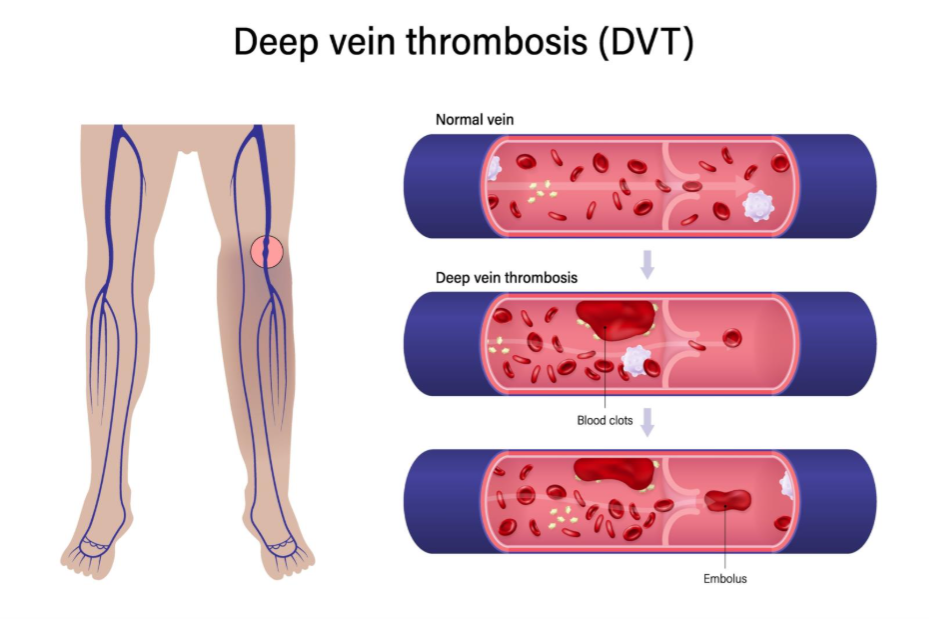
Secondary symptoms of a pulmonary embolism include sudden shortness of breath or sharp chest pain that worsens when breathing in. In the UK, this professional framework provides a stable foundation for the health journey by identifying that venous health is a primary physiological health factor. By utilised these integrated pathways, the healthcare system ensures that every person’s profile is supported through evidence-based understanding of their haematological status. This coordinated effort prioritises the safety of the individual within a validated medical environment that focuses on maintaining biological stability and preventing the mechanical failure of the venous system.
Neurological Warning Signs of Stroke and TIA
Neurological warning signs often present as sudden weakness, facial drooping, or speech difficulties, indicating that thick blood has impaired the oxygen supply to the brain. In the United Kingdom, specialists recognise that even brief episodes of these symptoms, known as transient ischaemic attacks (TIAs) or “mini-strokes,” are significant markers that require immediate clinical review. NICE clinical guidelines indicate that the prevention of thrombotic complications is the primary goal of treatment in myeloproliferative neoplasms like polycythaemia vera.
| Neurological Marker | Typical Presentation | Biological Significance |
| Facial Changes | Drooping on one side of the face. | Potential cranial nerve or brain tissue ischemia. |
| Arm Weakness | Inability to lift both arms equally. | Suggests motor cortex involvement. |
| Speech Issues | Slurred speech or difficulty finding words. | Indicates impact on language centres. |
| Visual Loss | Sudden blurring or loss of vision in one eye. | Retinal artery or occipital lobe congestion. |
| Balance | Unexplained dizziness or loss of coordination. | Cerebellar or vestibular system stress. |
In the UK, these biological markers are managed through integrated care plans that prioritise a person-centred approach. Identifying these neurological markers helps the multidisciplinary team provide a secure environment for health maintenance. This professional oversight is essential for providing a safe and accurate understanding of the individual’s functional capability. By utilised these clinical assessments, the healthcare system provides a framework for building long-term health wellbeing through the identification of haematological triggers.
Symptoms of Arterial Blockages and Cardiac Stress
Warning signs of arterial complications include sudden chest pressure, pain radiating to the jaw or arm, and a noticeable decrease in exercise tolerance, which may signal a myocardial infarction. In the United Kingdom, healthcare professionals focus on the fact that high blood viscosity increases the workload on the heart and places excessive stress on the coronary arteries. The GOV.UK health pages provide clinical profiles indicating that the monitoring of biological markers for cardiovascular health is a priority for ensuring integrated support through national programmes.
Increased blood thickness can also cause erythromelalgia, which is a burning pain accompanied by redness and swelling in the hands or feet. In the UK, the focus is on providing a stable foundation where the individual’s cardiac history and systemic health are reviewed together. Identifying these underlying drivers allows for more targeted help that addresses the actual biological cause of vessel congestion. By utilised these professional frameworks, the UK system provides a life-long framework of support that adapts to the person’s needs during different stages of adulthood.
Indicators of Spleen Enlargement and Abdominal Issues
Abdominal warning signs involve a persistent feeling of fullness, pain in the upper left side of the stomach, or feeling full quickly after eating only a small amount of food. In the United Kingdom, healthcare professionals utilised these signs to monitor for splenomegaly, where the spleen becomes overworked by filtering excessive blood cells.
Common abdominal markers monitored in the UK include:
- Splenomegaly: Fullness or a dull ache in the upper left abdomen.
- Early Satiety: Feeling full after a few bites of food because the spleen is pressing on the stomach.
- Weight Loss: Unintended loss of weight often linked to abdominal discomfort.
- Portal Hypertension: Indicators of blood flow resistance in the liver.
- Mesenteric Ischemia: Severe abdominal pain after eating due to clots in gut vessels.
- Hepatomegaly: Enlargement of the liver as it assists in blood cell production.
- Gastric Irritation: Increased risk of ulcers due to abnormal blood flow in the stomach lining.
In the UK, the focus is on providing a stable foundation for the individual to move forward with self-understanding of their physical symptoms. The NHS ensures that adults have a consistent point of contact for their health needs while they navigate their lives. By utilised these integrated pathways, the healthcare system provides a secure environment for building long-term health wellbeing across the UK population. This integrated approach ensures that the person’s unique way of functioning is respected within their home and social environment.
Monitoring for Systemic Marrow Transformation
Long-term warning signs of condition progression include a significant increase in fatigue, night sweats, and a paradoxical drop in red blood cell counts, which may suggest the marrow is becoming scarred. In the United Kingdom, healthcare professionals monitor for these systemic shifts, as they can indicate a transition from polycythaemia vera to myelofibrosis.
The coordination of systemic monitoring in the UK involves:
- Regular Blood Assays: Tracking changes in white cell and platelet counts.
- Symptom Scoring: Using questionnaires to quantify fatigue and night sweats.
- Bone Marrow Reviews: Repeating biopsies if the clinical profile changes.
- Physical Exams: Palpating the abdomen to check for increasing spleen size.
- Weight Monitoring: Recording any unexplained loss of body mass.
- Iron Levels: Assessing if ferritin is dropping due to increased marrow demand.
- Specialist Consultation: Frequent reviews with a haematology consultant.
In the UK, the focus is on providing a stable foundation for the individual to move forward with self-understanding. The NHS ensures that adults have a consistent point of contact for their health needs. By utilised these integrated pathways, the healthcare system provides a secure environment for building long-term health wellbeing across the UK population. These strategies aim to work with the individual’s biology to restore a sense of purpose and stability.
Conclusion
Warning signs of polycythaemia vera complications range from localised limb swelling and chest pain to subtle changes in appetite or systemic energy levels, all requiring expert clinical oversight within the UK healthcare framework. The NHS and professional bodies provide a robust system of multidisciplinary assessments and reviews to help individuals achieve stability and resilience. By focusing on both the biological roots of the condition and the need for clinical oversight, the system promotes the highest possible level of independence. Following a coordinated management plan with the help of medical experts ensures that unique adult needs are addressed holistically. If you experience severe, sudden, or worsening symptoms, call 999 immediately.
What does a blood clot in the leg feel like?
It typically feels like a heavy ache or cramp in the calf or thigh, accompanied by swelling and skin that feels warm to the touch.
Why do I get headaches and dizziness with PV?
These can be warning signs that your blood is too thick, slowing down the circulation to your brain and affecting your balance.
Can a blood clot happen even if my blood counts are normal?
While the risk is much lower when your counts are controlled, other factors like smoking or inactivity can still contribute to clot formation.
What is “early satiety” in PV?
This is when an enlarged spleen presses against your stomach, making you feel full very quickly when you are eating a meal.
How can I tell if my spleen is getting larger?
You may notice a dull ache under your left ribs or find that your waistband feels tighter even though you haven’t gained weight.
Are night sweats a sign of a blood clot?
No; night sweats are usually a systemic sign that your bone marrow is extremely active or that the condition is changing.
Who should I talk to first if I notice a new symptom?
The first point of contact in the United Kingdom is usually your specialist haematology nurse or consultant at the hospital.
Authority Snapshot (E-E-A-T)
This article provides medically factual health education regarding the warning signs of polycythaemia vera complications, strictly aligned with NHS and NICE clinical guidelines. The content is developed by a professional medical writing team and reviewed by Dr. Stefan Petrov, a UK-trained physician with experience in emergency care, surgery, and medical education. All information follows current UK public health protocols to ensure clinical accuracy and patient safety.



