




Colon polyps and diverticulitis share several clinical warning signs, such as rectal bleeding and persistent changes in bowel habits, which often overlap with the symptoms used to identify early-stage bowel cancer. While polyps are tissue overgrowths on the inner lining of the colon and diverticulitis is an inflammatory infection of small pouches in the bowel wall, both conditions occur within the same anatomical structure and can cause similar disruptions to gastrointestinal function. In the United Kingdom, healthcare professionals treat these overlapping symptoms with clinical vigilance because they can mask more serious underlying pathologies if not thoroughly investigated. The primary challenge in clinical evaluation is distinguishing between the relatively common “wear and tear” of diverticular disease and the potentially higher-risk cellular changes associated with specific types of polyps. Because these conditions are frequently found in the same age groups, the UK healthcare system utilises structured diagnostic pathways, including national screening programmes and visual inspections, to ensure that every potential warning sign is correctly attributed to its source. Understanding these shared indicators is essential for patients navigating bowel health, as it emphasises the necessity of professional review for any persistent change in gastrointestinal regularity. By identifying and managing these shared signs through evidence-based protocols, the NHS aims to provide comprehensive preventative care that addresses both inflammatory risks and cellular overgrowths.
What We’ll Discuss in This Article
- Overlapping symptoms: rectal bleeding and microscopic blood in the stool.
- Changes in bowel habits as shared indicators of structural issues.
- The clinical significance of unexplained iron deficiency anaemia.
- How abdominal discomfort and bloating manifest in both conditions.
- Differentiating inflammatory symptoms from cellular warning signs.
- UK clinical protocols for investigating shared gastrointestinal warnings.
Rectal Bleeding as a Common Warning Sign
Rectal bleeding is the most significant shared warning sign between colon polyps and diverticulitis, though the nature and cause of the bleeding differ between the two conditions. Polyps may bleed when their surface is irritated by the passage of waste, whereas diverticulitis causes bleeding when an inflamed pouch erodes a nearby blood vessel in the colon wall. The NHS states that bowel polyps are common and usually do not cause symptoms, but some can cause rectal bleeding or a change in bowel habits.
In diverticular disease, the bleeding is often more sudden and may involve a larger volume of blood, while bleeding from a polyp is typically intermittent and may not be visible to the naked eye. In the United Kingdom, any instance of rectal bleeding is treated as a high-priority warning sign that requires a formal investigation to rule out more serious conditions. Because blood in the stool is also a primary indicator for bowel cancer, clinicians do not rely on the appearance of the blood alone to make a distinction. Instead, a visual inspection like a colonoscopy is used to see if the source is a tissue growth, an inflamed pouch, or another common issue like haemorrhoids. This ensures that every warning sign is investigated with the same level of diagnostic rigour.
Persistent Changes in Bowel Habits
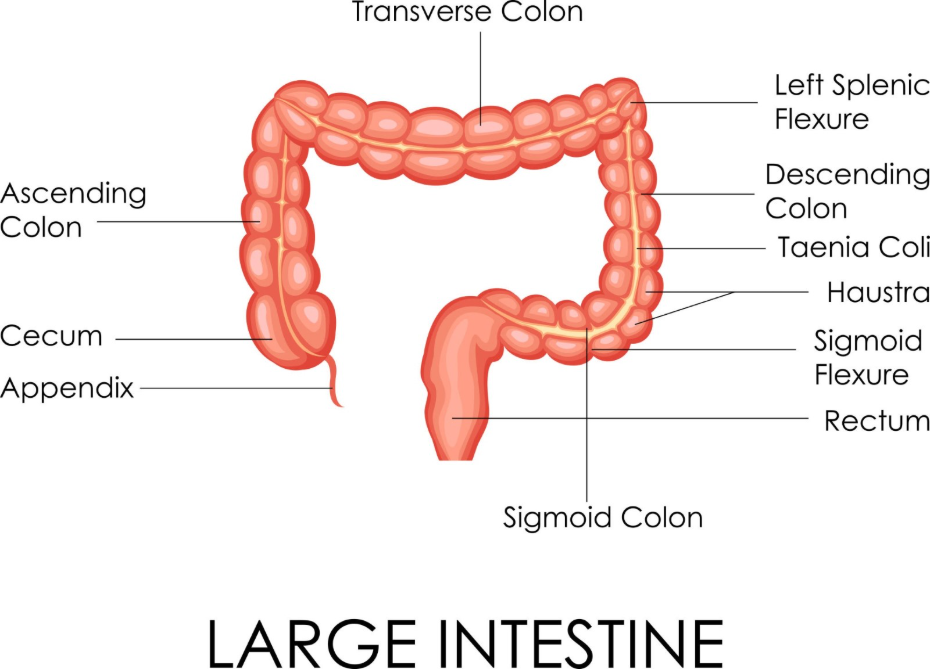
Both colon polyps and diverticulitis can cause a persistent change in bowel habits, such as constipation, diarrhoea, or a change in the consistency of the stool, which are also key warning signs for bowel cancer. Large polyps can act as a partial physical obstruction, making it difficult for waste to pass normally through the bowel lumen. Diverticulitis causes similar disruptions because the inflammation and swelling of the colon wall narrow the passage and make the bowel lining reactive.
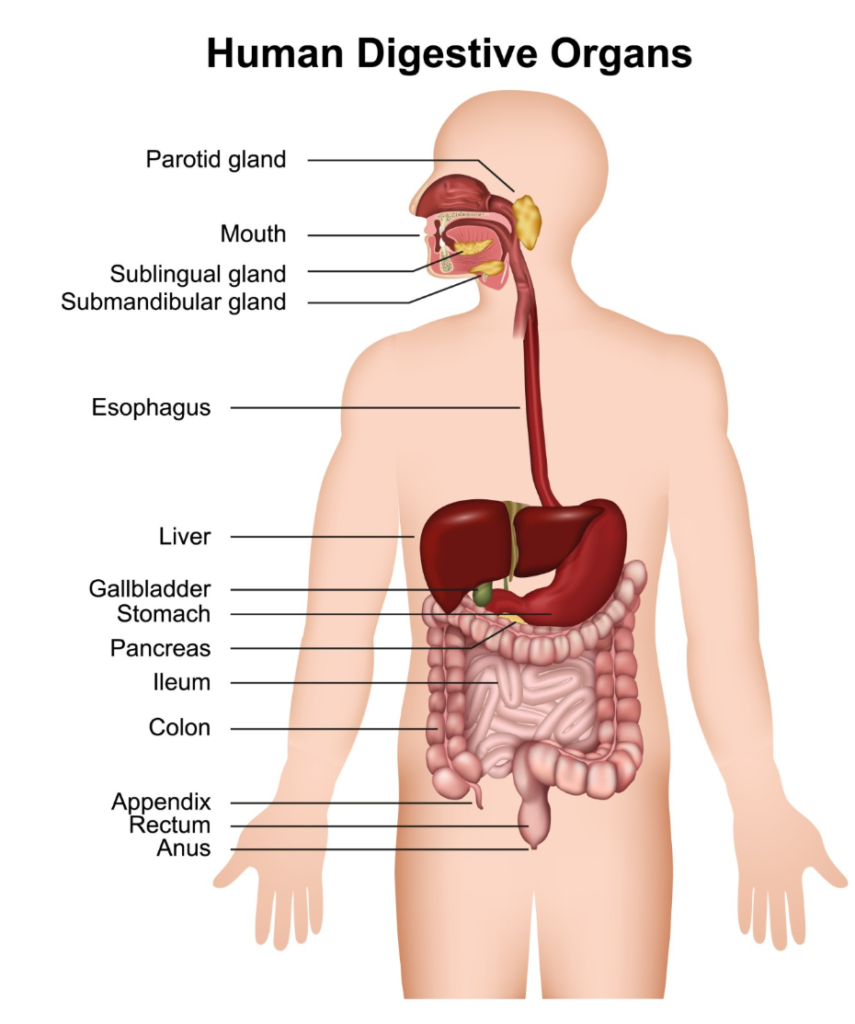
NICE clinical guidelines for colorectal cancer emphasise that an unexplained change in bowel habits lasting for three weeks or more is a clinical indicator that requires a referral for further investigation. Because the symptoms are functionally identical, it is impossible for an individual to determine the cause without professional medical tests. In UK clinical practice, the duration and persistence of these changes are the most important factors. If a change in regularity does not resolve after a few weeks, it suggests a structural or inflammatory issue that necessitates a visual check of the large intestine. By monitoring these functional shifts, the UK healthcare system can identify and manage polyps and diverticular issues before they lead to more significant complications.
Unexplained Iron Deficiency Anaemia
Unexplained iron deficiency anaemia is a secondary clinical warning sign shared by polyps and diverticular disease, often indicating that slow, microscopic bleeding is occurring somewhere in the gastrointestinal tract. When a polyp or an inflamed diverticular pouch bleeds in tiny amounts over a long period, the body can lose more iron than it can replace, leading to a drop in red blood cell counts.
| Condition | Mechanism of Anaemia | Clinical Detection |
| Colon Polyps | Chronic, slow oozing from the tissue surface. | Blood tests and stool tests (FIT). |
| Diverticulitis | Recurrent inflammation or low-level pouch bleeding. | Blood tests and inflammatory markers. |
| Bowel Cancer | Bleeding from a malignant growth. | Blood tests and direct visualisation. |
In the United Kingdom, iron deficiency anaemia in men or post-menopausal women is a significant “red-flag” sign that triggers an urgent investigation of the bowel. Because the bleeding is “occult” (hidden), the patient may not notice any blood in their stool but may feel fatigued or breathless. Doctors use blood tests to identify this deficiency and then use scans or colonoscopies to find the source. This pathway is a critical safety net in the UK, ensuring that silent polyps or chronic diverticular issues are identified through their biochemical impact even when physical symptoms are absent.
Abdominal Pain, Discomfort, and Bloating
Abdominal discomfort and bloating are shared symptoms that can indicate either the mechanical pressure of a large polyp or the acute inflammation of diverticulitis. In diverticulitis, the pain is typically sharp and localised, often occurring in the lower left side of the abdomen along with a fever. Large polyps can cause a more vague sense of fullness or cramping as the bowel works to move waste past the growth.
While polyps are generally painless, a growth that reaches a significant size can mimic the bloating and discomfort often reported by people with diverticular disease. In the UK, clinicians evaluate these symptoms by looking for accompanying signs of infection. If the discomfort is paired with a high temperature, it points toward diverticulitis. If the bloating is persistent and paired with a change in bowel habit but no fever, it may suggest a structural growth. Regardless of the suspected cause, these shared symptoms of pressure and irregularity are treated as indicators that the internal environment of the colon requires a clinical review to maintain the integrity of the bowel wall.
Differentiating Inflammatory Signs from Cellular Risks
A key distinction that UK doctors make when evaluating shared warning signs is identifying the presence of systemic inflammatory markers, which are common in diverticulitis but typically absent in patients with polyps. Diverticulitis is an active infectious process, meaning it usually triggers a rise in white blood cells and proteins like C-reactive protein (CRP) in the blood. NICE clinical guidelines for diverticular disease management identify the presence of fever and raised inflammatory markers as essential for diagnosing acute diverticulitis.
Polyps do not cause a fever or a rise in inflammatory markers because they are cellular overgrowths rather than infections. This biochemical difference is a vital tool used in the UK to help clinicians decide which diagnostic pathway a patient should follow. If a patient has rectal bleeding but no inflammation in their blood, the search for polyps or other structural issues becomes the priority. If inflammation is high, the immediate focus shifts to resolving the infection in the diverticular pouches. This integrated approach ensures that while the symptoms may be shared, the treatment is precisely targeted to the underlying biological cause.
UK Clinical Pathways for Shared Warning Signs
The United Kingdom uses integrated diagnostic pathways to ensure that shared warning signs are investigated efficiently and that no serious condition is overlooked due to symptom overlap. If a patient presents with “red-flag” symptoms like rectal bleeding or a persistent change in bowel habit, the standard UK protocol involves a sequence of tests starting with a physical examination and often followed by a stool test or a colonoscopy.
The GOV.UK health pages indicate that participation in national bowel screening and reporting persistent symptoms to a GP are the most effective ways to distinguish between different types of bowel conditions. The national screening programme is particularly effective at finding polyps in their asymptomatic stage by detecting the same microscopic blood that might also be shed by diverticula. If a screening result or a symptomatic review is abnormal, the patient is referred for a colonoscopy, which is the definitive method for seeing the difference between a polyp and a diverticular pouch. This coordinated care ensures that once the source of the shared warning sign is identified, the patient receives either a polypectomy to remove a growth or dietary advice to manage their diverticular health.
Conclusion
Colon polyps and diverticulitis share several cancer-related warning signs, most notably rectal bleeding and persistent changes in bowel habits. While these symptoms overlap, they represent different biological processes that require distinct clinical management in the UK. Doctors use a combination of physical exams, blood tests, and visual inspections like colonoscopies to determine the source of the symptoms. Regular participation in national screening and reporting any persistent bowel changes are essential for maintaining gastrointestinal stability. If you experience severe, sudden, or worsening symptoms, call 999 immediately.
If I have rectal bleeding, does it always mean I have polyps?
No; rectal bleeding can be caused by polyps, diverticular disease, or more common issues like haemorrhoids, which is why a medical review is necessary.
Can diverticulitis symptoms hide a polyp?
Yes, the inflammation from diverticulitis can sometimes mask other issues, so doctors often perform a follow-up check once the infection has cleared.
Why does the doctor check for anaemia if I have bowel symptoms?
Anaemia can be a sign of slow, hidden blood loss from a polyp or an inflamed bowel, which helps doctors identify a problem you might not see.
Are the warning signs of polyps always obvious?
Most polyps cause no symptoms at all, which is why regular screening is important even if you feel perfectly healthy.
Do polyps cause a fever?
No; a fever is a sign of infection, which is common in diverticulitis but not a feature of colon polyps.
Can a healthy diet stop these warning signs from appearing?
A high-fibre diet supports general bowel health and can reduce the risk of diverticular flare-ups, but it cannot remove existing polyps.
What is the first thing I should do if my bowel habits change?
In the UK, if a change in bowel habits lasts for three weeks or more, you should contact your GP for a review.
Authority Snapshot (E-E-A-T)
This article provides medically factual health education regarding shared warning signs of polyps and diverticulitis, strictly aligned with NHS and NICE clinical guidelines. The content is developed by a professional medical writing team and reviewed by Dr. Stefan Petrov, a UK-trained physician with extensive experience in emergency care, surgery, and general medicine. All information follows current UK public health protocols to ensure clinical accuracy and patient safety.



