




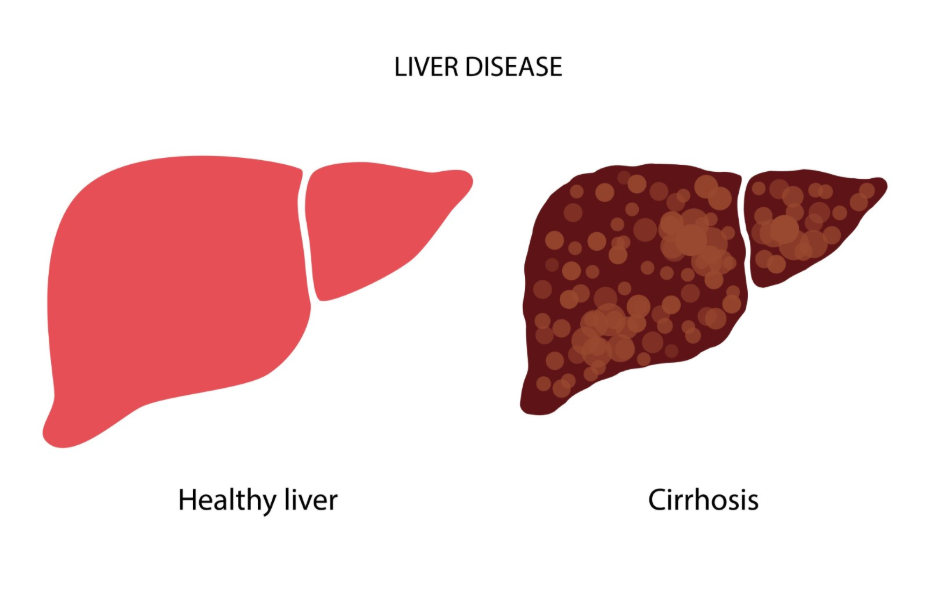
Dietary choices can reduce the risk of liver cancer in patients with cirrhosis by lowering systemic inflammation, preventing metabolic stress, and providing essential nutrients that support the remaining healthy liver cells. When a liver is affected by cirrhosis, the extensive scar tissue creates an environment where cellular mutations are more likely to occur, particularly if the organ is subjected to further injury from poor nutrition or obesity. In the United Kingdom, medical management of advanced liver disease emphasises the importance of a balanced diet to prevent the development of hepatocellular carcinoma, which is the most common form of primary liver cancer. By maintaining a stable weight and avoiding substances that irritate the liver tissue, individuals can help stabilise their condition and reduce the biological triggers that lead to malignant changes. Proper nutrition also helps the body manage the complications of cirrhosis, ensuring that the liver remains as functional as possible for as long as possible.
What We’ll Discuss in This Article
- The role of weight management in reducing metabolic stress on the liver.
- Why reducing sugar and refined carbohydrates lowers cancer promoting insulin levels.
- The impact of protein intake on maintaining muscle mass and liver health.
- How specific dietary patterns, such as the Mediterranean diet, protect liver cells.
- The importance of total alcohol abstinence for preventing secondary damage.
- NHS recommendations for vitamins and minerals in patients with liver scarring.
The Importance of Maintaining a Healthy Weight
Maintaining a healthy body weight is one of the most effective ways to reduce liver cancer risk because obesity causes chronic inflammation that accelerates the progression of liver damage. Excess body fat, particularly visceral fat stored around the abdomen, releases inflammatory chemicals that can promote the growth of cancerous cells within a cirrhotic liver. The NHS states that primary liver cancer is often associated with damage and scarring of the liver, known as cirrhosis, which can be caused by obesity and related metabolic issues.
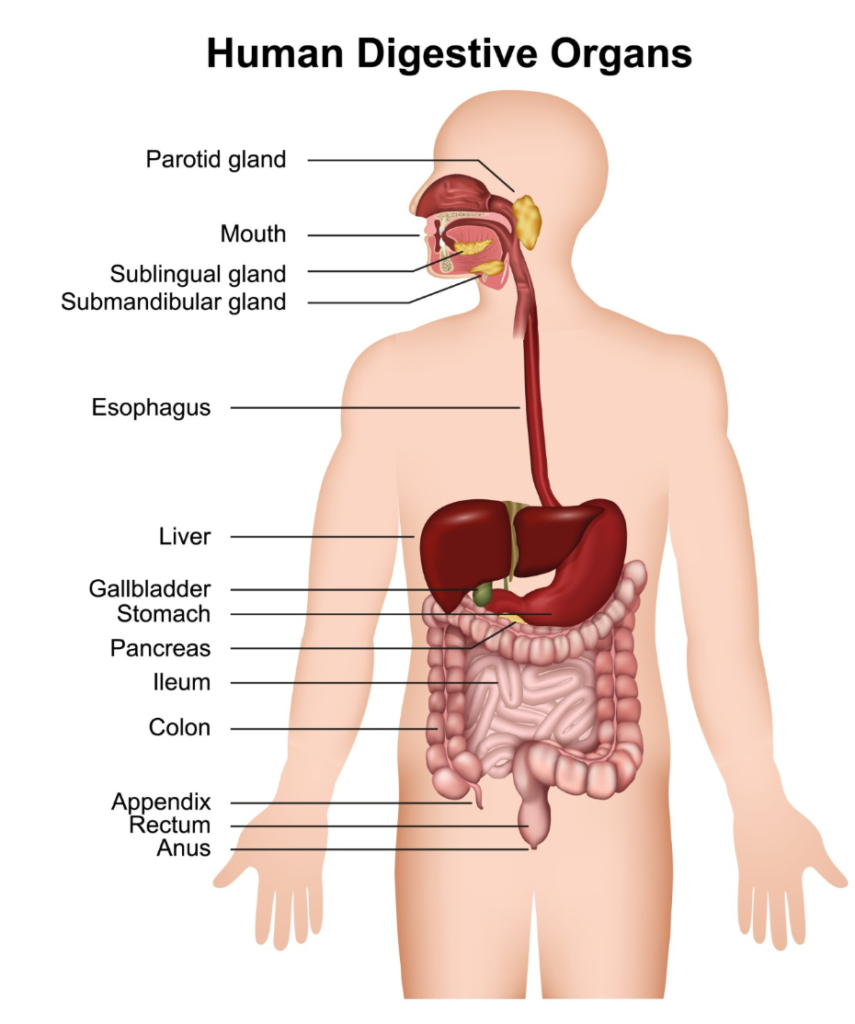
In the UK, healthcare providers monitor Body Mass Index and waist circumference as key indicators of metabolic health. When a person with cirrhosis is overweight, their liver must process a higher load of fatty acids, which creates oxidative stress and damages cellular DNA. By achieving a stable and healthy weight through gradual dietary changes, patients can lower this metabolic burden and create a more stable environment that is less conducive to tumour development.
Reducing Sugar and Regulating Insulin Levels
Reducing the intake of free sugars and refined carbohydrates helps lower the risk of liver cancer by regulating insulin and insulin like growth factor levels in the blood. High levels of these hormones, often caused by diets high in sugar, act as signals that tell cells to divide more rapidly. In a cirrhotic liver, where cells are already under stress, this hormonal stimulation can inadvertently trigger the uncontrolled growth of malignant cells.
A diet focused on low glycaemic index foods, such as whole grains, legumes, and non starchy vegetables, ensures that blood sugar levels remain stable. This prevented spike in insulin reduces the constant growth pressure on the liver tissue. NICE clinical guidelines highlight that managing metabolic risk factors, including blood glucose levels, is a fundamental part of the care plan for people with chronic liver disease. Avoiding sugary drinks and processed snacks is a critical step in removing the metabolic “fuel” that can support tumour progression.
The Role of Protein and Preventing Malnutrition
Ensuring adequate protein intake is essential for patients with cirrhosis to prevent muscle wasting, which is a common complication that can weaken the immune system and increase cancer susceptibility. The liver is responsible for producing proteins like albumin, and when it is scarred, it may struggle to keep up with the body’s needs. If a patient becomes malnourished, the body’s ability to repair damaged cells and identify abnormal growth is severely compromised.
Individuals with cirrhosis are often advised to eat small, frequent meals containing high quality protein sources such as fish, poultry, beans, and lentils. In the UK, dietitians may also recommend a high protein snack before bed to prevent the body from breaking down muscle tissue overnight. By maintaining muscle mass and nutritional status, patients provide their body with the biological resources needed to maintain liver stability and support the immune system in its role of monitoring for cancerous changes.
Adopting Liver Protective Dietary Patterns
Adopting a Mediterranean style diet is widely recommended in the UK for liver health because it is rich in antioxidants and anti inflammatory compounds that protect liver cells from DNA damage. This dietary pattern emphasises the use of healthy unsaturated fats, particularly olive oil, and a high intake of fruits and vegetables that contain natural phytochemicals. These substances help neutralise free radicals that would otherwise irritate the scarred liver tissue.
| Food Group | Recommended Choices | Reason for Liver Protection |
| Healthy Fats | Olive oil, nuts, seeds | Reduces systemic inflammation and supports cell membranes. |
| Fibrous Carbohydrates | Oats, barley, brown rice | Stabilises blood sugar and reduces insulin demand. |
| Antioxidants | Berries, leafy greens, coffee | Protects DNA from oxidative stress and mutations. |
| Protein | Tofu, eggs, white fish | Maintains muscle mass without excessive saturated fat. |
Some studies suggested by UK health organisations also indicate that moderate coffee consumption may have a protective effect against liver cancer in patients with chronic liver disease. This is thought to be due to the specific antioxidants in coffee that help reduce liver stiffness and inflammation. While no single food is a “cure,” the combination of these nutrient dense choices creates a supportive environment that helps the liver resist further deterioration.
Total Abstinence from Alcohol
Total abstinence from alcohol is the most critical dietary requirement for reducing liver cancer risk because alcohol acts as a direct carcinogen and causes a “double hit” of damage to a cirrhotic liver. Even small amounts of alcohol can trigger significant inflammation and accelerate the rate of cellular mutations in an already scarred organ. The breakdown of alcohol produces acetaldehyde, a toxic chemical that directly interferes with the body’s ability to repair DNA.
The GOV.UK health pages indicate that alcohol consumption is a major preventable risk factor for liver cancer, especially in those who already have existing liver scarring. For individuals with cirrhosis, there is no “safe” limit for alcohol. Removing this toxic stress is the most immediate way to lower the likelihood of new tumours developing and to preserve the function of the remaining healthy liver tissue.
Conclusion
Diet reduces the risk of liver cancer in cirrhosis by managing weight, regulating insulin levels, and providing the body with anti-inflammatory nutrients. By focusing on a balanced, protein rich diet and avoiding sugar and alcohol, patients can significantly decrease the metabolic stress on their liver. Consistent clinical monitoring alongside these dietary habits provides the best opportunity for long term health and the early detection of complications. Maintaining good nutritional status is a cornerstone of advanced liver disease management in the United Kingdom. If you experience severe, sudden, or worsening symptoms, call 999 immediately.
Can I ever eat sugar if I have cirrhosis?
It is best to limit free sugars as much as possible to keep insulin levels stable and reduce liver stress.
Is coffee really good for the liver?
Moderate coffee consumption has shown protective benefits in several studies, but it should be part of a balanced diet.
Why do I need more protein if my liver is scarred?
Cirrhosis can cause your body to burn through muscle for energy, so extra protein is needed to prevent wasting and support your immune system.
Are there any “superfoods” for liver cancer prevention?
There are no magic foods; the most important factor is the overall pattern of your diet, such as a Mediterranean style approach.
Should I take vitamin supplements?
You should only take supplements if advised by your GP or specialist, as some vitamins can be hard for a scarred liver to process.
Can I drink alcohol if my cirrhosis is “compensated”?
No, even if you feel well, alcohol continues to damage the liver and significantly increases your risk of developing cancer.
How does weight loss help if I already have scars?
Weight loss reduces the inflammation caused by fat, which stops new scars from forming and makes the environment less likely to grow tumours.
Authority Snapshot (E-E-A-T)
This article provides medically factual health education regarding diet and liver cancer risk, strictly aligned with NHS and NICE clinical guidelines. The content is developed by a professional medical writing team and reviewed by Dr. Stefan Petrov, a UK-trained physician with experience in general medicine, surgery, and emergency care. All information follows current UK public health protocols to ensure clinical accuracy and patient safety.



