




Weight loss is the primary clinical recommendation for reversing fatty liver disease because it directly reduces the accumulation of fat within liver cells and lowers the systemic inflammation that drives the progression toward cirrhosis. The liver is a highly resilient organ capable of regenerating healthy tissue when the metabolic stress caused by excess body fat is alleviated. In the United Kingdom, non-alcoholic fatty liver disease is closely linked to being overweight, particularly when excess fat is stored around the abdomen. By achieving a sustainable reduction in body weight, individuals can improve their insulin sensitivity and allow the liver to clear stored lipids more efficiently. This process not only addresses the immediate presence of fat but also significantly lowers the probability of developing permanent liver scarring. Understanding the biological impact of weight management is essential for anyone looking to protect their long-term liver health and prevent advanced complications.
What We’ll Discuss in This Article
- The biological process of fat removal from liver tissue during weight loss.
- How a reduction in body mass stops the cycle of liver inflammation.
- The specific percentage of weight loss required to see clinical improvements.
- The relationship between visceral fat reduction and liver health.
- How preventing the progression of fibrosis lowers the risk of cirrhosis.
- NHS recommendations for safe and sustainable weight management strategies.
The Mechanism of Liver Fat Reduction
Weight loss reverses fatty liver disease by forcing the body to use stored triglycerides for energy, which decreases the total volume of fat held within the hepatocytes. When an individual consumes fewer calories than they expend, the body mobilises fat from various stores, including the liver, to meet its energy demands. The NHS states that there is currently no specific medicine for non-alcoholic fatty liver disease, but making healthy lifestyle choices can stop the condition from getting worse and may even reverse it.
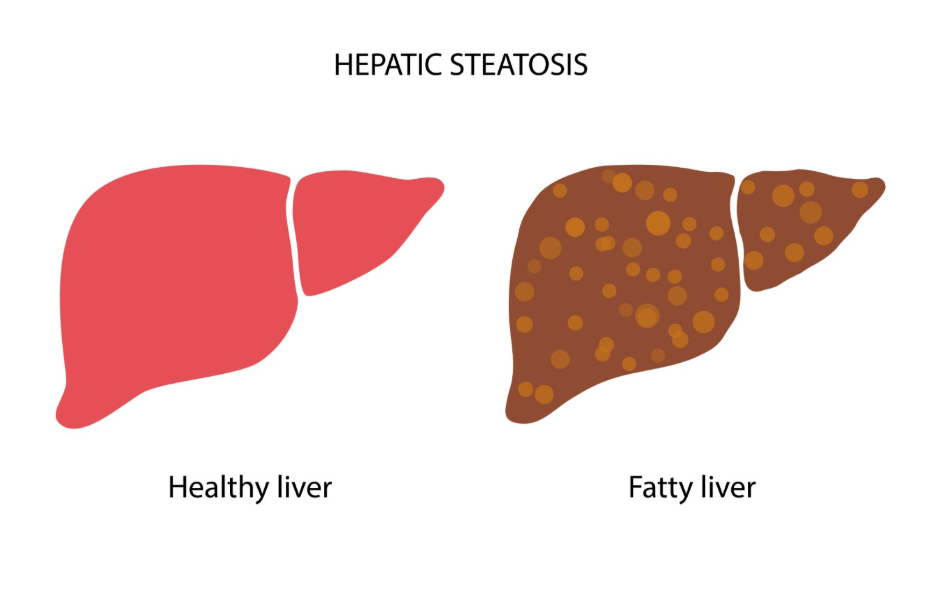
As the fat content of the liver decreases, the physical pressure on the liver cells is reduced. This allows the cells to regain their normal metabolic functions and improves the organ’s ability to filter the blood. In the UK, the focus is on gradual weight loss rather than rapid changes, as a steady approach ensures that the liver is not overwhelmed by a sudden flood of fatty acids being released into the bloodstream from other fat stores.
Stopping the Inflammatory Cycle
Losing weight is critical for reducing cirrhosis risk because it interrupts the inflammatory response that leads to the formation of scar tissue. In fatty liver disease, excess fat triggers the immune system to release inflammatory chemicals, a state known as steatohepatitis. If this inflammation persists, it activates specialised cells that produce collagen, eventually leading to permanent scarring.
By reducing liver fat through weight loss, the primary trigger for this inflammation is removed. This allows the liver to shift from a state of constant “wound healing” back to a state of normal maintenance. Clinical evidence suggests that even early stages of liver scarring, or fibrosis, can show signs of regression when the underlying inflammation is successfully resolved through weight management. This makes weight loss a powerful tool for preventing the structural distortion of the liver that defines cirrhosis.
Identifying Weight Loss Targets for Clinical Improvement
The degree of liver improvement is often proportional to the amount of weight lost, with specific thresholds identified for reversing different stages of the disease. While even a small amount of weight loss is beneficial, reaching certain percentages of total body weight reduction is linked to more significant cellular changes. NICE clinical guidelines highlight that a weight loss of 5% to 10% is usually recommended to reduce liver fat and improve inflammation in people with non-alcoholic fatty liver disease.
| Weight Loss Percentage | Primary Clinical Impact |
| Over 3% | Significant reduction in liver fat (steatosis). |
| Over 5% | Reduction in liver cell inflammation and swelling. |
| Over 7% | Improvement in non-alcoholic steatohepatitis (NASH). |
| Over 10% | Potential for regression of early-stage liver scarring. |
These targets provide a clear framework for patients and clinicians in the UK to monitor progress. Achieving a 10% weight loss is particularly significant as it has been shown in clinical trials to not only resolve inflammation but also help the body break down early fibrous tissue, directly lowering the long-term risk of progressing to advanced cirrhosis.
The Importance of Visceral Fat Reduction
Weight loss is most effective at protecting the liver when it results in the reduction of visceral fat, which is the fat stored deep inside the abdomen around the internal organs. Visceral fat is metabolically active and releases inflammatory markers and free fatty acids directly into the portal vein, which drains straight into the liver.
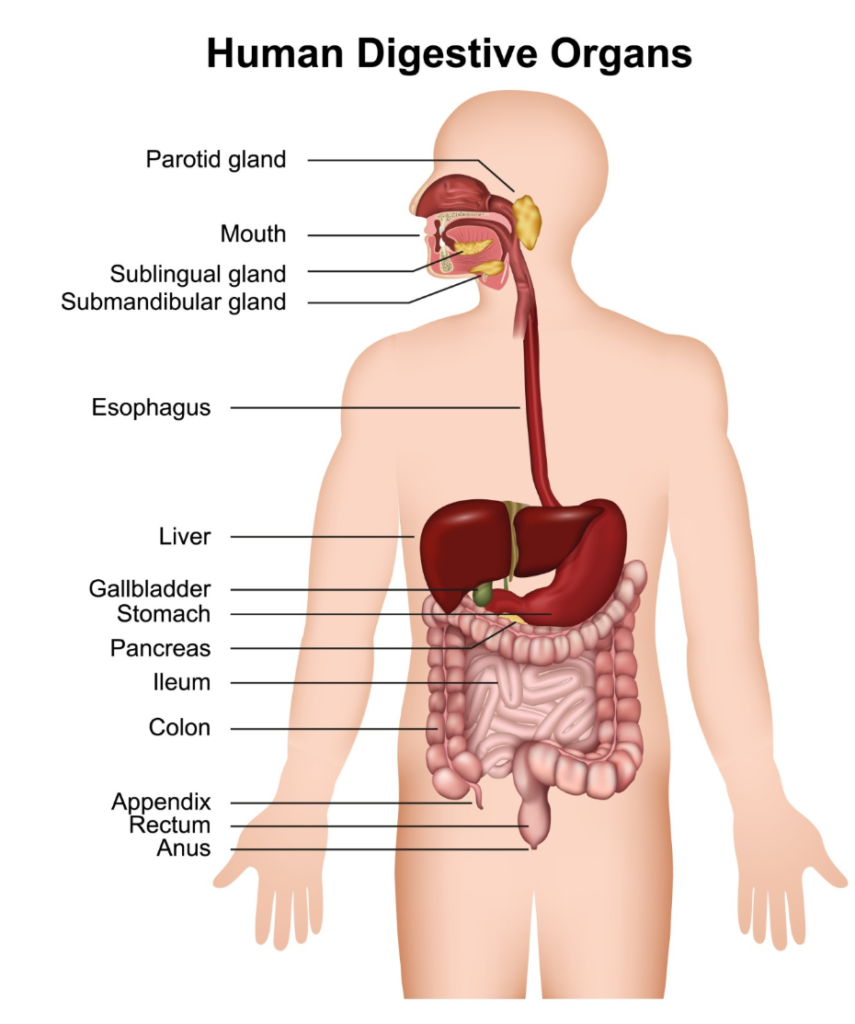
By reducing the circumference of the waist, an individual significantly lowers the daily “toxic load” delivered to the liver. This explains why some people see dramatic improvements in their liver health even if their total body weight change appears modest. In the UK, healthcare providers often use waist circumference as a key metric alongside Body Mass Index to assess how effectively a weight loss plan is targeting the fat most dangerous to the liver.
Reducing the Probability of Cirrhosis
The primary long-term goal of weight loss in fatty liver disease is to ensure that the condition never reaches the stage of cirrhosis, which is largely irreversible. Cirrhosis occurs when the liver is so heavily scarred that it can no longer function, leading to life-threatening complications. Because cirrhosis takes years or decades to develop, maintaining a healthy weight acts as a lifelong preventative strategy.
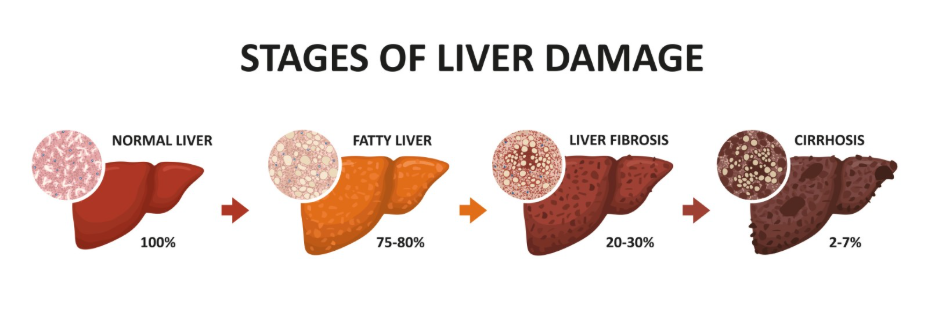
The GOV.UK health pages indicate that managing obesity and type 2 diabetes through weight loss is a cornerstone of the national strategy to reduce the rising prevalence of advanced liver disease. When weight is managed successfully, the liver is protected from the “multi-hit” of metabolic stress that drives advanced scarring. This proactive approach ensures that the organ remains in a compensated, functional state, preserving overall health and longevity.
Conclusion
Weight loss can effectively reverse the early stages of fatty liver disease and is the most significant factor in reducing the long-term risk of cirrhosis. By removing excess fat and resolving chronic inflammation, weight management allows the liver to repair itself and maintain its essential biological functions. Achieving a reduction of 5% to 10% of body weight provides a substantial clinical benefit for most individuals with liver fat. Consistent, sustainable lifestyle changes remain the foundation of liver health management in the United Kingdom. If you experience severe, sudden, or worsening symptoms, call 999 immediately.
Can I reverse fatty liver if I only lose a small amount of weight?
Yes, losing even 3% to 5% of your body weight can start to reduce the amount of fat stored in your liver cells.
Is the liver damage always permanent if it has started to scar?
Early-stage scarring or fibrosis is often reversible if the inflammation is stopped, but advanced cirrhosis is generally permanent.
How quickly should I lose weight to help my liver?
The NHS recommends a safe weight loss of 1 to 2 pounds per week, as losing weight too rapidly can sometimes stress the liver.
Do I need to follow a special diet to reverse fatty liver?
There is no single “liver diet,” but a balanced Mediterranean-style diet low in sugar and processed foods is highly effective.
Can thin people have fatty liver disease?
Yes, “lean” fatty liver can occur, and in these cases, the focus is on improving diet quality and increasing physical activity rather than weight loss.
Will my liver blood tests improve after I lose weight?
In most cases, liver enzyme levels like ALT and AST will return to healthy ranges as the inflammation in the liver subsides.
How can I tell if the fat in my liver is decreasing?
Doctors use follow-up blood tests and non-invasive scans like a FibroScan to measure the reduction in liver fat and stiffness.
Authority Snapshot (E-E-A-T)
This article provides medically factual health education regarding the role of weight loss in liver health, strictly aligned with NHS and NICE clinical guidelines. The content is developed by a professional medical writing team and reviewed by Dr. Stefan Petrov, a UK-trained physician with experience across general medicine, surgery, and emergency care. All information follows current UK public health protocols to ensure clinical accuracy and patient safety.



