




Preventing fatty liver disease involves managing metabolic health through a combination of balanced nutrition, consistent physical activity, and the avoidance of substances that place excessive stress on the liver tissue. The liver is the primary organ responsible for processing energy from the food we consume, and when there is a persistent surplus of calories or sugars, the organ begins to store the excess as fat. In the United Kingdom, non alcoholic fatty liver disease is increasingly common and is closely linked to conditions such as obesity and type 2 diabetes. By adopting sustainable lifestyle habits, individuals can improve their body’s sensitivity to insulin and reduce the metabolic burden on the liver cells. These preventative measures are most effective when implemented early, as they help maintain the liver’s natural ability to filter toxins and regulate glucose without the interference of stored lipids.
What We’ll Discuss in This Article
- The role of weight management in reducing liver fat accumulation.
- Nutritional strategies focused on reducing free sugars and processed fats.
- The impact of regular physical activity on hepatic insulin sensitivity.
- Why limiting alcohol consumption protects the liver from dual damage.
- The importance of managing underlying conditions like high blood pressure.
- How consistent sleep and hydration support overall metabolic function.
Maintaining a Healthy Weight for Liver Health
Maintaining a healthy body weight is the most significant factor in preventing the development of fatty liver disease because it reduces the volume of energy the liver is required to store. When the body carries excess weight, particularly around the abdomen, the liver is often the first site for the deposition of “ectopic” fat. The NHS states that most people with non alcoholic fatty liver disease are overweight or obese and losing even a small amount of weight can significantly reduce liver fat.
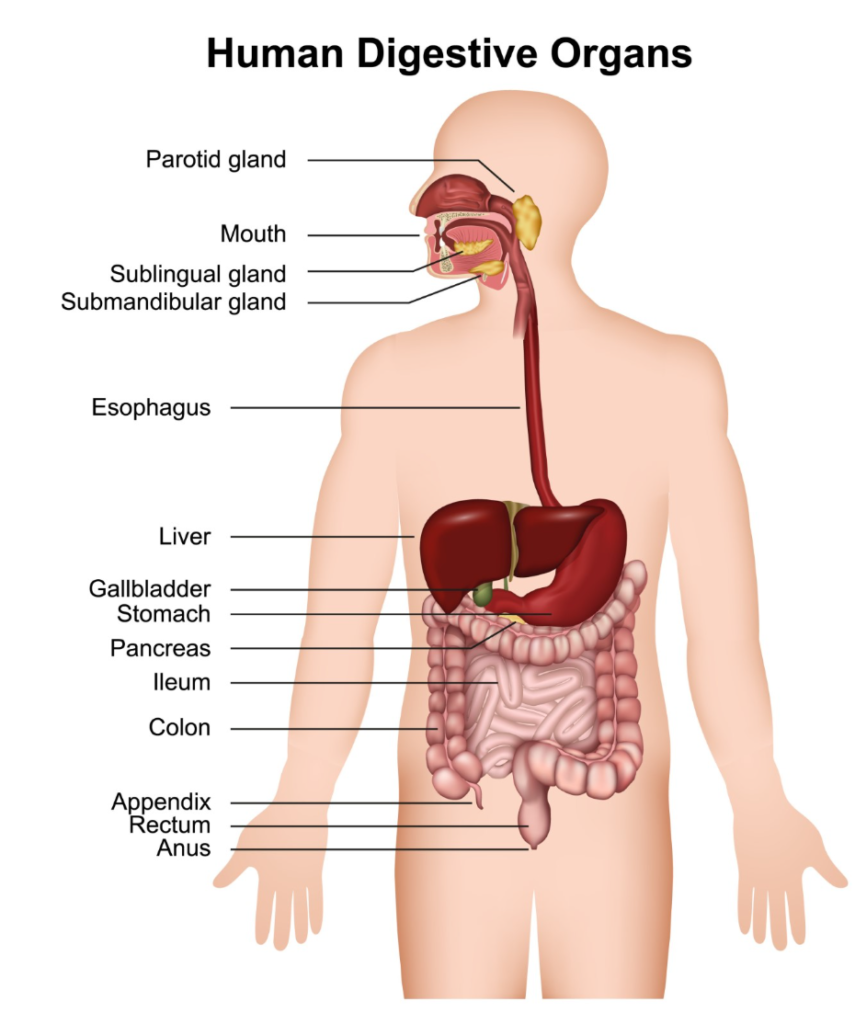
Weight management should be approached gradually to ensure safety and sustainability. Rapid weight loss can sometimes paradoxically stress the liver, so a steady reduction is preferred. In the UK, healthcare professionals use the Body Mass Index and waist circumference as primary indicators to help individuals understand their personal risk levels. Reducing abdominal fat is particularly important because this type of fat is metabolically active and releases fatty acids directly into the blood supply that feeds the liver.
Nutritional Choices and Sugar Reduction
Nutritional strategies to prevent liver fat focus on reducing the intake of refined carbohydrates and free sugars, which are the primary raw materials the liver uses to manufacture triglycerides. Fructose, often found in sweetened beverages and processed snacks, is particularly taxing because it is processed almost exclusively by the liver. NICE clinical guidelines highlight that a healthy, balanced diet low in sugar and saturated fats is essential for preventing the progression of liver fat accumulation.
A liver protective diet typically includes:
- Whole Grains: Replacing white bread and pasta with high fibre versions to stabilise blood sugar.
- Lean Proteins: Choosing fish, poultry, and plant based proteins over processed meats.
- Vegetables: Increasing the intake of leafy greens and colourful vegetables to provide essential antioxidants.
- Healthy Fats: Prioritising unsaturated fats found in olive oil, nuts, and avocados.
By reducing the glycemic load of meals, the body produces less insulin. Since insulin is the hormone that signals the liver to store fat, lower levels help the organ remain in a “processing” mode rather than a “storage” mode.
The Impact of Regular Physical Activity
Regular physical activity prevents fatty liver disease by increasing the metabolic demand for energy and improving the body’s overall insulin sensitivity. When muscles are active, they absorb more glucose from the bloodstream, which leaves less sugar available for the liver to convert into fat. Exercise also helps to reduce systemic inflammation, which is a key driver in the transition from a healthy liver to one affected by fatty deposits.
In the UK, the recommendation for adults is usually at least 150 minutes of moderate intensity activity per week. This can include brisk walking, cycling, or swimming. Resistance training, such as using weights or bodyweight exercises, is also highly beneficial as it builds muscle mass, which acts as a “sink” for excess blood sugar. Even if weight loss is not immediate, consistent physical activity significantly improves liver health by reducing the internal fat stores that are not always visible on the outside of the body.
Limiting Alcohol and Toxic Stress
While non alcoholic fatty liver disease is distinct from alcohol related liver disease, limiting alcohol intake is a vital preventative measure because it reduces the total toxic burden on the liver. The liver must prioritise the detoxification of alcohol over other metabolic tasks, meaning that even moderate drinking can slow down the organ’s ability to process fats and sugars.
Following the UK Chief Medical Officers’ guidelines, which advise not drinking more than 14 units of alcohol per week spread over three or more days, helps ensure the liver has enough “down time” to recover. For individuals who already have metabolic risk factors like high cholesterol, avoiding alcohol entirely or strictly limiting it prevents a “double hit” of damage to the liver cells. Protecting the liver from chemical stress ensures that its cells remain resilient and capable of managing energy stores effectively.
Managing Systemic Metabolic Conditions
Preventing fatty liver disease also requires the active management of other metabolic conditions that are known to stress the liver, such as high blood pressure and abnormal cholesterol. These conditions often occur together as part of metabolic syndrome, and each one contributes to an environment where liver fat is more likely to accumulate. According to the GOV.UK health pages, proactive management of type 2 diabetes and hypertension is a key component of the national strategy to reduce chronic liver disease.
| Condition | Connection to Liver Health |
| Type 2 Diabetes | High blood sugar provides the material for liver fat production. |
| Hypertension | High blood pressure is often a sign of underlying metabolic stress. |
| High Cholesterol | High levels of “bad” fats in the blood lead directly to liver storage. |
By working with healthcare providers to keep these markers within healthy ranges, individuals can protect their liver from the systemic imbalances that drive fat deposition. This includes attending regular NHS health checks and adhering to any prescribed management plans for cardiovascular health.
Conclusion
Lifestyle changes such as maintaining a stable weight, reducing sugar intake, and engaging in regular exercise are the most effective ways to prevent fatty liver disease. These habits work by improving the body’s metabolic efficiency and reducing the amount of excess energy the liver is forced to store as fat. Limiting alcohol and managing systemic conditions like high blood pressure further protects the organ from long term stress and inflammation. Adopting these measures early provides the best opportunity for lifelong liver health. If you experience severe, sudden, or worsening symptoms, call 999 immediately.
Can I prevent fatty liver if I have a family history of the condition?
Yes, while genetics play a role, lifestyle choices are the primary drivers of liver fat accumulation for most people.
Is fruit sugar dangerous for the liver?
Natural sugar in whole fruit is usually fine because the fibre slows down absorption, but fruit juices and added fructose should be limited.
How much exercise do I need to help my liver?
The standard recommendation is 150 minutes of moderate activity a week, but even small increases in daily movement can help.
Do I need to follow a specific “liver detox” diet?
No, the liver detoxifies itself; the best support is a balanced, Mediterranean style diet rather than expensive or restrictive “detox” products.
Does coffee help prevent fatty liver disease?
Some studies suggested by UK health bodies indicate that moderate coffee consumption may have a protective effect on the liver, though it is not a substitute for a healthy diet.
Can thin people get fatty liver disease?
Yes, “lean” fatty liver can occur if a person has a high sugar diet or certain genetic predispositions, though it is less common than in those with a high BMI.
How often should I have my liver health checked?
If you have risk factors like diabetes or obesity, your liver enzymes are usually checked annually as part of your routine NHS reviews.
Authority Snapshot (E-E-A-T)
This article provides medically factual health education regarding the prevention of liver disease, strictly aligned with NHS and NICE clinical guidelines. The content is developed by a professional medical writing team and reviewed by Dr. Stefan Petrov, a UK-trained physician with experience across general medicine, surgery, and emergency care. All information follows current UK public health protocols to ensure accuracy and patient safety.



