




Flatulence, or passing wind, is a natural biological process that occurs as a result of swallowing air and the digestion of food. While it can often be a source of social discomfort, it is a sign that the digestive system is functioning and processing nutrients correctly. Understanding the frequency and causes of gas production can help distinguish between normal bodily functions and potential indicators of digestive sensitivity or intolerance.
What We’ll Discuss in This Article
- The biological purpose of flatulence and gas production
- Common causes of increased wind including diet and habits
- The role of the gut microbiome in fermentation
- Distinguishing between normal gas and symptoms of intolerance
- Management strategies for excessive or uncomfortable wind
- When flatulence may indicate an underlying health condition
The Normality of Gas Production
Passing wind multiple times throughout the day is a normal and healthy part of the human digestive process. Medical studies suggest that most people pass gas between five and fifteen times a day, though this can vary significantly based on individual diet and metabolism. Gas is a byproduct of two main processes: aerophagia (swallowed air) and the breakdown of undigested carbohydrates by bacteria in the large intestine.
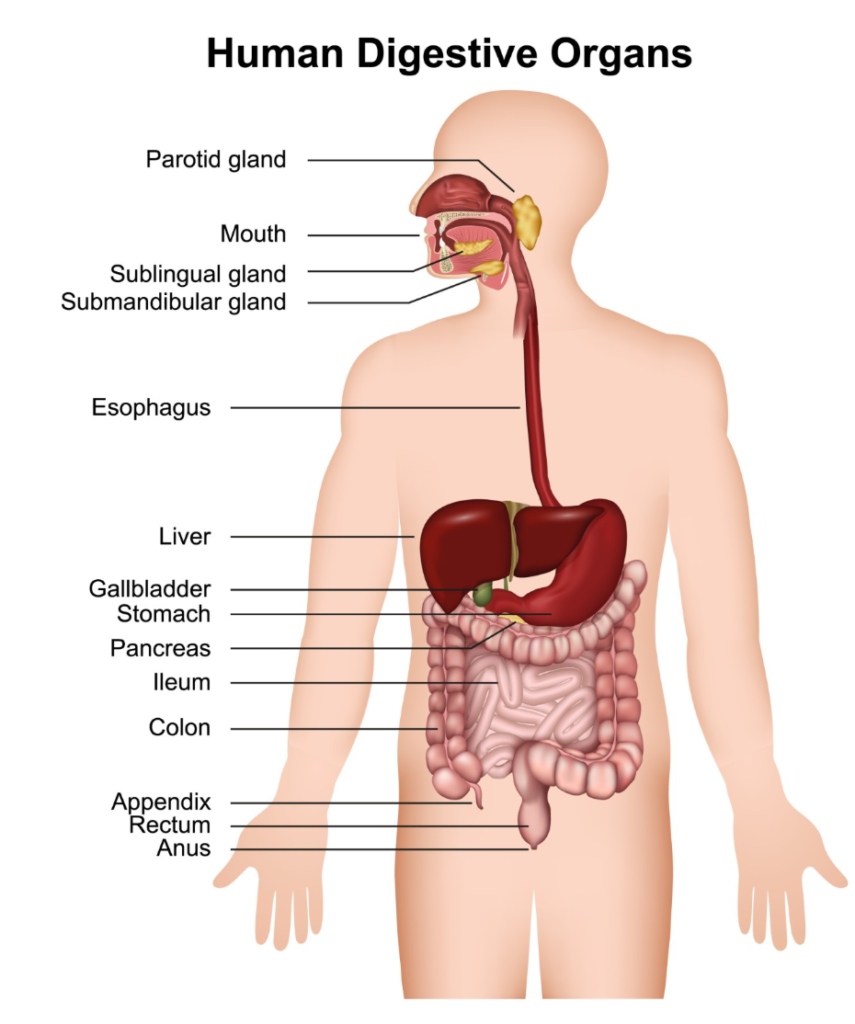
The volume of gas produced is influenced by the efficiency of the small intestine in absorbing nutrients. If certain food components reach the large intestine intact, they provide a source of energy for resident bacteria, which release gases like hydrogen, methane, and carbon dioxide as they ferment these particles. While the frequency may seem high to some individuals, it is rarely a medical concern unless it is accompanied by other symptoms such as severe pain, weight loss, or changes in bowel habits.
Swallowed Air and Aerophagia
A significant proportion of intestinal gas originates from air swallowed while eating, drinking, or during specific habits. Aerophagia occurs naturally during the day, but certain behaviours can increase the volume of air that enters the stomach. Talking while chewing, eating too quickly, and using drinking straws are common ways that excess air is introduced into the digestive tract.
Habits such as chewing gum, smoking, and wearing loose-fitting dentures can also contribute to increased air intake. Most of this swallowed air is expelled through burping, but a portion moves into the small and large intestines. If this air becomes trapped, it can cause a feeling of pressure or bloating before eventually being passed as flatulence. Identifying these habits is often the first step in reducing the frequency of wind without requiring medical intervention.
Dietary Triggers and Fermentation
Certain types of food are naturally more likely to produce gas because they contain complex carbohydrates that the human body cannot fully digest. These foods include legumes such as beans and lentils, as well as cruciferous vegetables like broccoli, cabbage, and Brussels sprouts. These items contain oligosaccharides, which are sugars that remain intact until they reach the large intestine.
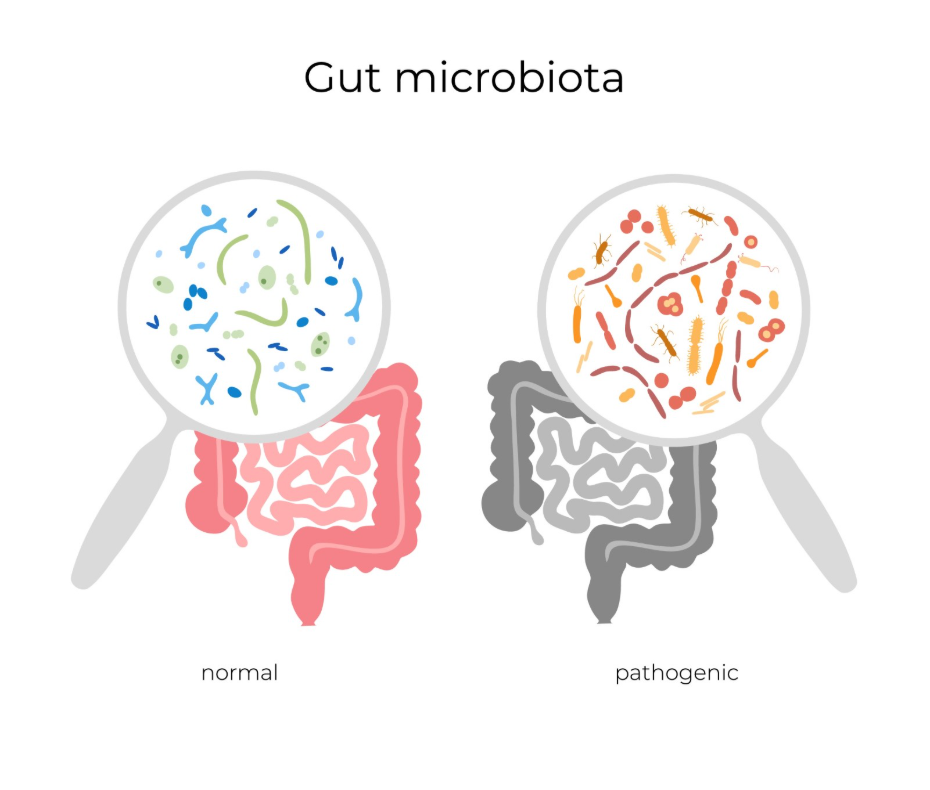
Once these undigested sugars reach the colon, they are fermented by gut bacteria. This fermentation process is essential for gut health as it produces short-chain fatty acids, but it also releases gas as a byproduct. Flatulence is a common occurrence caused by swallowing air or the breakdown of food by bacteria in the large intestine. Reducing the intake of these foods or increasing them very slowly can help the digestive system adapt without causing excessive discomfort.
The Impact of Food Intolerances
Excessive gas can sometimes be a sign that the body is struggling to break down specific substances, such as lactose or fructose. Food intolerance occurs when the digestive system lacks the necessary enzymes to process certain nutrients effectively. For example, lactose intolerance is caused by a deficiency of the enzyme lactase, which is needed to break down the sugar found in milk and dairy products.
When undigested lactose reaches the large intestine, it draws in water and is fermented by bacteria, resulting in rapid gas production, bloating, and sometimes diarrhoea. Food intolerance can lead to symptoms such as bloating and increased flatulence when the digestive system cannot correctly process certain ingredients. Similarly, malabsorption of fructose (found in fruit) or sorbitol (an artificial sweetener) can lead to a significant increase in wind and abdominal discomfort shortly after consumption.
Functional Disorders and Gut Sensitivity
Conditions like Irritable Bowel Syndrome often involve increased gas production alongside other changes in bowel habits and gut sensitivity. In individuals with functional gut disorders, the nerves in the digestive tract may be hypersensitive, meaning that even a normal amount of gas can be perceived as painful or excessive. This is often referred to as visceral hypersensitivity.
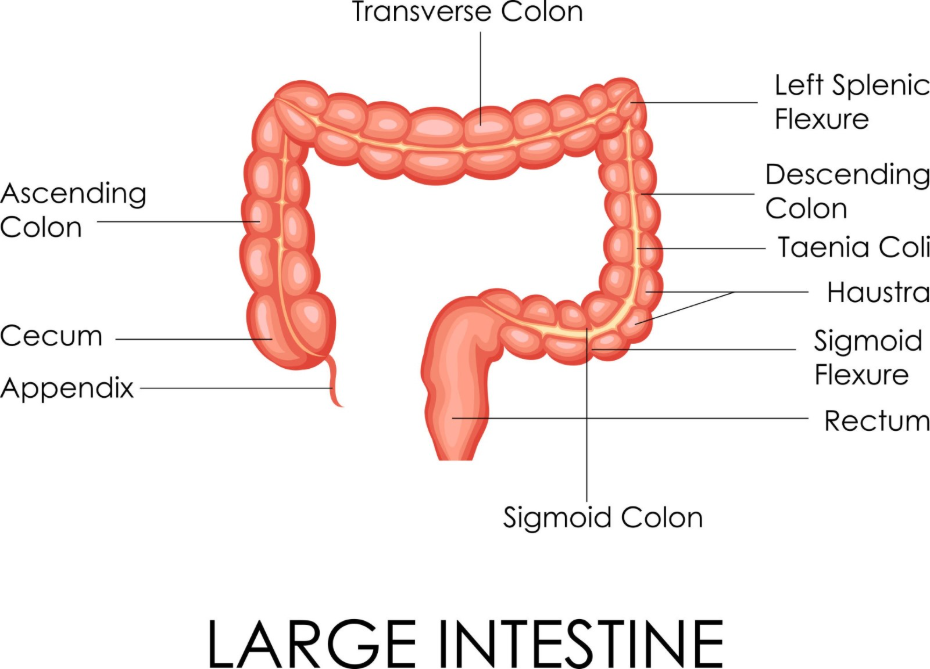
In these cases, the issue may not be the volume of gas produced, but the way the gut processes and reacts to it. If the muscles of the intestine contract irregularly, gas can become trapped in certain sections of the colon, leading to cramping and a feeling of distension. The National Institute for Health and Care Excellence provides clear pathways for managing irritable bowel syndrome which frequently includes monitoring flatulence and bloating. Management for these conditions typically focuses on dietary modification and stress reduction to calm the gut-brain axis.
Comparing Normal Gas vs. Potential Concerns
It is helpful to compare common flatulence patterns with symptoms that might suggest a need for further clinical investigation.
| Feature | Normal Flatulence | Potential Clinical Concern |
| Frequency | 5 to 15 times per day | Persistent, distressing increase |
| Smell | Usually odourless or mild | Consistently very foul-smelling |
| Pain | Brief, relieved by passing wind | Constant or severe abdominal pain |
| Weight | Stable | Unintentional weight loss |
| Bowel Habit | Regular and consistent | Persistent diarrhoea or constipation |
While the smell of gas is often related to the presence of sulphur-containing foods like eggs or meat, a sudden and persistent change in the odour or frequency of wind should be monitored. Most cases of increased wind are temporary and related to recent dietary changes.
Management Strategies for Excessive Wind
Most cases of frequent gas can be successfully managed by adjusting eating habits and monitoring dietary triggers. Adopting a mindful eating approach, which includes chewing food thoroughly and eating smaller, more frequent meals, can reduce the amount of air swallowed. It is also beneficial to avoid carbonated beverages and artificial sweeteners, which are known to increase gas volume.
If flatulence is accompanied by bloating or cramping, over-the-counter options such as peppermint oil capsules may help relax the muscles of the bowel. Gradually increasing fibre intake, rather than making sudden changes, allows the gut bacteria to adapt without causing a spike in gas production. Keeping a food and symptom diary for two to four weeks can provide valuable insights into which specific ingredients are the primary triggers for an individual.
Conclusion
Flatulence is a routine part of life and usually does not indicate a serious problem unless it occurs alongside other physical changes. Monitoring the relationship between diet and gas production is the most effective way to identify personal triggers and manage discomfort. Most individuals find that simple lifestyle changes, such as eating more slowly and identifying food sensitivities, are sufficient to manage their symptoms. If you experience severe, sudden, or worsening symptoms, call 999 immediately.
Does smelly gas always mean there is a health problem?
No, the odour of flatulence is usually related to the breakdown of sulphur-rich foods like garlic, onions, or red meat, and is not typically a sign of disease.
Can stress increase the amount of gas I pass?
Stress can affect the gut-brain axis and lead to faster air swallowing or altered gut motility, both of which can increase the sensation of gas.
Why is my gas worse in the evening?
Gas production often peaks in the evening as the body processes the various meals and snacks consumed throughout the day.
Why is my gas worse in the evening?
Yes, carbonated beverages introduce carbon dioxide directly into the stomach, which can lead to increased burping and intestinal gas.
Is holding in gas harmful to the body?
While not dangerous, holding in gas can lead to abdominal pain, bloating, and discomfort as the pressure builds up in the colon.
Does exercise help reduce trapped gas?
Physical activity stimulates the muscles of the digestive tract, which helps move gas through the system more efficiently and prevents it from becoming trapped.
Authority Snapshot (E-E-A-T)
This medical education content is designed to provide accurate, evidence-based information for the UK public regarding digestive health. The material is developed by a professional medical writing team and reviewed by Dr. Rebecca Fernandez, a UK-trained physician with extensive experience in internal medicine, surgery, and psychiatry. All information is strictly aligned with the clinical standards and guidelines provided by the NHS and the National Institute for Health and Care Excellence (NICE).



