




Abdominal bloating is a common sensation of pressure or fullness in the stomach area that usually resolves quickly after dietary changes or the passage of gas. However, when the swelling becomes constant, returns frequently, or occurs alongside other physical changes, it may indicate a need for a clinical assessment to ensure digestive or reproductive health is maintained. In the United Kingdom, healthcare professionals follow specific diagnostic pathways to determine whether bloating is a functional issue, such as Irritable Bowel Syndrome, or a sign of an underlying organic condition that requires medical intervention.
What We’ll Discuss in This Article
- Defining persistent versus occasional bloating
- The three-week rule for seeking medical advice in the UK
- Recognised red flag symptoms that require clinical investigation
- Ovarian cancer screening protocols and the use of CA125 tests
- Bowel health and the investigation of lasting digestive changes
- Common diagnostic tests and imaging used by medical professionals
- The role of age and medical history in clinical risk assessment
Defining Persistent Bloating and the Three-Week Rule
Bloating is considered persistent if it occurs frequently, typically more than twelve times a month, and fails to resolve with basic dietary modifications. While many people experience temporary distension after a large or particularly fibrous meal, persistent bloating remains present for most of the day or returns almost every day regardless of food intake. You should see a doctor if you have been feeling bloated for 3 weeks or more, as persistent abdominal swelling is a key indicator that requires a professional assessment.
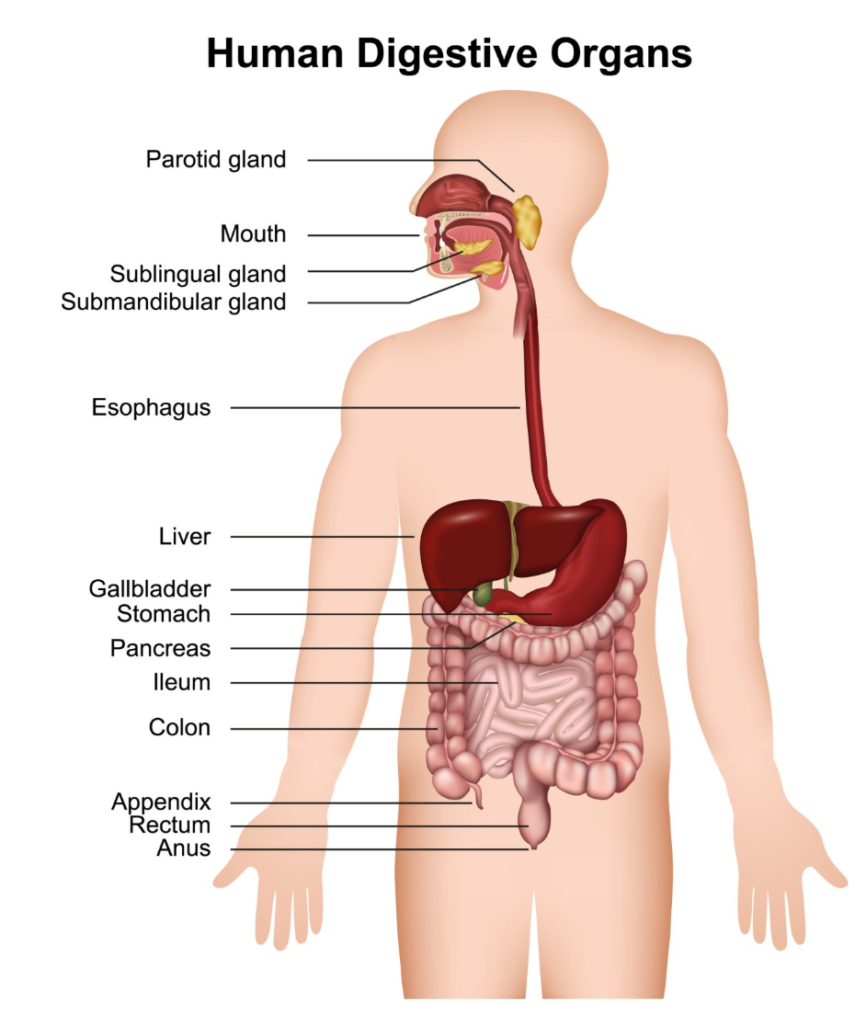
In the clinical setting, the duration of a symptom is one of the most important factors for determining the urgency of a referral. Bloating that fluctuates, appearing in the evening and disappearing by the morning, is often related to the natural processes of digestion and gas accumulation. However, if the abdomen remains hard or swollen consistently, it moves from a functional category into one that warrants formal diagnostic screening.
Clinical Red Flags and Associated Health Risks
Clinical red flags are specific symptoms that, when occurring alongside bloating, suggest the need for a prioritised medical investigation. These signs are not typical for standard digestive issues like trapped gas or minor food intolerances; they indicate that an organic disease process may be affecting the body. When a healthcare professional assesses a patient with bloating, they systematically screen for these indicators to guide the diagnostic pathway.
Common red flag symptoms include unintentional and unexplained weight loss, a persistent loss of appetite, or feeling full very quickly after starting a meal. Additionally, experiencing abdominal or pelvic pain that does not resolve, or noticing a new lump or swelling in the stomach area, is considered a significant clinical sign. These symptoms can be associated with various conditions, including inflammatory disorders or certain types of malignancy, and their presence usually leads to an expedited referral for further testing or imaging.
Ovarian Health and Screening in Women
Persistent abdominal distension in women over the age of 50 is treated with high clinical suspicion to ensure ovarian health is monitored correctly. Because the symptoms of ovarian issues can often be vague or mimic common digestive problems, UK guidelines emphasise that new and frequent bloating must be investigated. NICE guidelines suggest that women who experience new-onset persistent or frequent bloating should be offered a CA125 blood test to check for markers associated with ovarian health.

The CA125 test measures a protein in the blood that can be elevated in various conditions. While a high result does not confirm a specific diagnosis, it serves as a screening tool that helps clinicians decide if an ultrasound scan of the pelvis and abdomen is necessary. This pathway is particularly important for women who have gone through menopause, as new digestive or abdominal symptoms in this life stage are less likely to be related to the menstrual cycle or simple lifestyle factors.
Bowel Habit Changes and Digestive Investigation
A lasting change in bowel frequency or stool consistency combined with bloating is a primary indicator for screening tests such as the Faecal Immunochemical Test. If the bowels become looser, more frequent, or if blood is present in the stool for several weeks, it suggests that the bloating is part of a wider gastrointestinal change. A persistent change in bowel habit that lasts for 3 weeks or more is a symptom that should be evaluated by a healthcare professional to determine the underlying cause.

Clinicians use the Bristol Stool Form Scale to help patients describe these changes accurately. Bloating that is caused by constipation often resolves once the bowel is cleared, but bloating that occurs alongside persistent diarrhoea or “pencil-thin” stools may indicate an obstruction or inflammation in the colon. In such cases, the diagnostic pathway may involve a referral for a colonoscopy to directly visualise the lining of the bowel and rule out serious conditions such as bowel cancer or inflammatory bowel disease.
The Standard Diagnostic Pathway in the UK
The standard diagnostic pathway for persistent abdominal symptoms in the UK involves a structured progression from primary care assessments to specialised imaging or laboratory tests. During an initial consultation, a medical professional will perform a physical examination of the abdomen to check for tenderness, fluid, or abnormal masses. They will also review the patient’s medical and family history to assess the statistical risk of certain conditions.
Following the physical exam, a suite of blood tests is typically ordered. These usually include a full blood count to check for anaemia, inflammatory markers like C-reactive protein, and specific tests for coeliac disease. Stool samples may also be requested to check for hidden blood or markers of intestinal inflammation such as calprotectin. If these initial screenings are abnormal or if symptoms persist despite normal results, the next stage often involves an ultrasound, a CT scan, or an endoscopic procedure to provide a detailed view of the internal organs.
The Role of Age and Medical History
A person’s age and their family history of gastrointestinal or gynaecological conditions significantly influence how symptoms of bloating are managed clinically. While bloating can affect people of any age, new and persistent symptoms in individuals over 50 are generally investigated more rapidly. This is because the prevalence of organic diseases increases with age, making it more important to exclude serious causes early in the diagnostic process.
Family history is also a vital piece of information during a medical assessment. If a patient has close relatives who have been diagnosed with bowel, ovarian, or breast cancer, the threshold for initiating diagnostic tests may be lower. Healthcare professionals use this data to tailor the investigation to the individual’s specific risk profile, ensuring that those with a higher statistical likelihood of certain conditions receive the appropriate level of screening.
Conclusion
Occasional bloating is a normal part of life, but its persistence and the presence of other symptoms are the key markers for when it requires medical attention. If you experience bloating for three weeks or more, or if it occurs alongside weight loss, pain, or changes in bowel habits, a clinical review is the established next step. Following the recognised UK diagnostic pathways helps ensure that both functional and organic causes are identified and managed effectively. If you experience severe, sudden, or worsening symptoms, call 999 immediately.
Is bloating a common symptom of menopause?
Yes, hormonal changes during menopause can cause water retention and gas, but new and persistent bloating should still be investigated to rule out other causes.
What is a CA125 test?
It is a blood test that measures a specific protein; it is used as an initial screening tool in women to help assess ovarian health.
Does blood in the stool always mean something serious?
Not always, as it can be caused by minor issues like haemorrhoids, but it is a red flag symptom that must be clinically evaluated when it occurs with bloating.
What does it mean if my bloating is worse after eating?
Bloating that occurs primarily after meals is often related to the way the body processes gas or reacts to certain food groups like FODMAPs.
Why is unintentional weight loss a concern with bloating?
Losing weight without trying can indicate that the body is not absorbing nutrients properly or that an underlying organic disease is present.
Can stress cause persistent bloating?
Stress can affect the gut-brain axis and lead to functional bloating, but a medical review is needed to ensure the symptoms are not caused by something else.
What is a FIT test?
The Faecal Immunochemical Test is a stool test used to detect tiny amounts of blood that are not visible to the naked eye, often used to screen for bowel health.
Authority Snapshot (E-E-A-T)
This medical education is provided to help the UK public understand when abdominal symptoms require a clinical assessment. The material is developed by a professional medical writing team and reviewed by Dr. Rebecca Fernandez, a UK-trained physician with extensive experience in internal medicine, surgery, and acute care. All information is strictly aligned with the clinical standards and diagnostic pathways provided by the NHS and the National Institute for Health and Care Excellence (NICE).



