




Colon polyps are small growths that develop on the inner lining of the large intestine or rectum, representing a common clinical finding during bowel investigations. Most polyps are benign, meaning they are non-cancerous, but certain types have the potential to undergo cellular changes over several years that can lead to bowel cancer. Because polyps rarely cause noticeable symptoms in their early stages, they are often discovered during routine screening or diagnostic procedures. In the United Kingdom, healthcare professionals prioritise the identification and removal of these growths as a preventative measure to maintain long-term bowel health. The formation of a polyp is a biological process involving the overgrowth of cells that line the colon, which can eventually result in a raised bump or a mushroom-like structure attached to the bowel wall. Understanding the nature of these growths and the mechanism behind their development is essential for patients participating in national screening programmes. By detecting polyps before they have the chance to progress, the UK healthcare system aims to significantly reduce the incidence of more serious gastrointestinal conditions.
What We’ll Discuss in This Article
- The biological definition and common types of colon polyps.
- The cellular process of how polyps form on the bowel lining.
- Identifying different shapes and structures of bowel growths.
- Known risk factors that influence the development of polyps.
- The clinical importance of removing polyps during a colonoscopy.
- UK national screening protocols for monitoring bowel health.
The Biological Nature of Colon Polyps
Colon polyps, also known as colorectal polyps, are fleshy growths that arise from the mucosa, which is the innermost layer of the bowel wall. The NHS states that bowel polyps are small growths on the inner lining of the large intestine that are very common and usually do not cause any symptoms.
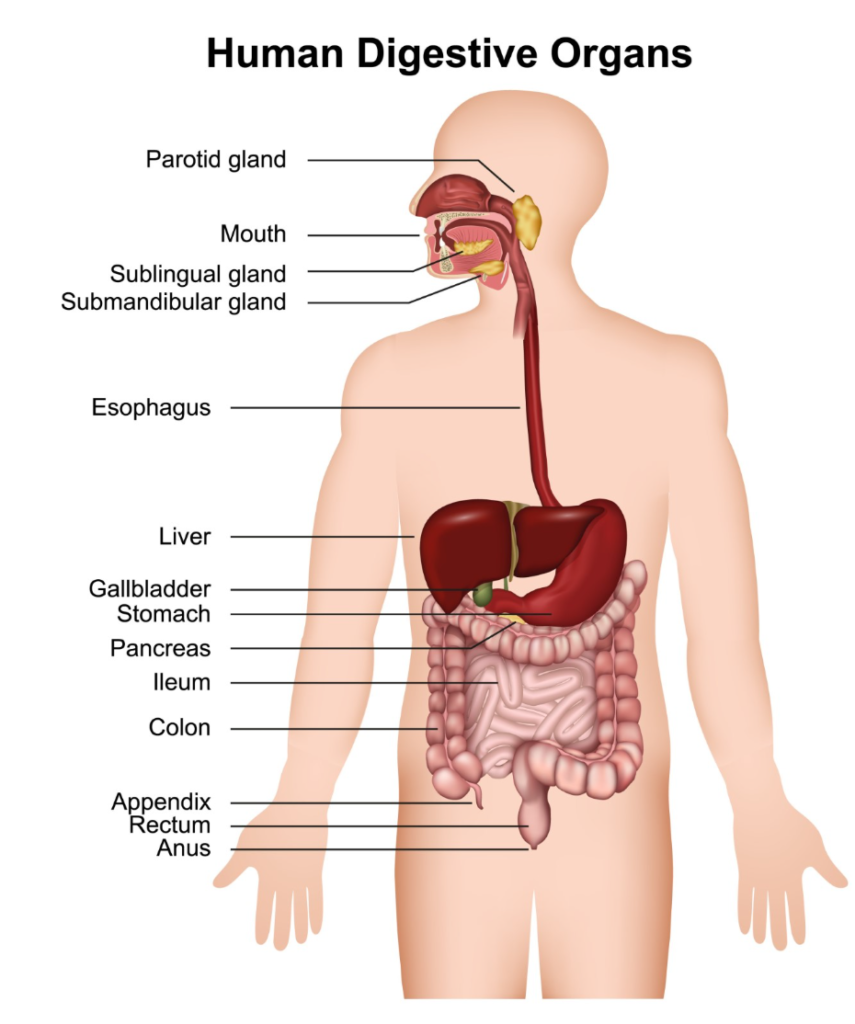
While polyps can vary in size from a few millimetres to several centimetres, they are generally classified by their histological appearance, which determines their potential for future changes. Adenomas, or adenomatous polyps, are the most significant type because they are considered precursors to most bowel cancers. Hyperplastic polyps are another common variety but are generally smaller and carry a much lower risk of becoming serious. In the UK, when a clinician identifies a polyp, they examine its cellular structure to assess the risk and determine the appropriate follow-up care. Because it is difficult to tell exactly how a polyp will behave just by looking at it, the standard clinical practice is to treat them with caution.
How Polyps Form in the Bowel Lining
Polyps form in the bowel when the natural cycle of cell production and death in the intestinal lining is disrupted, leading to an accumulation of surplus cells. Normally, the cells lining the colon are constantly renewed; new cells grow, perform their function, and then die to be replaced by younger cells. This process is tightly regulated by the body’s genetic instructions.
If a change occurs in the genetic material of these cells, they may begin to divide more rapidly or live longer than they should. This local overgrowth of cells creates a protrusion on the surface of the mucosa. Over time, as more cells accumulate, the growth becomes a visible polyp. NICE clinical guidelines for colorectal cancer prevention emphasise that the majority of bowel cancers develop from these initial adenomatous polyps over a period of many years. This slow progression provides a vital window of opportunity for detection and intervention. The UK healthcare system focuses on interrupting this biological timeline by removing the polyps while they are still in a benign state.
Different Shapes and Structures of Bowel Growths
The physical structure of a polyp is described by clinicians based on how it is attached to the bowel wall, which can influence how easily it is removed during a procedure. Polyps are typically categorised into two main shapes: pedunculated and sessile.
| Polyp Type | Physical Description | Attachment Style |
| Pedunculated | Mushroom-like appearance. | Attached by a narrow stalk. |
| Sessile | Flat or slightly raised bump. | Attached directly to the wall without a stalk. |
| Diminutive | Very small growth. | Usually less than 5mm in size. |
Pedunculated polyps are often easier for endoscopists to remove because the stalk can be gripped and cut safely. Sessile polyps lie flat against the lining of the bowel and may require more specialised techniques to ensure the entire growth is removed. Large sessile polyps are sometimes more concerning because they involve a wider area of the mucosa. During a colonoscopy in the UK, the endoscopist carefully maps the location and shape of every polyp found, as this information is vital for the pathology report and the patient’s future screening schedule.
Factors Influencing Polyp Development
While the exact cause of a specific polyp can vary, several modifiable and non-modifiable factors are known to increase the likelihood of their formation in the bowel. Age is a primary factor, as polyps become significantly more common in individuals over the age of fifty. Genetic predispositions also play a role, as certain hereditary conditions can cause a person to develop hundreds of polyps throughout their life.
Lifestyle factors that influence bowel health include:
- Dietary Habits: Diets high in red and processed meats and low in fibre are linked to higher rates of polyp formation.
- Body Weight: Being overweight or obese increases the metabolic stress on the bowel lining.
- Smoking and Alcohol: Both are known irritants that can disrupt normal cellular cycles in the colon.
- Physical Activity: Regular exercise is associated with a lower risk of developing growths in the large intestine.
By addressing modifiable risks, such as increasing fibre intake and reducing processed meat consumption, individuals can support a healthier environment for the cells lining their colon. The GOV.UK health pages indicate that public health initiatives focused on diet and lifestyle are essential for reducing the long-term burden of bowel-related conditions in the UK.
Clinical Removal and Preventative Health
The removal of bowel polyps, a procedure known as a polypectomy, is the most effective way to prevent the development of bowel cancer and is a routine part of a colonoscopy. When an endoscopist finds a polyp, they typically remove it immediately using a wire loop or specialised forceps. This procedure is generally painless because the lining of the bowel does not have the same pain-sensing nerves as the skin.
Once removed, the polyp is sent to a laboratory where a pathologist examines the tissue under a microscope. This examination confirms the type of polyp and checks for any “dysplasia,” which refers to how much the cells have changed from their normal state. In the United Kingdom, the results of this analysis determine the frequency of future check-ups. If high-risk polyps are found, the patient will be invited back for more frequent monitoring to ensure the bowel remains clear. This surveillance system is a cornerstone of preventative gastrointestinal medicine in the UK, ensuring that any new growths are identified and managed before they can pose a threat to health.
UK National Bowel Screening Programmes
In the United Kingdom, the Bowel Cancer Screening Programme is designed to detect polyps and early-stage health issues in individuals who do not have any symptoms. The programme typically uses a home test kit that looks for tiny amounts of blood in the stool, which can be a sign of polyps or other bowel changes. If the test returns an abnormal result, the individual is invited for a colonoscopy to look directly at the lining of the bowel.
This proactive approach is essential because polyps are often “silent” and do not cause pain or visible bleeding until they become very large. By participating in regular screening, individuals increase the chances of finding polyps when they are small and most easily removed. The UK healthcare system provides integrated care from the initial screening test through to the follow-up colonoscopy and pathology review. This coordinated pathway ensures that bowel health is monitored consistently across the population, prioritising early intervention as the best method for maintaining long-term wellness.
Conclusion
Colon polyps are common growths on the bowel lining that form when cellular renewal cycles are disrupted, leading to an overgrowth of tissue. While most are benign, their identification and removal are essential clinical steps in preventing more serious bowel conditions. In the UK, regular screening and colonoscopies provide the primary means of detecting these growths early. Maintaining a healthy lifestyle and participating in national screening programmes are the most effective ways to support long-term bowel health. If you experience severe, sudden, or worsening symptoms, call 999 immediately.
Are bowel polyps always cancerous?
No, the vast majority of polyps are benign and will never become cancerous, but they are removed as a precaution because some types have the potential to change over time.
Can I feel a polyp inside me?
It is very rare to feel a polyp, as the lining of the colon does not have nerves that sense their presence; most are only found during a medical procedure.
Do polyps cause bleeding?
Large polyps can sometimes cause small amounts of blood in the stool, which is why screening tests look for microscopic blood even when it is not visible to the eye.
Will polyps grow back after they are removed?
A polyp that has been completely removed will not grow back, but new polyps can form in different parts of the bowel in the future.
How long does it take for a polyp to form?
The formation of a polyp and its potential progression is a slow process that typically takes many years, which is why regular screening is so effective.
Does everyone get polyps as they get older?
Polyps become much more common as people age, but not everyone will develop them; lifestyle and genetics both influence individual risk.
Can a healthy diet get rid of polyps?
A healthy diet can help prevent new polyps from forming, but it cannot remove or dissolve a polyp that is already there; those must be removed by a doctor.
Authority Snapshot (E-E-A-T)
This article provides medically factual health education regarding colon polyps and their formation, strictly aligned with NHS and NICE clinical guidelines. The content is developed by a professional medical writing team and reviewed by Dr. Rebecca Fernandez, a UK-trained physician with extensive experience in general surgery, internal medicine, and emergency care. All information follows current UK public health protocols to ensure clinical accuracy and patient safety.



