




Gallstones are a prevalent condition in the United Kingdom, often existing without causing any noticeable problems for many years. However, when a stone moves or causes a blockage within the biliary system, it can trigger a range of symptoms that vary from mild digestive discomfort to intense, debilitating pain. In the UK, healthcare professionals categorise these symptoms based on their severity and the likelihood of underlying complications such as inflammation or infection. Understanding the characteristic patterns of gallstone-related pain is essential for patients to distinguish between ordinary indigestion and a medical issue that requires clinical attention. National health guidelines provided by the NHS offer a clear framework for identifying these signs, ensuring that patients can seek appropriate diagnostic tests and treatments. By learning about the common presentations of gallbladder disease, individuals can better manage their health and respond effectively if symptoms arise.
What We’ll Discuss in This Article
- The nature and location of biliary colic pain
- How to distinguish gallstone pain from ordinary indigestion
- Common digestive symptoms associated with gallbladder stones
- The timing of symptoms in relation to meals and activity
- Identifying signs of inflammation and potential infection
- When symptoms indicate a blockage in the bile ducts
- Recognising red flag symptoms that require urgent medical review
The most frequent symptom of gallstones is a sudden and severe pain in the abdomen known as biliary colic which usually occurs after eating
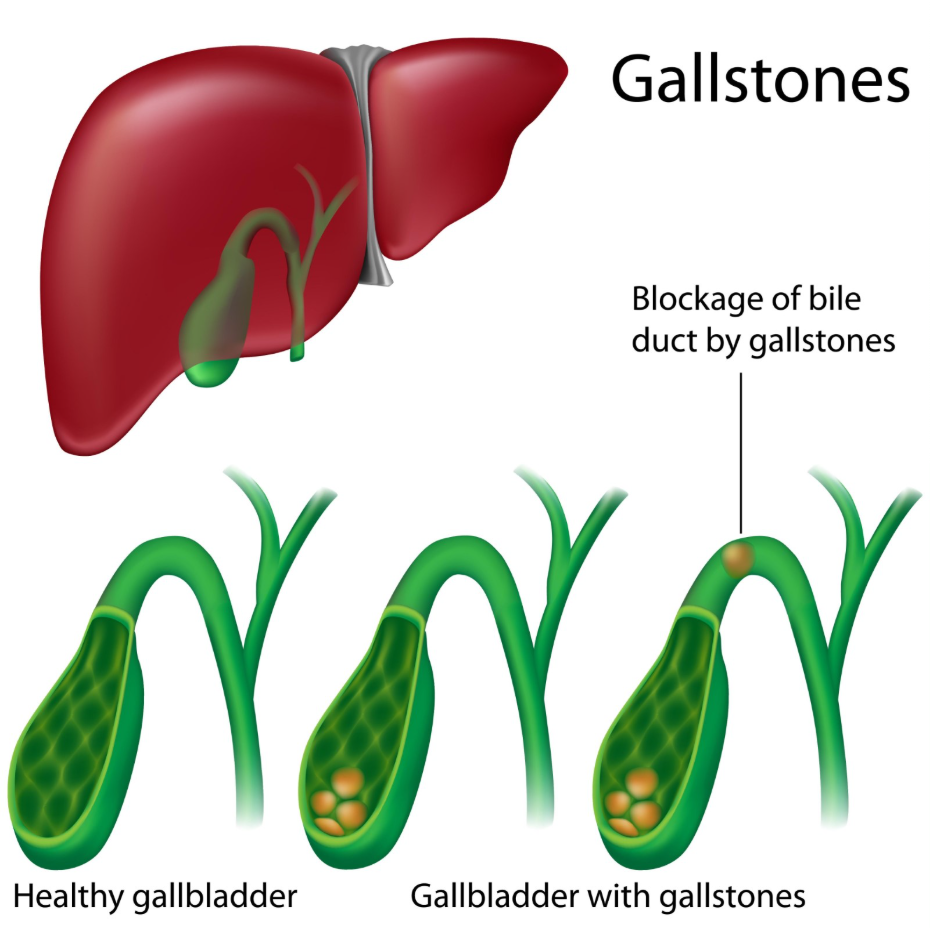
This specific type of pain is caused by the gallbladder contracting to release bile, inadvertently pushing a stone against the opening of the organ or into a duct. The most common symptom of gallstones is sudden and severe pain in the abdomen that usually lasts 1 to 5 hours. This pain is typically felt in the centre of the abdomen or just under the ribs on the right hand side and may be accompanied by a feeling of sickness or actual vomiting. In many cases, the discomfort is not relieved by passing wind, going to the toilet, or being sick, and it may radiate to the side or up toward the right shoulder blade.
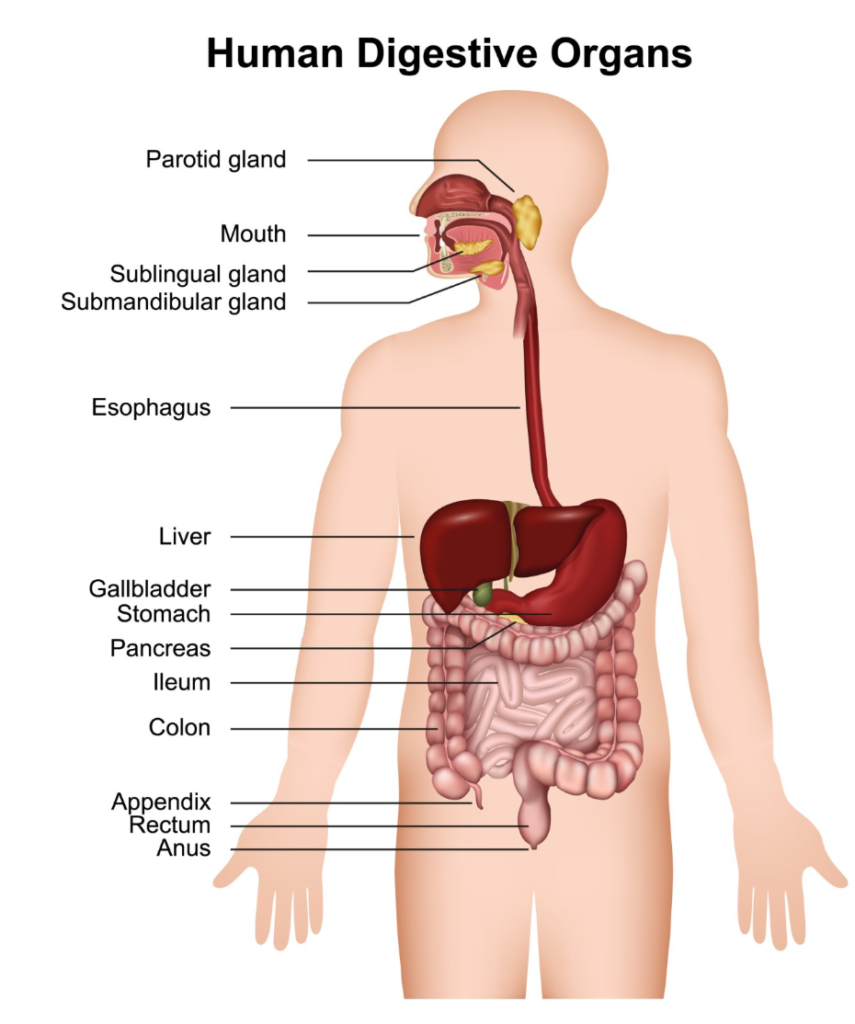
Characteristics and timing of biliary colic
Biliary colic pain is distinct because it tends to occur in episodes rather than as a constant, dull ache over several days. These episodes are often triggered by consuming a meal, particularly one that is high in fats, as this stimulates the gallbladder to work harder to aid digestion. While the pain can be very intense, it usually subsides once the gallbladder relaxes and the stone falls back into the main body of the organ.
Many patients in the UK report that these episodes occur most frequently in the evening or during the night, sometimes waking them from sleep. Between these painful events, the individual may feel perfectly healthy and experience no ongoing digestive issues.
Identifying signs of inflammation and cholecystitis
When a gallstone becomes permanently trapped, it can cause the gallbladder to become red and swollen, a condition termed acute cholecystitis. The symptoms of inflammation are different from simple biliary colic because the pain is persistent and does not settle after a few hours. Cholecystitis is inflammation of the gallbladder which causes persistent pain and tenderness in the upper right side of your tummy. In addition to the pain, patients often develop a high temperature or fever, and they may experience chills or shivering. The abdomen often becomes very sensitive to the touch, and taking a deep breath can make the pain feel significantly more sharp.
Symptoms of bile duct blockages
If a stone migrates out of the gallbladder and becomes stuck in the common bile duct, it can cause a backup of bile that affects the liver and other systems. This typically leads to a specific set of symptoms that are more systemic than localised abdominal pain. One prominent sign is jaundice, where the skin and the whites of the eyes take on a yellow tint due to the buildup of bile pigments in the blood. Gallstones can cause jaundice if they block the flow of bile out of the liver. Other associated signs include very dark urine and pale, clay-coloured stools. These symptoms indicate a significant disruption in the biliary system and require prompt medical investigation to prevent infection or liver irritation.
Digestive discomfort and non-specific signs
In addition to acute pain, some individuals with gallstones may experience more general digestive symptoms that can be easy to confuse with other conditions. These can include a feeling of excessive bloating after meals, persistent nausea, and a general sense of fullness in the upper abdomen. While these signs are less specific to gallstones than biliary colic, they often occur in a pattern related to dietary intake. In the UK, if these non-specific symptoms are combined with occasional sharp pains, clinicians may recommend an ultrasound scan to rule out gallbladder stones. Maintaining an awareness of these milder signs can help in identifying gallbladder disease before it progresses to a more painful inflammatory stage.
Conclusion
Common symptoms of gallstones involve sudden episodes of severe abdominal pain, nausea, and vomiting, often triggered by fatty meals. While many stones are silent, those that cause blockages can lead to persistent inflammation or systemic issues like jaundice. Recognising the difference between temporary discomfort and persistent, feverish pain is vital for ensuring appropriate care. UK health guidelines focus on these key symptoms to provide a pathway for effective diagnosis and management. If you experience severe, sudden, or worsening symptoms, call 999 immediately.
Can gallstones cause back pain?
Yes, the pain from the gallbladder can often radiate to the back, particularly between the shoulder blades or under the right shoulder.
Is it normal for gallstone pain to come and go?
Yes, this is typical of biliary colic, where episodes of pain happen periodically when a stone causes a temporary blockage.
Why does the pain get worse after a fatty meal?
Fatty foods make the gallbladder contract strongly to release bile, which can push a stone into the duct and cause pain.
Can gallstones cause a fever?
A fever usually indicates that the gallbladder is inflamed or infected, rather than just containing stones, and requires medical review.
Do gallstones cause bloating?
Many people with gallstones report bloating and excessive wind, although these symptoms can also be caused by many other digestive issues.
What does it mean if my urine is dark and my eyes are yellow?
These are signs of jaundice, which happens when a gallstone blocks the bile duct and prevents bile from draining correctly.
Can I have gallstones if I only have mild indigestion?
It is possible, as symptoms vary greatly between individuals, and some people only experience very mild discomfort.
Authority Snapshot (E-E-A-T Block)
This article was developed by the Medical Content Team to provide the general public with clear education on identifying gallstone symptoms. The content has been reviewed by Dr. Stefan Petrov, a UK-trained physician with experience in general medicine and emergency care, to ensure complete alignment with NHS and NICE clinical guidance. Our purpose is to help patients recognise biliary health issues through factual and restrained reporting.



