




Gallstones are small stones that develop within the gallbladder, usually as a result of chemical imbalances in the fluid stored there. The gallbladder is a small, pouch like organ located just beneath the liver, and its primary role is to store bile, a fluid produced by the liver to help the body break down fats during digestion. In the United Kingdom, gallstones are a very common occurrence, and while they often do not cause immediate issues, their formation is a complex biological process influenced by genetics, diet, and overall metabolic health. Healthcare professionals in the UK focus on understanding these underlying causes to help patients manage the condition and prevent complications such as inflammation or blockages. Recognising why these stones develop is the first step in adopting lifestyle changes that can reduce the risk of future gallbladder problems.
What We’ll Discuss in This Article
- The chemical composition and imbalances of bile
- How excess cholesterol contributes to stone formation
- The role of bilirubin in the development of pigment stones
- Factors that affect how the gallbladder empties
- Common risk factors including weight and dietary habits
- The influence of genetics and medical history
- How rapid weight changes can trigger stone development
Gallstones form when there is a chemical imbalance in the bile stored in the gallbladder, leading to the crystallisation of certain substances
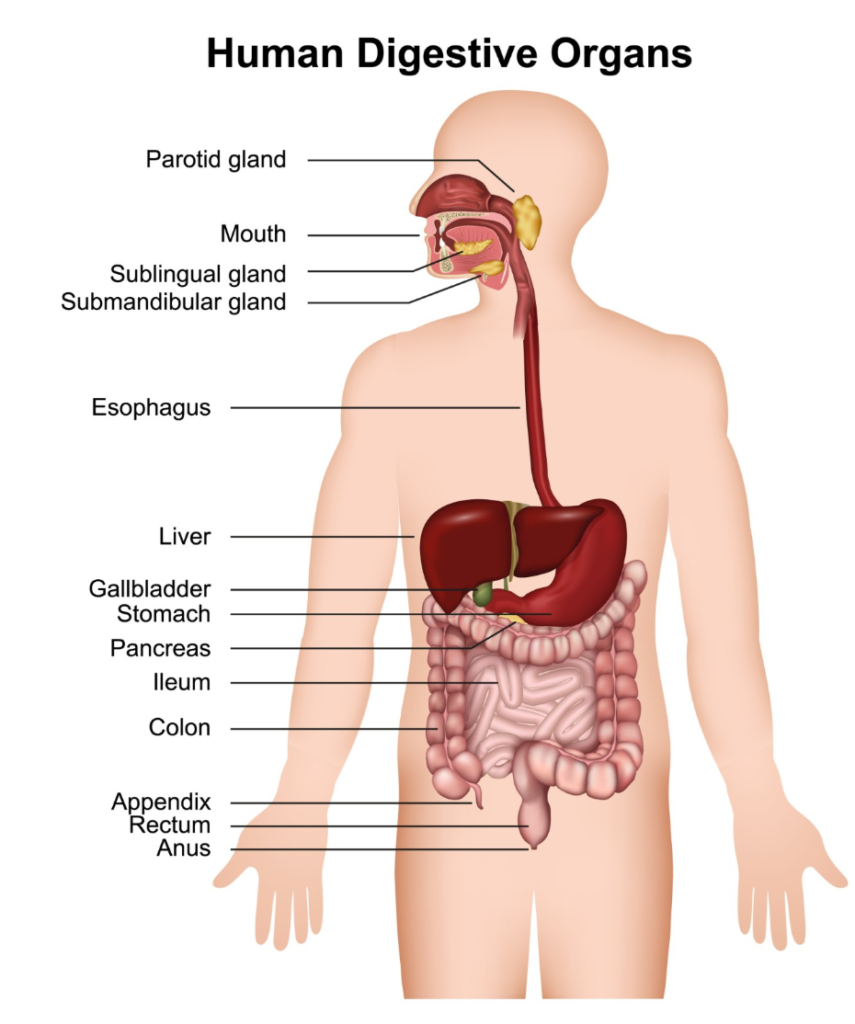
Bile is made up of several components, including water, cholesterol, fats, bile salts, and bilirubin. Gallstones are thought to be caused by an imbalance in the chemical make up of bile inside the gallbladder. When the concentrations of these substances shift, they can no longer remain dissolved in the fluid. This causes them to precipitate or “fall out” of the solution, forming tiny crystals. Over time, these crystals clump together and grow into solid stones. The two most common substances that cause this process are cholesterol and bilirubin, and the resulting stones are classified based on which of these chemicals is the primary component.
Excess cholesterol in the bile
The most frequent cause of gallstones in the United Kingdom is a high concentration of cholesterol within the gallbladder. This occurs when the liver produces and releases more cholesterol than the bile salts can effectively dissolve. This surplus cholesterol eventually turns into hard, yellowish stones. You are more likely to develop gallstones if you are overweight or obese because excess body weight can lead to higher levels of cholesterol secretion by the liver. Dietary choices, particularly those high in saturated fats, can also contribute to this imbalance, making it harder for the gallbladder to maintain a healthy chemical environment.
The role of excess bilirubin
Bilirubin is a pigment produced when the body breaks down old red blood cells. In certain medical conditions, such as some blood disorders or liver disease, the liver may produce an excessive amount of bilirubin. When the gallbladder stores bile containing too much of this pigment, it can form dark brown or black deposits known as pigment stones. These stones are less common than cholesterol stones but form through a similar process of crystallisation. Understanding the specific type of stone is important for clinicians when determining the most appropriate management plan for a patient.
Gallbladder motility and emptying
How well the gallbladder functions also plays a significant role in stone formation. If the organ does not empty fully or frequently enough, the bile can become overly concentrated and stagnant. This thickened bile, often referred to as “biliary sludge,” provides the perfect environment for crystals to settle and grow into stones. According to the National Institute for Health and Care Excellence, identifying factors that affect gallbladder emptying is essential in assessing the risk of stone development. Conditions that affect the nerves or muscles of the digestive system can slow down this process, as can long periods of fasting or certain medications.
The impact of rapid weight changes
The speed at which a person loses weight can also trigger the formation of gallstones. When the body breaks down fat rapidly during weight loss, the liver responds by secreting extra cholesterol into the bile. Additionally, very low-calorie diets can prevent the gallbladder from contracting regularly, leading to the stagnation of bile described previously. This is why UK health guidelines often recommend gradual, sustainable weight loss rather than extreme dieting. Maintaining a stable metabolic rate helps the liver and gallbladder maintain the delicate chemical balance required to keep bile in a liquid state.
Conclusion
Gallstones are primarily caused by chemical imbalances in bile, such as too much cholesterol or bilirubin, combined with poor gallbladder emptying. These factors lead to the formation of crystals that grow into solid stones over time. Managing your weight through a balanced diet and regular exercise is the most effective way to reduce the risk of these imbalances. Understanding these biological triggers helps in making informed decisions about long term health. If you experience severe, sudden, or worsening symptoms, call 999 immediately.
Can eating too much fat cause gallstones?
While a high-fat diet can contribute to cholesterol imbalances, the relationship is complex, and stones often form due to a combination of factors.
Why does pregnancy increase the risk of gallstones?
The hormonal changes during pregnancy can increase cholesterol levels in bile and slow down how quickly the gallbladder empties.
Are gallstones hereditary?
Yes, having a close family member with the condition can increase your likelihood of developing stones due to shared genetic and lifestyle factors.
Does drinking water help prevent gallstones?
Staying well hydrated supports overall digestion, but it is not a direct way to dissolve or prevent the chemical imbalances that lead to stones.
Can children get gallstones?
It is much less common in children and is usually related to underlying medical conditions rather than lifestyle factors.
Do all gallstones need to be removed?
No, many people have gallstones that never cause symptoms, and these usually do not require any treatment or surgery.
Is there a link between diabetes and gallstones?
People with diabetes often have higher levels of certain fats in their blood, which can increase the risk of gallstone formation.
Authority Snapshot (E-E-A-T Block)
This article was developed by the Medical Content Team to provide the public with factual education on the biological causes of gallstones. The content has been reviewed by Dr. Stefan Petrov, a UK trained physician with experience in general medicine and emergency care, to ensure complete alignment with NHS and NICE clinical guidance. Our purpose is to help patients understand metabolic risks through restrained and accurate reporting.



