




Cholecystitis is the clinical term for inflammation of the gallbladder, a small organ situated in the upper right quadrant of the abdomen. This condition is a significant health concern in the United Kingdom as it typically indicates a disruption in the normal flow of bile, the digestive fluid produced by the liver. While the gallbladder serves as a storage reservoir for bile, various biological and mechanical factors can lead to its irritation and swelling. In the UK, healthcare professionals follow evidence-based protocols to identify the specific triggers of this inflammation, which is essential for determining the most effective treatment pathway. Understanding the underlying causes of gallbladder swelling helps patients recognise potential risks and engage proactively with diagnostic procedures recommended by national health standards.
What We’ll Discuss in This Article
- The primary role of gallstones in triggering inflammation
- How biliary duct blockages lead to gallbladder swelling
- Rare causes of acalculous cholecystitis in clinical settings
- The biological impact of bile stasis and chemical irritation
- Risk factors that increase the likelihood of gallbladder issues
- The role of bacterial infections in secondary complications
- Standard diagnostic pathways used by the NHS
Cholecystitis is most frequently caused by gallstones becoming trapped in the cystic duct, which prevents bile from leaving the gallbladder
The mechanical obstruction of the gallbladder’s exit is the leading driver of inflammation in the vast majority of cases seen in the United Kingdom. Cholecystitis is inflammation of the gallbladder, which is usually caused by a gallstone becoming stuck in the main opening to the gallbladder. When the gallbladder contracts to release bile for digestion but the exit is blocked, the pressure inside the organ increases significantly. This elevated pressure, combined with the chemical irritants naturally found in concentrated bile, causes the walls of the gallbladder to become inflamed and swollen. If the blockage persists, the gallbladder wall may lose its blood supply, leading to further tissue damage and a higher risk of complications.
The mechanism of biliary duct blockages and bile stasis
When the normal passage of bile is restricted, the fluid remains stagnant within the gallbladder, a condition known as bile stasis. This stagnation allows the chemical components of bile, such as bile salts and cholesterol, to become highly concentrated and potentially corrosive to the gallbladder’s internal lining.
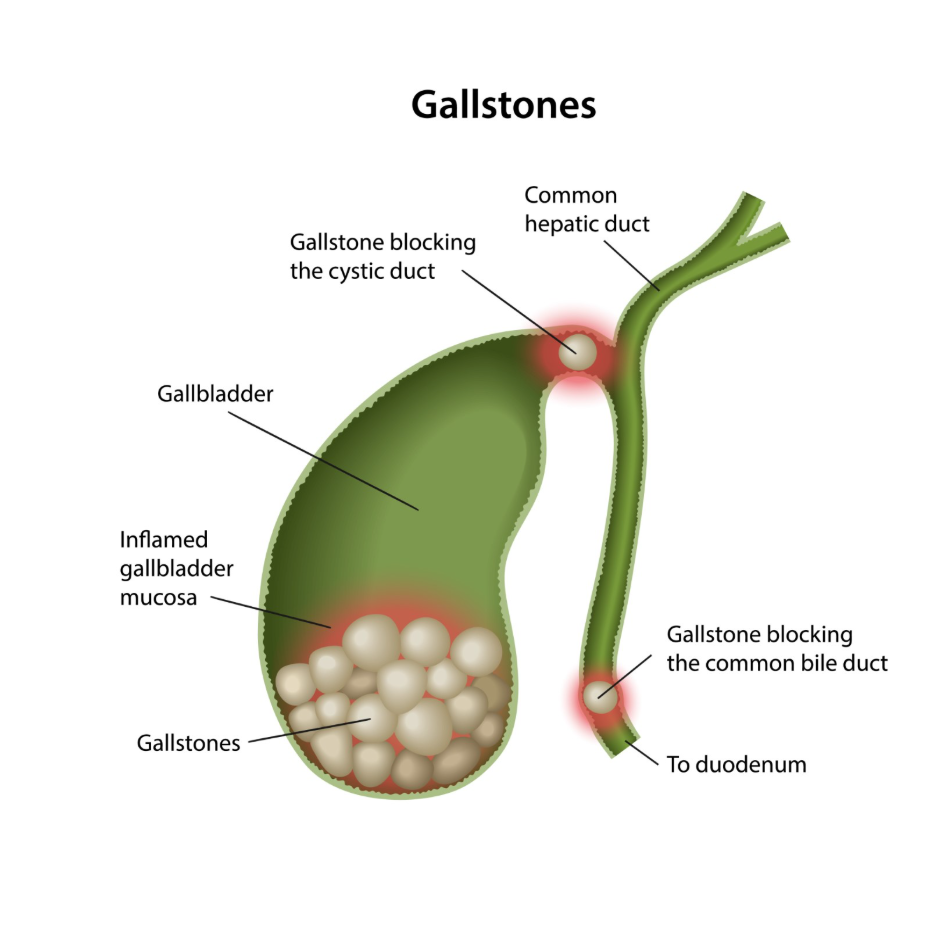
Furthermore, stagnant bile provides a fertile environment for bacteria to multiply, which can lead to a secondary infection of the gallbladder. In many UK clinical cases, what begins as a simple mechanical blockage by a stone quickly progresses to a more complex inflammatory response involving both chemical irritation and bacterial growth.
Understanding acalculous cholecystitis
While gallstones are the most common cause, a small percentage of cases occur without the presence of stones, a condition termed acalculous cholecystitis. This form of inflammation is generally more severe and typically occurs in patients who are already suffering from serious underlying health issues or who have undergone major surgery. Factors such as severe trauma, long term fasting, or certain systemic infections can impair the gallbladder’s ability to empty correctly. In these instances, the inflammation is driven by reduced blood flow to the organ or changes in the chemical composition of the bile. UK hospital specialists monitor for this condition in intensive care settings, as it requires rapid diagnosis to prevent serious gallbladder wall injury.
Common risk factors and secondary triggers
Several factors can increase an individual’s susceptibility to the blockages and imbalances that cause cholecystitis. According to the National Institute for Health and Care Excellence, obesity and a diet high in saturated fats are major risk factors for developing the gallstones that lead to inflammation. Other factors include being female, being over the age of 40, and rapid weight loss, all of which can alter the chemical make-up of bile. Additionally, scarring of the bile ducts from previous inflammation or the presence of tumours in the biliary system can physically obstruct bile flow, leading to swelling. Recognising these risk factors allows UK clinicians to assess the likelihood of gallbladder issues during a patient’s diagnostic evaluation.
Bacterial infection as a contributing factor
In many instances of cholecystitis, bacteria from the digestive tract migrate into the stagnant bile, causing an infection that exacerbates the initial inflammation. While the infection is usually a consequence of the blockage rather than the primary cause, it significantly increases the severity of the patient’s symptoms. Common bacteria found in these cases include E. coli and Klebsiella. In the UK, treatment for cholecystitis often involves antibiotics to manage these secondary infections alongside painkillers and fluids. Clearing the infection is a critical step in stabilising the patient before further procedures, such as surgical removal of the gallbladder, are considered.
Conclusion
Cholecystitis is primarily caused by gallstones blocking the flow of bile, leading to pressure and chemical irritation within the gallbladder. While stones are the most common trigger, other factors like bile stasis, severe illness, or physical obstructions in the ducts can also cause inflammation. Identifying the cause is a vital step in the NHS diagnostic pathway to ensure appropriate medical or surgical management. Maintaining a healthy lifestyle is the most effective way to reduce the risk of these triggers. If you experience severe, sudden, or worsening symptoms, call 999 immediately.
Can stress cause cholecystitis?
There is no direct evidence that psychological stress causes gallbladder inflammation, though it can sometimes affect overall digestive health.
Does every gallstone lead to cholecystitis?
No, many people have gallstones that never cause symptoms or lead to inflammation of the gallbladder.
Can a high fat meal trigger an attack?
A high-fat meal causes the gallbladder to contract vigorously, which can push an existing stone into the duct and trigger inflammation.
Is cholecystitis hereditary?
While the inflammation itself is not directly inherited, the tendency to form gallstones often runs in families.
Can children get cholecystitis?
It is rare in children and is usually related to specific underlying medical conditions or blood disorders rather than diet.
Will the inflammation go away on its own?
Mild cases may settle with fasting and fluids, but professional medical assessment is necessary as the inflammation often returns without treatment.
Can medications cause gallbladder swelling?
Certain medications can affect the composition of bile or gallbladder motility, potentially increasing the risk of stone formation and subsequent inflammation.
Authority Snapshot (E-E-A-T Block)
This article was developed by the Medical Content Team to provide the general public with clear education on the causes of gallbladder inflammation. The content has been reviewed by Dr. Stefan Petrov, a UK-trained physician with experience in general medicine and emergency care, to ensure complete alignment with NHS and NICE clinical guidance. Our purpose is to help patients understand their health risks through factual and restrained reporting.



