




Gallbladder health is a significant focus of digestive medicine in the United Kingdom, with thousands of patients seeking advice for abdominal discomfort each year. Two of the most common terms used by healthcare professionals in this field are gallstones and cholecystitis. While these conditions are closely related and often occur together, they represent distinct clinical stages of gallbladder disease. Gallstones refer to the physical presence of hard deposits within the organ, whereas cholecystitis refers to the biological response of inflammation or infection. Understanding the difference between a mechanical issue, such as a stone, and an inflammatory issue, such as swelling, is essential for patients to navigate their diagnostic journey. In the UK, clinicians follow structured pathways to determine which condition is present, as the urgency and type of medical intervention required can differ significantly between the two.
What We’ll Discuss in This Article
- The biological definitions of gallstones and cholecystitis
- How the presence of stones leads to organ inflammation
- Distinguishing between temporary pain and persistent swelling
- The role of bile duct blockages in triggering acute symptoms
- Clinical diagnostic methods used by the NHS for both conditions
- Comparing treatment pathways from monitoring to surgery
- Identifying red flag symptoms that separate the two conditions
The primary difference is that gallstones are hard deposits of fluid while cholecystitis is the redness and swelling of the gallbladder wall
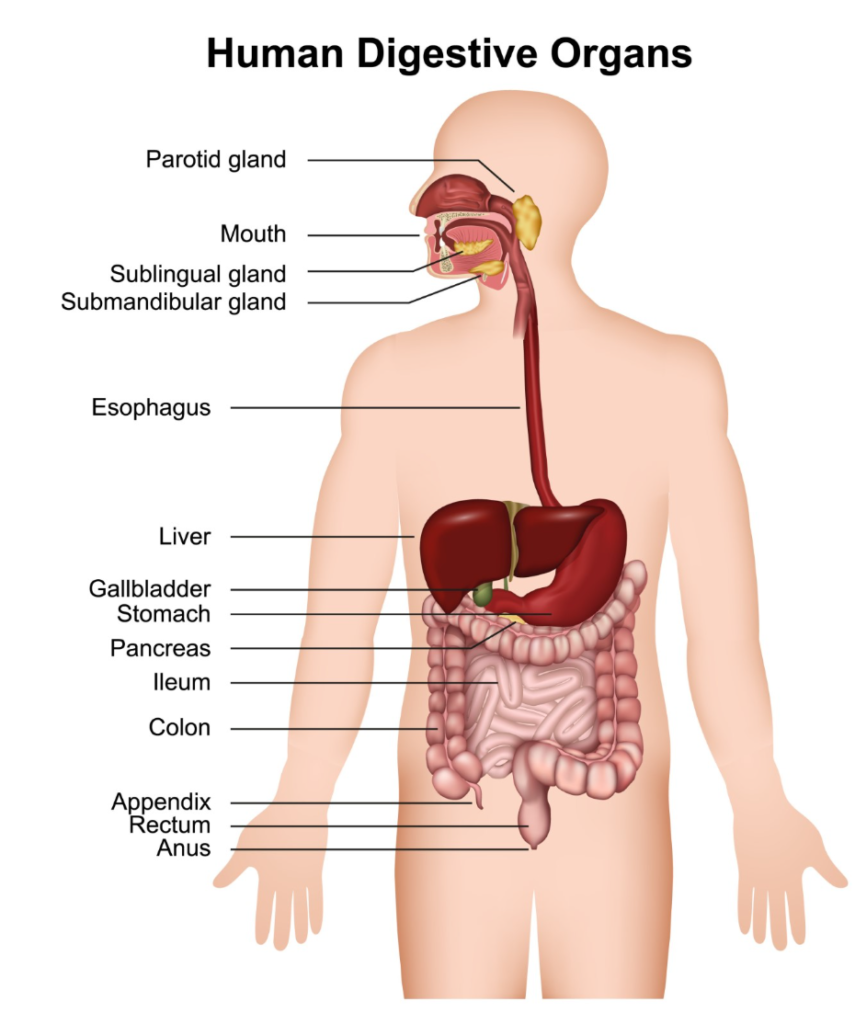
Gallstones are the underlying cause in the vast majority of gallbladder issues, serving as the physical objects that can disrupt normal digestion. Gallstones are small stones, usually made of cholesterol, that form in the gallbladder. In contrast, cholecystitis is the clinical state that occurs when the gallbladder becomes irritated, often as a direct result of these stones. While many people have gallstones without ever experiencing inflammation, cholecystitis is a more serious condition that typically requires immediate medical attention. In the UK, healthcare providers distinguish between the two by assessing the duration of pain, the presence of a fever, and specific markers of infection in the blood.
Mechanical presence versus inflammatory response
Gallstones are mechanical entities that develop when the chemical makeup of bile becomes imbalanced, leading to the formation of crystals. These stones can exist silently for years without causing any tissue damage. Cholecystitis is inflammation of the gallbladder, which is usually caused by a gallstone becoming stuck in the cystic duct. When a stone becomes trapped, it prevents bile from flowing out of the gallbladder, causing the fluid to build up and the pressure within the organ to rise. This pressure irritates the gallbladder lining, leading to swelling and potential infection that defines cholecystitis. Therefore, gallstones are the “trigger,” while cholecystitis is the “reaction” of the body to that trigger.
Comparing symptoms: Biliary colic versus acute inflammation
The nature of the pain experienced by the patient is one of the most reliable ways for UK clinicians to differentiate between the two conditions. Pain caused by gallstones that are not yet causing inflammation is known as biliary colic. This pain is usually temporary, lasting from one to five hours, and occurs when a stone temporarily blocks a duct. In cholecystitis, the pain is persistent, often lasting for several days, and is much more severe. According to the National Institute for Health and Care Excellence, the presence of a high temperature and persistent right upper quadrant tenderness helps distinguish cholecystitis from simple gallstones. While biliary colic may cause nausea, cholecystitis frequently involves fever, chills, and a significantly higher level of physical distress.
Diagnostic and treatment pathways in the UK
The diagnostic approach for both conditions in the United Kingdom typically starts with an ultrasound scan to confirm the presence of stones. However, for cholecystitis, the scan will also look for signs of gallbladder wall thickening or fluid accumulation around the organ. Treatment for gallstones that do not cause symptoms often involves a “wait and see” approach or lifestyle changes. Cholecystitis, however, is a medical priority. Patients with acute inflammation are usually admitted to a hospital to receive intravenous fluids, painkillers, and antibiotics. In many cases, the eventual treatment for both is the surgical removal of the gallbladder, but the timing of surgery is often more urgent when active inflammation is present.
Conclusion
The difference between gallstones and cholecystitis lies in the transition from the physical presence of stones to active organ inflammation. While gallstones can be silent and managed conservatively, cholecystitis is an inflammatory condition that typically requires hospital care and monitoring. Following UK clinical guidance ensures that patients receive the appropriate level of intervention for their specific stage of gallbladder disease. Maintaining a healthy weight and balanced diet remains the best preventative measure for both conditions. If you experience severe, sudden, or worsening symptoms, call 999 immediately.
Can you have cholecystitis without having gallstones?
Yes, this is known as acalculous cholecystitis, and it usually occurs in people who are already very ill with other conditions.
Are gallstones always dangerous?
No, many gallstones never cause any symptoms or inflammation and may never require medical treatment or surgery.
How long does biliary colic last compared to cholecystitis?
Biliary colic usually settles within a few hours, whereas the pain from cholecystitis is persistent and lasts until treated.
Does a fever always mean I have cholecystitis?
A fever combined with upper abdominal pain is a strong indicator of inflammation or infection, such as cholecystitis, and requires medical review.
Is the surgery the same for both conditions?
The surgical procedure, a cholecystectomy, is the same, but the timing may be more urgent if the gallbladder is actively inflamed.
Can diet prevent gallstones from turning into cholecystitis?
A low-fat diet can reduce the frequency of gallbladder contractions, which may lower the risk of a stone becoming stuck.
Will my gallbladder issues return after surgery?
Once the gallbladder is removed, you cannot develop cholecystitis again, although very rarely stones can still form in the bile ducts.
Authority Snapshot (E-E-A-T Block)
This article was developed by the Medical Content Team to provide clear education on the stages of gallbladder disease. The content has been reviewed by Dr. Stefan Petrov, a UK-trained physician with experience in general medicine and emergency care, to ensure absolute alignment with NHS and NICE clinical guidance. Our purpose is to help the public understand the distinctions between common gastric conditions through factual reporting.



