




If jaundice is left untreated, the underlying medical condition causing the yellowing of the skin and eyes can progress, potentially leading to irreversible liver damage, systemic infections, or organ failure. Jaundice is a visible clinical sign that bilirubin, a yellow pigment produced during the natural breakdown of red blood cells, is accumulating in the bloodstream rather than being processed and excreted. In the United Kingdom, healthcare professionals view jaundice as a symptom that requires urgent investigation because the biological cause must be identified to prevent serious long-term consequences. While the yellowing itself is not a disease, the conditions that trigger it, such as biliary obstructions or liver inflammation, can cause significant harm if the metabolic or physical blockages are not addressed. Over time, the buildup of waste products can affect other bodily systems, leading to complications that are far more difficult to manage than the initial symptom. Understanding the risks associated with delayed treatment is essential for ensuring that the body’s filtration and drainage pathways are restored before permanent damage occurs.
What We’ll Discuss in This Article
- The progression of underlying liver disease and scarring.
- The risk of life-threatening infections in the bile ducts.
- How untreated obstructions can lead to secondary organ inflammation.
- The impact of prolonged bilirubin and toxin buildup on the brain.
- The transition from compensated to decompensated liver failure.
- UK clinical protocols for managing and preventing jaundice complications.
Progression of Liver Damage and Cirrhosis
If the cause of jaundice is an intra-hepatic condition like chronic hepatitis or alcohol-related liver disease, leaving it untreated allows the inflammation to continue, leading to the development of permanent scar tissue known as cirrhosis. The liver is a resilient organ that can often function despite minor damage, but persistent inflammation eventually overwhelms its regenerative capacity. The NHS states that jaundice is often a sign of a liver problem that requires medical attention to prevent it from getting worse and causing permanent damage.
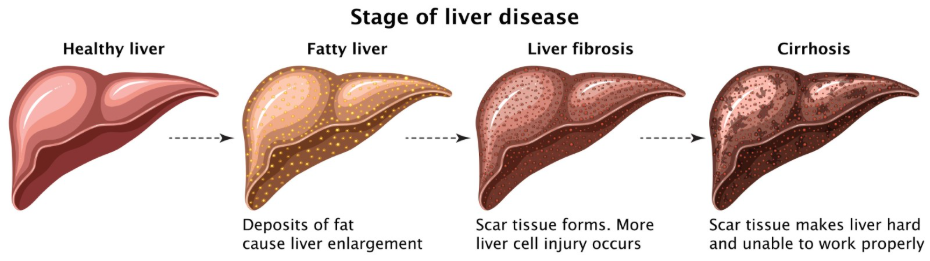
As healthy liver cells are replaced by fibrous scar tissue, the liver loses its ability to perform over 500 vital functions, including the production of proteins and the regulation of blood clotting. When enough scarring occurs, the liver reaches a stage called decompensation, where it can no longer maintain metabolic balance. Jaundice in this context is a signal that the liver is already struggling; ignoring this signal can lead to a total loss of organ function, which may eventually require a liver transplant.
Risk of Ascending Cholangitis and Sepsis
When jaundice is caused by a physical blockage in the bile ducts, such as a gallstone, the stagnant bile behind the obstruction becomes a fertile environment for bacteria to multiply, leading to a severe infection called ascending cholangitis. This is a medical emergency because the infection can rapidly spread from the biliary tree into the bloodstream, causing a life-threatening systemic reaction known as sepsis.
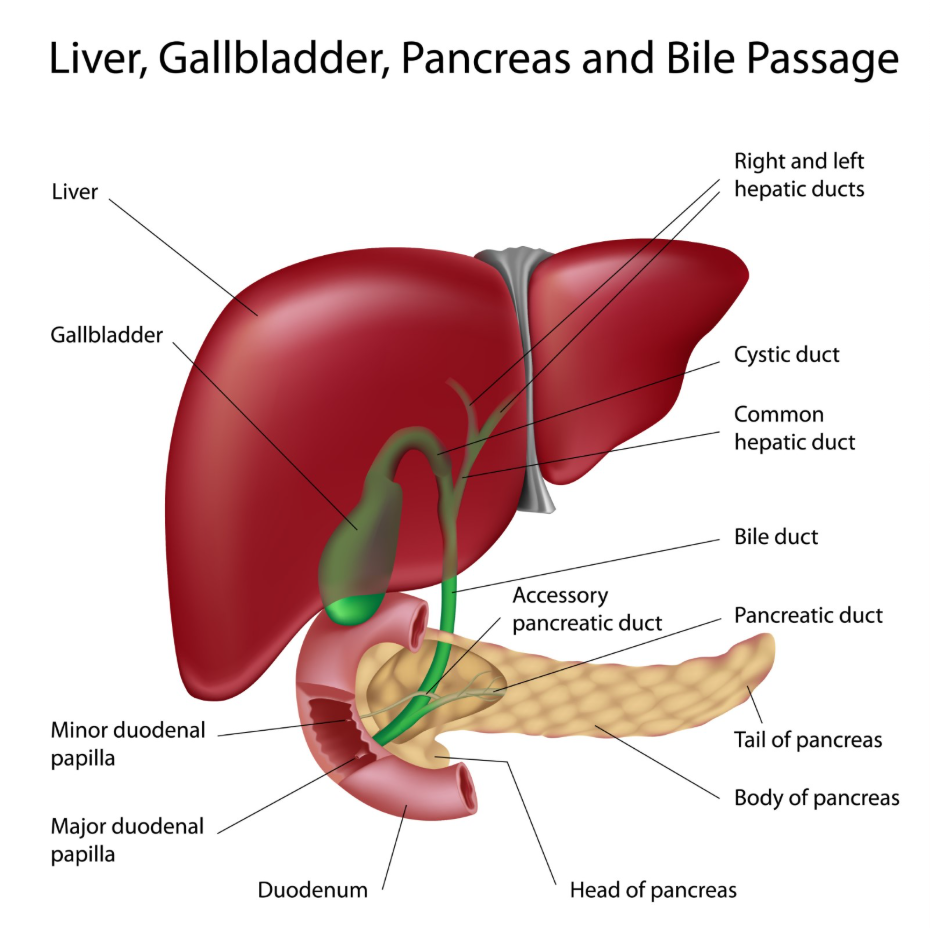
Patients with untreated obstructive jaundice are at high risk for this complication if the blockage is not cleared. NICE clinical guidelines for gallstone disease management highlight that jaundice accompanied by fever and abdominal pain is a hallmark of infection that requires immediate hospital assessment and antibiotic therapy. Sepsis can lead to multi-organ failure and a significant decline in blood pressure, making it one of the most dangerous consequences of ignoring the symptoms of a blocked bile duct.
Secondary Inflammation of the Pancreas
An untreated gallstone causing jaundice can also trigger acute pancreatitis if the stone migrates further down and blocks the pancreatic duct. This duct is the shared exit point for both bile and digestive enzymes produced by the pancreas. If these enzymes are trapped, they can begin to activate while still inside the pancreas, essentially causing the organ to digest itself.
| Condition | Mechanism | Severity without Treatment |
| Biliary Obstruction | Physical blockage of bile flow. | High risk of infection and liver stress. |
| Acute Pancreatitis | Blockage of the pancreatic duct. | Can lead to necrosis and systemic shock. |
| Hepatic Failure | Loss of liver’s metabolic capacity. | Leads to toxin buildup and coma. |
This leads to intense abdominal pain, vomiting, and systemic inflammation. Pancreatitis is a serious condition that requires hospitalisation and supportive care. If the jaundice and the stone causing it are not addressed, the inflammation can become chronic or lead to necrotising pancreatitis, where parts of the organ tissue die. In the UK health system, imaging is used early in the diagnostic pathway specifically to rule out this risk.
Toxin Buildup and Hepatic Encephalopathy
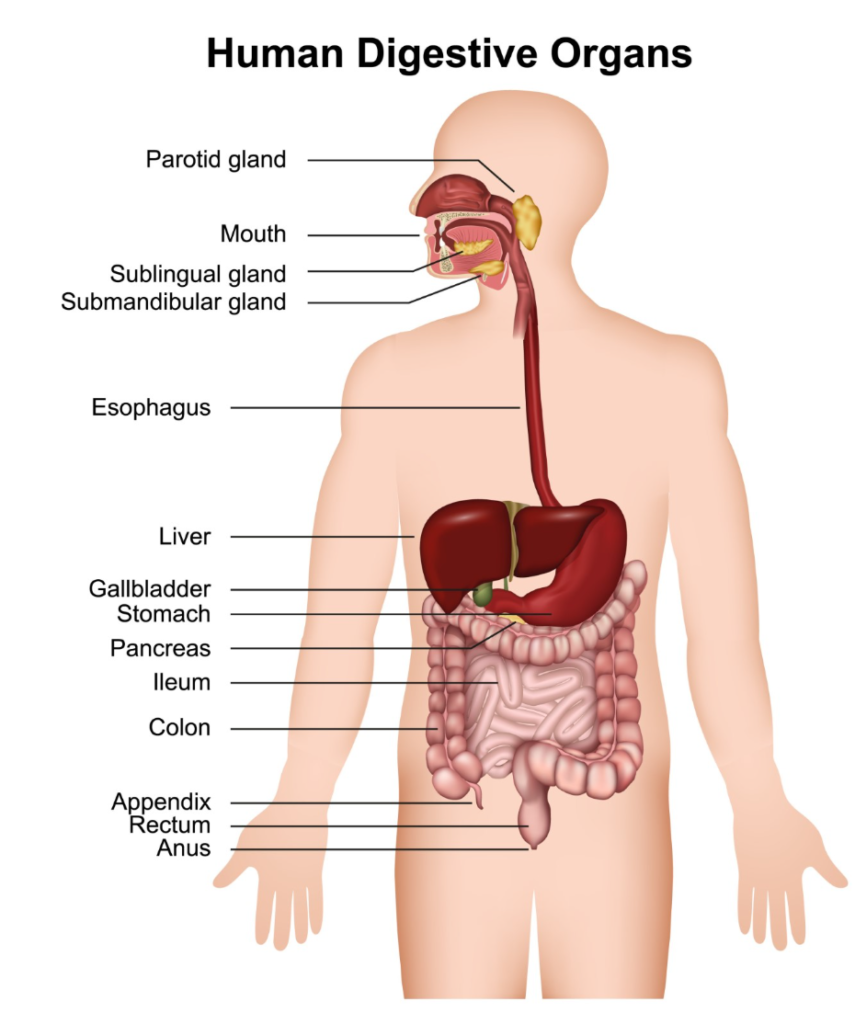
One of the most serious consequences of untreated liver-related jaundice is the accumulation of toxins, particularly ammonia, which can travel to the brain and cause a condition called hepatic encephalopathy. The liver is responsible for filtering these toxins from the blood; when it fails, the toxins interfere with normal brain function.
Early signs of this complication include subtle changes in personality, disrupted sleep patterns, and mild confusion. If the underlying cause of the jaundice remains untreated, the encephalopathy can progress to severe disorientation, tremors, and eventually a hepatic coma. The GOV.UK health profiles indicate that monitoring mental status is a critical part of managing advanced liver disease to prevent irreversible neurological damage. This complication shows that the risks of untreated jaundice extend far beyond the liver itself, affecting the central nervous system and overall cognitive health.
Impact on Blood Clotting and Internal Bleeding
Untreated liver disease that manifests as jaundice also impairs the body’s ability to produce the proteins necessary for blood clotting. This significantly increases the risk of internal bleeding and makes it difficult for the body to stop even minor bleeds. Furthermore, advanced liver scarring can cause “portal hypertension,” where blood pressure increases in the veins leading to the liver.
This pressure can cause the veins in the food pipe (oesophagus) or stomach to swell and potentially burst, leading to life-threatening internal haemorrhages. These “varices” are a direct consequence of long-term untreated liver dysfunction. Jaundice is often the first visible warning that these internal pressures are building. In the United Kingdom, patients with signs of advanced liver disease are screened for these swollen veins to prevent catastrophic bleeding episodes.
Clinical Monitoring to Prevent Complications
In the United Kingdom, the clinical management of jaundice is designed to identify these risks early through regular blood monitoring and imaging. By tracking bilirubin levels and liver enzymes, healthcare teams can determine if the condition is stable or if it is progressing toward one of the complications mentioned above. This proactive approach allows for interventions like clearing a bile duct or starting antiviral therapy before permanent damage occurs.
The multidisciplinary team in the NHS provides integrated care to manage symptoms like itching and to support the patient’s nutritional health, which is often compromised in chronic liver disease. The goal of early diagnosis and treatment is to restore the liver’s role as the body’s primary waste processor, thereby eliminating the jaundice and protecting the other organs from the systemic effects of toxin buildup and infection.
Conclusion
Leaving jaundice untreated can lead to severe and potentially life-threatening complications, including permanent liver scarring, systemic sepsis, and brain dysfunction. While the yellowing may initially seem like a minor cosmetic change, it serves as a vital warning of internal metabolic or physical disruption. In the UK, prompt clinical investigation is the standard of care to identify the underlying cause and prevent the transition to advanced organ failure. Identifying the source of the bilirubin buildup early is the only way to ensure a safe and effective recovery. If you experience severe, sudden, or worsening symptoms, call 999 immediately.
Can I wait for jaundice to go away on its own?
In adults, you should never wait for jaundice to clear without a medical review, as it is often a sign of a serious underlying problem.
Is jaundice always an emergency?
It is not always an emergency, but it is an urgent medical sign that needs a doctor’s assessment within 24 hours.
What is the most dangerous complication of untreated jaundice?
Ascending cholangitis (an infected bile duct) and hepatic failure are both life-threatening if not treated immediately.
Can untreated jaundice cause permanent brain damage?
Severe toxin buildup from liver failure can lead to hepatic encephalopathy, which can cause significant neurological issues if ignored.
Does jaundice always mean my liver is failing?
Not necessarily; it can also be caused by temporary blockages or blood disorders, but only a doctor can determine the level of risk.
Can I take over-the-counter medicine to fix the yellowing?
No; there are no over-the-counter treatments for jaundice, and some common painkillers can actually make liver-related jaundice worse.
Why does untreated jaundice cause bruising?
The liver makes the proteins that help your blood clot; if it is damaged enough to cause jaundice, it may also fail to make these proteins.
Authority Snapshot (E-E-A-T)
This article provides medically factual health education regarding the risks of untreated jaundice, strictly aligned with NHS and NICE clinical guidelines. The content is developed by a professional medical writing team and reviewed by Dr. Stefan Petrov, a UK-trained physician with experience in general medicine, surgery, and emergency care. All information follows current UK public health protocols to ensure accuracy and patient safety.



