




A stomach ulcer, clinically known as a gastric ulcer, is an open sore that develops on the lining of the stomach. When these sores occur in the upper part of the small intestine, they are referred to as duodenal ulcers, and both types are categorised under the umbrella term peptic ulcers. The condition arises when the protective layer of mucus that prevents stomach acid from irritating the organ wall becomes compromised. While many believe stress or diet are the primary culprits, medical evidence shows that most ulcers are caused by bacterial infections or specific medications. In the United Kingdom, stomach ulcers are a common digestive health issue that can usually be effectively treated once the underlying trigger is identified and managed.
What We’ll Discuss in This Article
- The biological mechanism of peptic ulcer formation
- Common symptoms and how they present in daily life
- Identifying the role of H. pylori bacteria in ulcer development
- The impact of anti-inflammatory medications on the stomach lining
- Standard NHS diagnostic tests and procedures
- Treatment pathways including antibiotics and acid suppressants
A stomach ulcer is an open sore that forms on the lining of the stomach or the beginning of the small intestine
Stomach ulcers occur when the balance between digestive juices and the protective mucosal barrier is disrupted, allowing acid to eat away at the stomach wall. Stomach ulcers are open sores that develop on the lining of the stomach or the part of the small intestine just beyond it.
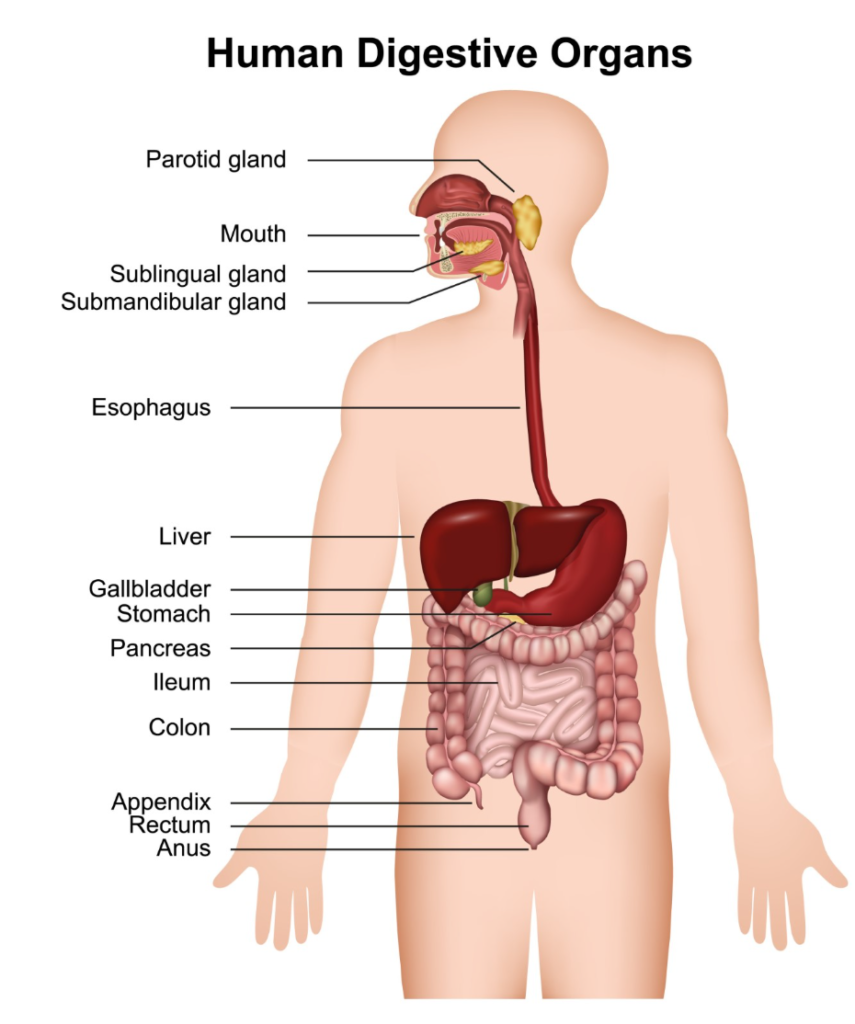
This erosion of the tissue can lead to significant discomfort and, if left untreated, may result in internal bleeding or other serious abdominal complications. While the body has robust mechanisms to protect itself from gastric acid, certain factors can weaken these defences, leading to the formation of a sore that requires clinical intervention to heal.
Common symptoms and signs of a peptic ulcer
The most frequent indication of a stomach ulcer is a burning or gnawing pain in the centre of the abdomen, often felt just below the ribs. The most common symptom of a stomach ulcer is a burning or gnawing pain in the centre of the tummy, which can last from a few minutes to several hours. This pain may occur when the stomach is empty or shortly after eating, and it can sometimes be temporarily relieved by taking antacids. Other symptoms include indigestion, a feeling of fullness and bloating, nausea, and a loss of appetite. In more severe cases, individuals may experience dark, tarry stools or vomit that looks like coffee grounds, both of which indicate the need for immediate medical assessment.
Primary causes: H. pylori and anti-inflammatory drugs
The vast majority of peptic ulcers are caused by an infection with Helicobacter pylori (H. pylori) bacteria or the frequent use of non-steroidal anti-inflammatory drugs (NSAIDs). H. pylori bacteria are common and often live harmlessly in the stomach, but in some people, they irritate the lining and cause inflammation. According to the National Institute for Health and Care Excellence, H. pylori infection and the use of NSAIDs are the two main causes of peptic ulcers. Medications such as ibuprofen, aspirin, and naproxen can thin the protective mucus layer of the stomach, making it more vulnerable to acid damage. Identifying which of these factors is responsible is essential for choosing the correct medical treatment plan.
Diagnostic pathways and medical treatments
To confirm a diagnosis, UK doctors often perform a breath test or stool sample test to check for the presence of H. pylori. In some circumstances, a gastroscopy may be required, where a small camera is inserted into the stomach to look directly at the ulcer. Treatment for stomach ulcers involves taking medicines to reduce the amount of acid the stomach produces to allow the sore to heal naturally. Common medications include proton pump inhibitors (PPIs) and H2 blockers. If an infection is detected, a combination of antibiotics is prescribed to clear the bacteria. Most ulcers heal within one to two months of starting the appropriate course of medication.
Conclusion
Stomach ulcers are manageable open sores on the gastric lining, primarily caused by bacterial infection or the long term use of anti-inflammatory medications. While the abdominal pain can be intense, most cases respond well to acid-suppressing drugs and targeted antibiotics. Early diagnosis is key to promoting full tissue healing and preventing complications like bleeding. If you experience severe, sudden, or worsening symptoms, call 999 immediately.
Can stress cause a stomach ulcer?
While stress and spicy foods can make symptoms worse, they are not usually the primary cause of the ulcer itself.
Is H. pylori contagious?
The bacteria can be passed through close contact or contaminated food and water, though many people carry it without symptoms.
How long does it take for an ulcer to heal?
Most stomach ulcers heal within four to eight weeks once the correct medical treatment has begun.
Can I take ibuprofen if I have an ulcer?
No, you should avoid NSAIDs like ibuprofen as they can prevent the ulcer from healing and may cause new sores to form.
What happens if a stomach ulcer is left untreated?
Untreated ulcers can cause internal bleeding, perforation of the stomach wall, or a blockage that prevents food from passing.
Will I need surgery for a stomach ulcer?
Surgery is very rare nowadays and is usually only performed if an ulcer causes a life-threatening complication that medication cannot fix.
Do I need a special diet to heal an ulcer?
There is no specific diet for ulcers, but avoiding alcohol, smoking, and foods that trigger your pain can support the healing process.
Authority Snapshot (E-E-A-T Block)
This article provides educational information on stomach ulcers for the general public in the UK. The content has been reviewed by Dr. Rebecca Fernandez, a UK-trained physician with extensive experience in internal and emergency medicine, to ensure accuracy and alignment with NHS and NICE clinical guidance. Our purpose is to help patients understand digestive health through factual and restrained reporting.



