




Pancreatitis refers to the inflammation of the pancreas, an organ situated behind the stomach that is essential for producing digestive enzymes and hormones such as insulin. In the United Kingdom, healthcare professionals categorise this inflammation into two distinct forms based on how the condition develops and the impact it has on the organ tissue. Acute pancreatitis typically involves a sudden, intense episode of swelling that resolves with medical intervention, whereas chronic pancreatitis is characterised by long-term, progressive damage that permanently alters the structure and function of the pancreas. Distinguishing between these two conditions is vital for ensuring that patients receive the correct clinical management and understand the long-term implications for their health. Within the NHS, diagnostic pathways involve a combination of blood tests and imaging to determine the severity and type of inflammation present. By following the standards set by the National Institute for Health and Care Excellence, medical teams can provide targeted support to alleviate symptoms and prevent complications such as malnutrition or diabetes. This article outlines the biological differences, causes, and treatment strategies for both forms of pancreatic inflammation.
What We’ll Discuss in This Article
- The biological definition of acute versus chronic inflammation
- Common causes for sudden and long-term pancreatic damage
- How symptoms differ between the two types of pancreatitis
- Diagnostic procedures used by the NHS to assess the pancreas
- Treatment pathways for hospital stabilisation and long-term care
- Complications associated with permanent pancreatic scarring
- Lifestyle modifications essential for managing both conditions
The primary difference between acute and chronic pancreatitis is that acute cases involve sudden inflammation that usually resolves, while chronic cases involve permanent damage caused by inflammation over many years
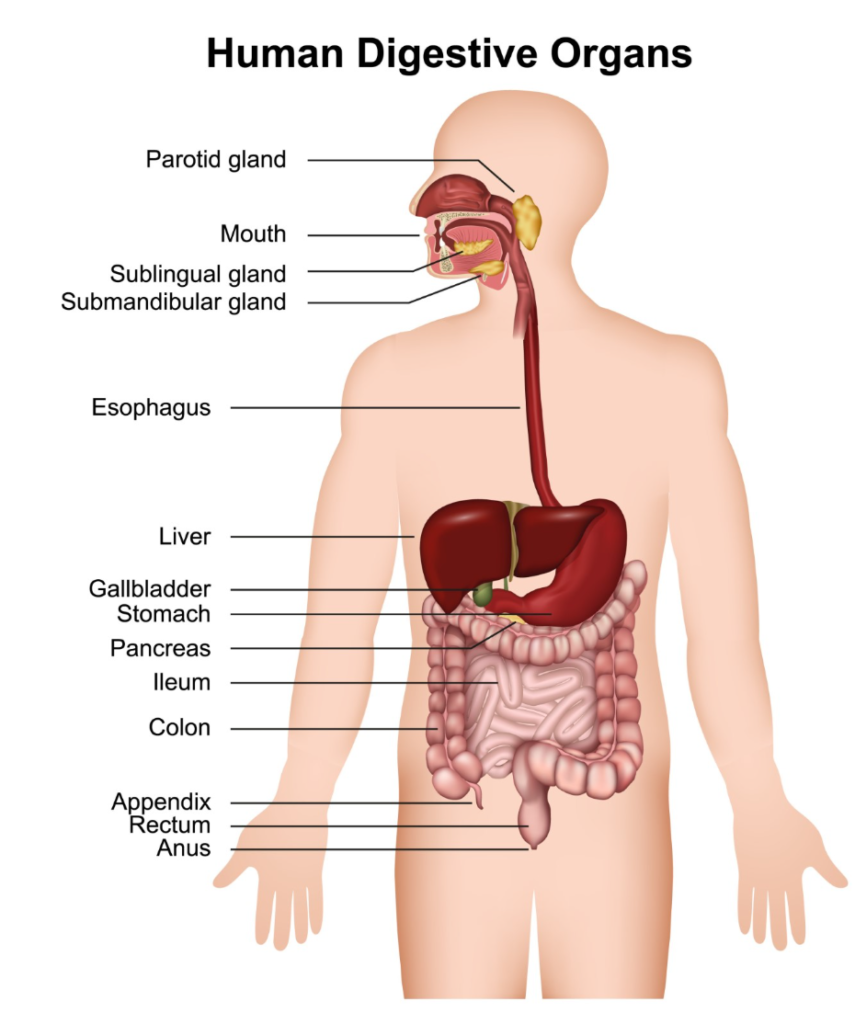
In the United Kingdom, acute pancreatitis is often viewed as a medical emergency that requires immediate hospitalisation to settle the initial swelling. Acute pancreatitis is where the pancreas becomes inflamed over a short period of time, while chronic pancreatitis is where the pancreas has been permanently damaged from inflammation over many years. While the pancreas can often return to its normal state following an acute episode, chronic pancreatitis results in the formation of scar tissue. This scarring is irreversible and leads to a gradual loss of the organ’s ability to produce the enzymes needed for digestion and the insulin required for blood sugar control.
Onset and duration of symptoms
Acute pancreatitis typically presents as a sudden and severe pain in the centre of the abdomen, which often develops quickly over a few hours. This pain is frequently accompanied by nausea, vomiting, and a high temperature, often requiring strong painkillers and intravenous fluids in a hospital setting. In contrast, the symptoms of chronic pancreatitis are usually more persistent and can involve a dull, gnawing ache in the tummy that comes and goes but worsens over time. The most common symptom of acute pancreatitis is a sudden, severe pain in the centre of your tummy, just below your breastbone. As chronic damage progresses, the pain may become constant, and patients may notice changes in their digestion, such as foul-smelling, oily stools or unintended weight loss.
Causes and risk factors in the UK
The underlying causes for both conditions frequently overlap, but the duration of exposure to these triggers often dictates which form of the disease develops. In the UK, the two most common causes of acute pancreatitis are gallstones and excessive alcohol consumption. If a gallstone blocks the pancreatic duct, it can trigger sudden inflammation. For chronic pancreatitis, the most common cause is long-term, heavy drinking over many years, which causes repeated small episodes of inflammation that the body cannot repair. Chronic pancreatitis is most commonly caused by drinking large amounts of alcohol over many years. Other factors, such as smoking, high levels of fats in the blood, and certain genetic predispositions, can also contribute to the progression of permanent pancreatic damage.
Diagnostic investigations within the NHS
Clinicians use different diagnostic markers to identify which form of pancreatitis a patient is experiencing. In acute cases, blood tests often show very high levels of lipase or amylase, which are digestive enzymes that leak into the blood when the pancreas is actively inflamed. In chronic pancreatitis, these enzyme levels may actually appear normal because the pancreas has become too scarred to produce them in large quantities. Imaging is therefore crucial; a CT scan or an ultrasound can show the sudden swelling of an acute episode or the calcification and shrinking of the pancreas associated with chronic disease. These tests help UK medical teams determine if the patient needs immediate stabilisation or a long-term plan for enzyme replacement therapy.
Comparison of Clinical Features
| Feature | Acute Pancreatitis | Chronic Pancreatitis |
| Pain Nature | Sudden, sharp, and severe | Persistent, dull, or episodic |
| Duration | Lasts a few days to a week | Lifelong/Progressive |
| Organ Structure | Temporary swelling | Permanent scarring (fibrosis) |
| Primary Causes | Gallstones, alcohol, trauma | Long-term alcohol, smoking, genetics |
| Main Treatment | Hospital fluids and rest | Enzyme supplements, pain management |
Treatment and management pathways
The management of acute pancreatitis in the UK focuses on supporting the body while the inflammation settles, usually involving intravenous fluids and fasting to “rest” the organ. Once the patient recovers, the focus shifts to preventing recurrence, such as removing gallstones if they were the cause. Chronic pancreatitis management is more complex and focuses on replacing the functions that the damaged pancreas can no longer perform. This involves taking pancreatic enzyme replacement therapy with every meal to help the body absorb nutrients. Patients with chronic damage also require regular monitoring of their blood sugar levels, as they are at a higher risk of developing a specific form of diabetes due to the loss of insulin-producing cells.
Complications and long-term outlook
Acute pancreatitis can lead to serious immediate complications, such as fluid collections or organ failure, but many patients make a full recovery without long-term issues. Chronic pancreatitis, however, carries a risk of persistent malabsorption and chronic pain that can significantly affect a person’s quality of life. In the UK, the long-term outlook for chronic patients depends heavily on lifestyle changes. Stopping smoking and avoiding alcohol are the most critical steps to prevent further scarring and reduce the risk of pancreatic cancer. Clinical teams provide ongoing support through specialist clinics to manage the nutritional and metabolic challenges presented by a permanently damaged pancreas.
Conclusion
Acute pancreatitis is a sudden inflammatory event that often resolves with hospital care, whereas chronic pancreatitis is a long-term condition involving permanent organ scarring. While gallstones and alcohol are common triggers for both, the management varies from acute stabilisation to lifelong enzyme replacement. Understanding these differences allows patients to follow the necessary clinical advice to protect their pancreatic health. Following NHS and NICE guidance is essential for managing symptoms and preventing further damage. If you experience severe, sudden, or worsening symptoms, call 999 immediately.
Can one episode of acute pancreatitis lead to chronic pancreatitis?
Yes, repeated episodes of acute inflammation can eventually cause enough damage to become chronic, especially if the underlying cause is not addressed.
Is chronic pancreatitis life-threatening?
It is a serious long-term condition that requires careful management, but many people live for many years with the appropriate medical support and lifestyle changes.
Why do I need to take enzymes with food if I have chronic pancreatitis?
The scar tissue prevents your pancreas from making the enzymes needed to break down fats and proteins, so supplements are needed to prevent malnutrition.
Can I drink alcohol once I recover from acute pancreatitis?
UK health advice strongly recommends avoiding alcohol after an episode to prevent further attacks or the development of chronic disease.
Does smoking affect the pancreas?
Yes, smoking is a significant risk factor for both chronic pancreatitis and pancreatic cancer, and it can speed up the rate of organ damage.
Is there a cure for chronic pancreatitis?.
There is no way to reverse the scarring already present, but the symptoms and complications can be managed effectively with medication and diet.
Will I get diabetes if I have pancreatitis?
It is a possibility in chronic cases because the damage can affect the cells that produce insulin; your doctor will monitor your blood sugar levels regularly.
Authority Snapshot (E-E-A-T Block)
This article was developed by the Medical Content Team to provide clear education on the differences between acute and chronic pancreatic conditions. The content has been reviewed by Dr. Rebecca Fernandez, a UK-trained physician with experience in general surgery and emergency medicine, to ensure absolute alignment with NHS and NICE clinical guidance. Our purpose is to help the public understand complex medical conditions through factual and restrained reporting.



