




Pancreatitis occurs when the pancreas, a small organ located behind the stomach, becomes inflamed due to the premature activation of digestive enzymes. In the United Kingdom, this condition is a significant cause of emergency hospital admissions and requires careful clinical management to prevent complications. The pancreas serves two primary functions: producing enzymes to help digest food and creating hormones such as insulin to regulate blood sugar. Under normal conditions, digestive enzymes remain inactive until they reach the small intestine; however, if these enzymes become active while still inside the pancreas, they begin to irritate the organ tissue, leading to swelling and potential damage. Identifying the underlying cause of this inflammation is essential for effective treatment and the prevention of future episodes. Most cases in the UK are linked to specific lifestyle factors or anatomical issues, and healthcare professionals use a structured diagnostic approach to identify these triggers. By following established NHS and NICE guidelines, patients can receive evidence-based care that addresses the root cause of the inflammation, whether it is a sudden acute event or a long-term chronic condition.
What We’ll Discuss in This Article
- The biological mechanisms behind pancreatic inflammation
- How gallstones act as a primary trigger for acute pancreatitis
- The impact of long-term alcohol consumption on pancreatic health
- Less common causes including high blood fats and certain medications
- The role of autoimmune conditions and genetic factors
- How clinicians in the UK investigate the cause of an episode
- Lifestyle changes to reduce the risk of recurring inflammation
The most frequent causes of pancreatitis in the UK are gallstones and excessive alcohol consumption, which together account for the majority of cases
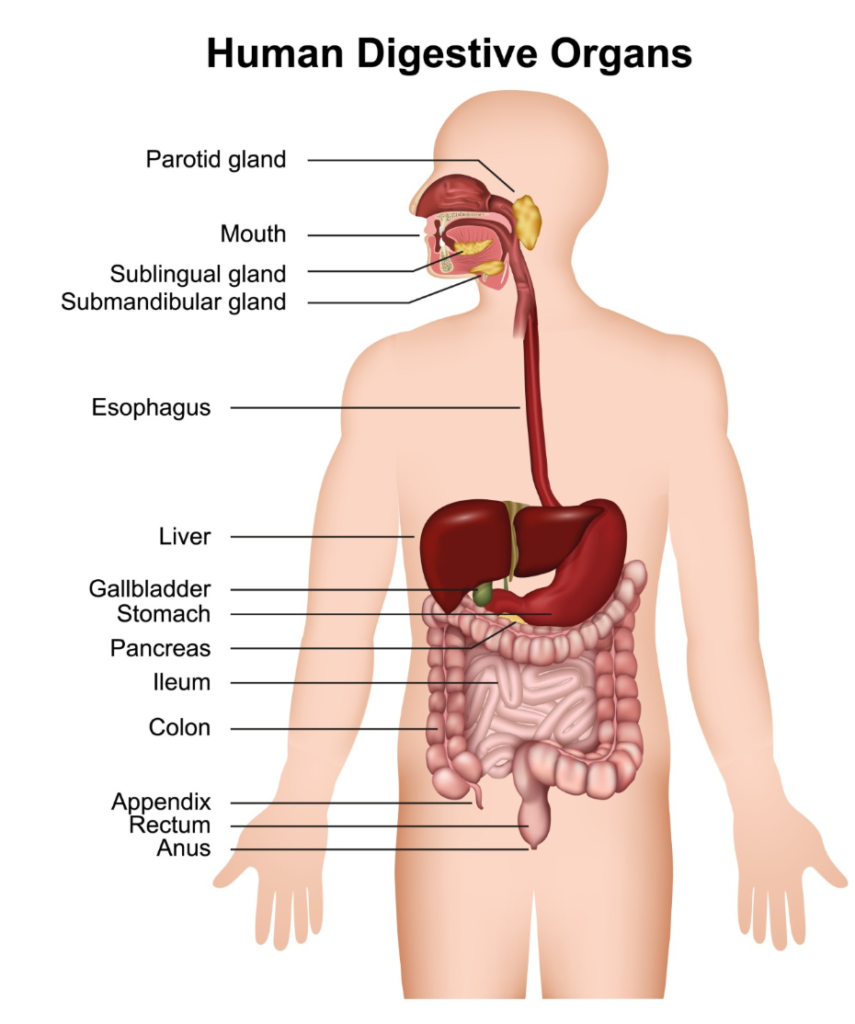
In the United Kingdom, the two primary triggers for pancreatic inflammation are well documented in clinical practice. Gallstones are a common cause of acute pancreatitis as they can become trapped in a duct and block the flow of enzymes from the pancreas. When a stone moves out of the gallbladder and obstructs the opening of the pancreatic duct, the enzymes back up and begin to attack the pancreas itself. The second major cause is alcohol, which can lead to both acute and chronic forms of the disease. Drinking large amounts of alcohol over many years is a common cause of chronic pancreatitis. Alcohol is thought to interfere with the normal metabolic processes of pancreatic cells, leading to the production of toxic substances that trigger an inflammatory response.
Gallstones and the biliary connection
Gallstones cause pancreatitis by creating a mechanical blockage in the shared drainage system of the liver and pancreas. The common bile duct and the pancreatic duct often join together before entering the small intestine at a point called the ampulla of Vater. If a small stone migrates from the gallbladder and becomes lodged at this junction, it prevents the pancreas from emptying its digestive fluids. This pressure buildup leads to the activation of enzymes within the pancreatic tissue, causing rapid inflammation. In the UK, if gallstones are identified as the cause, healthcare teams often recommend the removal of the gallbladder once the initial inflammation has subsided to prevent a recurrence of the condition.
The impact of alcohol on pancreatic tissue
Alcohol related pancreatitis can occur after a single episode of heavy drinking or as a result of long term, persistent use. The exact biological mechanism is complex, but it is understood that alcohol increases the sensitivity of the pancreas to certain hormones that trigger enzyme production while simultaneously making the duct walls more permeable to damage. Over time, repeated exposure to alcohol can lead to permanent scarring, known as fibrosis, which is characteristic of chronic pancreatitis. In the UK, clinical advice focuses heavily on alcohol cessation for anyone who has experienced an episode of pancreatitis, as continued use significantly increases the risk of permanent organ damage and chronic pain.
High triglycerides and metabolic triggers
Elevated levels of fats in the blood, specifically triglycerides, are a recognised but less common cause of pancreatitis in the UK population. When triglyceride levels become exceptionally high, the breakdown of these fats in the pancreas can release free fatty acids that are toxic to the organ’s cells. According to the National Institute for Health and Care Excellence, clinicians should investigate for metabolic causes like hyperlipidaemia in patients with unexplained pancreatitis. This condition is often managed through a combination of dietary changes and medication to lower blood fat levels, which helps to stabilise the pancreatic environment and prevent further inflammatory spikes.
Medications and drug-induced inflammation
A variety of medications have been linked to an increased risk of pancreatitis, although this remains a relatively rare cause compared to gallstones and alcohol. Certain antibiotics, diuretics, and immunosuppressants can occasionally trigger an inflammatory response in the pancreas as a side effect. Clinicians in the UK review a patient’s full medication history during a diagnostic workup to identify any potential pharmacological triggers. If a drug is suspected to be the cause, it is typically discontinued or replaced with an alternative. Patients are advised not to stop any prescribed medications without consulting their GP or specialist, as the management of drug induced pancreatitis requires professional oversight.
Comparison of Common Pancreatitis Causes
| Cause | Type of Pancreatitis | Mechanism |
| Gallstones | Primarily Acute | Mechanical blockage of the duct |
| Alcohol | Acute and Chronic | Toxic effect on pancreatic cells |
| High Triglycerides | Acute | Chemical irritation from fatty acids |
| Trauma | Acute | Physical injury to the organ tissue |
| Post-ERCP | Acute | Irritation from medical procedure |
Autoimmune and hereditary factors
In some instances, the immune system may mistakenly attack the pancreas, leading to a condition known as autoimmune pancreatitis. This form of the disease often responds well to steroid treatment and is managed by specialist gastroenterology teams in the UK. Additionally, certain genetic mutations can predispose individuals to recurring episodes of inflammation from a young age, known as hereditary pancreatitis. These cases often require long term monitoring and family screening. When no obvious cause can be found after extensive testing, the condition is referred to as idiopathic pancreatitis, and the focus remains on supportive care and lifestyle modifications to reduce general inflammatory risks.
Conclusion
The primary causes of pancreatitis in the UK are gallstones and alcohol, which lead to the premature activation of digestive enzymes. Identifying the specific trigger, whether it is a blockage, a metabolic issue, or a medication side effect, is crucial for preventing future episodes. Management involves hospital stabilisation followed by addressing the underlying cause, such as gallbladder removal or lifestyle changes. Long term pancreatic health depends on avoiding alcohol and smoking to prevent permanent damage. If you experience severe, sudden, or worsening symptoms, call 999 immediately.
Can one night of heavy drinking cause pancreatitis?
Yes, a single episode of binge drinking can trigger acute pancreatitis in some individuals, particularly if they have an underlying sensitivity.
Do all gallstones cause pancreatitis?
No, most gallstones stay in the gallbladder and never cause issues, but if a stone moves and blocks the pancreatic duct, it can trigger inflammation.
Is pancreatitis caused by a poor diet?
A diet high in fat can contribute to gallstones and high triglycerides, both of which are major risk factors for the condition.
Can a physical injury cause pancreatitis?
Yes, blunt trauma to the abdomen, such as from a car accident or a significant fall, can damage the pancreas and lead to inflammation.
Are there any viral causes of pancreatitis?
Some viruses, such as the mumps or certain types of hepatitis, can occasionally cause inflammation of the pancreas.
Why is smoking a risk factor if it doesn’t involve the digestive system?
Smoking is thought to increase the risk of pancreatic inflammation and cancer by promoting systemic inflammation and affecting pancreatic secretions.
Is post-ERCP pancreatitis common?
A small percentage of people who undergo an ERCP procedure to check the bile ducts may develop temporary pancreatic inflammation as a reaction to the procedure.
Authority Snapshot (E-E-A-T Block)
This article was developed by the Medical Content Team to provide clear education on the causes of pancreatic inflammation. The content has been reviewed by Dr. Rebecca Fernandez, a UK-trained physician with experience in general surgery and emergency medicine, to ensure absolute alignment with NHS and NICE clinical guidance. Our purpose is to help the public understand the triggers of this serious condition through factual and restrained reporting.



