




Jaundice manifests primarily as a visible yellowing of the skin and the whites of the eyes, often accompanied by distinct changes in the colour of bodily waste products. This condition occurs when bilirubin, a yellow pigment produced during the natural recycling of red blood cells, accumulates in the bloodstream instead of being excreted by the liver. In the United Kingdom, the appearance of these symptoms is regarded as a significant clinical indicator that the liver, gallbladder, or haematological system requires medical investigation. While the yellow hue is the most recognisable feature, the initial stages of jaundice may also involve more subtle systemic signs, such as itching or fatigue, depending on the underlying cause. Understanding how these symptoms develop and what they signify is essential for identifying disruptions in the body’s metabolic filtration processes. Because the liver is responsible for over five hundred vital functions, the onset of jaundice often serves as an early warning system that the organ is under metabolic or physical stress.
What We’ll Discuss in This Article
- The physical changes to the eyes and skin during early jaundice.
- Why urine and stool colours change when bilirubin levels rise.
- The sensation of pruritus or skin itching as a common symptom.
- Systemic signs such as fatigue and abdominal discomfort.
- How symptoms vary between obstructive and liver related causes.
- The clinical importance of monitoring early symptom progression.
Discoloration of the Sclera and Skin
The earliest and most prominent symptom of developing jaundice is a yellow tint in the whites of the eyes, followed by a similar change in skin tone as bilirubin levels increase. Bilirubin has a high affinity for elastic tissue, which is why the sclera of the eyes often shows discoloration before the skin. The NHS states that jaundice causes yellowing of the skin and the whites of the eyes, and it is a sign of an underlying condition that needs to be checked by a doctor.
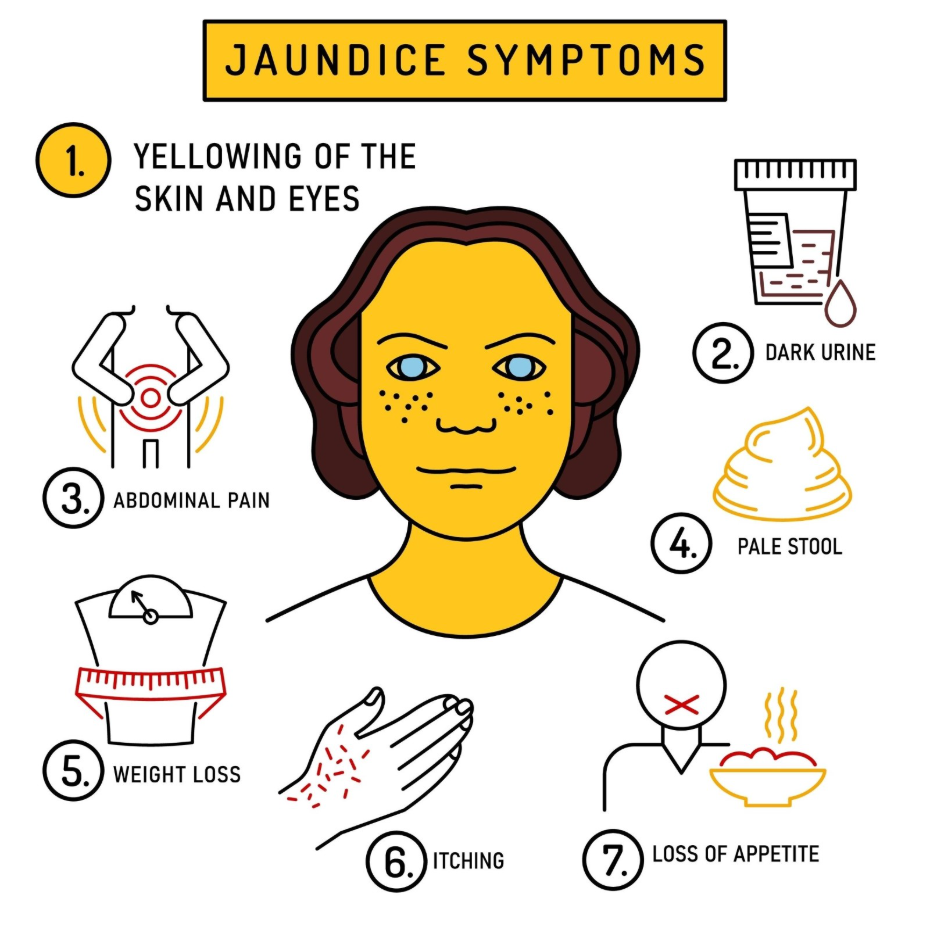
As the concentration of pigment in the blood rises, the yellowing typically spreads from the head downwards. It may first be noticeable under certain lighting conditions, such as natural daylight. In people with darker skin tones, the yellowing of the skin may be less obvious, making the examination of the eyes, the inside of the mouth, and the palms of the hands particularly important for early detection. This discoloration is not a skin condition itself but a visible reflection of a chemical imbalance in the circulatory system.
Changes in Urine and Stool Colour
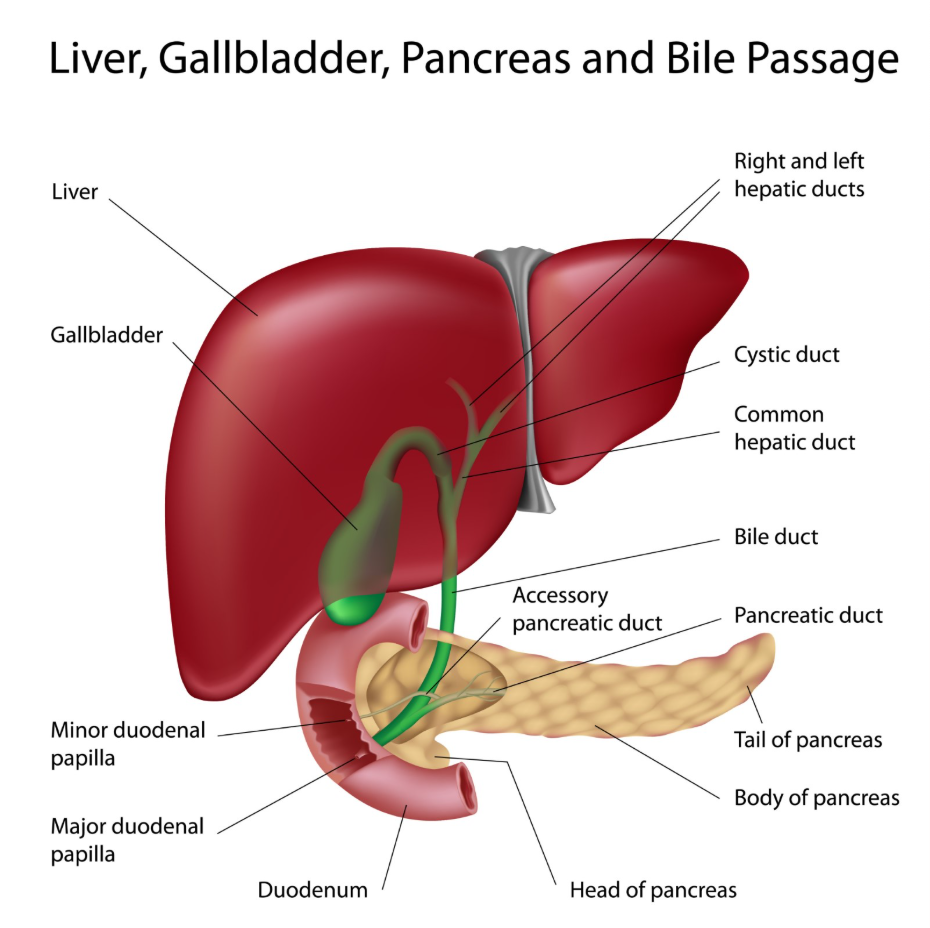
Significant changes in the colour of urine and stools are hallmark symptoms that often appear alongside or even slightly before the visible yellowing of the skin. When the liver cannot process bilirubin or the bile ducts are blocked, the pigment is diverted to the kidneys or fails to reach the digestive tract. NICE clinical guidelines indicate that dark urine and pale, clay-coloured stools are key indicators used to differentiate between different types of jaundice in adults.
Normally, bilirubin gives stools their brown colour. If there is an obstruction, the stools may become pale or grey. Simultaneously, the kidneys filter water-soluble bilirubin from the blood, resulting in urine that appears dark orange, brown, or tea-coloured. The following table compares the typical waste changes based on the source of the jaundice.
| Feature | Liver Related Jaundice | Obstructive Jaundice |
| Urine Colour | Dark (tea-coloured) | Very dark (cola-coloured) |
| Stool Colour | Normal to slightly pale | Pale, grey, or clay-coloured |
| Stool Texture | Normal | May be greasy or difficult to flush |
Pruritus and Skin Sensations
Itching, medically known as pruritus, is a common symptom that can develop when jaundice is caused by a backup of bile components in the bloodstream. This sensation is often persistent and can become quite intense, affecting the entire body or being concentrated on the palms and soles of the feet. It occurs because bile salts, which are normally excreted with bilirubin, accumulate in the skin and irritate sensory nerve endings.
Unlike a typical rash, the itching associated with jaundice does not usually produce visible bumps or redness unless the skin is irritated by scratching. This symptom is particularly common in cases of obstructive jaundice, such as those caused by gallstones or bile duct issues. In the UK, clinicians assess the severity of pruritus as it can significantly impact a patient’s quality of life and sleep patterns during the management of the underlying liver condition.
Systemic and Digestive Symptoms
As jaundice develops, many individuals experience systemic symptoms that reflect the body’s general response to liver stress or infection. These symptoms may precede the visible yellowing by several days, particularly in cases of viral hepatitis or acute liver inflammation. Patients often report a profound sense of fatigue and a loss of appetite, as the liver struggles to maintain normal energy metabolism.
Common systemic signs include:
- Abdominal Discomfort: A dull ache or tenderness in the upper right side of the stomach.
- Nausea: A feeling of sickness, sometimes followed by vomiting.
- Fever and Chills: Often appearing if the jaundice is caused by an infection or inflammation.
- Muscle and Joint Aches: Generalised pain similar to flu symptoms.
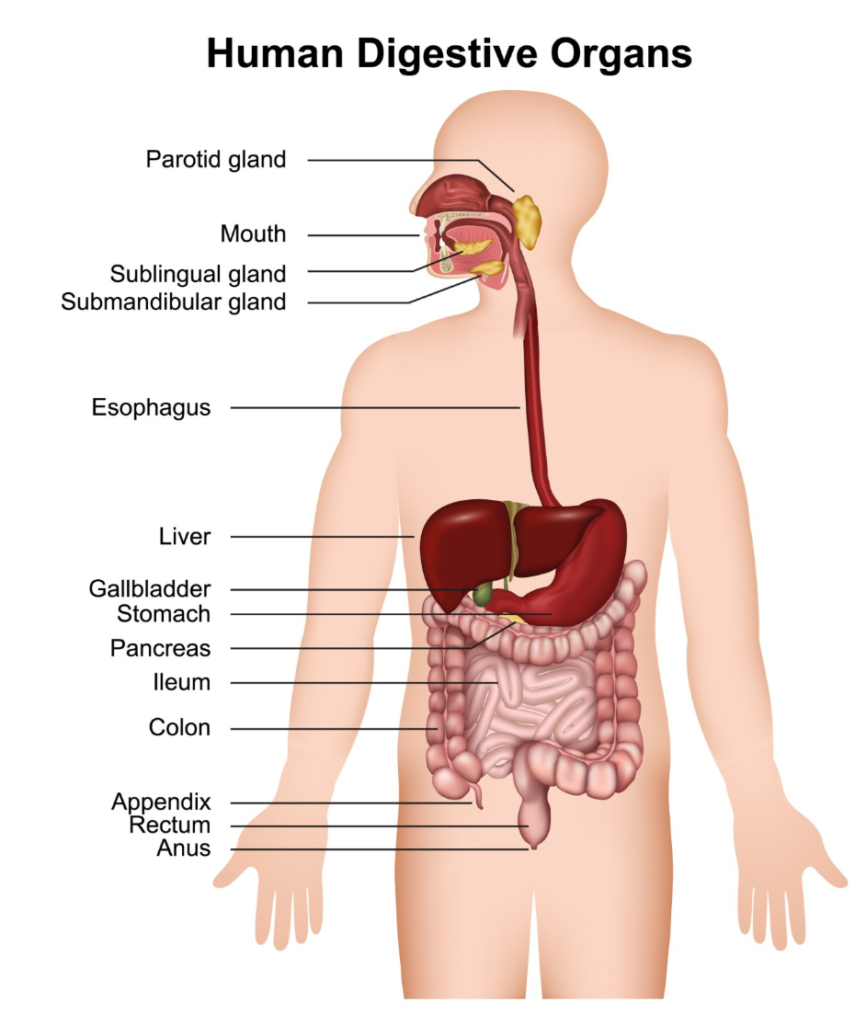
In the United Kingdom, healthcare teams look for these “prodromal” symptoms to help identify the cause of the jaundice. For example, sudden fever and abdominal pain alongside jaundice may suggest gallstones or a bile duct infection. These systemic changes are vital clues that help the multidisciplinary team decide which diagnostic tests, such as blood work or imaging, are most urgently required.
Clinical Assessment and Monitoring in the UK
The appearance of any symptoms of jaundice in the UK triggers a structured clinical pathway involving liver function tests and imaging. These tests measure the levels of different types of bilirubin to confirm the presence of jaundice and determine its severity. The GOV.UK health pages highlight that early identification of jaundice symptoms is essential for the effective management of conditions like hepatitis or biliary obstruction.
Diagnostic imaging, such as an ultrasound or CT scan, is often used to look for physical causes like gallstones or tumours. Because jaundice is a visible signal of internal dysfunction, the NHS prioritises the investigation of these symptoms to prevent complications such as liver scarring or systemic infection. Patients are encouraged to monitor their symptoms closely and report any new changes, such as worsening confusion or increased swelling, as these can indicate a decline in organ function.
Conclusion
The symptoms of developing jaundice include yellowing of the eyes and skin, dark urine, and pale stools. Associated signs such as skin itching, fatigue, and abdominal discomfort provide further evidence of underlying liver or biliary stress. In the UK, these visible and systemic changes are prioritised for investigation through blood tests and imaging to identify the specific cause. Monitoring the progression of these symptoms is essential for ensuring a timely and effective management plan. If you experience severe, sudden, or worsening symptoms, call 999 immediately.
Why are my eyes yellow but my skin looks normal?
The whites of the eyes contain elastin, which bilirubin binds to very easily, often making jaundice visible there before it shows on the skin.
Does dark urine always mean I have jaundice?
Not necessarily; dark urine can be caused by dehydration or certain foods, but when combined with yellow eyes, it is a strong indicator of jaundice.
Can I have jaundice without any pain?
Yes, some causes of jaundice, such as certain viral infections or some tumours, can develop without causing any physical pain.
Why does my skin itch when I have liver problems? .
Itching is caused by the buildup of bile salts in your blood, which settle in your skin and irritate the nerves.
What do pale stools indicate?
Pale or clay-coloured stools suggest that bile is not reaching your intestines, which is often a sign of a blockage in the bile ducts.
How quickly do jaundice symptoms develop?
This depends on the cause; it can happen suddenly with a gallstone or gradually over weeks if caused by chronic liver scarring.
Will the yellowing go away on its own?
Jaundice is a symptom, so the yellowing will typically only fade once the underlying medical cause has been treated.
Authority Snapshot (E-E-A-T)
This article provides medically factual health education regarding the symptoms of early jaundice, strictly aligned with NHS and NICE clinical guidelines. The content is developed by a professional medical writing team and reviewed by Dr. Stefan Petrov, a UK-trained physician with experience in general medicine, surgery, and emergency care. All information follows current UK public health protocols to ensure accuracy and patient safety.



