




Newborn jaundice requires urgent medical attention if it develops within the first twenty-four hours of life, if the yellowing of the skin spreads rapidly to the limbs, or if the infant exhibits signs of extreme lethargy and poor feeding. While the majority of jaundice cases in infants are a normal part of development as the liver matures, certain clinical markers indicate that bilirubin levels are rising to a range that could be hazardous. In the United Kingdom, midwives and neonatal healthcare professionals monitor every infant to ensure that bilirubin, the yellow pigment responsible for the condition, is being effectively processed. If this substance reaches excessive concentrations, it can interfere with the developing nervous system, making prompt identification of red-flag symptoms a priority for parental awareness. Standard clinical pathways in the UK are designed to catch these instances through regular postnatal checks and objective measurements. Recognising the shift from a common developmental phase to a situation requiring hospital assessment is essential for protecting infant health. Because a baby’s physiology changes quickly in the first days of life, understanding these specific criteria for urgency ensures that diagnostic and therapeutic interventions, such as phototherapy, are initiated without delay.
What We’ll Discuss in This Article
- Identifying the significance of jaundice appearing in the first twenty-four hours.
- Recognising behavioural changes such as lethargy and difficulties with feeding.
- The clinical importance of the rapid spread of yellowing to the arms and legs.
- Understanding waste changes including pale stools and very dark urine.
- Standard UK protocols for measuring and managing high bilirubin levels.
- When prolonged jaundice after two weeks requires further investigation.
Jaundice Within the First Twenty-Four Hours
Jaundice that appears within the first twenty-four hours of a baby’s life is always considered a clinical priority and requires an immediate medical review to rule out serious underlying causes. Unlike common physiological jaundice, which typically appears on the second or third day, very early yellowing often suggests a more rapid breakdown of red blood cells than the infant can handle. The NHS states that you should speak to your midwife or GP immediately if your baby develops jaundice within the first 24 hours of birth.
This early onset can be associated with blood group incompatibilities between the mother and the infant, such as Rhesus disease or ABO incompatibility, or it may indicate an underlying infection. When bilirubin levels rise this early, they can escalate quickly, potentially exceeding safe limits before the liver has had time to adjust. In a UK hospital setting, infants showing signs of yellowing on their first day will undergo a blood test to measure the exact level of bilirubin. This allows the clinical team to determine if immediate phototherapy is necessary to protect the baby’s health.
Changes in Behaviour and Feeding Patterns
A jaundiced baby who becomes excessively sleepy, difficult to wake for feeds, or shows a significant lack of interest in feeding requires an urgent clinical assessment. High levels of bilirubin can have a sedating effect on an infant, which creates a cycle where the baby feeds less, becomes more dehydrated, and consequently struggles even more to excrete the bilirubin through their waste.
NICE clinical guidelines for jaundice in newborn babies specify that healthcare professionals must urgently evaluate any jaundiced infant who is lethargic or not feeding well, as these are signs of bilirubin affecting the brain. Parents are advised to monitor the frequency and quality of feeds. If a baby is consistently missing feeds or seems too weak to suck effectively, it suggests that the jaundice is no longer a mild developmental phase. In the UK, midwives provide specific guidance on how to track these behaviours during the first week. Addressing these signs early prevents the bilirubin from reaching levels that could lead to more serious neurological complications.
Rapid Spread of Yellowing to the Limbs
If the yellowing of the skin appears to be spreading rapidly from the face and chest down to the arms, legs, and soles of the feet, it indicates that bilirubin levels are rising and requires a formal measurement. Clinical observation typically shows that jaundice progresses in a head-to-toe direction as the concentration of pigment in the blood increases.
| Region Affected | Clinical Observation | Action Required |
| Face and Sclera | Common in early/mild jaundice. | Routine monitoring by midwife. |
| Chest and Abdomen | Suggests moderate bilirubin levels. | Visual check and possible skin test. |
| Arms and Legs | Indicates higher bilirubin concentration. | Urgent blood test (SBR) usually needed. |
| Palms and Soles | Suggests very high levels of bilirubin. | Urgent hospital assessment. |
When the yellowing reaches the limbs, it signifies that the skin’s capacity to absorb the pigment is high, reflecting a systemic buildup. In the UK, midwives use transcutaneous bilirubinometers or blood tests to get an objective reading when the yellowing is no longer confined to the upper body. This helps the medical team decide if the baby has reached the threshold for light therapy. Visual checks in natural light are essential, as artificial lighting can sometimes make it difficult to see the true extent of the discoloration.
Changes in Waste: Urine and Stools
The appearance of persistently pale, chalky stools or very dark urine in a jaundiced baby is a specific indicator of a possible biliary obstruction and requires an urgent referral to a specialist. Normally, bilirubin is excreted into the gut, giving the stools their typical yellow or green-brown colour. If the bile cannot reach the intestines due to a structural problem, the stools lose this colour and appear clay-coloured or white.
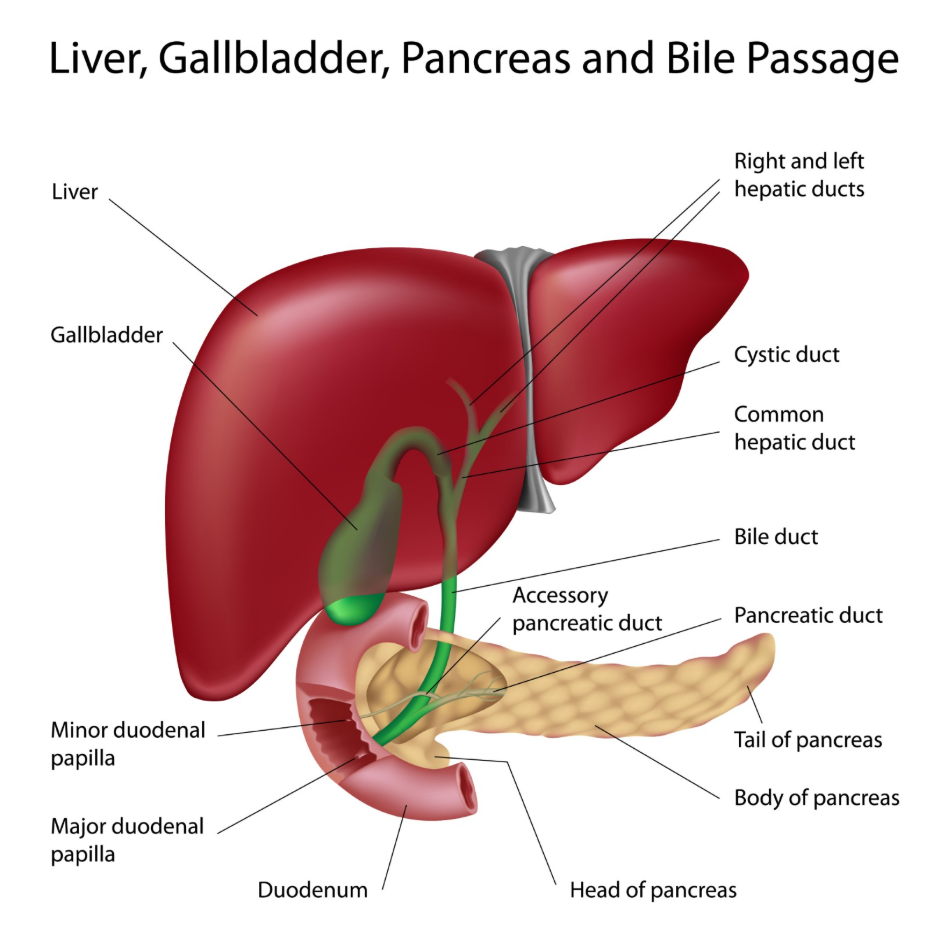
Simultaneously, the kidneys may attempt to filter out the excess bilirubin, which turns the urine dark, similar to the colour of tea. The GOV.UK health pages indicate that identifying pale stools and dark urine in a jaundiced infant is critical for the early detection of rare but serious conditions like biliary atresia. While these signs are rare, they are treated with significant urgency in the UK because early surgical intervention is necessary to restore bile flow and protect the liver from permanent scarring. Every parent is encouraged to check their baby’s nappies and report any unusual colour changes to their healthcare visitor.
Prolonged Jaundice After Two Weeks
Jaundice that persists beyond fourteen days in a full-term baby, or twenty-one days in a premature infant, requires a “prolonged jaundice” screen to ensure there are no underlying metabolic or liver issues. For most babies, jaundice resolves naturally within the first fortnight as feeding becomes established and the liver matures. If it remains visible after this time, clinicians need to determine the type of bilirubin that is elevated.
A prolonged jaundice screen in the UK involves a blood test to check the “split” bilirubin levels. This test distinguishes between conjugated and unconjugated bilirubin. If the conjugated bilirubin is high, it suggests a problem with the liver or bile ducts that needs specialist investigation. While many cases of prolonged jaundice are harmless and related to breastfeeding, the standard UK protocol ensures that the small number of infants with more complex needs are identified and managed by paediatric specialists. This follow-up provides a safety net for babies whose jaundice does not follow the typical developmental timeline.
Conclusion
Newborn jaundice requires urgent medical attention if it appears within the first twenty-four hours, spreads to the limbs, or is accompanied by extreme lethargy and poor feeding. Recognising these signs, along with changes in waste colour or jaundice that persists past two weeks, is essential for ensuring infant safety. In the United Kingdom, standardised clinical pathways provide the framework for monitoring and treating high bilirubin levels to prevent long-term complications. Most infants will recover fully with routine support, but identifying the signs of urgency allows for rapid intervention when needed. If you experience severe, sudden, or worsening symptoms, call 999 immediately.
Why is jaundice in the first 24 hours more serious?
It usually indicates that bilirubin levels are rising much faster than normal, often due to blood group issues or infection, rather than just an immature liver.
How can I tell if my baby is too sleepy?
If your baby is difficult to wake for at least 8 to 12 feeds in 24 hours, or if they fall asleep almost immediately after starting to feed, you should seek advice.
Does jaundice cause any pain for the baby?
No, jaundice itself is not painful, but the underlying causes or very high levels can make a baby feel very unwell and tired.
What does “lethargic” look like in a newborn?
A lethargic baby may have a weak cry, feel “floppy” when held, and be very difficult to rouse even with changing their nappy or undressing them.
Why does my midwife look at my baby’s eyes?
The whites of the eyes (sclera) are often the first-place jaundice becomes visible because the yellow pigment binds easily to the tissue there.
What if my baby’s stools are pale but they look healthy otherwise?
You should still report pale stools to your midwife or GP immediately, as it is a specific sign that bile might not be reaching the digestive system.
Can I wait until my next scheduled appointment to mention the yellowing?
If the yellowing is new, spreading, or if the baby’s behaviour has changed, you should contact your midwife or the maternity unit straight away rather than waiting.
Authority Snapshot (E-E-A-T)
This article provides medically factual health education regarding the signs of urgent newborn jaundice, strictly aligned with NHS and NICE clinical guidelines. The content is developed by a professional medical writing team and reviewed by Dr. Stefan Petrov, a UK-trained physician with experience in general medicine, surgery, and emergency care. All information follows current UK public health protocols to ensure clinical accuracy and patient safety.



