




Individuals should check for jaundice whenever they notice subtle changes in the colour of their urine or stools, or if they have recently been exposed to known risk factors for liver and biliary conditions. Jaundice is the visible yellowing of the skin and the whites of the eyes, caused by a buildup of bilirubin, a yellow pigment formed during the natural breakdown of red blood cells. While many people associate being unwell with feeling tired or in pain, some conditions that cause jaundice can develop silently, with discoloration being the very first clinical sign. In the United Kingdom, healthcare professionals advise that any change in the body’s waste products or a slight yellowing of the eyes warrants an assessment, as these indicators often precede more significant systemic symptoms. Because the liver and biliary system are responsible for essential filtration and drainage, catching these changes early allows for a more effective clinical investigation. Monitoring for jaundice is a proactive way to ensure that the body’s metabolic processes are functioning correctly, even in the absence of physical discomfort or acute illness.
What We’ll Discuss in This Article
- Identifying early waste changes such as dark urine and pale stools.
- Why the eyes are the most reliable place to check for early yellowing.
- Monitoring for jaundice after starting new medications or supplements.
- The significance of checking for yellowing following recent travel.
- Screening for jaundice in those with known chronic liver or gallbladder issues.
- UK clinical advice on how to perform a simple visual check at home.
Monitoring Changes in Urine and Stool Colour
People should check for jaundice if they notice their urine has become persistently dark or their stools have become unusually pale, as these changes often occur before any yellowing is visible on the skin. Bilirubin is typically processed by the liver and excreted into the digestive tract, giving stools their characteristic brown colour. The NHS states that jaundice is caused by the build-up of bilirubin in the blood, which can also cause your pee to be dark and your poo to be pale.
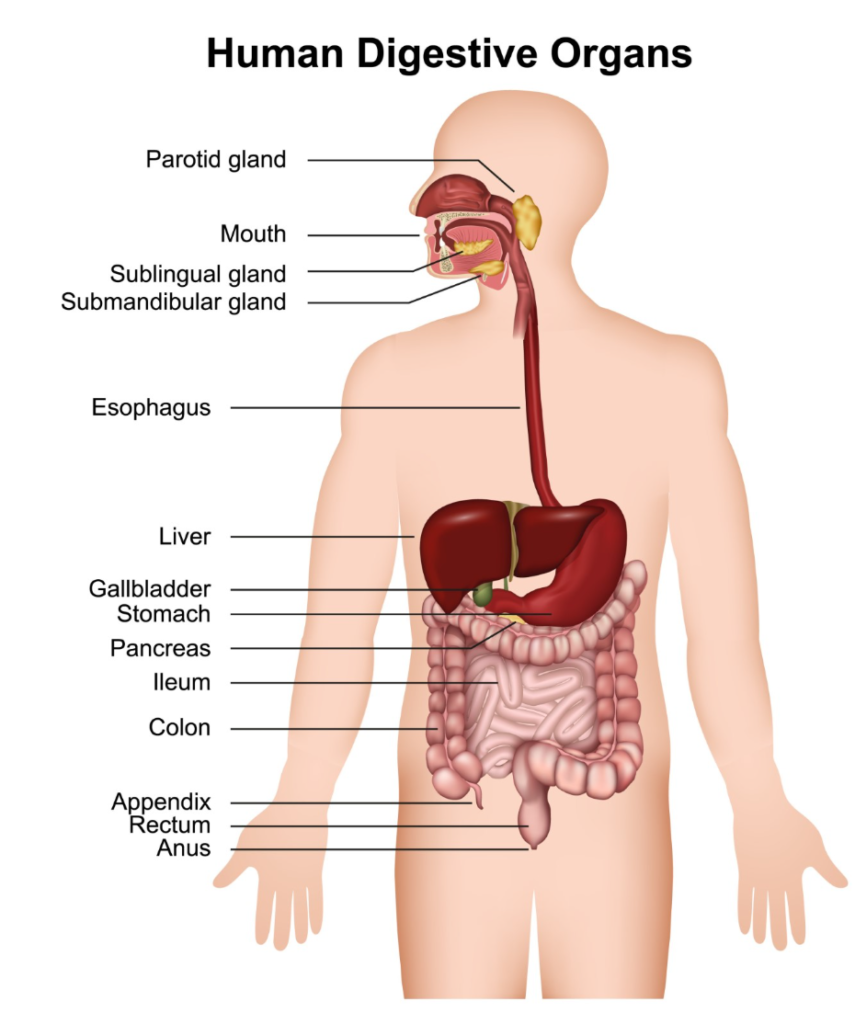
If the liver is struggling to process bilirubin or if there is a blockage in the bile ducts, the pigment is instead filtered by the kidneys and excreted in the urine, turning it the colour of dark tea. Simultaneously, the lack of bile reaching the gut causes the stools to appear clay-coloured or grey. These waste changes are direct biological markers of a disruption in the biliary system. In the UK, clinicians view these signs as early indicators that require a blood test to measure bilirubin levels. Checking the contents of the toilet is a simple but highly effective way to monitor internal organ health even when feeling perfectly healthy.
Checking the Eyes for Early Discoloration
The most reliable way to detect jaundice in its earliest stages is to check the whites of the eyes (sclera) in natural light, as this tissue often shows yellowing before it becomes apparent in the skin. The sclera contains high levels of elastin, a protein that has a strong affinity for bilirubin.
Because the skin can have various undertones or be affected by tan and lighting, the eyes provide a clearer, more consistent surface for observation. To perform a check, one should look in a mirror while standing near a window during daylight hours. Artificial lighting, particularly yellowish indoor bulbs, can mask or mimic the appearance of jaundice. If the whites of the eyes appear to have a yellow or muddy tint, it suggests that bilirubin levels have risen above the normal reference range. In the United Kingdom, this visual marker is used by healthcare professionals as a primary screening tool during routine examinations.
Monitoring After Starting New Medications
Individuals should proactively check for jaundice for several weeks after starting a new medication or herbal supplement, as some substances can cause drug-induced liver injury without causing immediate pain. Many medications are processed by the liver, and in some cases, the organ may develop an inflammatory reaction or a backup of bile as it attempts to metabolise the new compound.
| Factor | Impact on Jaundice Risk | Monitoring Action |
| New Prescription | Potential for hepatotoxicity or bile stasis. | Weekly eye check for 4 to 6 weeks. |
| Herbal Supplements | Unregulated ingredients may stress liver cells. | Monitor for skin itching or waste changes. |
| Dose Increases | Higher metabolic load on the liver. | Check eyes if feeling unusually tired. |
The GOV.UK health pages indicate that drug-induced liver injury is a significant clinical concern and that being aware of the side effects of medications is a vital part of patient safety. Because this type of liver stress can be “silent,” meaning it does not always cause abdominal pain or nausea initially, visible jaundice or dark urine might be the only warning sign. If yellowing occurs after starting a new treatment, it is essential to seek a medical review to determine if the medication should be adjusted or discontinued.
Post-Travel Health Checks
A check for jaundice is advisable for individuals who have recently returned from travel to areas where viral hepatitis is more common, particularly if they have been exposed to potentially contaminated food or water. Viral hepatitis A and E are often transmitted through the faecal-oral route and can have an incubation period of several weeks.
During this time, a person may feel entirely well while the virus replicates in their liver. As the immune system begins to respond, liver inflammation occurs, leading to a rise in bilirubin. Often, the yellowing of the eyes is the very first sign of the infection becoming active. In the UK, general practitioners often ask about recent travel history when investigating a new case of jaundice. Identifying the yellowing early, even if symptoms like fever have not yet developed, allows for appropriate testing and prevents the further spread of the virus to others.
Surveillance for Known Chronic Conditions
Individuals with a known history of gallstones or chronic liver conditions, such as fatty liver disease or cirrhosis, should perform regular visual checks for jaundice to monitor for changes in their condition. For these individuals, the presence of jaundice can indicate a new complication, such as a gallstone migrating into the bile duct or a “flare” of liver inflammation.
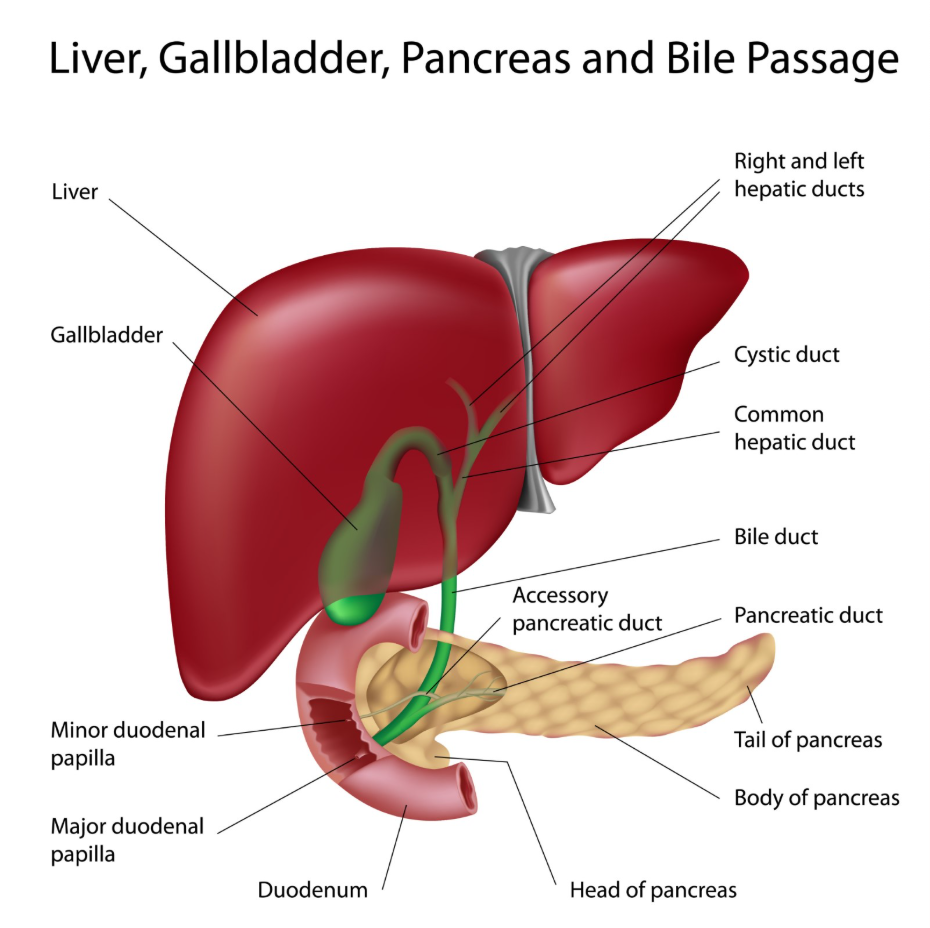
In chronic liver disease, jaundice can fluctuate; its appearance may suggest that the liver’s functional reserve is becoming more limited. NICE clinical guidelines for the management of gallstone disease highlight that jaundice is a key indicator that a stone may have moved from the gallbladder into the common bile duct, requiring urgent investigation. By establishing a routine of checking the eyes and monitoring waste colour, patients with these conditions can provide their healthcare team with early warnings of changes that might require a modification in their treatment plan or an elective procedure to clear a duct.
The Importance of Natural Light and Skin Tone
When checking for jaundice, it is essential to use natural daylight and to be aware of how the condition may present on different skin tones. In people with darker skin, the yellowing of the skin itself may be less obvious or may appear as a subtle darkening or a greyish-yellow tint. In these instances, the whites of the eyes and the palms of the hands or soles of the feet become even more critical areas to observe.
Healthcare professionals in the UK are trained to look at the mucous membranes, such as the inside of the mouth or the gums, where yellowing can also be detected. If there is any doubt about the visual appearance, the clinical standard is to proceed to a blood test. Because bilirubin levels can be measured with high precision, the blood test remains the definitive way to confirm or rule out jaundice. Relying on a structured visual check under the correct lighting conditions ensures that people do not dismiss early signs simply because they do not feel “ill” in the traditional sense.
Conclusion
People should check for jaundice by observing the whites of their eyes in natural light and monitoring for dark urine or pale stools, especially after starting new medications or returning from travel. While feeling well is generally a sign of health, some biliary and liver conditions present with discoloration as the first clinical marker. In the United Kingdom, these visual and waste changes are used by healthcare teams to identify potential issues early. Regular self-monitoring is a proactive way to ensure that metabolic waste products are being handled correctly by the body. If you experience severe, sudden, or worsening symptoms, call 999 immediately.
Why do my eyes look yellow in the bathroom mirror but not outside?
Bathroom lights often have a yellow or warm tint that can create a false appearance of jaundice; always check in natural daylight for accuracy.
Can a tan hide the signs of jaundice?
A deep tan can make it harder to see yellowing on the skin, which is why checking the whites of your eyes is the most reliable method.
If my urine is dark only in the morning, is that jaundice?
No, urine is often darker in the morning because it is more concentrated; jaundice causes urine to stay dark throughout the entire day.
Can I have jaundice if I don’t have a fever or pain?
Yes, many conditions, including certain medications and some types of liver disease, can cause jaundice without any other symptoms.
What should I do if I think my eyes look slightly yellow?
You should contact your GP or 111 for a non-emergency appointment to have a liver function blood test performed.
Can eating certain foods turn my eyes yellow?
Eating large amounts of carrots or squash can turn the skin slightly orange (carotenemia), but it will never turn the whites of your eyes yellow.
How often should I check for jaundice if I have gallstones?
It is sensible to monitor your waste colour and check your eyes a few times a week, or immediately if you have any new abdominal discomfort.
Authority Snapshot (E-E-A-T)
This article provides medically factual health education regarding when to check for jaundice, strictly aligned with NHS and NICE clinical guidelines. The content is developed by a professional medical writing team and reviewed by Dr. Rebecca Fernandez, a UK-trained physician with experience in internal medicine, emergency care, and general surgery. All information follows current UK public health protocols to ensure clinical accuracy and patient safety.



