




Hepatitis C is a viral infection that causes inflammation of the liver and is primarily transmitted through contact with the blood of an infected person. Unlike some other forms of hepatitis, it often remains asymptomatic for many years while gradually causing damage to liver tissue. Modern medical advancements have changed the outlook for individuals with this condition, moving it from a chronic manageable disease to one that is now highly curable. Understanding the specific characteristics of this virus is essential for identifying those at risk and ensuring that the correct clinical pathways are followed within the United Kingdom health system.
What We’ll Discuss in This Article
- The biological nature of the hepatitis C virus
- Primary transmission routes and risk factors in the UK
- How hepatitis C differs from viral types A and B
- The progression from acute to chronic infection stages
- Long-term effects on liver health and structural function
- Current clinical approaches to testing and the curative pathway
Characteristics of the Hepatitis C Virus
Hepatitis C is a viral infection caused by a specific blood-borne pathogen that targets liver cells and triggers a persistent inflammatory response. Hepatitis C is a virus that can infect the liver and, if left untreated, cause serious and potentially life-threatening damage to the liver over many years.
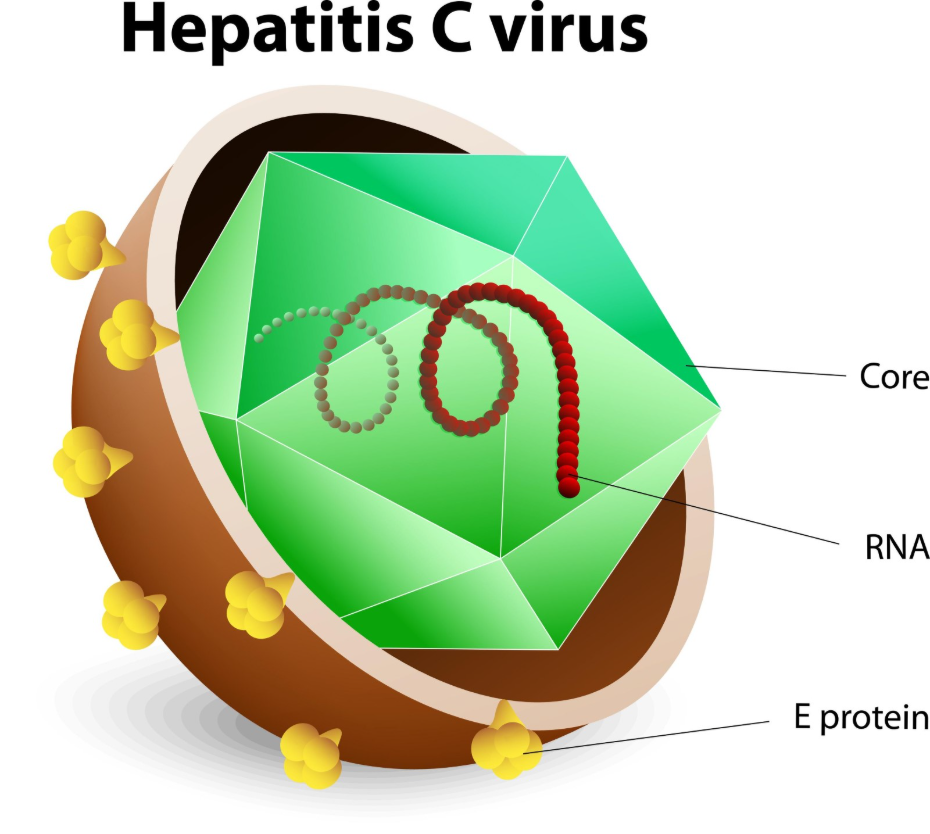
The virus belongs to the Flaviviridae family and is highly efficient at replicating within hepatocytes, which are the primary functional cells of the liver. One of the most significant challenges with this specific virus is its high rate of genetic mutation, which has historically made the development of a preventative vaccine extremely difficult for researchers. Because the virus often does not cause immediate or severe symptoms upon initial infection, many people are unaware they are carrying it until significant liver damage, such as scarring, has already occurred. In the UK, public health initiatives focus on identifying these “silent” infections through targeted testing of groups who may have been exposed to the virus in the past.
Primary Differences Between Hepatitis A, B, and C
Hepatitis C differs from other types primarily in its transmission through blood, its high rate of chronicity, and the current absence of a preventative vaccine. While all viral hepatitis types involve inflammation of the liver, the viruses themselves belong to different biological families and behave differently within the human body. Understanding these differences is vital for determining the appropriate prevention and treatment strategies.
The following table compares the most common forms of viral hepatitis found in the United Kingdom.
| Feature | Hepatitis A | Hepatitis B | Hepatitis C |
| Transmission | Contaminated food and water | Blood and bodily fluids | Blood-to-blood contact |
| Illness Type | Acute (short-term) only | Acute or Chronic (long-term) | Frequently becomes Chronic |
| Vaccine | Available in the UK | Available in the UK | No vaccine available |
| Treatment | Supportive care for symptoms | Management or suppression | Highly curable (over 95%) |
| UK Risk | Often linked to travel | Risk groups and at birth | Specific blood-exposure risks |
Hepatitis A is usually a self-limiting illness that does not lead to long-term damage, whereas Hepatitis B and C can both persist in the body for decades. A major distinction is that while Hepatitis B can be effectively suppressed with medication, Hepatitis C is now considered curable for the vast majority of patients using modern antiviral therapies.
Transmission and Risk Factors in the UK
The transmission of the virus occurs strictly through blood-to-blood contact, with specific historical and behavioural risk factors identified within the UK population. The most common route of transmission in the United Kingdom today is through the sharing of equipment used to inject drugs, as even microscopic amounts of blood can carry the virus. However, there are other important historical risk factors that clinicians consider during a health assessment.

For example, individuals who received a blood transfusion or were treated with blood products in the UK before September 1991 may have been exposed, as rigorous screening for Hepatitis C was not introduced until that time. Similarly, anyone who received an organ transplant in the UK before 1992 should consider being tested. Other potential routes include receiving medical or dental treatment in countries where unsterile equipment may have been used, or getting tattoos and piercings in unlicensed premises. While the risk of sexual transmission is considered low, it increases in certain circumstances, particularly where blood may be present. The virus is not spread through casual contact such as hugging, kissing, or sharing kitchen utensils.
Acute vs Chronic Progression
The progression of the virus is divided into an initial acute phase and a much more common chronic phase that persists for life if medical intervention is not provided. When a person is first infected, they enter the acute stage, which lasts for the first six months. During this time, the body’s immune system attempts to clear the virus naturally. Approximately one in four people will successfully clear the infection without treatment during this period.
For the remaining majority, the virus persists in the blood and liver beyond the six-month mark, at which point it is classified as a chronic infection. Chronic Hepatitis C is a slow-moving disease that gradually replaces healthy liver cells with fibrous scar tissue. Because the liver has a significant capacity to function even when partially damaged, many individuals do not experience any symptoms during this progression. This lack of early warning signs is why Hepatitis C is often only discovered during routine blood tests for other conditions or when the liver has reached a stage of advanced scarring.
Long-Term Impact on Liver Health
Long term infection results in cumulative damage to the liver structure, leading to significant complications such as scarring, functional failure, and the development of tumours. The persistent presence of the virus causes the liver to remain in a state of constant inflammation. Over many years, this inflammation leads to cirrhosis, where the liver becomes heavily scarred and loses its ability to perform vital functions.
The liver is responsible for over 500 essential tasks, including filtering toxins from the blood, producing bile for digestion, and manufacturing proteins that help the blood to clot. As cirrhosis advances, the liver may eventually fail, a condition known as end-stage liver disease. The National Institute for Health and Care Excellence provides guidelines on the testing and treatment of hepatitis C to prevent the progression to advanced liver disease and liver cancer. Chronic Hepatitis C is also a primary risk factor for hepatocellular carcinoma, a type of liver cancer. Early diagnosis and treatment are the most effective ways to stop this damage and allow the liver to maintain its health.
Modern Testing and Treatment Pathways
Testing and treatment pathways in the UK have evolved to include highly effective oral medications that can clear the virus in most cases with minimal disruption to daily life. The diagnostic process usually begins with an antibody test, which determines if a person has ever been exposed to the virus. If this test is positive, a second test, known as a PCR or RNA test, is performed to check if the virus is currently active in the bloodstream.
If an active infection is confirmed, the patient is referred to a specialist clinical team. Hepatitis C can now usually be cured by taking a course of tablets for several weeks, with very few side effects for most people. These modern medications, known as direct-acting antivirals (DAAs), work by directly targeting the virus and stopping it from replicating. The treatment usually lasts between 8 and 12 weeks and involves taking one or more tablets daily. The success rate for these treatments is over 95 percent, and once the virus is cleared, the liver inflammation subsides, and the risk of further scarring is significantly reduced.
Conclusion
Hepatitis C is a serious blood-borne viral infection that differs from other forms of hepatitis due to its high rate of chronic progression and the lack of a preventative vaccine. Although it often remains hidden without symptoms for many years, the long-term impact on liver health can be severe if left untreated. Fortunately, modern testing and highly effective antiviral treatments mean that the virus is now curable for the vast majority of people in the United Kingdom. If you experience severe, sudden, or worsening symptoms, call 999 immediately.
Can I get hepatitis C more than once?
Yes, being cured of hepatitis C does not provide future immunity; you can be re-infected if you are exposed to the virus through blood-to-blood contact again.
Is there a vaccine for hepatitis C?
There is currently no vaccine available for hepatitis C, so prevention through avoiding blood-to-blood contact and regular testing are the primary safeguards.
How long does the treatment take?
Most modern direct-acting antiviral treatments for hepatitis C require taking a course of tablets daily for a period of 8 to 12 weeks.
Can I have hepatitis C without knowing it?
Many people with chronic hepatitis C have no symptoms for 20 years or more while the virus slowly causes damage to the liver.
Is hepatitis C spread through saliva?
No, the virus is blood-borne and is not transmitted through saliva, sneezing, coughing, or casual physical contact like hugging.
What is the difference between an antibody test and a PCR test?
An antibody test shows if you have ever had the virus, while a PCR test confirms if the virus is currently active in your system.
Authority Snapshot (E-E-A-T)
This article provides evidence-based information on the nature and differences of hepatitis C in accordance with UK health standards. The content is developed by a professional medical writing team and reviewed by Dr. Stefan Petrov, a UK-trained physician with experience in general surgery and emergency care. All clinical information provided strictly aligns with the current recommendations and diagnostic pathways established by the NHS and the National Institute for Health and Care Excellence (NICE).



