




Identifying a Hepatitis B infection requires a series of specific blood tests that look for various markers, including antigens produced by the virus and antibodies created by the body’s immune system. Because the infection can exist in several different states, ranging from a sudden acute illness to a long-term chronic condition, a single test is rarely sufficient to provide a full clinical picture. In the United Kingdom, healthcare professionals utilise a standardised panel of tests to determine if a person is currently infectious, if they have developed immunity, or if they require ongoing medical monitoring for chronic liver inflammation.
What We’ll Discuss in This Article
- The primary blood markers used to detect the Hepatitis B virus.
- The difference between surface antigens and various antibodies.
- How tests distinguish between acute and chronic infections.
- The role of viral load testing (DNA) in managing the condition.
- Additional liver health assessments used alongside viral screening.
- The importance of testing for individuals in high-risk groups.
The Role of Hepatitis B Surface Antigen (HBsAg)
The Hepatitis B surface antigen test is the primary tool used to identify whether an individual is currently infected with the virus. If this antigen is found in the blood, it means the virus is present and the person can potentially pass the infection to others through blood or bodily fluids. The NHS uses the HBsAg test as the first step in screening to confirm the presence of an active Hepatitis B infection.
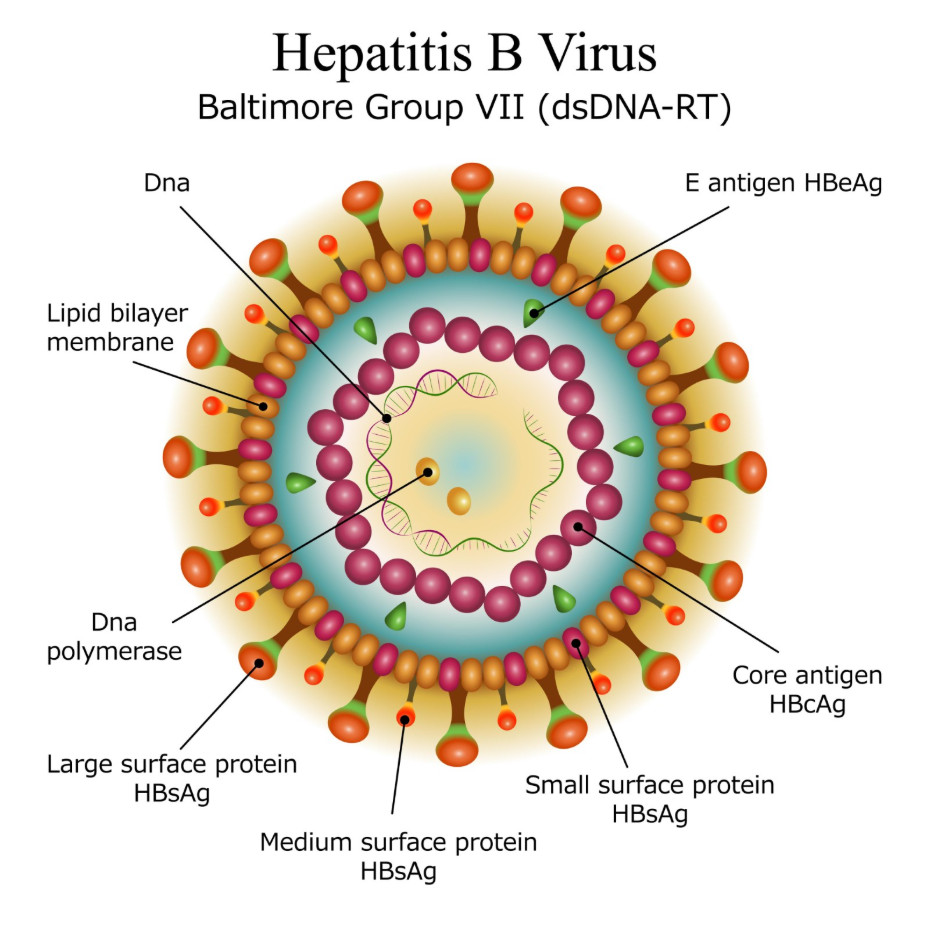
If the HBsAg marker remains in the blood for longer than six months, the infection is classified as chronic. This marker is often the first to appear after exposure, frequently becoming detectable before symptoms even begin. A negative HBsAg result generally means the person is not currently infected, although further tests are needed to determine if they have been exposed in the past or if they are protected by vaccination.
Understanding Antibody Markers
Antibody tests look for the proteins the immune system produces to fight the Hepatitis B virus, helping clinicians understand a patient’s history with the disease. There are several different antibodies that appear at different stages of the infection. The Hepatitis B core antibody (anti-HBc) indicates that a person has been infected at some point in their life, regardless of whether they cleared the virus or developed a chronic condition.
Another vital marker is the Hepatitis B surface antibody (anti-HBs). A positive result for this specific antibody indicates that the person is immune to Hepatitis B. NICE clinical guidelines specify that immunity can be acquired either through a successfully cleared natural infection or through the completion of a Hepatitis B vaccination course. If a person has anti-HBs but lacks the core antibody, it confirms that their immunity is the result of vaccination rather than a prior infection.
Distinguishing Acute from Chronic Infection
To determine the stage of an infection, clinicians look at the combination of antigens and antibodies present in a patient’s blood sample. In an acute infection, which is a new and sudden illness, a specific type of core antibody called IgM may be present. This marker confirms that the infection has occurred within the last few months and helps the medical team decide on the appropriate supportive care.
In chronic infections, the IgM marker is absent, but the surface antigen (HBsAg) remains present for more than six months. Chronic cases are further investigated using the Hepatitis B “e” antigen (HBeAg) and its corresponding antibody. These markers provide information about how actively the virus is replicating and how infectious the person is likely to be. This information is essential for the multidisciplinary team to determine if antiviral treatment is necessary to prevent long-term liver damage.
Viral Load and Liver Function Assessments
Once a chronic infection is identified, the medical team will perform a Hepatitis B DNA test to measure the “viral load,” which is the amount of virus circulating in the blood. This test is highly sensitive and helps monitor the progression of the disease and the effectiveness of any prescribed treatments. A high viral load often indicates a higher risk of liver damage and a greater need for clinical intervention.
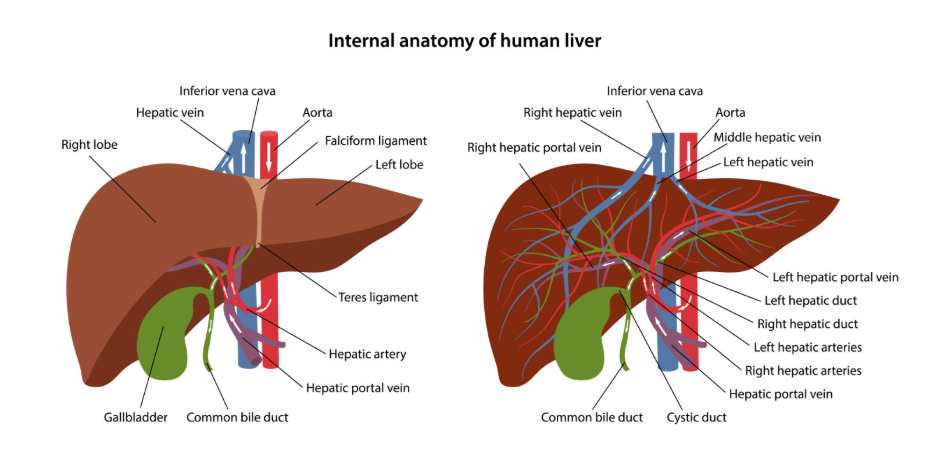
Alongside viral markers, Liver Function Tests (LFTs) are performed to measure levels of enzymes like alanine aminotransferase (ALT). Elevated ALT levels suggest that the liver is currently inflamed or damaged. The UK Health Security Agency recommends regular monitoring of both viral load and liver enzymes to ensure that patients with chronic Hepatitis B receive timely treatment to reduce the risk of cirrhosis or liver cancer. Imaging tests, such as an ultrasound or a FibroScan, may also be used to assess the physical stiffness of the liver.
Summary of Hepatitis B Test Interpretations
The interpretation of Hepatitis B tests involves looking at multiple markers simultaneously. The following table illustrates common combinations used by UK clinicians during the diagnostic process:
| HBsAg (Antigen) | Anti-HBc (Core Ab) | Anti-HBs (Surface Ab) | Clinical Interpretation |
| Negative | Negative | Negative | Susceptible (Not immune, not infected) |
| Negative | Positive | Positive | Immune due to natural infection |
| Negative | Negative | Positive | Immune due to vaccination |
| Positive | Positive | Negative | Currently infected (Acute or Chronic) |
Conclusion
Identifying Hepatitis B involves a complex panel of blood tests that detect specific viral antigens and immune system antibodies. These tests are essential for determining if an infection is current, whether it is acute or chronic, and if an individual is immune to the virus. In the UK, these diagnostic tools allow for the effective management of the condition and help protect public health through vaccination and monitoring. If you experience severe, sudden, or worsening symptoms, call 999 immediately.
How long does it take for Hepatitis B to show up in a blood test?
The surface antigen (HBsAg) can usually be detected in the blood between 1 and 9 weeks after exposure to the virus.
Can a single blood test tell me if I am cured?
A person is considered to have cleared the virus if they have a negative HBsAg result and a positive anti-HBs result on two separate occasions.
Why do I need so many different tests for one virus?
Multiple tests are required because the virus goes through different stages, and clinicians need to know if you are infectious, immune, or in need of treatment.
Do I need a test if I have already been vaccinated?
You may have a blood test after your vaccine course to check your anti-HBs levels and ensure you have developed adequate protection.
Will a standard health check-up include a Hepatitis B test?
No, a specific viral screen must be requested by a healthcare professional if you have symptoms or belong to a high-risk group.
What is a FibroScan and why is it used?
A FibroScan is a non-invasive ultrasound-like test that measures liver stiffness to check for scarring caused by chronic infection.
Can a test tell me how I caught the virus?
Blood tests can identify the presence and stage of the virus, but they cannot determine the specific event or mode of transmission.
Authority Snapshot (E-E-A-T)
This article provides medically factual health information regarding Hepatitis B diagnostics, strictly aligned with NHS and NICE clinical guidelines. The content is authored by a medical content team and reviewed by Dr. Stefan Petrov, a UK-trained physician with experience in general medicine and surgical care. All guidance follows current UK public health protocols to ensure patient safety and clinical accuracy.



