




Bowel cancer can return after successful initial treatment, which is why the UK healthcare system provides a structured multi-year follow-up programme for all patients. While many people remain cancer-free after their primary treatment, there is a risk that microscopic cancer cells remained in the body and may grow into new tumours over time. This process, known as recurrence, is most likely to occur within the first few years after surgery, making consistent attendance at surveillance appointments a vital part of long-term health management.
What We’ll Discuss in This Article
- The definition of bowel cancer recurrence and why it can happen.
- The difference between local recurrence and distant metastasis.
- How the NHS monitors for signs of cancer returning through surveillance.
- Factors that influence the statistical likelihood of recurrence.
- Red flag symptoms to monitor during the post-treatment period.
- Treatment pathways available if bowel cancer is detected again.
Understanding the Risk of Recurrence
Bowel cancer recurrence occurs when cancer cells that were not detected during or after the initial treatment begin to multiply and form new tumours. These cells may have been too small to be seen on diagnostic scans or may have travelled through the blood or lymphatic system before the original tumour was removed. Even when a surgeon confirms that they have achieved clear margins during an operation, a small risk remains that individual cells survived elsewhere in the body.
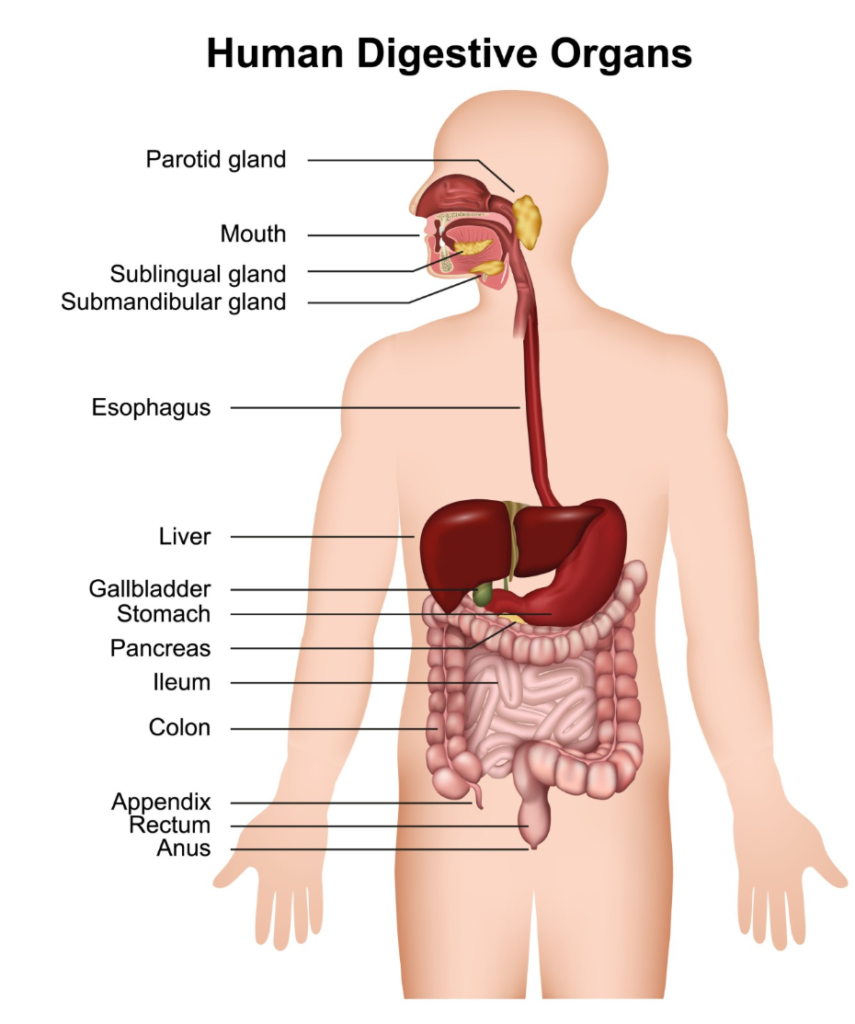
The NHS provides a five-year follow-up programme for bowel cancer patients to monitor for any signs of the cancer returning after curative treatment. This monitoring is essential because if recurrence is caught early, further treatment such as surgery or chemotherapy can often be offered with the aim of achieving a second remission. The risk of recurrence typically decreases as time passes, with the majority of cases identified within the first three years following the initial surgery.
Local Recurrence and Distant Metastasis
Recurrence is generally categorised into two types depending on where the new cancer appears: local recurrence and distant metastasis. Local recurrence means the cancer has returned in the same area as the original tumour or in the nearby tissues where the bowel was joined. Distant metastasis, also known as secondary cancer, occurs when the cancer appears in a different organ, most commonly the liver or the lungs.
The location of the recurrence significantly influences the next steps in the clinical pathway. Local recurrences in the bowel may be treated with further surgery or radiotherapy if the area has not been irradiated before. Metastatic spread to the liver or lungs is often managed with systemic treatments like chemotherapy or targeted therapies, although some patients with limited spread may be eligible for specialised surgery to remove the secondary tumours.
Monitoring and Surveillance Protocols
The UK national guidelines ensure that all patients who have undergone curative treatment are placed on a structured surveillance programme to catch recurrence as early as possible. This programme typically includes regular blood tests to check for a protein called Carcinoembryonic Antigen, which can act as a marker for bowel cancer activity. NICE guidelines recommend regular CEA blood tests and CT scans of the chest, abdomen, and pelvis for at least five years post-treatment.
| Surveillance Method | Typical Frequency | Clinical Purpose |
| CEA Blood Test | Every 3 to 6 months | Monitoring for rising protein markers |
| CT Scans | Annually for first 3 years | Checking for tumours in organs/nodes |
| Colonoscopy | At 1 year and then 5 years | Inspecting the bowel lining for polyps |
| Clinical Review | Every 3 to 6 months | Assessing symptoms and recovery |
Surveillance colonoscopies are also performed to check the lining of the bowel for new polyps or local changes at the site of the previous surgery. By combining blood markers, internal imaging, and visual inspections, the multidisciplinary team can maintain a comprehensive overview of the patient’s status. If any test returns an abnormal result, the team will arrange more detailed investigations, such as an MRI or PET scan, to gather further information.
Factors Influencing the Likelihood of Return
The probability of bowel cancer returning is influenced by several clinical factors related to the original diagnosis. The stage of the cancer at the time of the first operation is the most significant indicator; cancers that were more advanced or had already spread to local lymph nodes (Stage 3) have a higher risk of recurrence than those caught very early (Stage 1). Other factors include the biological grade of the cancer and whether the surgeon was able to remove all visible signs of the disease with a wide margin of healthy tissue.
Patients who received “adjuvant” treatment, such as chemotherapy after surgery, have already taken steps to lower their risk of recurrence by targeting microscopic cells. Lifestyle factors also play a role in long-term health; government health pages highlight that maintaining a healthy weight and avoiding smoking can support the body’s resilience after cancer treatment. While these factors influence risk, it is important to remember that recurrence can still happen to anyone, which is why consistent monitoring is applied to all patients regardless of their initial stage.
Symptoms to Monitor Between Appointments
While the surveillance programme provides a safety net, patients are encouraged to remain vigilant for “red flag” symptoms that could indicate a change in their health. These symptoms are often similar to the signs of the original cancer but may also include more general indications of illness. If any of these signs appear and persist for more than a few weeks, they should be reported to the specialist colorectal nurse or GP without waiting for the next scheduled scan.
Key symptoms to monitor include a persistent change in bowel habits, such as looser stools or increased frequency, and any new instances of rectal bleeding. Unexplained weight loss, persistent abdominal pain or bloating, and a constant feeling of tiredness (fatigue) should also be investigated. While these symptoms are frequently caused by less serious issues like diet, stress, or minor infections, a professional clinical review is necessary to rule out a return of the cancer.
Conclusion
Bowel cancer can return after successful treatment, but the UK’s intensive surveillance programme is designed to detect any recurrence at the earliest possible stage. Through a combination of regular blood tests, scans, and colonoscopies, healthcare providers can monitor patients for at least five years to ensure ongoing safety. Understanding the risks and remaining proactive about follow-up appointments and symptom monitoring offers the best chance for long-term health. If you experience severe, sudden, or worsening symptoms, call 999 immediately.
If my five-year follow-up is over, am I officially cured?
Clinicians use the term “in remission” or “no evidence of disease,” as there is always a very small residual risk, but the chances of return after five years are significantly lower.
Does a rising CEA level always mean the cancer is back?
No, CEA levels can rise due to inflammation, infection, or smoking; it is a signal for doctors to investigate further rather than a diagnosis of recurrence.
Can I have my follow-up scans more often for peace of mind?
Surveillance intervals are based on clinical evidence to balance detection with the risks of repeated radiation exposure from CT scans.
What happens if I miss a follow-up appointment?
You should contact your hospital’s colorectal department as soon as possible to reschedule, as maintaining the timeline of the safety net is important.
Is the treatment for recurrent cancer the same as the first time?
It depends on the location; it may involve different chemotherapy drugs, radiotherapy if not used previously, or more complex surgery.
Can I still use the national bowel screening kit while in follow-up?
You are usually taken off the national screening list while under hospital surveillance, but you will be invited back once you are discharged from the specialist clinic.
Does a healthy diet prevent the cancer from returning?
A high-fibre, low-red-meat diet supports bowel health, but it is a supportive measure rather than a guarantee against recurrence.
Authority Snapshot (E-E-A-T)
This article provides medically safe and factual information regarding bowel cancer recurrence in the UK, strictly aligned with NHS and NICE clinical guidelines. The content is developed by a professional medical writing team and reviewed by Dr. Stefan Petrov, a UK-trained physician with experience in surgery, anaesthesia, and emergency care. All information is sourced from official UK health authorities to ensure clinical accuracy and patient safety.



