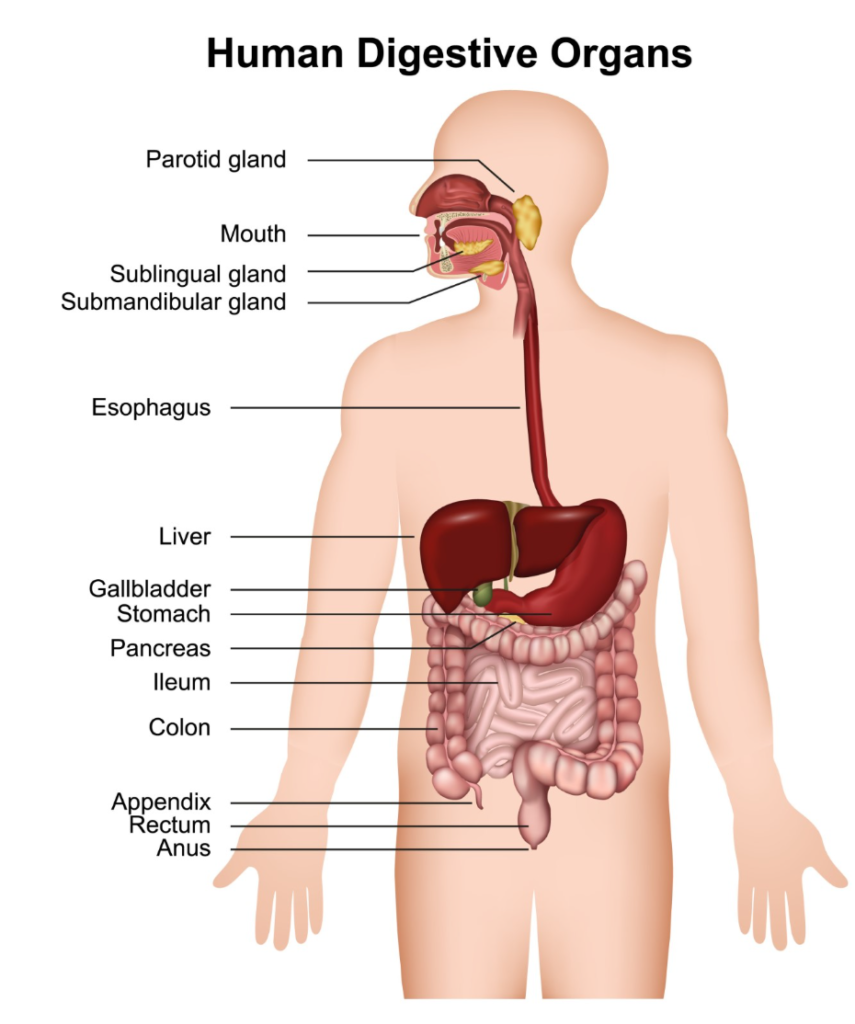
Gallstones can cause jaundice if they move out of the gallbladder and become trapped in the common bile duct, physically obstructing the flow of bile into the small intestine. When this drainage system is blocked, the yellow pigment called bilirubin, which is a normal component of bile, cannot be excreted and instead backs up into the bloodstream. In the United Kingdom, this is a well-recognised clinical complication of gallstone disease, often requiring prompt medical evaluation to prevent further issues such as infection or liver inflammation. While many individuals carry gallstones without experiencing any symptoms, an obstruction in the biliary tree represents a significant shift in health that manifests through visible changes in the skin and eyes. Understanding the relationship between the gallbladder’s plumbing and the liver’s filtration system is essential for identifying why a physical blockage leads to systemic symptoms. UK clinical pathways focus on removing the obstruction and restoring normal bile flow to resolve the jaundice and protect the surrounding digestive organs.
What We’ll Discuss in This Article
- The biological process of bile production and the role of the bile ducts.
- How a migrating gallstone creates a physical blockage in the biliary tree.
- The mechanism of bilirubin accumulation in the blood and tissues.
- Typical symptoms of obstructive jaundice, including changes in waste colour.
- Comparison between simple gallstones and those causing duct blockages.
- Clinical pathways in the UK for diagnosing and resolving biliary obstructions.
The Mechanism of Bile Flow and Obstruction
Gallstones cause jaundice by interrupting the one-way passage of bile from the liver and gallbladder into the digestive tract. The liver continuously produces bile to help digest fats, and this fluid travels through a network of tubes known as bile ducts. The NHS explains that if a gallstone passes out of the gallbladder into the bile duct, it can block the flow of bile and cause jaundice.
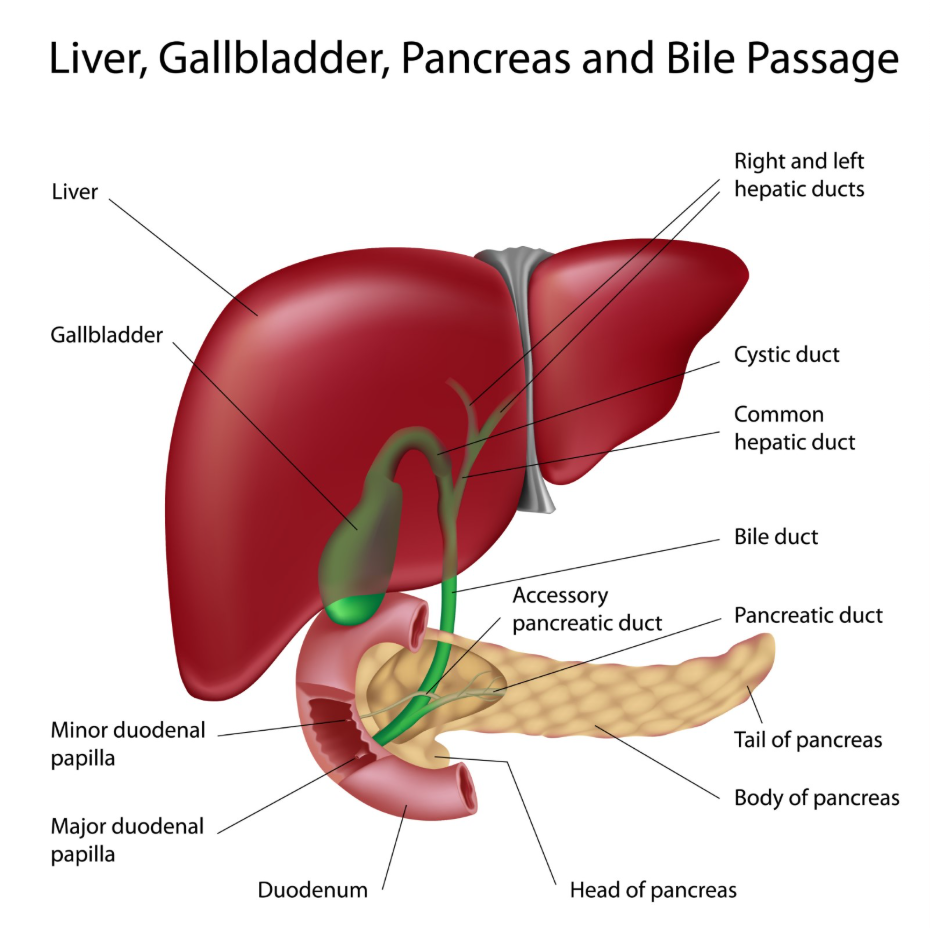
When a stone becomes lodged in the common bile duct, the “plumbing” system is essentially capped. The liver continues to produce bile, but since it has nowhere to go, the pressure within the ducts increases. This pressure eventually forces the bile components, specifically conjugated bilirubin, back into the liver’s blood vessels. Once in the general circulation, the yellow pigment travels throughout the body and settles into tissues with high elastic content, such as the skin and the whites of the eyes, creating the yellow hue characteristic of jaundice.
Distinguishing Between Gallbladder and Duct Stones
It is important to distinguish between stones that remain in the gallbladder and those that have entered the bile ducts, as only the latter typically cause jaundice. Most gallstones are located within the gallbladder itself and may cause episodic pain, often referred to as biliary colic, without affecting the body’s bilirubin levels. Jaundice only occurs when a stone is small enough to leave the gallbladder but large enough to get stuck in the narrower common bile duct.
| Feature | Stones in Gallbladder | Stones in Bile Duct |
| Primary Symptom | Pain in upper right abdomen | Jaundice (yellow skin/eyes) |
| Bilirubin Levels | Usually normal | Elevated (conjugated) |
| Urine Colour | Normal | Dark (tea-coloured) |
| Stool Colour | Normal | Pale or clay-coloured |
This comparison shows why a sudden change in skin colour is a significant clinical milestone. While gallbladder stones are common, a ductal obstruction is considered a more complex event because it affects the liver’s ability to excrete waste. In the UK, a patient presenting with both pain and yellowing of the eyes will be prioritised for imaging to locate the specific position of the stone within the biliary tree.
Indicators of Obstructive Jaundice
Obstructive jaundice caused by gallstones often presents with a distinct set of indicators that reflect the body’s attempt to filter excess bilirubin through the kidneys. Because the bile is blocked from entering the intestines, it cannot perform its normal role of giving stools their brown colour. Consequently, patients often notice that their stools become very pale, grey, or clay-coloured.
Simultaneously, the kidneys work to remove the water-soluble conjugated bilirubin from the blood. This results in urine that appears very dark, often compared to the colour of tea or cola. NICE clinical guidelines highlight that the combination of jaundice, pale stools, and dark urine is a classic presentation of biliary obstruction that requires urgent investigation to rule out infection. Another common symptom of this type of blockage is intense skin itching, known as pruritus, caused by the buildup of bile salts in the bloodstream.
Clinical Investigation and Management in the UK
In the United Kingdom, the management of suspected obstructive jaundice involves a series of diagnostic steps to confirm the presence of a stone and plan its removal. Blood tests, known as liver function tests, will typically show an “obstructive pattern,” where certain enzymes associated with the bile ducts are significantly higher than those associated with liver cell damage. Ultrasound is usually the first imaging tool used to look for stones and check if the bile ducts are dilated or widened due to pressure.
If an obstruction is confirmed, a procedure called an Endoscopic Retrograde Cholangio-Pancreatography (ERCP) may be used. During an ERCP, a specialist uses an endoscope and X-rays to locate the stone and either remove it or widen the duct to allow it to pass. Once the blockage is cleared, bilirubin levels typically begin to fall, and the yellowing of the skin and eyes fades over several days. Following the clearance of the duct, UK surgeons often recommend the removal of the gallbladder (cholecystectomy) to prevent future stones from migrating and causing a repeat obstruction.
Potential Complications of Untreated Blockages
Leaving a gallstone-induced blockage untreated can lead to serious complications, including inflammation of the gallbladder or a dangerous infection of the bile ducts known as ascending cholangitis. When bile is stagnant behind a stone, bacteria can multiply rapidly, leading to a systemic infection that requires urgent hospital treatment with intravenous antibiotics.
Another serious risk is acute pancreatitis, which occurs if a gallstone blocks the point where the bile duct and the pancreatic duct join before entering the small intestine. This causes digestive enzymes to back up into the pancreas, leading to severe inflammation and pain. Because of these risks, the UK healthcare system treats obstructive jaundice as a condition requiring timely intervention. Effective management not only resolves the jaundice but also mitigates these broader risks to the digestive and metabolic systems.
Conclusion
Gallstones are a frequent cause of jaundice when they migrate into and block the common bile duct, preventing the excretion of bilirubin. This obstructive jaundice is characterised by yellowing of the skin and eyes, dark urine, and pale stools. In the UK, clinical management focuses on locating the stone via imaging and removing it through specialised procedures to restore normal bile flow. Early intervention is necessary to prevent complications such as infection or pancreatitis. Maintaining awareness of these symptoms ensures that patients receive the appropriate care to protect their liver and biliary health. If you experience severe, sudden, or worsening symptoms, call 999 immediately.
Can I have gallstones without ever getting jaundice?
Yes, many people have gallstones that remain in the gallbladder and never cause a blockage or yellowing of the skin.
Why does a blocked duct make my skin itch?
When bile cannot drain, bile salts build up in your blood and settle in your skin, which can irritate nerve endings and cause itching.
Will the jaundice go away on its own if the stone passes?
If the stone moves into the intestine, the blockage is cleared and the jaundice will fade, but you still need a medical review to prevent future occurrences.
Is the surgery to remove the gallbladder always necessary?
If gallstones have caused a blockage, UK doctors usually recommend removing the gallbladder to stop more stones from causing the same problem again.
Does a fatty diet cause gallstone jaundice?
A high-fat diet can trigger the gallbladder to contract, which might push an existing stone into the bile duct, leading to an obstruction.
What is the difference between a liver problem and a gallstone problem?
Liver problems usually involve damage to the cells themselves, while gallstone problems are typically a “plumbing” issue where the drainage is blocked.
How long does it take for skin to return to normal colour after the stone is removed?
It usually takes a few days to a week for the liver to clear the excess bilirubin and for the yellow colour to fade from the skin and eyes.
Authority Snapshot (E-E-A-T)
This article provides medically factual health education regarding gallstones and jaundice, strictly aligned with NHS and NICE clinical guidelines. The content is developed by a professional medical writing team and reviewed by Dr. Stefan Petrov, a UK-trained physician with experience in general medicine, surgery, and emergency care. All information follows current UK public health protocols to ensure accuracy and patient safety.