




Jaundice can be an early sign of liver cancer if a tumour is positioned in a way that obstructs the bile ducts, although more commonly, it appears as the disease reaches a more advanced stage or if there is significant underlying liver damage. Jaundice is characterised by a yellowing of the skin and the whites of the eyes caused by a buildup of bilirubin, a pigment that the liver normally filters from the blood. In the United Kingdom, healthcare professionals investigate jaundice as a serious clinical indicator that requires urgent assessment to differentiate between benign conditions, such as gallstones, and malignancies. When cancer is involved, the yellowing occurs either because the tumour is physically blocking the drainage system of the liver or because the cancerous growth has replaced a large portion of healthy, functional liver tissue. Recognising this symptom alongside other subtle health changes is essential for ensuring a timely clinical review. While early liver cancer often produces very few symptoms, the onset of jaundice serves as a visible signal that the organ’s ability to process metabolic waste products has been compromised.
What We’ll Discuss in This Article
- The biological relationship between liver tumours and bilirubin processing.
- How the location of a tumour determines when jaundice appears.
- The difference between obstructive jaundice and jaundice from liver failure.
- Associated signs that may accompany yellowing in liver cancer cases.
- UK clinical pathways for investigating new onset jaundice.
- The role of regular surveillance for high risk individuals.
The Mechanism of Jaundice in Liver Cancer
Jaundice in liver cancer occurs when the malignancy interferes with the liver’s ability to conjugate and excrete bilirubin, leading to its accumulation in the circulatory system. Bilirubin is produced during the natural breakdown of old red blood cells and is usually transported to the liver to be made water soluble and passed into the intestines as bile. The NHS states that jaundice can be a symptom of liver cancer, particularly if the cancer blocks the bile duct or causes the liver to stop working properly.
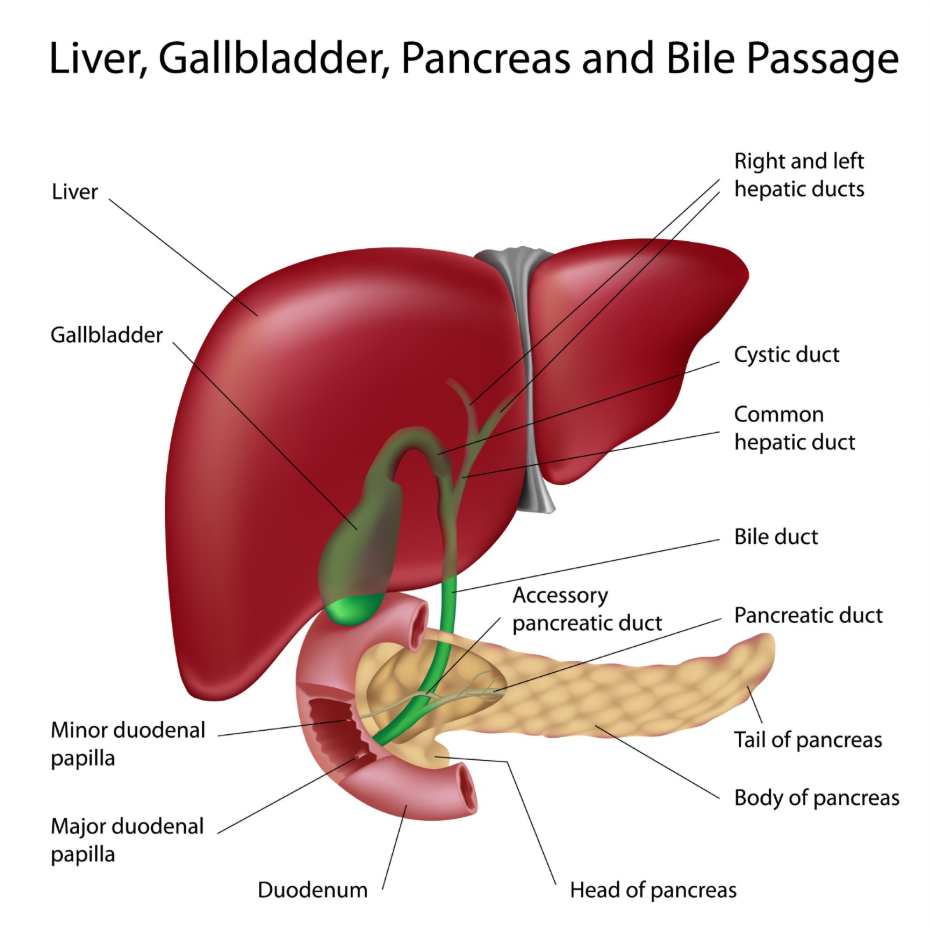
In cases where liver cancer develops, the tumour can disrupt this pathway in two primary ways. Firstly, a small tumour located near the common bile duct can act as a physical plug, preventing bile from leaving the organ even if the rest of the liver is functioning well. Secondly, if the cancer is widespread, it may destroy so much healthy tissue that the liver can no longer perform its basic filtration tasks. Once bilirubin levels in the blood reach a certain threshold, the pigment binds to the elastin in the skin and the whites of the eyes, resulting in a visible yellow hue.
Tumour Location and Early Manifestation
The timing of when jaundice appears is heavily influenced by where the tumour is situated within the liver’s complex internal architecture. If a tumour develops at the head of the pancreas or near the junction where the bile ducts exit the liver, jaundice may appear relatively early in the disease process. This is often referred to as “painless” jaundice because the obstruction occurs without the inflammatory pain typical of gallstones.
Conversely, if the cancer develops in the outer edges of the liver lobes, it may grow to a significant size before it interferes with the drainage system or affects enough tissue to cause yellowing. In these instances, jaundice would be considered a later sign of the disease. In the United Kingdom, any new onset of jaundice is treated with a high level of clinical suspicion. Specialists use imaging tools to determine if the yellowing is caused by a localised obstruction that might be treatable or a more generalised decline in organ function.
Obstructive versus Hepatocellular Jaundice
Clinical professionals distinguish between two types of jaundice in the context of liver cancer: obstructive jaundice and hepatocellular jaundice. Obstructive jaundice occurs when the “plumbing” is blocked, meaning the liver has processed the bilirubin, but it cannot get out. Hepatocellular jaundice occurs when the liver cells themselves are too damaged by the cancer or underlying cirrhosis to even begin the filtration process.
| Type of Jaundice | Primary Cause in Cancer | Waste Product Changes |
| Obstructive | Tumour blocking a bile duct | Dark urine and pale, clay-coloured stools. |
| Hepatocellular | Widespread loss of liver cells | Dark urine and normal to slightly pale stools. |
In the UK, the colour of a patient’s waste is a vital diagnostic clue. In obstructive cases, the stools become pale because no pigment is reaching the gut, while the urine becomes very dark as the kidneys try to filter the excess water soluble bilirubin. Recognising these waste changes alongside the yellowing of the skin can help healthcare teams pinpoint whether the issue is a mechanical blockage or a cellular failure.
Associated Signs to Monitor
When jaundice is a sign of liver cancer, it is frequently accompanied by other systemic symptoms that reflect the body’s response to the malignancy and impaired liver function. Because the liver is responsible for regulating energy, proteins, and blood clotting, a decline in its performance affects the entire body.
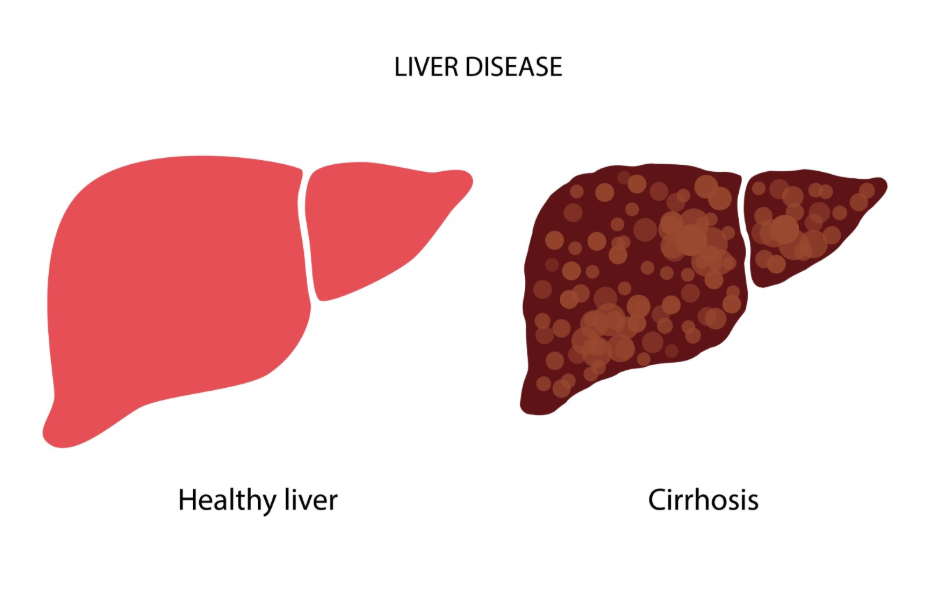
Common signs that may appear alongside jaundice include:
- Unexplained Weight Loss: A sudden drop in weight without changes in diet or exercise.
- Loss of Appetite: Feeling full very quickly or a general distaste for food.
- Pain or Swelling: Discomfort in the upper right side of the abdomen or a visible buildup of fluid (ascites).
- Nausea and Vomiting: Often occurring as the body struggles to process metabolic byproducts.
- Extreme Fatigue: A profound lack of energy that does not improve with rest.
NICE clinical guidelines for suspected cancer emphasise that jaundice in combination with any of these “red flag” symptoms requires an urgent referral for diagnostic imaging. In many cases, these symptoms are subtle at first, but the appearance of yellowing in the eyes often provides the definitive reason for a patient to seek medical advice in the United Kingdom.
Clinical Investigation and Surveillance in the UK
In the United Kingdom, the investigation of jaundice involves a series of blood tests known as liver function tests and imaging such as ultrasound, CT, or MRI scans. These tests allow doctors to measure bilirubin levels and visualise the liver’s structure to look for masses or blocked ducts. The GOV.UK health pages indicate that for individuals at high risk of liver cancer, such as those with cirrhosis or chronic hepatitis, regular six-monthly surveillance is essential for catching the disease before symptoms like jaundice even appear.
This proactive monitoring is the standard of care in the NHS because early liver cancer is often asymptomatic. If a patient is already in a surveillance programme, a tumour might be found via a scan or a blood marker test before it is large enough to cause jaundice. However, for those not in a high-risk group, jaundice remains one of the most common ways the disease first presents to a GP. Rapid diagnostic pathways ensure that the cause of the yellowing is identified so that appropriate management can begin.
Conclusion
Jaundice can be an early sign of liver cancer if a tumour obstructs the bile ducts, but it is often a sign of more advanced disease or significant liver damage. The manifestation of yellow skin and eyes, dark urine, and pale stools provides critical evidence of a disruption in the liver’s metabolic filtration system. In the UK, any new onset of jaundice is prioritised for investigation through blood tests and imaging to identify the underlying cause. While surveillance is key for those at high risk, public awareness of jaundice remains a vital component of early detection. If you experience severe, sudden, or worsening symptoms, call 999 immediately.
Does yellow skin always mean I have cancer?
No, jaundice is much more commonly caused by non-cancerous issues such as gallstones or viral hepatitis.
Why do my eyes look yellow before my skin does?
The whites of your eyes contain a lot of elastin, which the yellow pigment bilirubin binds to very easily, making it visible there first.
Can a tumour be removed if it’s causing jaundice?
If the jaundice is caused by a localised blockage, a surgeon or radiologist may be able to clear the duct or remove the tumour to resolve the symptom.
What is “painless” jaundice?
This is yellowing that occurs without the sharp abdominal pain often seen with gallstones, and it is a symptom that doctors take very seriously.
Will the jaundice go away after treatment?
If the treatment successfully removes the obstruction or reduces the tumour size, the liver can often start filtering bilirubin properly again and the yellowing will fade.
How quickly does jaundice develop in liver cancer?
It can appear suddenly if a duct becomes blocked or gradually if the liver’s overall function is slowly declining.
Can I have liver cancer without jaundice?
Yes, many early stage liver cancers do not cause jaundice because the rest of the liver is still functioning well enough to filter the blood.
Authority Snapshot (E-E-A-T)
This article provides medically factual health education regarding the link between jaundice and liver cancer, strictly aligned with NHS and NICE clinical guidelines. The content is developed by a professional medical writing team and reviewed by Dr. Stefan Petrov, a UK-trained physician with experience in general medicine, surgery, and emergency care. All information follows current UK public health protocols to ensure accuracy and patient safety.



