




Jaundice is a visible symptom of an underlying medical issue rather than a standalone condition, meaning that its resolution depends on successfully addressing the root cause. When the body’s ability to process and excrete bilirubin is restored, the yellow pigment gradually clears from the tissues. In the United Kingdom, medical management focuses on identifying whether the issue originates in the blood, the liver, or the bile ducts. Once the primary disruption is managed, the skin and eyes eventually return to their natural colour. The process of the pigment leaving the body is not instantaneous, as the bilirubin must be slowly reabsorbed from the tissues and processed once more. Understanding the relationship between the primary illness and the visible signs of recovery is essential for patients monitoring their progress. Because the liver is a central hub for metabolic health, the disappearance of jaundice is often used as a clinical indicator that the organ is returning to a state of functional balance.
What We’ll Discuss in This Article
- The relationship between treating the underlying cause and symptom resolution.
- How the liver processes bilirubin once inflammation or obstruction is removed.
- The biological timeline for the disappearance of yellowing in the skin and eyes.
- Restoring bile flow by managing obstructive causes such as gallstones.
- The recovery process for liver-related causes like hepatitis or toxic injury.
- Why secondary symptoms like itching or dark urine resolve at different rates.
The Relationship Between Treatment and Symptom Resolution
Addressing the underlying medical cause is the most effective way to make jaundice disappear because it allows the liver to resume its normal function of filtering bilirubin from the blood. The NHS states that treatment for jaundice depends on what is causing it, but once the cause is addressed, the jaundice should start to go away. This biological recovery begins the moment the metabolic bottleneck is cleared. If the cause is a blood disorder that produces too much bilirubin, reducing the rate of red blood cell breakdown allows the liver to catch up. If the cause is liver damage, the healing of the liver tissue restores its capacity to conjugate the pigment.
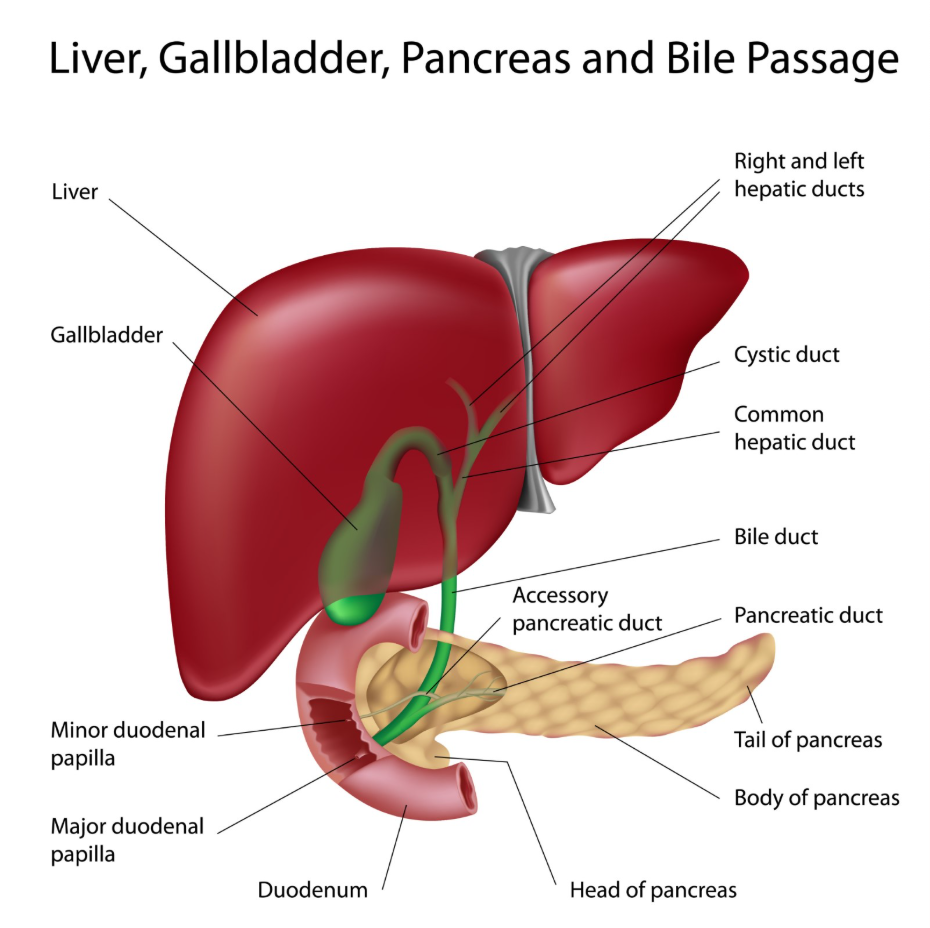
Jaundice is essentially a backlog of waste products. Just as a blocked pipe causes water to overflow, a blocked or damaged biliary system causes bilirubin to overflow into the bloodstream. Treatment acts as the repair to the pipe. Once the repair is finished, the overflow stops, but the water already on the floor must be mopped up. In the human body, this mopping up is performed by the blood and the liver over several days. Clinical teams in the UK monitor this resolution using blood tests to ensure that the levels of bilirubin are consistently trending downwards.
Biological Mechanisms of Bilirubin Clearance
Once the medical trigger is resolved, the body clears the yellow pigment through a biological process that involves the liver and the kidneys. The bilirubin that has settled in the skin and the whites of the eyes must first be released back into the bloodstream. This is a passive process that depends on the concentration of bilirubin in the blood dropping significantly below the concentration in the tissues.
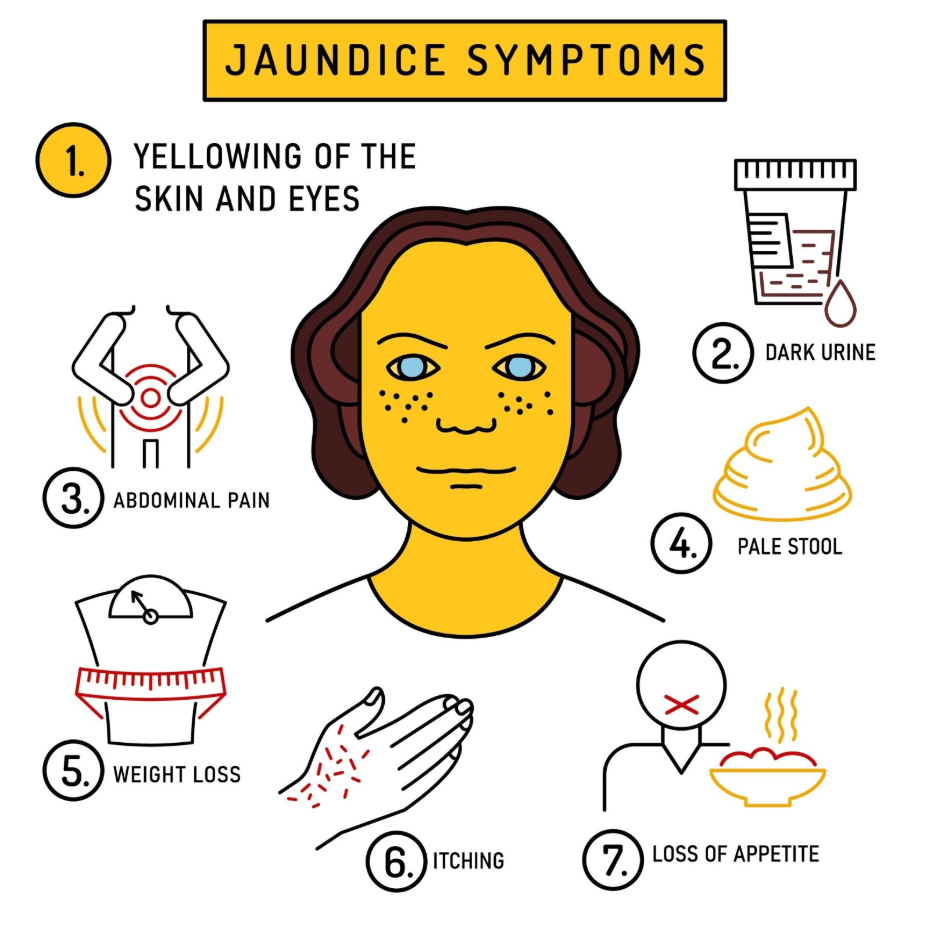
As the blood levels drop, the bilirubin moves out of the tissues and travels to the liver. A healthy liver then conjugates the bilirubin, making it water-soluble so it can be sent to the intestines in bile. Some of this processed pigment is also filtered by the kidneys and passed out of the body in urine. NICE clinical guidelines for managing jaundice in adults focus on the identification and resolution of the primary medical trigger to ensure the successful clearance of bilirubin from the body. This combined effort by the liver and kidneys ensures that the yellow hue fades as the total body load of bilirubin decreases.
Recovery from Obstructive Causes
The resolution of jaundice caused by a physical blockage in the bile ducts relies on restoring the drainage pathway so that bilirubin can be excreted into the gut. This is common in cases involving gallstones or tumours that compress the biliary tree. When a blockage is removed, for example through a surgical procedure or an endoscopic intervention, the pressure within the bile ducts is immediately relieved.
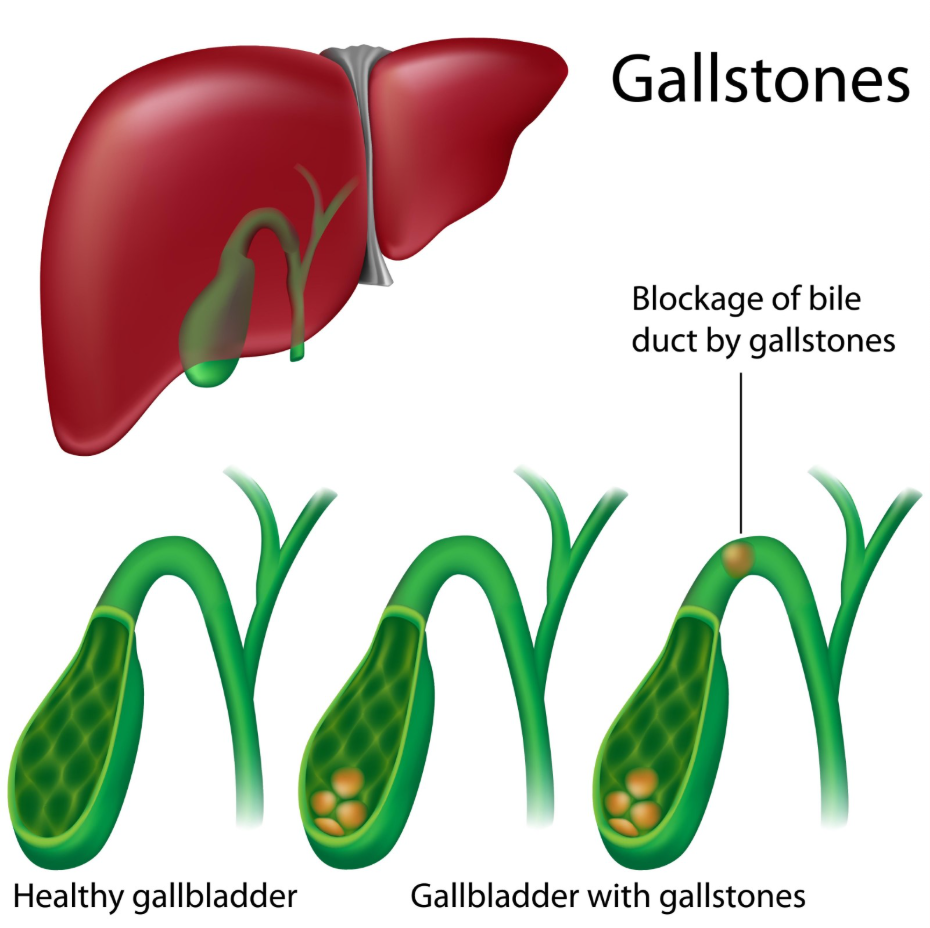
Once the obstruction is cleared, the liver can immediately begin pumping the accumulated bile into the intestines. This leads to a relatively rapid drop in the levels of conjugated bilirubin in the blood. Patients often notice that their stools return to a normal brown colour quite quickly because the pigment is finally reaching the digestive tract. However, the yellowing of the skin may take longer to fade because the pigment is deeply embedded in the elastic tissues. UK medical protocols prioritised the physical clearance of these blockages to prevent secondary complications like infection or permanent liver scarring.
Healing from Liver Inflammation and Infection
When jaundice results from liver inflammation or infection, the yellowing disappears as the organ heals and its metabolic cells regain their filtration efficiency. Conditions such as viral hepatitis, alcohol-related hepatitis, or drug-induced liver injury cause the liver cells to swell and malfunction. During the peak of the illness, the liver cannot process the bilirubin being sent to it from the blood.
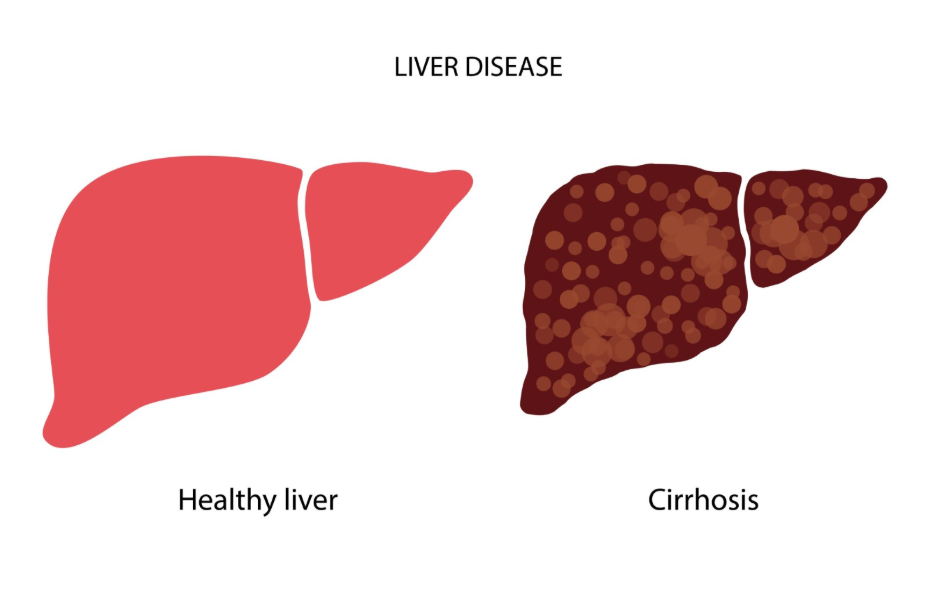
As the infection clears or the toxic insult is removed, the inflammation subsides. The liver is a highly regenerative organ, and as new, healthy cells take over, the filtration rate increases. This recovery is often slower than the recovery from a physical blockage because it involves cellular repair rather than just clearing a path. According to the GOV.UK health profiles, the resolution of jaundice is used as a clinical marker to determine the recovery of liver function following an acute illness or obstruction. In the UK, patients with hepatitis are often monitored for weeks to ensure that the liver’s synthetic and filtration capacities have fully returned to baseline levels.
Timelines for the Disappearance of Symptoms
The timeline for the total disappearance of jaundice varies depending on the severity of the initial bilirubin buildup and the overall health of the liver. In most uncomplicated cases, the yellowing of the eyes and skin begins to fade within a few days of starting effective treatment. However, it can take two to four weeks for the skin to return completely to its natural tone.
The eyes often clear at a different rate than the skin because bilirubin binds very tightly to the elastin in the sclera. It is not uncommon for a patient to feel much better and have clear skin while their eyes still retain a faint yellow tint. The rate of clearance is also influenced by hydration, as the kidneys play a secondary role in removing water-soluble bilirubin. UK clinicians advise patients that visible recovery is a lagging indicator, meaning the blood results will often show improvement well before the physical yellowing has entirely vanished.
Resolution of Secondary Jaundice Symptoms
Some symptoms associated with jaundice, such as itching or dark urine, may disappear at different rates than the yellowing of the skin and eyes. Pruritus, or intense skin itching, is caused by the accumulation of bile salts in the skin. Because these salts are cleared by the liver alongside bilirubin, the itching usually starts to subside as soon as bile flow is restored or liver function improves.
Dark urine, which is caused by the kidneys filtering out excess water-soluble bilirubin, is often one of the first symptoms to resolve. As the liver regains its ability to process bilirubin, less pigment is diverted to the kidneys, and the urine returns to its normal straw-yellow colour. Conversely, the return of normal stool colour signals that the biliary pathway to the intestines is fully open. Monitoring these changes in waste colour provides patients with a daily, visible way to track their internal recovery process while waiting for the skin and eyes to clear.
Conclusion
Treating the underlying cause of jaundice is the only way to ensure the yellowing of the skin and eyes disappears. Whether the cause is an obstruction that must be physically cleared or liver inflammation that must heal, the resolution of jaundice follows the restoration of normal bilirubin metabolism. While the blood chemistry improves quickly after treatment begins, the physical clearance of the pigment from the tissues is a gradual process that can take several weeks. Maintaining clinical oversight throughout this recovery phase ensures that the liver is functioning correctly and that the jaundice does not return. If you experience severe, sudden, or worsening symptoms, call 999 immediately.
Will my skin go back to its exact original colour?
Yes, once the bilirubin is cleared from your tissues, your skin and eyes will return to their natural appearance.
Why is the yellowing taking so long to fade even though I feel better?
Bilirubin binds to the elastic fibres in your skin and eyes, and it takes time for your blood to slowly reabsorb and process that pigment.
Can I speed up the disappearance of jaundice?
The best way to support recovery is to follow your medical treatment plan and stay well-hydrated to help your kidneys and liver work efficiently.
Is it normal for my eyes to stay yellow longer than my skin?
Yes, the whites of the eyes contain a lot of elastin, which holds onto the yellow pigment more tightly than other tissues.
What if the jaundice starts to come back after treatment?
If the yellowing returns, it indicates that the underlying cause has not been fully resolved or a new issue has developed, requiring a fresh medical review.
Does the itching stop at the same time the skin clears?
Itching often starts to improve before the skin is completely clear because it is caused by bile salts that move more quickly than the bilirubin pigment.
Will the jaundice go away if the cause is chronic, like cirrhosis?
In chronic conditions, jaundice may fluctuate; it may not disappear entirely but can be managed by stabilising the liver function as much as possible.
Authority Snapshot (E-E-A-T)
This article provides medically factual health education regarding the resolution of jaundice, strictly aligned with NHS and NICE clinical guidelines. The content is developed by a professional medical writing team and reviewed by Dr. Stefan Petrov, a UK-trained physician with experience in general medicine, surgery, and emergency care. All information follows current UK public health protocols to ensure clinical accuracy and patient safety.



