




Jaundice can occasionally resolve without specific medical intervention if the underlying cause is a temporary or self-limiting condition, such as a mild viral infection or physiological development in newborns. However, because jaundice is a clinical sign of an accumulation of bilirubin in the blood rather than a disease itself, its resolution depends entirely on the body’s ability to restore normal liver and biliary function. In the United Kingdom, healthcare professionals view the appearance of yellowing skin and eyes as a symptom that requires clinical investigation to identify the source of the bilirubin buildup. While some instances, such as a small gallstone passing naturally or the clearance of a temporary infection, may see symptoms fade without targeted therapy, many causes of jaundice are progressive and require medical or surgical treatment. Understanding the distinction between benign, temporary triggers and more serious chronic conditions is essential for determining the appropriate clinical pathway. Because the liver is responsible for vital metabolic filtration, monitoring the progression of jaundice is necessary to ensure that the organ is recovering and that no further complications develop.
What We’ll Discuss in This Article
- The biological conditions under which jaundice may resolve naturally.
- Differences between newborn physiological jaundice and adult jaundice.
- How the body clears bilirubin once a temporary obstruction is removed.
- The role of self-limiting viral infections in the resolution of yellowing.
- When medical or surgical intervention is necessary to clear jaundice.
- UK clinical pathways for monitoring the recovery of liver function.
Natural Resolution in Newborns
Newborn jaundice is the most common form of the condition that often resolves without treatment as the infant’s liver matures and becomes more efficient at processing bilirubin. This is known as physiological jaundice and usually occurs because the baby has a high number of red blood cells which are being broken down and replaced frequently. The NHS states that newborn jaundice is common and usually goes away without treatment within 10 to 14 days.
In these cases, as the baby starts to feed more and their liver enzymes become fully active, the bilirubin is naturally excreted through the stools and urine. Healthcare professionals in the UK monitor these infants closely to ensure that the levels do not rise too high. While most cases resolve through natural development, some infants may require phototherapy if the bilirubin levels reach a specific clinical threshold. This is a clear example of how a developmental phase of jaundice can clear as the body reaches biological maturity.
Self-Limiting Infections and Temporary Inflammation
In adults, jaundice may fade without specific medication if it is caused by a self-limiting viral infection where the body’s immune system successfully clears the virus and allows the liver to heal. For instance, Hepatitis A is an acute viral infection that usually resolves on its own over several weeks as the inflammation in the liver tissue subsides.
Once the immune system suppresses the virus, the liver cells regain their ability to conjugate and transport bilirubin. As the organ’s filtration capacity is restored, the yellow pigment is gradually cleared from the bloodstream and tissues, leading to the disappearance of jaundice. During this period, management focuses on supportive care, such as rest and hydration, rather than direct antiviral treatment. However, it is essential to confirm that the infection is indeed self-limiting through blood tests, as other types of hepatitis may become chronic and lead to permanent damage if left unmanaged.
Passing of Temporary Biliary Obstructions
Jaundice caused by a physical blockage, such as a small gallstone, can occasionally resolve without treatment if the stone passes spontaneously from the bile duct into the small intestine. When the “plumbing” system of the biliary tree is no longer obstructed, bile flow is restored, and the liver can once again excrete bilirubin into the digestive tract.
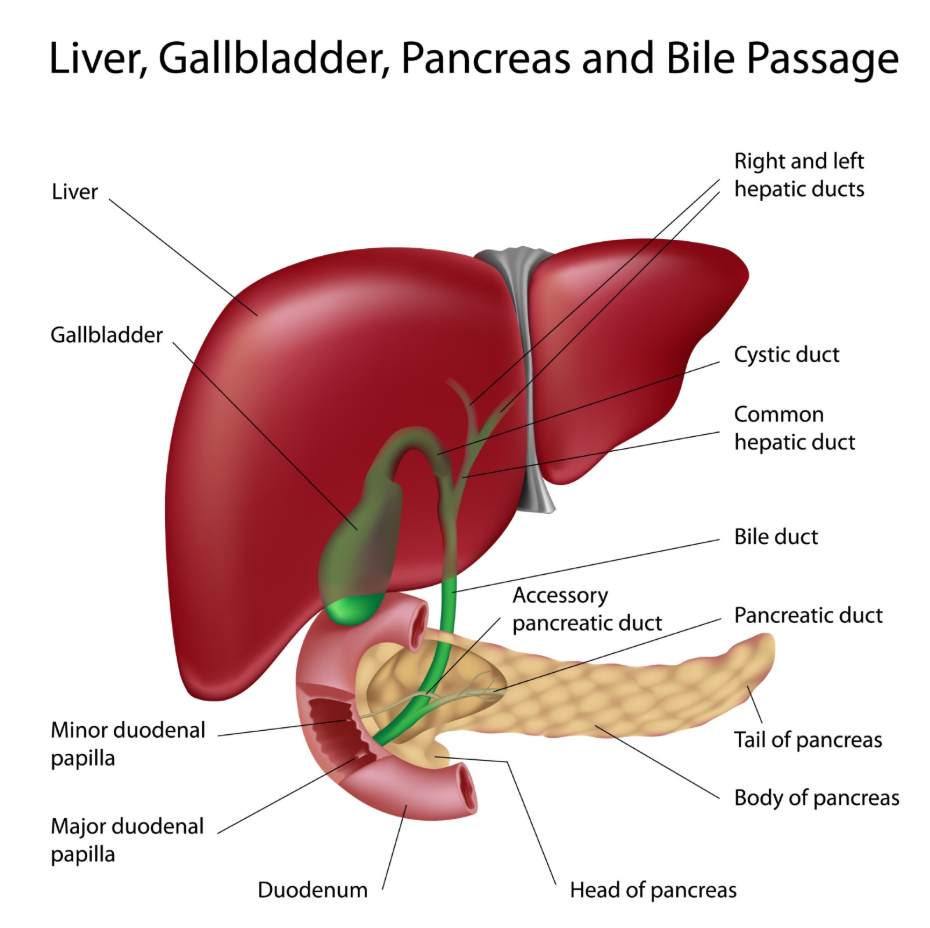
Once the blockage is removed, the concentration of bilirubin in the blood begins to fall. However, even if the jaundice appears to be clearing, UK clinical guidelines recommend an investigation to prevent future obstructions. NICE clinical guidelines for gallstone disease state that patients who have experienced a biliary obstruction should be assessed for gallbladder surgery to reduce the risk of further complications like infection or pancreatitis. While the symptoms may go away temporarily, the underlying tendency to form stones often remains a medical concern.
Comparing Temporary and Persistent Causes
Determining whether jaundice will resolve on its own involves identifying the specific mechanism of the bilirubin buildup. Some conditions are inherently temporary, while others involve structural changes that the body cannot fix without clinical aid.
| Type of Jaundice | Potential for Natural Resolution | Common Outcome |
| Newborn Physiological | High | Usually clears within 2 weeks. |
| Acute Hepatitis A | High | Resolves as the virus clears. |
| Small Gallstone | Moderate | May pass, but recurrence is likely. |
| Chronic Cirrhosis | Very Low | Requires long-term medical management. |
| Malignant Obstruction | Zero | Requires surgical or oncological treatment. |
This comparison shows that while the skin may look the same in various cases, the biological reality is quite different. In the UK, the focus of a diagnostic review is to find which category a patient falls into. If the jaundice is caused by advanced scarring (cirrhosis) or a large tumour, it will not go away without intervention and will likely worsen over time.
Limitations of Natural Recovery in Adults
While certain acute triggers may resolve, jaundice in adults is frequently an indicator of more complex issues that the body cannot resolve through its own reparative processes. Chronic alcohol-related liver disease, autoimmune hepatitis, and large biliary obstructions typically require targeted medical or surgical intervention to prevent liver failure.
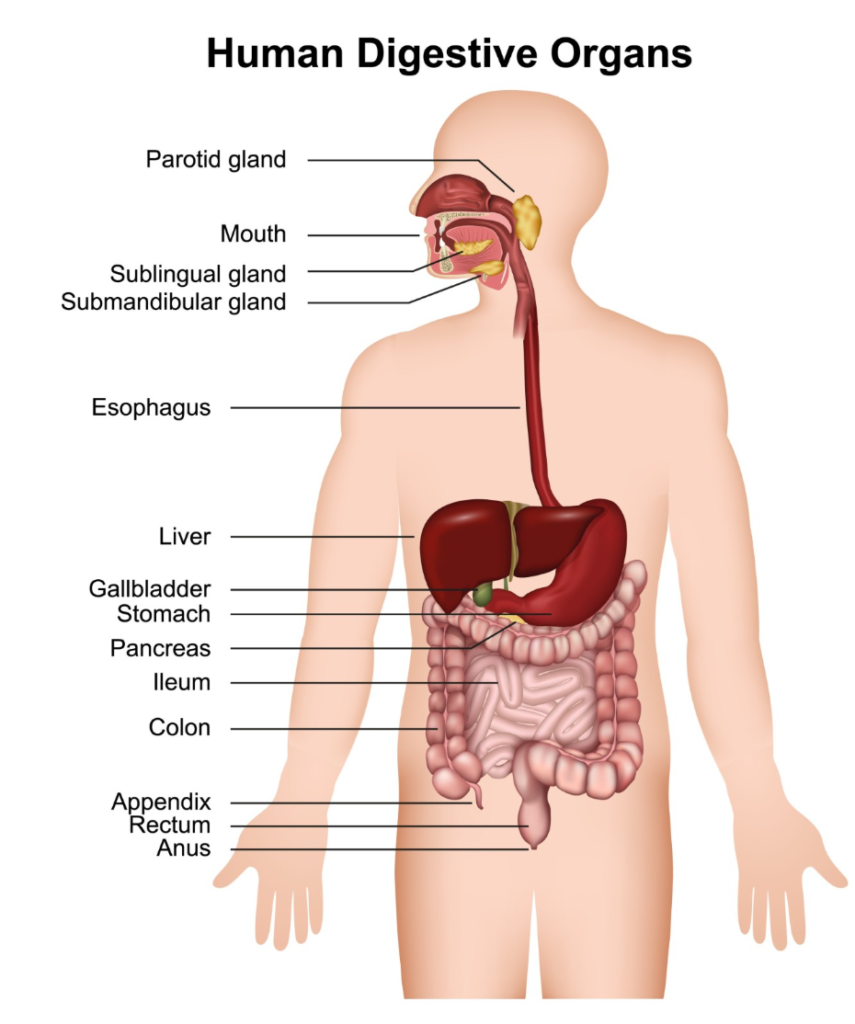
If a blockage is too large to pass, or if the liver tissue is permanently scarred, the bilirubin will continue to accumulate. According to the GOV.UK health pages, persistent jaundice is a significant clinical marker of declining liver function that necessitates specialist referral and management. In these scenarios, waiting for the jaundice to “go away” can lead to dangerous complications such as ascending cholangitis (a bile duct infection) or systemic toxin buildup. Therefore, professional clinical monitoring is required for any adult presenting with yellowing to ensure that the cause is not life-threatening.
Clinical Monitoring and Recovery Pathways
In the United Kingdom, the process of monitoring whether jaundice is resolving involves serial blood tests known as liver function tests. These tests track the levels of bilirubin and liver enzymes over days or weeks to see if they are trending downwards. A successful recovery is marked by a gradual return to normal enzyme levels and the disappearance of bilirubin from the urine.
If the levels remain high or continue to rise, the healthcare team will move from observation to active intervention. This might involve procedures to clear a bile duct (such as an ERCP) or starting medications to reduce liver inflammation. This structured approach ensures that patients whose jaundice might resolve naturally are given the time to do so under safe supervision, while those requiring urgent help receive it promptly. The goal is always to protect the liver’s long-term health and ensure that the filtration of the body’s waste products is fully restored.
Conclusion
Jaundice can go away without treatment in specific cases such as newborn physiological development or self-limiting viral infections, provided the body can restore its own filtration and drainage pathways. However, in many adults, jaundice is a sign of a blockage or liver damage that requires medical or surgical intervention to resolve. In the UK, consistent monitoring through blood tests is the standard of care to distinguish between temporary issues and serious underlying diseases. Identifying the source of the bilirubin buildup is necessary for ensuring a safe and effective recovery. If you experience severe, sudden, or worsening symptoms, call 999 immediately.
How long should I wait for jaundice to go away on its own?
In adults, you should not wait for it to go away; any new yellowing of the skin or eyes requires a medical review to find the cause.
Can drinking more water clear jaundice?
Hydration is good for general health, but it cannot fix the liver damage or physical blockages that cause jaundice.
Why did my jaundice fade and then come back?
This can happen if a gallstone is moving in and out of a duct or if a chronic liver condition is going through a period of “flare-up.”
Is there a diet to help jaundice go away faster?
While a healthy diet supports the liver, there is no specific food that can clear bilirubin if there is a medical blockage or infection.
Can sunlight help adult jaundice go away?
No, sunlight is sometimes used for very specific types of newborn jaundice, but it does not work for adult jaundice and is not a substitute for medical care.
What if only my eyes are yellow?
Yellowing of the whites of the eyes is still considered jaundice and needs the same level of medical investigation as skin yellowing.
Will the itching stop as soon as the yellowing fades?
Itching usually starts to improve as bile salt levels in the blood drop, which often happens at the same time the yellowing begins to fade.
Authority Snapshot (E-E-A-T)
This article provides medically factual health education regarding the resolution of jaundice, strictly aligned with NHS and NICE clinical guidelines. The content is developed by a professional medical writing team and reviewed by Dr. Stefan Petrov, a UK-trained physician with experience in general medicine, surgery, and emergency care. All information follows current UK public health protocols to ensure accuracy and patient safety.



