




People with jaundice should be tested for liver diseases such as hepatitis because the yellowing of the skin and eyes is a significant clinical indicator that the liver is currently unable to process or excrete bilirubin effectively. Jaundice occurs when bilirubin, a byproduct of the natural breakdown of red blood cells, accumulates in the bloodstream and settles in the body’s tissues. While jaundice itself is a symptom rather than a disease, it frequently signals an underlying inflammatory or infectious process within the liver, such as viral hepatitis, or structural damage like cirrhosis. In the United Kingdom, healthcare professionals prioritise the investigation of jaundice to identify these conditions early, as untreated liver disease can lead to progressive scarring or organ failure. Testing allows clinicians to differentiate between diversas causes, including blood disorders and biliary obstructions, ensuring that the patient receives the correct management for the specific trigger. Because the liver is a central hub for detoxification and metabolic regulation, any visible sign of dysfunction requires a thorough clinical assessment to maintain long-term health and prevent complications.
What We’ll Discuss in This Article
- The biological link between liver inflammation and the onset of jaundice.
- Why viral hepatitis screening is a priority in the UK diagnostic pathway.
- The role of blood tests in identifying different types of liver disease.
- How jaundice helps clinicians distinguish between acute and chronic liver issues.
- The importance of assessing liver synthetic function alongside pigment levels.
- When further imaging is required to rule out non-infectious causes of jaundice.
The Connection Between Jaundice and Hepatitis
Jaundice is a hallmark sign of hepatitis because the inflammation of liver tissue directly impairs the organ’s ability to conjugate and transport bilirubin. Hepatitis is defined as inflammation of the liver, which can be caused by viruses, alcohol consumption, autoimmune responses, or toxins. When the liver cells become swollen or damaged, they can no longer filter bilirubin from the blood at a normal rate. The NHS states that jaundice is often a sign of a liver problem, such as hepatitis or cirrhosis, and requires medical investigation to determine the cause.
In cases of viral hepatitis, the immune system’s response to the virus causes widespread cellular stress within the liver. This stress leads to “hepatocellular” jaundice, where the cells fail to process the pigment even if the drainage ducts are clear. By testing for hepatitis in a jaundiced patient, UK healthcare providers can identify whether the liver is fighting a short-term acute infection or if it is dealing with a long-term chronic condition that may have caused permanent changes to the organ’s structure.
Identifying Viral Hepatitis Through Blood Tests
Viral hepatitis testing is a standard part of the diagnostic process for jaundice in the UK because certain viruses have a high affinity for liver cells and frequently cause visible yellowing. Viruses such as Hepatitis A, B, C, and E are transmitted through different routes but all share the potential to cause significant liver inflammation.
| Hepatitis Type | Common Transmission | Role of Jaundice |
| Hepatitis A | Contaminated food or water | Often presents with sudden, acute jaundice. |
| Hepatitis B | Blood or body fluids | May cause jaundice in acute or flare-up phases. |
| Hepatitis C | Blood-to-blood contact | Jaundice is less common until damage is advanced. |
| Hepatitis E | Undercooked pork or water | Frequently causes jaundice in acute infections. |
NICE clinical guidelines for the management of viral hepatitis emphasise that prompt testing for viral antigens and antibodies is essential for patients presenting with new-onset jaundice. These tests determine exactly which virus is present and help public health teams track and manage the spread of infection. Identifying the specific virus also dictates the management plan, as some types of hepatitis resolve on their own, while others require specific antiviral medications to prevent chronic liver damage.
Differentiating Between Liver Disease and Other Causes
Testing for liver disease in jaundiced patients is necessary to rule out other medical issues, such as gallstones or blood disorders, which can mimic the symptoms of hepatitis. While the yellowing of the skin is the same, the underlying biological mechanism differs significantly depending on the source of the bilirubin buildup.
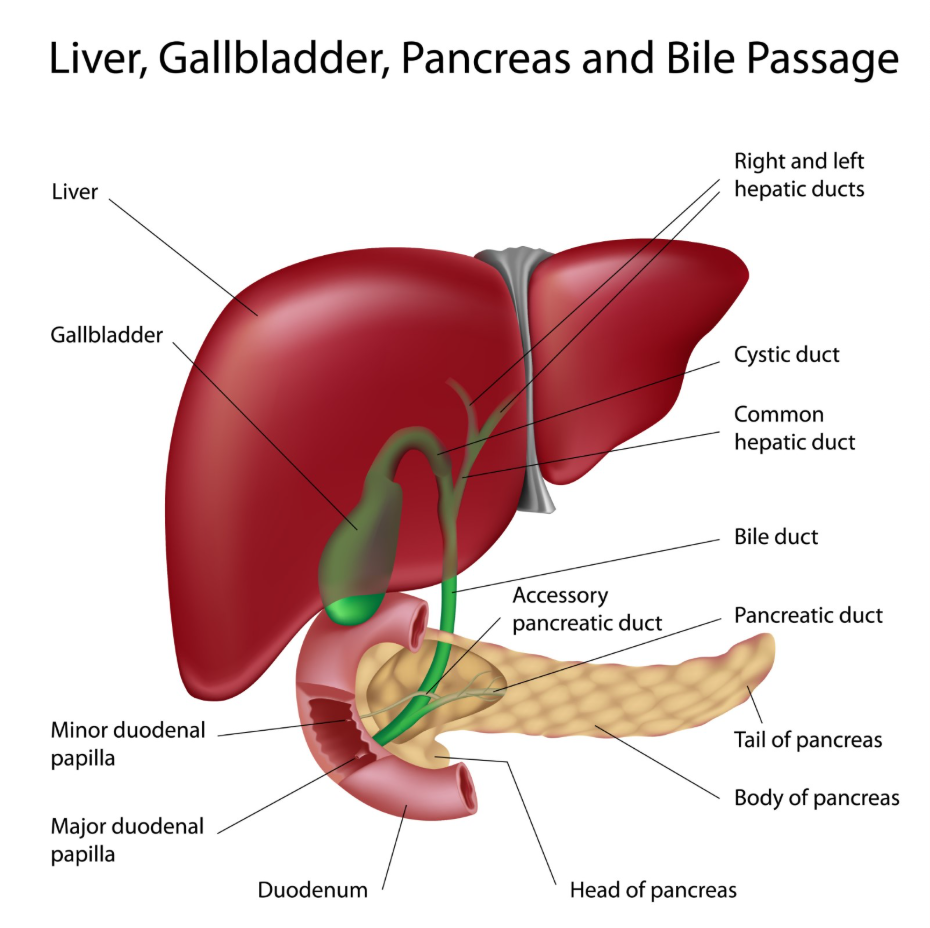
If the tests show that the liver cells are healthy but there is a backup in the drainage system, the jaundice is likely “obstructive” (post-hepatic) and may be caused by gallstones rather than hepatitis. Conversely, if the liver cells are leaking enzymes into the blood, it points toward a “medical” (intra-hepatic) cause like liver disease. By performing a comprehensive liver profile, UK clinicians can ensure they are not treating an infection when a physical blockage is the real problem. This differentiation is vital for choosing the correct clinical pathway, whether that involves medical support for the liver or a procedure to clear a bile duct.
Monitoring Chronic Liver Disease and Cirrhosis
For patients with chronic liver disease, the appearance of jaundice often signals that the condition has progressed to a more serious stage, such as decompensated cirrhosis. Cirrhosis is the permanent scarring of the liver tissue, which can be caused by long-term hepatitis, excessive alcohol use, or fatty liver disease. In the early stages, the liver can often still process bilirubin, so jaundice may not be present.
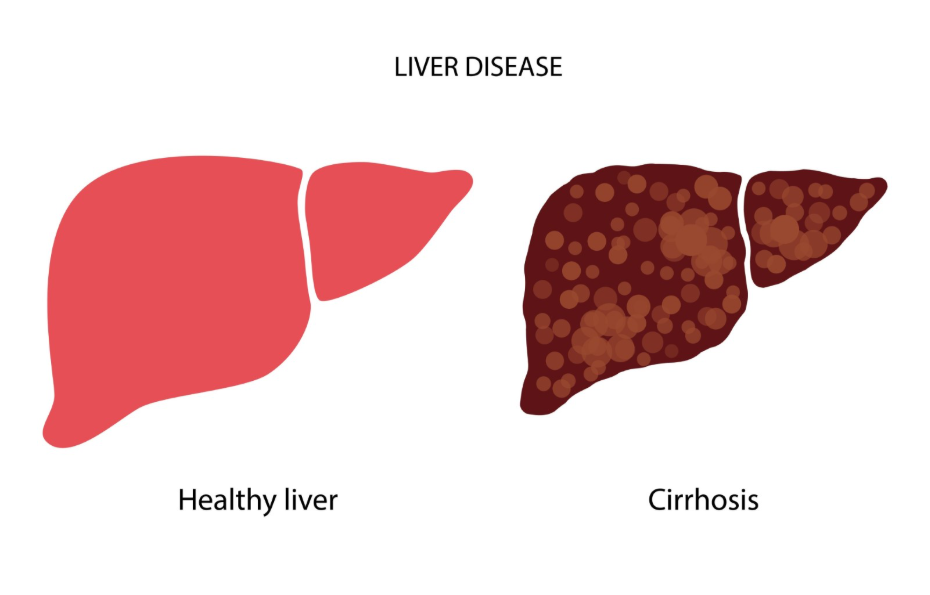
However, as the scarring becomes extensive, the liver’s functional capacity reaches a breaking point. Jaundice in this context is a signal that the liver is no longer able to keep up with metabolic waste removal. The GOV.UK health profiles indicate that jaundice is a key indicator used to assess the severity of chronic liver disease and the risk of progression to liver failure. In the UK, these patients are monitored using specific clinical scores that include bilirubin levels to determine the urgency of care and potential eligibility for liver transplantation.
The Role of Liver Function Tests (LFTs)
Liver Function Tests are the primary diagnostic tool used in the UK to confirm jaundice and assess the health of the liver cells and bile ducts. These tests measure the levels of bilirubin alongside enzymes like ALT, AST, and ALP. A high level of ALT or AST relative to ALP typically suggests that liver disease, such as hepatitis, is the primary cause of the jaundice.
In addition to enzymes, doctors check markers of the liver’s synthetic function, such as albumin and clotting times (INR). Because the liver produces the proteins necessary for blood to clot, a delay in clotting time can be a sign of significant liver failure. By looking at the entire biochemical profile, the multidisciplinary healthcare team can determine not just that jaundice is present, but how much the liver is struggling to perform its vital roles. This comprehensive testing ensures that the patient’s overall stability is monitored while the specific cause of the jaundice is being investigated.
Conclusion
People with jaundice should be tested for liver diseases like hepatitis to identify whether the yellowing is caused by infection, inflammation, or structural damage. Blood tests for viral markers and liver enzymes are essential for distinguishing between various types of liver stress and choosing the correct management plan. In the UK, early testing ensures that serious conditions like chronic hepatitis or cirrhosis are identified before they lead to permanent organ failure. Monitoring these levels is a cornerstone of maintaining metabolic and organ health. If you experience severe, sudden, or worsening symptoms, call 999 immediately.
If my eyes are yellow, do I definitely have hepatitis?
No, jaundice can be caused by many things including gallstones or blood disorders, which is why clinical testing is necessary to find the cause.
Why do doctors test for different types of hepatitis?
Different hepatitis viruses require different management and have different risks for long-term health, so identifying the specific strain is vital.
Can I have hepatitis without having jaundice?
Yes, many people with hepatitis, particularly chronic Hepatitis C, have no symptoms at all and do not turn yellow until the disease is very advanced.
How long does it take for hepatitis tests to come back?
Standard liver function results are often available within 24 hours, while specific viral hepatitis screening can take a few days in most UK hospitals.
Will jaundice go away if my hepatitis is treated?
As the liver inflammation subsides and the organ begins to function normally again, the bilirubin levels will drop and the yellowing will fade.
Is jaundice always a sign of liver damage?
It is always a sign of liver or biliary stress, but it can be temporary and reversible, such as in acute Hepatitis A or a passing gallstone.
What is the first test a doctor will do for jaundice?
The first step is usually a physical exam followed by a set of blood tests called Liver Function Tests (LFTs) to measure bilirubin and enzymes.
Authority Snapshot (E-E-A-T)
This article provides medically factual health education regarding the importance of testing for liver disease in cases of jaundice, strictly aligned with NHS and NICE clinical guidelines. The content is developed by a professional medical writing team and reviewed by Dr. Stefan Petrov, a UK-trained physician with experience in general medicine, surgery, and emergency care. All information follows current UK public health protocols to ensure accuracy and patient safety.



