




Treatments for jaundice caused by gallstones focus on physically removing the obstruction from the bile ducts to restore the normal flow of bile and allow bilirubin levels in the blood to return to a healthy range. Jaundice occurs when a gallstone migrates from the gallbladder into the common bile duct, creating a blockage that prevents the liver from excreting yellow pigment into the digestive tract. In the United Kingdom, healthcare professionals prioritise the rapid identification and clearance of these stones to prevent serious complications such as infection of the bile ducts or inflammation of the pancreas. Once the physical barrier is removed, the liver can resume its filtration duties, and the yellowing of the skin and eyes gradually fades. Clinical management typically involves a combination of specialised endoscopic procedures to clear the ducts and surgical interventions to prevent future occurrences. Understanding the pathway from diagnosis to resolution is essential for patients navigating the treatment of obstructive jaundice within the NHS framework. Because the underlying cause is a mechanical obstruction, medical management is centred on restoring the body’s internal drainage system through interventional techniques.
What We’ll Discuss in This Article
- The biological mechanism of biliary obstruction and its impact on bilirubin.
- The role of Endoscopic Retrograde Cholangio-Pancreatography (ERCP) in stone removal.
- Surgical options for removing the gallbladder to prevent recurrent jaundice.
- How the body recovers and clears yellow pigment following treatment.
- Conservative management and supportive care during the recovery phase.
- Potential complications requiring urgent intervention in obstructive cases.
The Primary Goal of Treatment in Obstructive Jaundice
The primary goal of treating jaundice caused by gallstones is to clear the common bile duct of any stones so that conjugated bilirubin can be excreted into the intestines rather than backing up into the bloodstream. The NHS states that if a gallstone blocks the bile duct and causes jaundice, it usually needs to be removed using a specialised procedure or surgery.
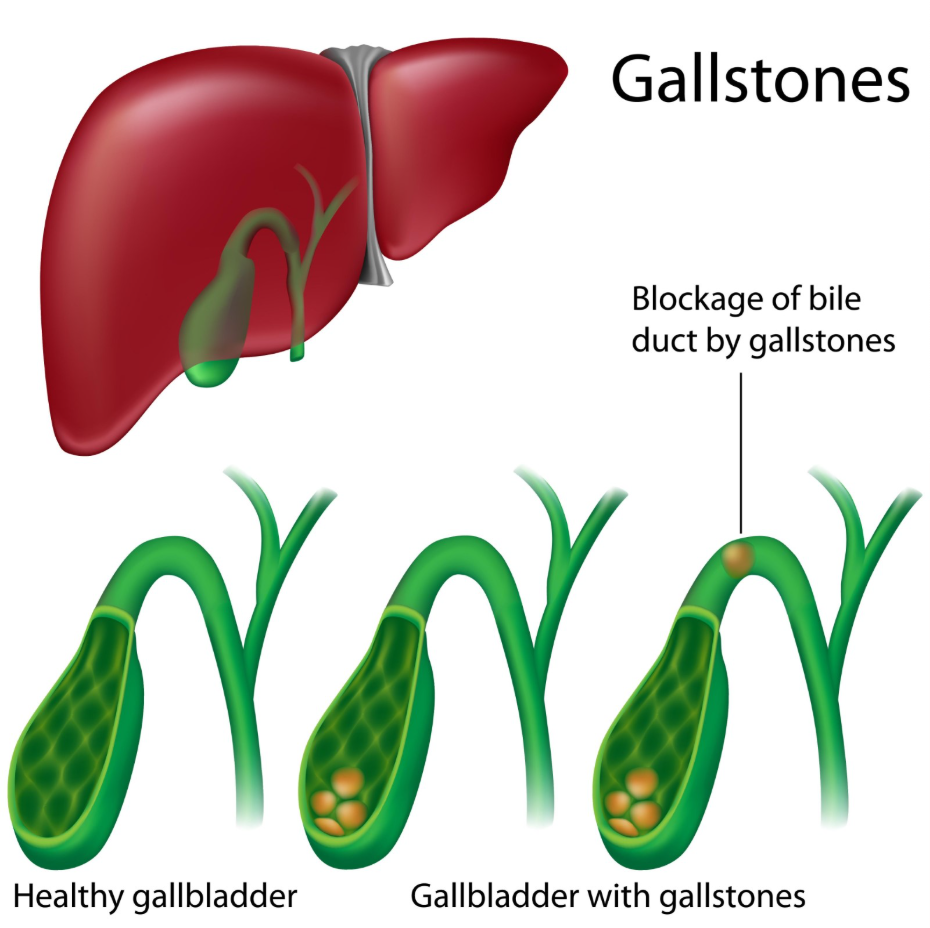
When a stone is lodged in the duct, the liver continues to produce bile, but the fluid has no exit route. This pressure forces bilirubin into the circulatory system, where it eventually deposits in the skin and eyes. Treatment acts by reopening this “plumbing” system. Once the passage is clear, the concentration of bilirubin in the blood begins to drop. Clinical success is measured not only by the disappearance of the yellow hue but also by the return of normal waste colour, as bilirubin once again reaches the gut to colour the stools.
Endoscopic Retrograde Cholangio-Pancreatography (ERCP)
Endoscopic Retrograde Cholangio-Pancreatography (ERCP) is the most common interventional treatment used in the UK to remove gallstones from the bile duct without the need for traditional surgery. During this procedure, a specialist passes a thin, flexible tube called an endoscope through the mouth and stomach into the first part of the small intestine where the bile duct opens.
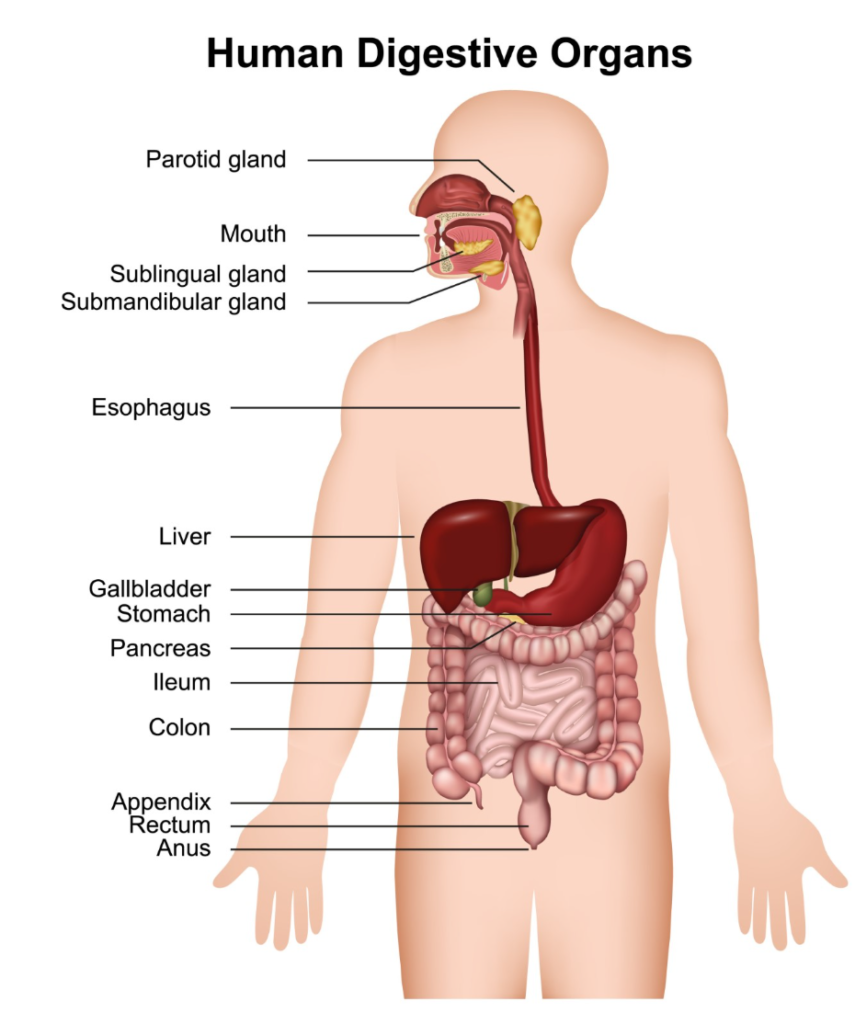
Once the endoscope is in place, a small cut is made in the muscle surrounding the opening of the bile duct (sphincterotomy), and instruments are used to pull the stones out into the intestine, where they can pass through the body naturally. NICE clinical guidelines for gallstone disease recommend ERCP as a highly effective method for clearing bile duct stones and resolving associated jaundice. This procedure allows the medical team to take X-rays of the ducts to ensure all obstructions have been cleared. In many cases, a small plastic or metal tube called a stent may be left in the duct temporarily to ensure bile continues to flow freely while any inflammation subsides.
Surgical Removal of the Gallbladder (Cholecystectomy)
Following the successful removal of stones from the bile duct, UK surgeons typically recommend the surgical removal of the gallbladder, known as a cholecystectomy, to prevent the formation of new stones and future episodes of jaundice. If the gallbladder remains in place, there is a high risk that more stones will form and migrate into the common bile duct again.
| Surgical Approach | Description | Recovery Context |
| Laparoscopic | Keyhole surgery using small incisions and a camera. | Standard approach with faster recovery times. |
| Open Surgery | A single larger incision in the upper right abdomen. | Used if complications or scarring are present. |
Most gallbladder removals in the UK are performed using keyhole surgery, which allows for a shorter hospital stay and a quicker return to normal activities. During this procedure, the surgeon clips and cuts the bile duct leading from the gallbladder, effectively removing the reservoir where stones are created. While the liver continues to produce bile, it flows directly into the small intestine rather than being stored. This definitive treatment ensures that the underlying source of the obstructive jaundice is eliminated.
Supportive Care and Recovery Timeline
During and after the primary treatment for gallstone jaundice, patients receive supportive care to manage symptoms like itching and to monitor the liver’s return to normal function. Itching, or pruritus, is caused by bile salts in the blood and can be managed with specific medications until the bile flow is restored.
The disappearance of the yellow pigment from the skin and eyes is a gradual process that can take several weeks after the obstruction is cleared. Patients will notice that their urine returns to a normal straw-yellow colour and their stools become brown again quite quickly after the procedure, which are positive signs that the bilirubin is being excreted correctly. Blood tests are performed regularly following treatment to ensure that liver enzyme levels and bilirubin concentrations are trending downwards. The liver is a resilient organ and usually recovers its full functional capacity once the physical stress of the obstruction is removed.
Managing Potential Complications
Clinical management of gallstone jaundice also involves identifying and treating complications that can arise from the obstruction, such as infection or inflammation of the pancreas. If bile is stagnant behind a stone, it can become infected, leading to a condition called ascending cholangitis.
This requires urgent treatment with intravenous antibiotics alongside the procedure to clear the stone. Another risk is acute pancreatitis, which occurs if a stone blocks the pancreatic duct. In the UK, if a patient presents with jaundice, high fever, and severe abdominal pain, the medical team will prioritise stabilisation and rapid imaging to plan an emergency intervention. According to the GOV.UK health profiles, timely management of biliary obstructions is a critical factor in reducing the incidence of emergency hospital admissions related to gallstone complications. By addressing these risks early, the healthcare team ensures that the patient recovers from the jaundice without suffering long-term organ damage.
Conclusion
The treatment of jaundice caused by gallstones focuses on removing the physical blockage from the bile ducts, typically through an ERCP procedure, and often involves the surgical removal of the gallbladder to prevent recurrence. Once the drainage pathway is restored, bilirubin levels in the blood fall, and the physical yellowing of the tissues gradually clears. In the UK, clinical pathways ensure that patients receive a combination of interventional and surgical care to manage the obstruction and any associated infections. Consistent monitoring of blood markers and waste colour is necessary to confirm the full recovery of the biliary system. If you experience severe, sudden, or worsening symptoms, call 999 immediately.
Can gallstones be dissolved with medicine instead of surgery?
Medicines to dissolve gallstones exist but are rarely used in the UK because they are often ineffective and the stones usually return once the medicine stops.
Is ERCP a painful procedure?
ERCP is performed under heavy sedation or general anaesthetic in UK hospitals, so you will not feel pain during the procedure itself.
Can I live a normal life without a gallbladder?
Yes, your liver will still produce bile and send it directly to your gut; most people do not notice any significant changes in their digestion.
How long does it take for the yellow eyes to clear after a stone is removed?
While your blood chemistry improves quickly, the yellow pigment in the eyes binds tightly to tissue and can take two to four weeks to fade completely.
What happens if I refuse surgery to remove my gallbladder?
If the gallbladder is not removed, there is a high risk that another stone will move into the duct and cause jaundice or a serious infection again.
Why do I need antibiotics if I have jaundice from a gallstone?
Antibiotics are used if the stagnant bile behind the stone has become infected, which can cause fever and make the condition more dangerous.
Does a special diet help get rid of the gallstone?
A low-fat diet can help prevent the gallbladder from contracting and causing pain, but it cannot dissolve or remove a stone that is already blocking a duct.
Authority Snapshot (E-E-A-T)
This article provides medically factual health education regarding the treatment of jaundice caused by gallstones, strictly aligned with NHS and NICE clinical guidelines. The content is developed by a professional medical writing team and reviewed by Dr. Stefan Petrov, a UK-trained physician with experience in general medicine, surgery, and emergency care. All information follows current UK public health protocols to ensure accuracy and patient safety.



