




Jaundice is a visible clinical sign characterised by the yellowing of the skin and the whites of the eyes, occurring when bilirubin levels in the bloodstream rise significantly. While jaundice can result from various conditions, including temporary blockages or self-limiting infections, it is frequently a primary indicator of advanced liver dysfunction or liver failure. The liver is a vital organ responsible for filtering toxins, processing waste, and producing proteins essential for blood clotting. When the liver’s functional capacity is severely compromised, it can no longer process bilirubin effectively, causing the pigment to accumulate in the body’s tissues. In the United Kingdom, healthcare professionals view the sudden onset or persistence of jaundice as a serious clinical marker that requires thorough investigation to determine the health of the liver and biliary system. Understanding the link between jaundice and liver failure is essential for recognising when a patient requires urgent clinical intervention to manage metabolic and systemic risks.
What We’ll Discuss in This Article
- The biological role of the liver in processing and excreting bilirubin.
- How liver failure disrupts the body’s waste management systems.
- Differentiating between acute and chronic liver failure signs.
- The clinical significance of jaundice alongside other systemic symptoms.
- Diagnostic tests used in the UK to assess liver function and stability.
- The progression of liver disease and the importance of early detection.
The Link Between Liver Function and Jaundice
Jaundice is often a primary sign of liver failure because it reflects the organ’s inability to filter and process bilirubin, a waste product of red blood cell breakdown. The NHS states that jaundice is caused by the build-up of bilirubin in the blood, which can occur if the liver is damaged or there is a problem with the bile ducts.
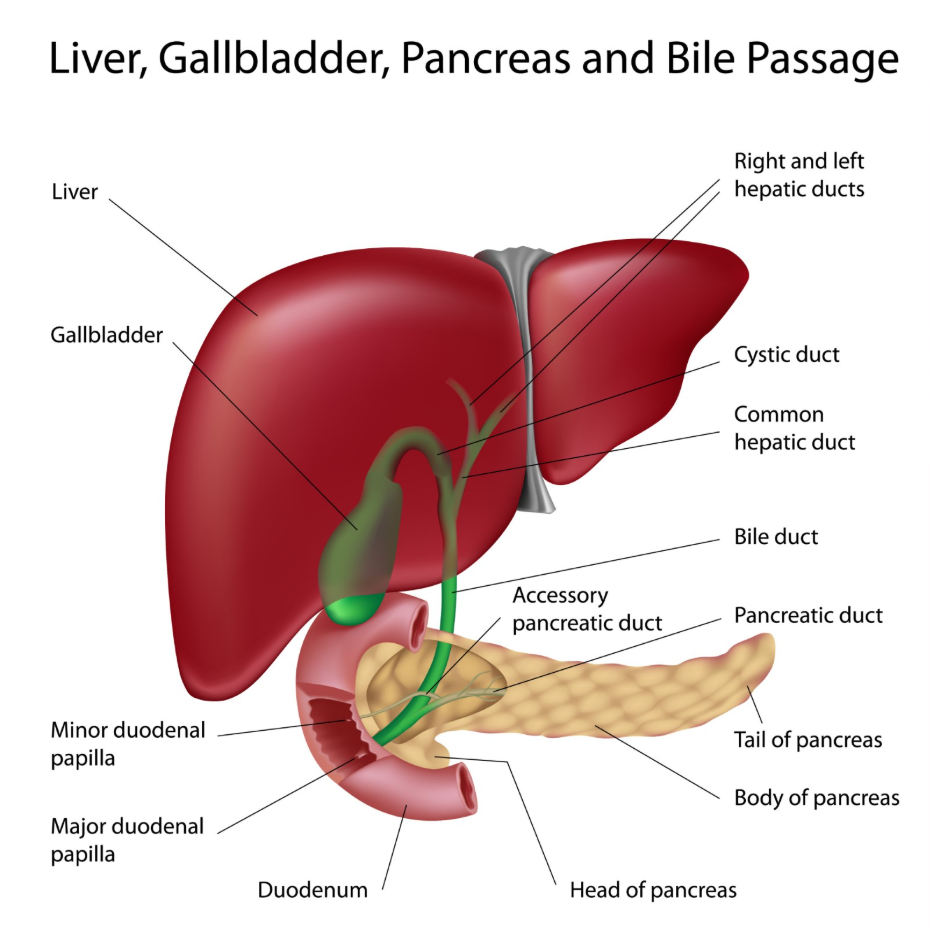
Under normal conditions, the liver conjugates bilirubin to make it water-soluble, allowing it to be excreted in bile. In the context of liver failure, the liver cells, known as hepatocytes, are either too damaged or too few in number to perform this metabolic task. This leads to a systemic accumulation of the pigment, which settles in tissues with high elastin content, such as the sclera of the eyes and the skin. When the liver fails, the entire waste management system of the body is interrupted, making the appearance of jaundice a direct reflection of internal organ stress.
Acute versus Chronic Liver Failure
Liver failure can occur suddenly as an acute event or gradually over many years, with jaundice serving as a critical indicator in both scenarios. Acute liver failure develops rapidly, often within days, and is frequently caused by toxic injury, such as a paracetamol overdose, or severe viral infections. In these cases, the liver is healthy before the event, but the massive damage to the cells causes bilirubin levels to spike almost immediately.
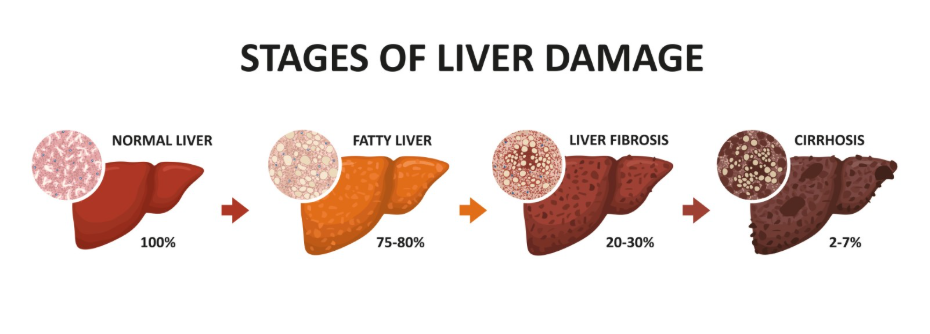
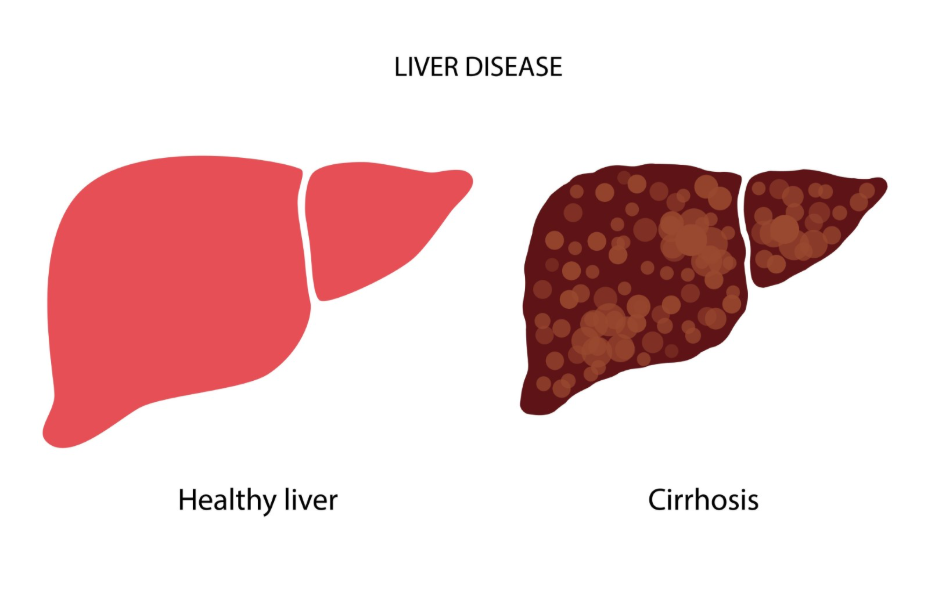
Chronic liver failure, or end-stage liver disease, is the result of long-term damage and scarring, known as cirrhosis. This process happens over decades as the liver slowly loses its ability to repair itself.
| Feature | Acute Liver Failure | Chronic Liver Failure (Cirrhosis) |
| Speed of Onset | Days to weeks | Years to decades |
| Jaundice Presentation | Usually sudden and intense | May be gradual or fluctuating |
| Primary Causes | Toxins, viruses, acute ischemia | Alcohol, fatty liver, chronic hepatitis |
| Reversibility | Potentially reversible if caught early | Often irreversible; management focused on stability |
In chronic cases, jaundice may not appear until the liver is significantly scarred and has reached a state of decompensation. This makes consistent monitoring for yellowing vital for those with known chronic liver conditions.
Systemic Symptoms Accompanying Jaundice
When jaundice is a sign of liver failure, it is typically accompanied by other systemic symptoms that indicate the liver is struggling to perform its metabolic and synthetic roles. One of the most significant complications is hepatic encephalopathy, where toxins like ammonia build up in the blood and affect brain function, leading to confusion, personality changes, or drowsiness. Because the liver can no longer detoxify the blood, these waste products cross the blood-brain barrier.
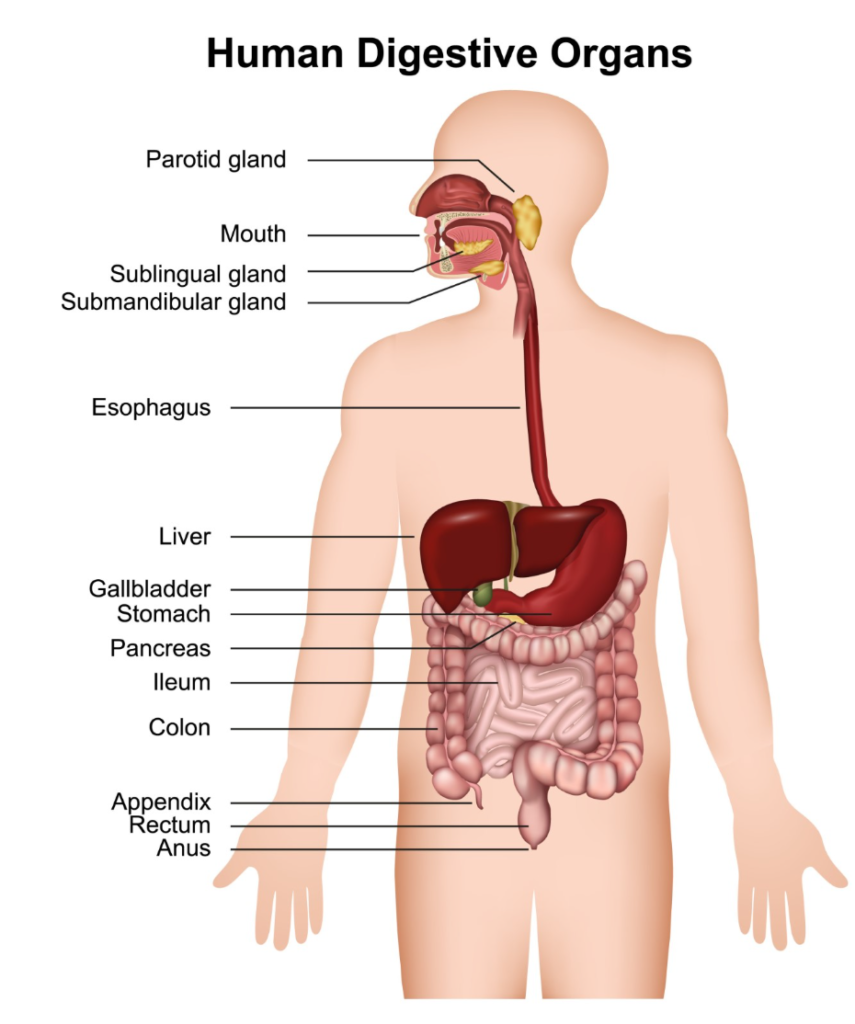
Other common indicators include ascites, which is fluid buildup in the abdomen, and easy bruising or bleeding due to a lack of clotting proteins. NICE clinical guidelines for the management of cirrhosis emphasise that the presence of jaundice alongside these complications is a sign of decompensated liver disease, which requires specialist hepatology review. In the UK, clinicians use the combination of jaundice and these secondary signs to determine the urgency of hospital admission and the need for intensive organ support.
Diagnostic Pathways for Assessing Liver Failure
Healthcare professionals in the UK use a structured diagnostic pathway involving blood tests and imaging to determine if jaundice is a sign of liver failure. Liver Function Tests are the primary tool used to measure bilirubin levels and liver enzymes, providing a snapshot of cellular damage. However, enzymes alone do not confirm failure; clinicians must also assess how well the liver is actually working.
Doctors look at the liver’s synthetic function by measuring albumin levels and the International Normalised Ratio, which assesses blood clotting speed. A high clotting time and low albumin are strong indicators that the liver is no longer functioning as an effective factory for proteins. The GOV.UK health pages indicate that identifying these markers early is essential for preventing the progression of liver disease and managing the risk of organ failure within the population. Imaging, such as an ultrasound or CT scan, is also used to assess the physical structure of the liver and look for signs of advanced scarring or tumours that might be contributing to the organ’s decline.
The Progression of Liver Disease
The progression of liver disease toward failure is often marked by the transition from compensated to decompensated states, with jaundice being a hallmark of the latter. In the compensated stage, the liver is scarred but can still perform its essential duties, and the patient may not appear yellow. The body finds ways to work around the damage, often for many years.
However, when the damage reaches a threshold where the liver can no longer keep up with metabolic demands, jaundice appears. This transition signifies that the liver’s functional reserve has been exhausted. Once a patient develops jaundice due to chronic liver damage, they are at higher risk for further complications, such as kidney dysfunction or internal bleeding from swollen veins in the food pipe. Consistent clinical monitoring and lifestyle adjustments are required to manage these risks and support the liver’s remaining function as much as possible to maintain systemic stability.
Conclusion
Jaundice can be a significant sign of liver failure, reflecting the organ’s inability to process metabolic waste and toxins. Whether occurring acutely or as a result of chronic scarring, the yellowing of the skin and eyes serves as a vital clinical marker for the healthcare team. In the UK, prompt investigation through blood tests and imaging is the standard of care to assess liver stability and prevent further complications. Identifying the cause of jaundice early is essential for ensuring appropriate management and supporting long-term health. If you experience severe, sudden, or worsening symptoms, call 999 immediately.
Does every case of jaundice mean my liver is failing?
No, jaundice can also be caused by temporary issues like gallstones or self-limiting infections that do not involve liver failure.
Can liver failure be reversed if the jaundice is treated?
Jaundice is a symptom, so treatment focuses on the cause of the liver failure; in some acute cases, the liver can recover, while chronic failure is managed to prevent worsening.
Why does liver failure cause bruising?
The liver produces the proteins that help blood to clot, and when it fails, these proteins are not made in sufficient quantities.
Is jaundice painful?
Jaundice itself is not painful, but the underlying cause, such as a blocked bile duct or liver inflammation, may cause abdominal discomfort.
How long does it take for jaundice to appear in liver failure?
In acute failure, it can appear in days, while in chronic disease, it may only appear after years of silent damage.
What is the most common cause of sudden liver failure?
In the UK, paracetamol overdose and certain viral infections are common causes of acute liver failure.
Can I have liver failure without being yellow?
In the early or compensated stages of liver disease, the liver may still function well enough that jaundice is not yet visible.
Authority Snapshot (E-E-A-T)
This article provides medically factual health education regarding the link between jaundice and liver failure, strictly aligned with NHS and NICE clinical guidelines. The content is developed by a professional medical writing team and reviewed by Dr. Stefan Petrov, a UK-trained physician with experience in general medicine, surgery, and emergency care. All information follows current UK public health protocols to ensure accuracy and patient safety.



