




Untreated jaundice can lead to a range of severe health complications because the yellowing of the skin and eyes is a secondary sign of a primary disruption in the body’s filtration or drainage systems. Jaundice occurs when bilirubin, a byproduct of red blood cell breakdown, accumulates in the blood and deposits into various tissues. While the visible yellow hue is often the first symptom noticed, the underlying cause, whether it be a biliary obstruction, liver inflammation, or a blood disorder, can cause progressive damage to internal organs if not addressed. In the United Kingdom, healthcare professionals prioritise the investigation of jaundice to prevent systemic issues such as infection, permanent liver scarring, and neurological impairment. Because the liver is responsible for essential metabolic functions and waste management, any prolonged interruption in its activity can affect the entire body. Understanding these complications is vital for recognising why a prompt clinical assessment is necessary when yellowing occurs.
What We’ll Discuss in This Article
- The progression of liver inflammation to permanent scarring and cirrhosis.
- The risk of life-threatening infections in the biliary system.
- How a lack of bile flow affects digestion and nutrient absorption.
- The impact of prolonged bilirubin and toxin buildup on brain function.
- Secondary organ damage, including complications involving the kidneys.
- UK clinical protocols for preventing and managing jaundice-related risks.
Progression to Liver Failure and Cirrhosis
If the cause of jaundice is a liver-based condition like chronic hepatitis or alcohol-related liver disease, leaving it untreated allows inflammation to persist, eventually leading to permanent scarring known as cirrhosis. The liver has a significant capacity for regeneration, but chronic stress prevents healthy tissue from repairing itself correctly. The NHS states that jaundice is often a sign of a liver problem that requires medical attention to prevent permanent damage like cirrhosis or liver failure.
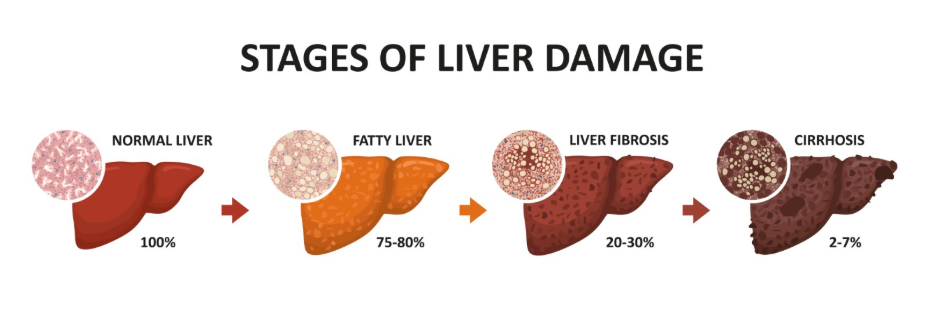
As healthy liver cells are replaced by non-functional scar tissue, the organ loses its ability to filter toxins, produce essential proteins, and regulate blood clotting. This transition from a functioning liver to a scarred one is often gradual, and jaundice may be the only visible warning sign during this process. If the underlying cause is not managed, the liver may eventually reach a stage of decompensation, where it can no longer support the body’s metabolic needs. This state of liver failure is a medical emergency that can lead to systemic complications and may ultimately require intensive care or a transplant.
Risk of Ascending Cholangitis and Sepsis
When jaundice is caused by a physical obstruction in the bile ducts, such as a gallstone, the stagnant bile behind the blockage can become infected, leading to a dangerous condition called ascending cholangitis. Bile is meant to flow continuously into the intestines; when it remains stationary, bacteria can multiply rapidly within the biliary tree.
This infection can quickly spread from the bile ducts into the bloodstream, a process known as sepsis. Sepsis is a life-threatening reaction to an infection that can cause multi-organ failure and a significant drop in blood pressure. NICE clinical guidelines for gallstone disease management highlight that jaundice accompanied by high fever and abdominal pain is a hallmark of biliary infection and requires immediate hospital assessment. In the UK, clinicians treat obstructive jaundice with significant urgency specifically to prevent this progression to systemic infection, which carries a high risk of serious illness if the blockage is not cleared and antibiotics are not started promptly.
Malabsorption and Nutritional Deficiencies
Untreated jaundice, particularly when caused by a blockage in the bile ducts, interferes with the body’s ability to digest fats and absorb essential fat-soluble vitamins, leading to significant nutritional deficiencies over time. Bile is necessary for breaking down dietary fats in the small intestine. If bile cannot reach the digestive tract due to an obstruction, fats pass through the body unabsorbed, a condition often marked by pale, oily, or foul-smelling stools.
This malabsorption can lead to deficiencies in vitamins A, D, E, and K. A lack of vitamin K is particularly concerning because the liver requires it to produce the proteins that help the blood to clot. Prolonged bile duct obstruction can therefore lead to an increased risk of bruising or excessive bleeding even from minor injuries. In UK clinical practice, patients with chronic obstructive jaundice are monitored for these nutritional impacts to ensure their bone health and blood clotting remains stable while the primary cause of the jaundice is investigated.
Neurological Impact and Hepatic Encephalopathy
Prolonged jaundice resulting from advanced liver disease can lead to the accumulation of metabolic toxins like ammonia in the blood, which can cross into the brain and cause a condition known as hepatic encephalopathy. The liver normally converts ammonia into urea so it can be safely excreted by the kidneys. When the liver is too damaged or congested to perform this task, the ammonia levels in the bloodstream rise.
Early neurological symptoms may include subtle changes in personality, sleep disturbances, and mild confusion. If the liver condition causing the jaundice remains untreated, the encephalopathy can progress to severe disorientation, tremors, and eventually a hepatic coma. The GOV.UK health profiles indicate that identifying and managing advanced liver disease is critical for preventing these life-altering neurological complications within the UK population. This demonstrates that the risks of ignoring jaundice extend far beyond the liver itself, potentially causing irreversible damage to the central nervous system.
Comparison of Untreated Obstruction versus Liver Damage
The complications that result from untreated jaundice differ significantly depending on whether the issue is a mechanical blockage or a problem with the liver’s internal cells. Understanding these differences helps UK clinicians prioritise specific interventions.
| Feature | Untreated Biliary Obstruction | Untreated Liver Inflammation |
| Primary Risk | Ascending Cholangitis (Infection) | Cirrhosis and Liver Failure |
| Digestion | Severe fat malabsorption | Impaired protein synthesis |
| Urgency | High risk of sepsis within days | High risk of organ failure over weeks/months |
| Secondary Impact | Potential for acute pancreatitis | Risk of toxin-induced brain injury |
Regardless of the category, the physiological outcome of leaving the condition unmanaged is a decline in overall health. While an obstruction may present a more immediate risk of infection, chronic liver damage presents a more systemic risk of metabolic collapse.
Secondary Kidney Dysfunction (Hepatorenal Syndrome)
In cases of severe, advanced liver disease that presents with jaundice, the kidneys can also begin to fail, a condition known as hepatorenal syndrome. This occurs because the failing liver causes significant changes in the body’s blood circulation and pressure, which in turn reduces the blood flow to the kidneys.
As the kidneys lose their ability to filter the blood, waste products build up further, complicating the initial jaundice. This dual-organ failure is a very serious clinical state that requires hospital management. Identifying jaundice early and treating the liver before it reaches this advanced stage is the most effective way to protect the kidneys. UK medical protocols for jaundiced patients often include regular monitoring of kidney function through blood tests to ensure that any decline in renal performance is caught before it becomes life-threatening.
Conclusion
The complications of untreated jaundice range from permanent liver scarring and systemic infections to neurological impairment and secondary organ failure. While the yellowing of the skin is the most visible symptom, it serves as a critical indicator of internal metabolic or physical distress that requires clinical intervention. In the United Kingdom, standardised diagnostic pathways ensure that the underlying cause is identified early to prevent these serious health outcomes. Restoring the liver’s filtration and drainage capacity is essential for maintaining systemic health and long-term wellbeing. If you experience severe, sudden, or worsening symptoms, call 999 immediately.
Can I wait a few days to see if my jaundice goes away?
In adults, you should seek medical advice within 24 hours of noticing yellowing, as some complications like bile duct infections can become serious very quickly.
Why does untreated jaundice cause itching?
The itching is caused by the buildup of bile salts in the skin, and if left untreated, it can become severe enough to interfere with sleep and daily life.
Does jaundice always lead to liver failure?
No, jaundice can be caused by temporary issues like gallstones, but if those issues are not treated, they can eventually lead to liver damage.
How does untreated jaundice affect my blood?
It can interfere with your liver’s ability to make clotting factors, making you more likely to bruise or bleed easily.
Can untreated jaundice affect my brain?
Yes, if the liver cannot filter toxins properly, they can build up and cause confusion or drowsiness, known as hepatic encephalopathy.
What is the first sign that jaundice is becoming dangerous?
Signs like a high fever, severe shivering, or significant abdominal pain suggest that an infection like cholangitis might be developing.
Is the risk the same for everyone?
Risks are higher for those with existing health conditions or the elderly, but any untreated cause of high bilirubin can lead to complications in any adult.
Authority Snapshot (E-E-A-T)
This article provides medically factual health education regarding the complications of untreated jaundice, strictly aligned with NHS and NICE clinical guidelines. The content is developed by a professional medical writing team and reviewed by Dr. Stefan Petrov, a UK-trained physician with experience in general medicine, surgery, and emergency care. All information follows current UK public health protocols to ensure clinical accuracy and patient safety.



