




Jaundice is a medical sign characterised by a yellowing of the skin and the whites of the eyes caused by a buildup of a substance called bilirubin in the blood. Under normal physiological conditions, the liver filters bilirubin, which is a byproduct of the breakdown of old red blood cells, and excretes it as part of bile. When the liver is damaged, or when there is an obstruction in the bile ducts or an abnormally high rate of red blood cell destruction, bilirubin levels rise and the pigment deposits in the tissues. In the United Kingdom, jaundice is viewed as an indicator that requires investigation to determine the health of the liver, gallbladder, or haematological system. While jaundice itself is a symptom rather than a standalone disease, its presence reflects a disruption in the body’s natural waste management and metabolic processes. Understanding how this condition manifests and affects various bodily systems is essential for identifying when medical oversight is required to support organ function.
What We’ll Discuss in This Article
- The biological origin of bilirubin and its normal metabolic pathway.
- The physical manifestation of yellowing in the skin and ocular tissues.
- How jaundice affects the digestive system and waste excretion.
- The distinction between pre-hepatic, intra-hepatic, and post-hepatic jaundice.
- Potential systemic effects of elevated bilirubin on the skin and brain.
- The role of clinical investigations in assessing jaundice severity.
The Biological Process Behind Jaundice
Jaundice occurs when the balance between bilirubin production and its clearance by the liver is disrupted, leading to an accumulation of this yellow pigment in the circulatory system. The NHS states that jaundice is caused by the buildup of bilirubin in the blood, which can happen if the liver is damaged or if there is a problem with the bile ducts.
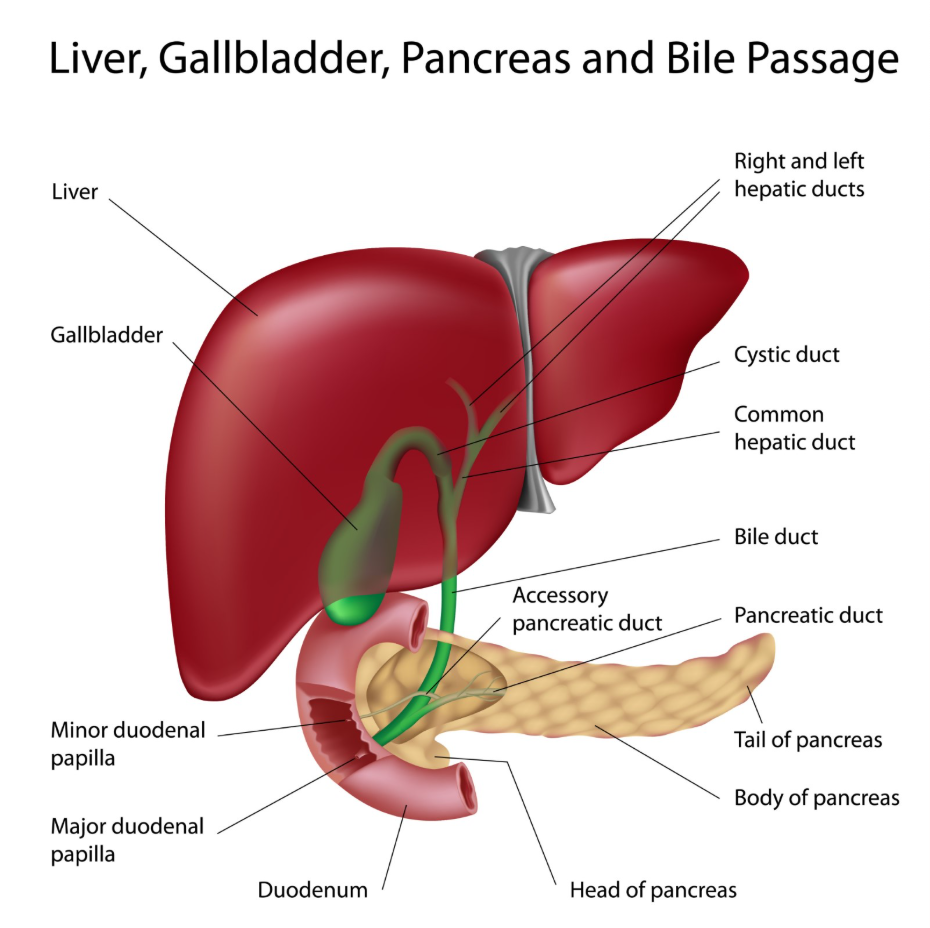
Red blood cells have a typical lifespan of about 120 days, after which they are broken down in the spleen and bone marrow. A primary byproduct of this breakdown is haemoglobin, which is converted into unconjugated bilirubin. This substance travels to the liver, where it is made water-soluble (conjugated) so it can be passed into the intestines as bile. If any step in this transport or processing chain fails, the concentration of bilirubin in the blood rises. Once it reaches a certain threshold, the pigment begins to leak from the small blood vessels into the skin and mucous membranes, resulting in the characteristic yellow colour.
Physical Effects on the Skin and Eyes
The most visible effect of jaundice is the alteration of skin and eye colour, as the yellow bilirubin pigment has a high affinity for elastic tissue found in these areas. The whites of the eyes, known as the sclera, are often the first place jaundice becomes noticeable because they contain high levels of elastin. As bilirubin levels increase, the yellowing spreads to the face, torso, and eventually the limbs.
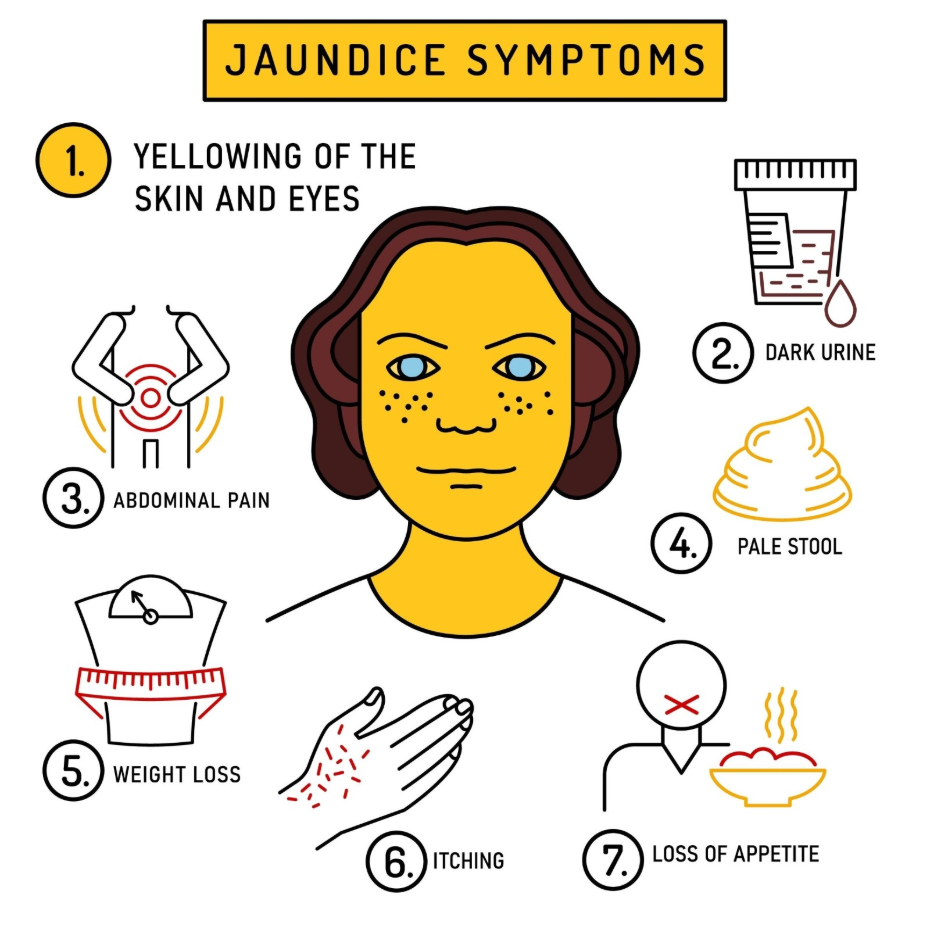
Beyond the change in colour, elevated bilirubin levels can cause significant itching, a sensation known as pruritus. This occurs because bile salts and bilirubin can irritate the sensory nerves in the skin. This itching can be persistent and may affect sleep and daily activities, but it is not caused by a skin condition itself; rather, it is a systemic reaction to the chemical imbalance in the blood. In some cases, the skin may also appear more easily bruised if the underlying cause of the jaundice is also affecting the liver’s ability to produce blood-clotting proteins.
Impact on the Digestive System and Excretion
Jaundice significantly affects the appearance of bodily waste because bilirubin is the pigment responsible for the normal brown colour of stools and the straw-yellow colour of urine. When the liver cannot process bilirubin or if the bile ducts are blocked, the pigment cannot reach the intestines. This leads to stools that appear pale, grey, or clay-coloured, as the necessary brown pigment is absent from the digestive tract.
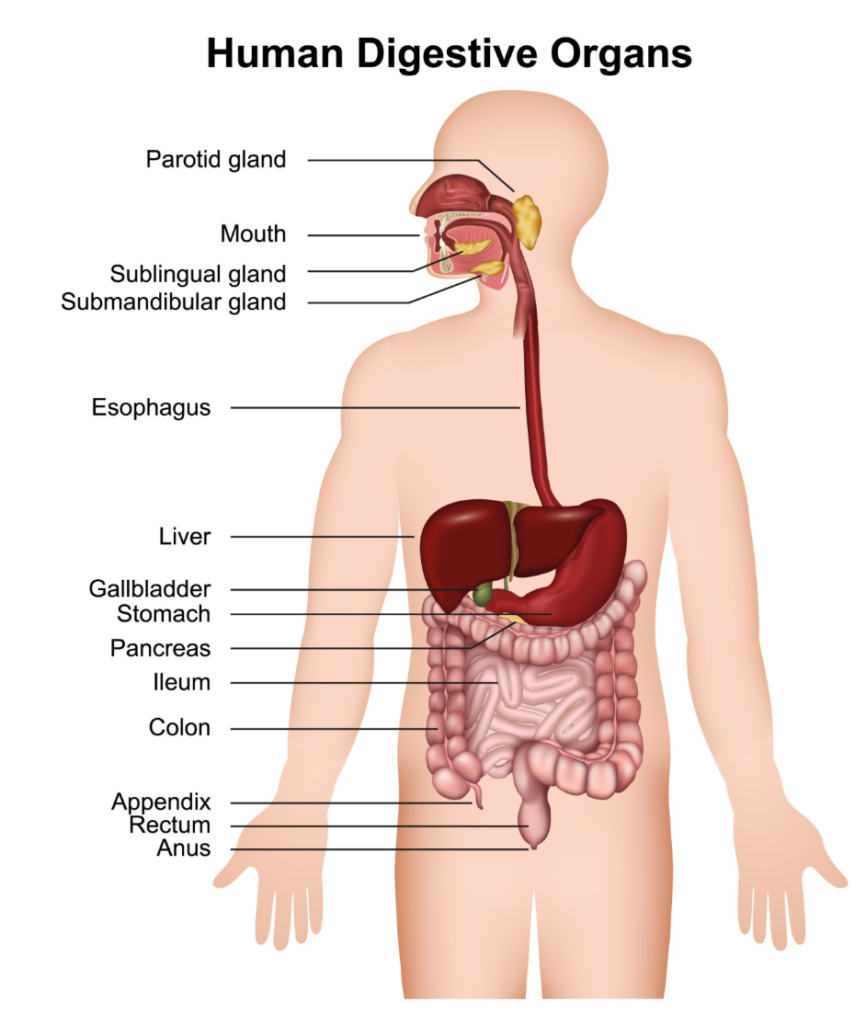
Conversely, if there is a backup of conjugated bilirubin in the blood, the kidneys attempt to filter it out. This results in urine that appears dark orange, brown, or tea-coloured. The lack of bile in the intestines also affects the digestion of fats, as bile is required to emulsify fats for absorption. This can lead to malabsorption, weight loss, and stools that are greasy, foul-smelling, and difficult to flush, a condition known as steatorrhea.
Categorising Jaundice Based on Origin
Clinical professionals categorise jaundice into three types based on where the disruption occurs in the metabolic pathway: pre-hepatic, intra-hepatic, and post-hepatic. This classification helps in understanding how the condition affects the body differently depending on the source of the bilirubin buildup.
| Type of Jaundice | Location of Problem | Common Mechanism |
| Pre-hepatic | Before the liver | Rapid breakdown of red blood cells (haemolysis). |
| Intra-hepatic | Within the liver | Damage to liver cells from infection or scarring. |
| Post-hepatic | After the liver | Obstruction in the bile ducts by stones or tumours. |
In pre-hepatic jaundice, the liver is often healthy but is simply overwhelmed by the volume of bilirubin produced. In intra-hepatic jaundice, the liver’s internal machinery is compromised, affecting its ability to conjugate or transport the pigment. Post-hepatic jaundice, often referred to as obstructive jaundice, occurs when the plumbing system of the gallbladder and bile ducts is physically blocked, preventing the processed bile from reaching its destination in the gut.
Systemic Effects and Neurological Considerations
While jaundice is often manageable in adults, very high levels of bilirubin can have systemic effects, particularly if the pigment crosses the blood-brain barrier. In neonates, this is a serious concern known as kernicterus, but in adults, such high levels are rare unless liver failure is advanced. Elevated bilirubin can contribute to a general feeling of malaise, fatigue, and loss of appetite as the body struggles with the underlying inflammation or obstruction.
NICE clinical guidelines for jaundice in adults focus on the rapid identification of the cause, particularly to distinguish between benign conditions and serious obstructions like tumours or severe liver scarring. When jaundice is accompanied by fever or severe pain, it suggests an acute inflammatory response or infection in the biliary system. Because the liver is involved in so many metabolic pathways, the onset of jaundice often signals a broader decline in the body’s ability to regulate its internal chemistry, affecting energy levels and immune function.
Conclusion
Jaundice is a visible sign of an underlying disruption in bilirubin metabolism that affects the skin, eyes, and digestive excretion. By causing yellowing of the tissues, dark urine, and pale stools, it provides clear indicators that the liver or biliary system requires medical assessment. While jaundice itself is not a disease, its effects on the body reflect a metabolic imbalance that can range from mild to serious depending on the cause. Consistent monitoring and professional clinical investigation are required to ensure the underlying issue is addressed effectively. If you experience severe, sudden, or worsening symptoms, call 999 immediately.
Does jaundice always mean liver failure?
No, jaundice can be caused by many issues including gallstones or the rapid breakdown of red blood cells, not just liver failure.
Why does jaundice make the eyes yellow first?
The whites of the eyes contain a protein called elastin that has a high affinity for bilirubin, making the yellowing appear there earliest.
Can a healthy person get jaundice?
A healthy person might develop jaundice if they have an infection, take certain medications, or have a temporary blockage such as a gallstone.
Is jaundice contagious?
Jaundice itself is not contagious, but some underlying causes, such as viral hepatitis, can be passed from person to person.
How long does it take for the yellowing to go away?
The yellowing usually fades over several days or weeks once the underlying cause of the bilirubin buildup has been treated.
Does diet affect jaundice?
Diet cannot cure jaundice, but a low-fat diet may be recommended if the jaundice is caused by gallbladder or bile duct issues to reduce digestive discomfort.
Will jaundice cause permanent skin damage?
No, the yellow pigment will eventually be cleared from the skin once bilirubin levels in the blood return to normal.
Authority Snapshot (E-E-A-T)
This article provides medically factual health education regarding jaundice and its effects on the body, strictly aligned with NHS and NICE clinical guidelines. The content is developed by a professional medical writing team and reviewed by Dr. Stefan Petrov, a UK-trained physician with experience in general medicine, surgery, and emergency care. All information follows current UK public health standards to ensure accuracy and patient safety.



