




Regular health check-ups play a vital role in the early detection of conditions that cause jaundice by identifying biochemical changes in the liver and biliary system before visible symptoms appear. Jaundice is a medical sign characterised by the yellowing of the skin and the whites of the eyes, which occurs when a pigment called bilirubin builds up in the blood. While visible yellowing often indicates that an underlying issue has reached an advanced or acute stage, routine clinical monitoring can uncover the precursors to this buildup, such as fatty liver disease, asymptomatic gallstones, or chronic viral hepatitis. In the United Kingdom, healthcare professionals utilise standardised blood profiles and physical examinations during routine assessments to monitor the body’s filtration and waste management systems. By identifying elevated liver enzymes or structural changes early, clinicians can initiate management strategies that protect organ function and prevent the transition to symptomatic jaundice. This proactive approach is essential for maintaining long-term metabolic health and reducing the risk of progressive liver or gallbladder failure.
What We’ll Discuss in This Article
- The role of Liver Function Tests (LFTs) in identifying early organ stress.
- How routine monitoring detects chronic conditions like fatty liver disease.
- The importance of screening for asymptomatic gallstones and biliary issues.
- Using check-ups to monitor the long-term impact of alcohol and medications.
- The significance of viral hepatitis screening in high-risk populations.
- UK clinical pathways for the investigation of abnormal routine blood markers.
Identifying Subclinical Liver Stress through Blood Tests
Regular check-ups allow for the identification of subclinical liver stress through blood investigations that measure the concentration of enzymes and pigments before they manifest as visible jaundice. Liver Function Tests are a standard component of many health screenings in the UK and provide a biochemical snapshot of hepatic health. The NHS states that jaundice is caused by the build-up of bilirubin in the blood, which happens if the liver is damaged or there is a problem with the bile ducts.
These blood tests measure specific enzymes, such as Alanine Aminotransferase and Alkaline Phosphatase, which leak into the bloodstream when liver cells are inflamed or bile ducts are irritated. In many cases, these enzymes rise significantly before the bilirubin levels are high enough to turn the skin yellow. By detecting these elevations during a routine check-up, healthcare professionals can investigate the source of the inflammation early. This early detection is critical for managing the underlying cause, whether it is an infection or metabolic stress, thereby preventing the liver’s functional reserve from becoming exhausted.
Early Detection of Non-Alcohol Related Fatty Liver Disease
Routine health assessments are essential for detecting non-alcohol related fatty liver disease, a condition that often has no symptoms in its early stages but can progress to cause inflammation and jaundice. This condition occurs when excess fat is stored in the liver cells, which can eventually trigger an inflammatory response known as steatohepatitis. Because the liver can often continue to function despite some fat accumulation, visible signs like jaundice only appear once significant damage or swelling has occurred.
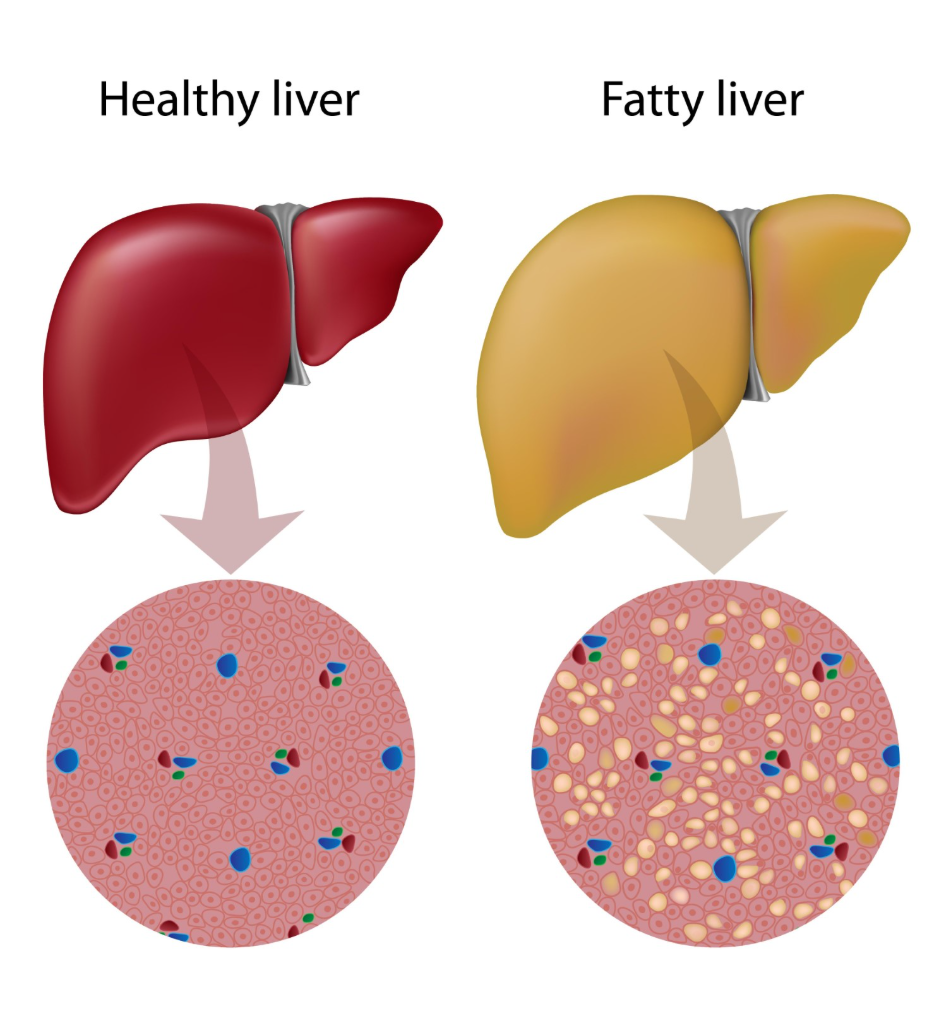
NICE clinical guidelines for the management of non-alcohol related fatty liver disease emphasise that identifying high-risk individuals through routine check-ups allows for early lifestyle interventions that can reverse liver fat buildup. During a check-up, clinicians assess Body Mass Index, waist circumference, and metabolic markers such as blood glucose and cholesterol. When combined with liver enzyme monitoring, these assessments help identify those at risk of progressive liver damage. Early intervention through dietary changes and weight management can stabilise the liver and prevent the structural changes that lead to the eventual backup of bilirubin.
Screening for Asymptomatic Gallstones and Biliary Health
Regular check-ups can help identify risk factors for gallstones, which are a primary cause of obstructive jaundice if they migrate into the common bile duct. While many people have gallstones without knowing it, routine physical examinations and reviews of digestive symptoms can prompt further investigation. If an individual reports intermittent upper abdominal discomfort or has significant risk factors, a clinician may order an ultrasound scan as part of a more detailed assessment.
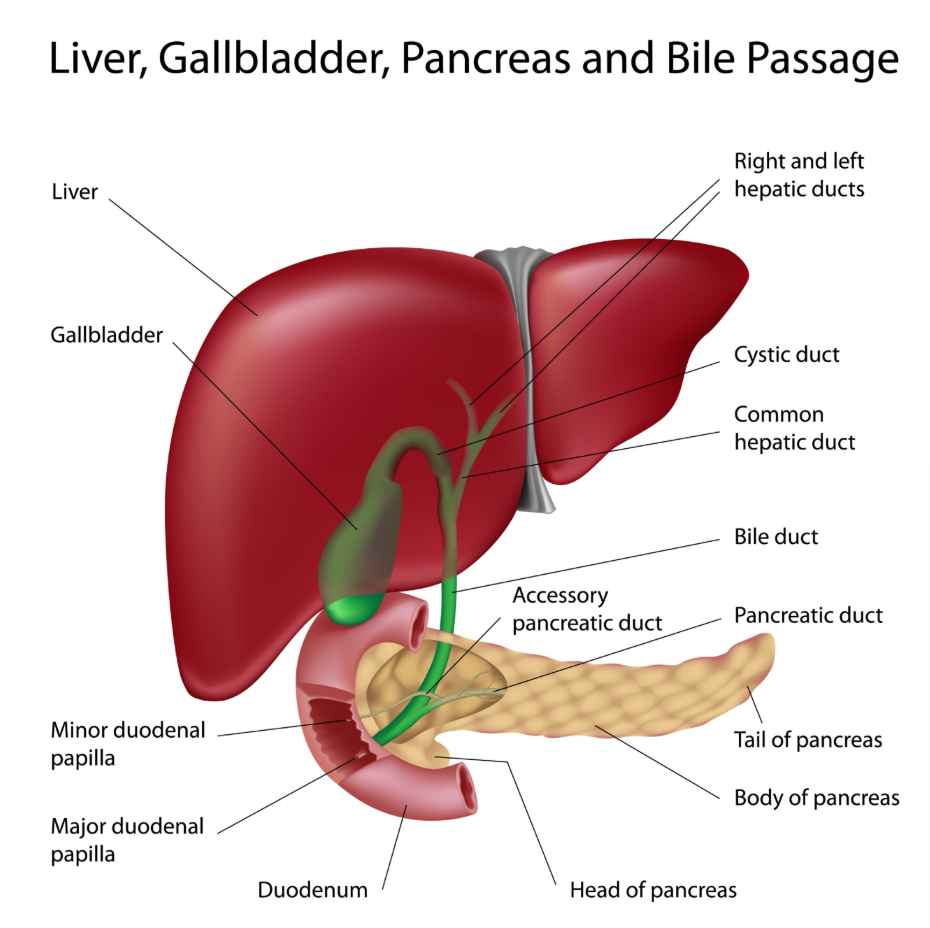
Detecting biliary issues before they cause a complete blockage is a key preventative measure. Once a stone blocks the bile duct, jaundice can develop rapidly, often accompanied by severe pain and infection. By monitoring gallbladder health and providing guidance on fibre intake and gradual weight loss, healthcare professionals in the UK help patients reduce the likelihood of stones forming or causing a crisis. This proactive structural monitoring ensures that the biliary drainage system remains clear, preventing the “plumbing” issues that result in the sudden onset of yellow skin and eyes.
Monitoring the Impact of Long-term Medications
Consistent clinical follow-up is necessary for individuals on long-term medications to detect drug-induced liver injury, which can manifest as jaundice if the liver’s detoxification pathways are overwhelmed. Many pharmaceutical agents are processed by the liver, and over time, some individuals may develop a sensitivity or an accumulation of toxic metabolites.
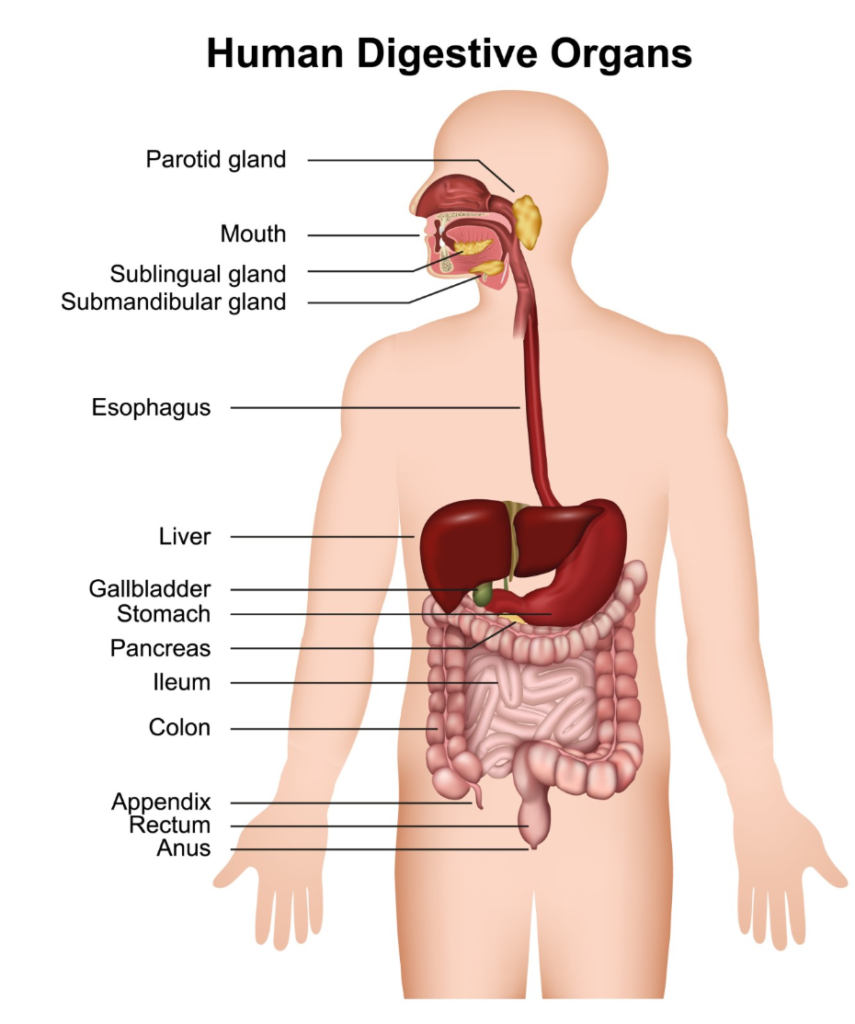
Regular blood tests allow clinicians to monitor how the liver is responding to these substances. If enzyme levels begin to climb, the healthcare team can adjust the dosage or switch to an alternative medication before permanent cellular damage or visible jaundice occurs. This is particularly important for patients taking medications for chronic conditions like high cholesterol, epilepsy, or autoimmune disorders. UK clinical protocols ensure that these regular checks serve as a safety net, protecting the liver from chemical stress and ensuring that the organ remains a clear filter for bilirubin and other waste products.
Comparison of Routine Markers for Jaundice Risk
Different clinical markers identified during a check-up provide insight into specific categories of jaundice risk, allowing for a targeted preventative approach.
| Clinical Marker | What It Indicates | Potential Jaundice Category |
| Bilirubin (Total) | Overall level of pigment in the blood. | Early systemic buildup. |
| ALT / AST | Direct damage to liver cells (hepatocytes). | Intra-hepatic (Liver based). |
| ALP / GGT | Irritation or blockage of the bile ducts. | Post-hepatic (Obstructive). |
| Albumin / INR | The liver’s ability to make proteins. | Chronic liver function status. |
This table highlights that a routine check-up provides a comprehensive view of the body’s filtration status. By looking at the relationship between these markers, UK clinicians can determine if the threat to the patient’s health is coming from inflammation within the liver or a structural issue in the drainage system. This allows for a more precise management plan tailored to the specific biological risk.
Viral Hepatitis Screening in Preventive Care
Check-ups provide a critical opportunity for viral hepatitis screening, which is essential for identifying chronic infections that can cause progressive liver damage and jaundice over many years. Hepatitis B and C are often “silent” infections, meaning individuals may feel perfectly healthy for decades while the virus causes slow, continuous damage to the liver tissue. According to the GOV.UK health pages, early diagnosis of viral hepatitis through targeted screening is a vital component of the UK strategy to eliminate these viruses and prevent chronic liver failure.
By identifying these infections during a routine review, patients can be offered highly effective antiviral treatments. Clearing the virus or suppressing its replication prevents the development of cirrhosis, which is a major cause of persistent jaundice in the UK. This proactive screening ensures that the liver remains structurally sound and capable of processing bilirubin, thereby avoiding the visible signs of organ failure that occur in the advanced stages of untreated viral hepatitis.
Conclusion
Regular check-ups are an essential tool for the early detection of jaundice causes by identifying liver enzyme elevations, structural biliary issues, and chronic infections before they manifest as visible symptoms. Through the use of blood tests and physical assessments, UK healthcare professionals can monitor the body’s filtration pathways and intervene early to protect organ function. This proactive management prevents the progression of conditions like fatty liver disease and gallstone obstructions. Consistent clinical monitoring is the standard of care for maintaining long-term hepatic and biliary stability. If you experience severe, sudden, or worsening symptoms, call 999 immediately.
Can a normal blood test miss an early cause of jaundice?
While very sensitive, a single blood test is a snapshot in time; regular tests are more effective at showing trends in your liver health over several years.
Should I ask for a liver test at every check-up?
Your doctor will decide based on your age, risk factors, and medications, but liver function tests are a very common part of routine health profiles in the UK.
Can a check-up detect jaundice before I look yellow?
Yes, blood tests can detect high bilirubin and elevated enzymes long before the pigment is concentrated enough to be seen in your skin or eyes.
Does a high enzyme level always mean I will get jaundice?
Not necessarily; if the cause of the high enzymes is treated early, the liver can often heal and prevent jaundice from ever developing.
How often should I have my liver checked if I take regular medication?
This depends on the specific drug, but many long-term medications require a liver function blood test at least once a year.
Will an ultrasound be part of my routine check-up?
An ultrasound is not usually part of a standard routine check unless your blood tests are abnormal or you have symptoms like abdominal pain.
Can a check-up detect Gilbert’s syndrome?
Yes, a routine blood test showing high bilirubin with otherwise normal liver results often leads to the identification of this harmless genetic condition.
Authority Snapshot (E-E-A-T)
This article provides medically factual health education regarding the role of regular check-ups in detecting jaundice, strictly aligned with NHS and NICE clinical guidelines. The content is developed by a professional medical writing team and reviewed by Dr. Rebecca Fernandez, a UK-trained physician with extensive experience in general surgery, internal medicine, and emergency care. All information follows current UK public health protocols to ensure clinical accuracy and patient safety.



